Digital transformation of historical cities and “smart reserve” approach discussed at WUF13
Baku, May 22, AZERTAC
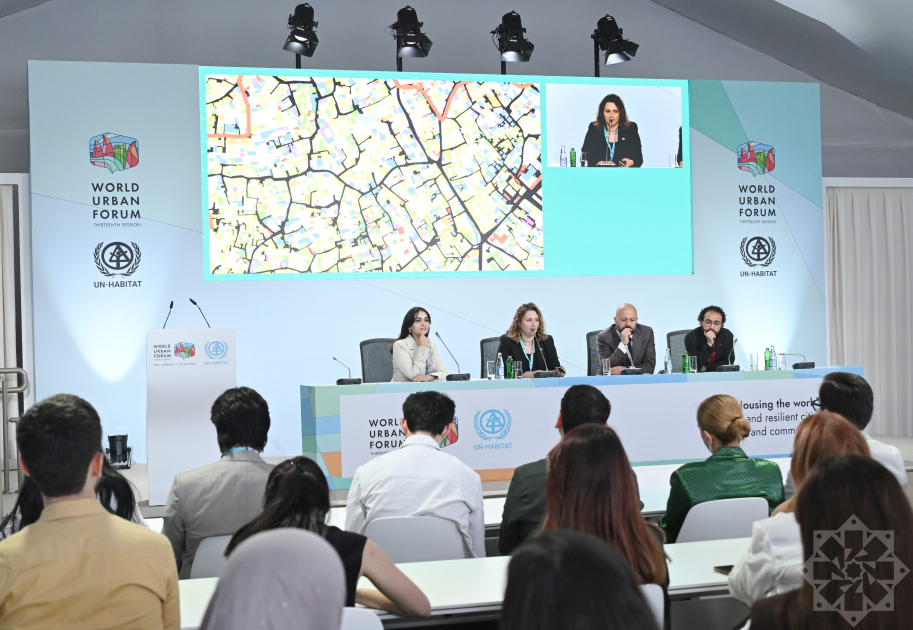
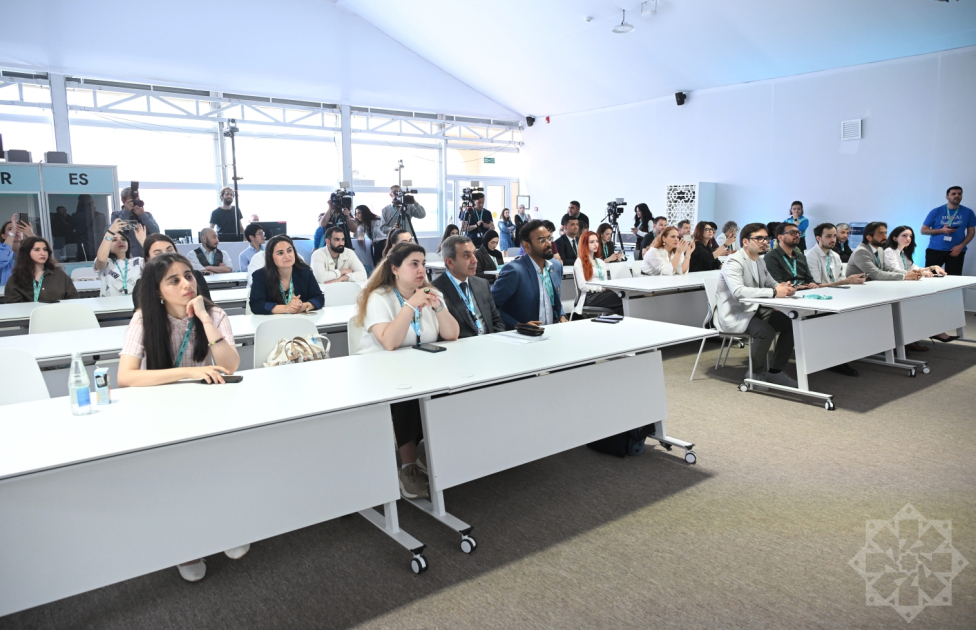
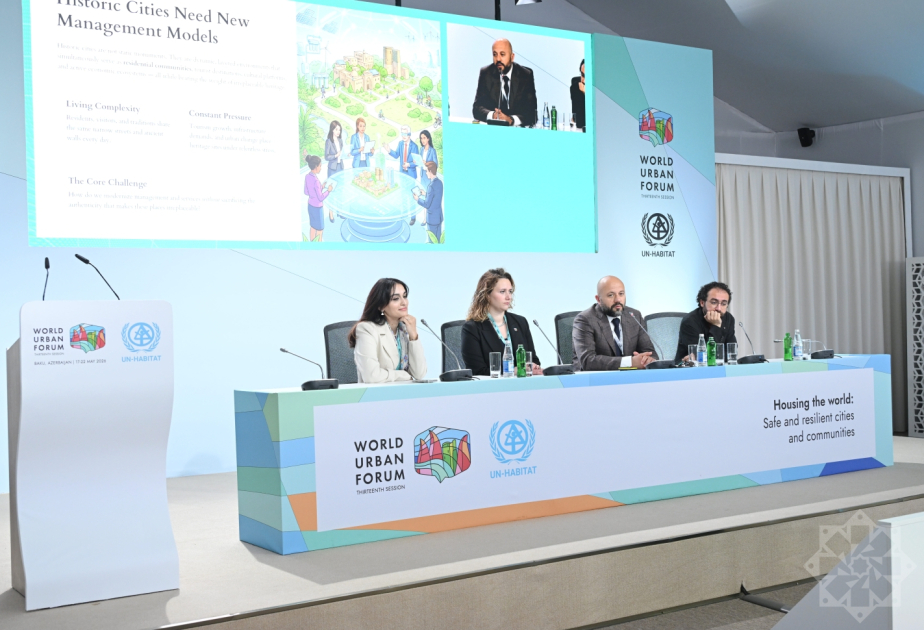
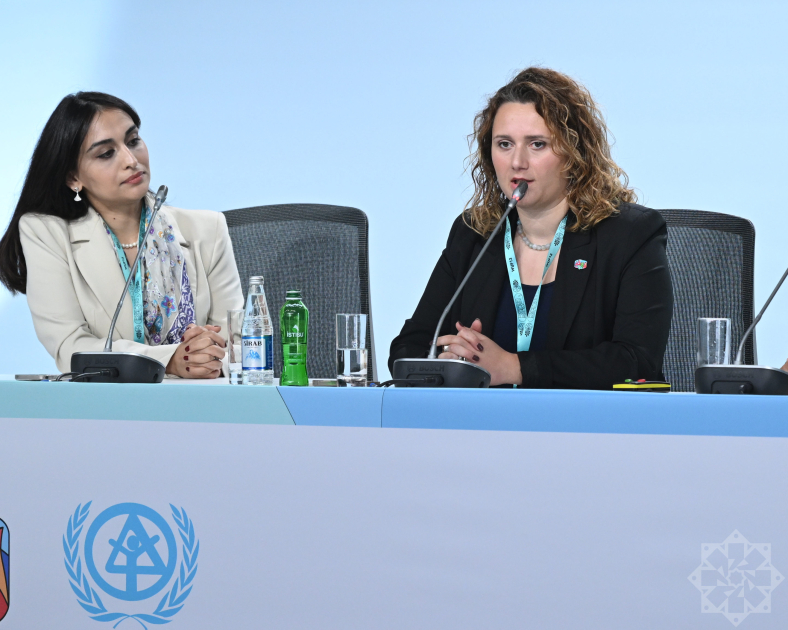
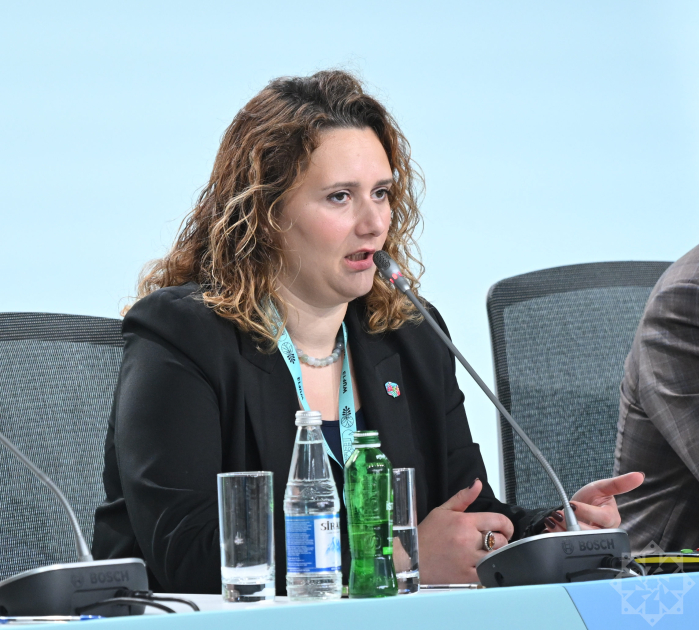
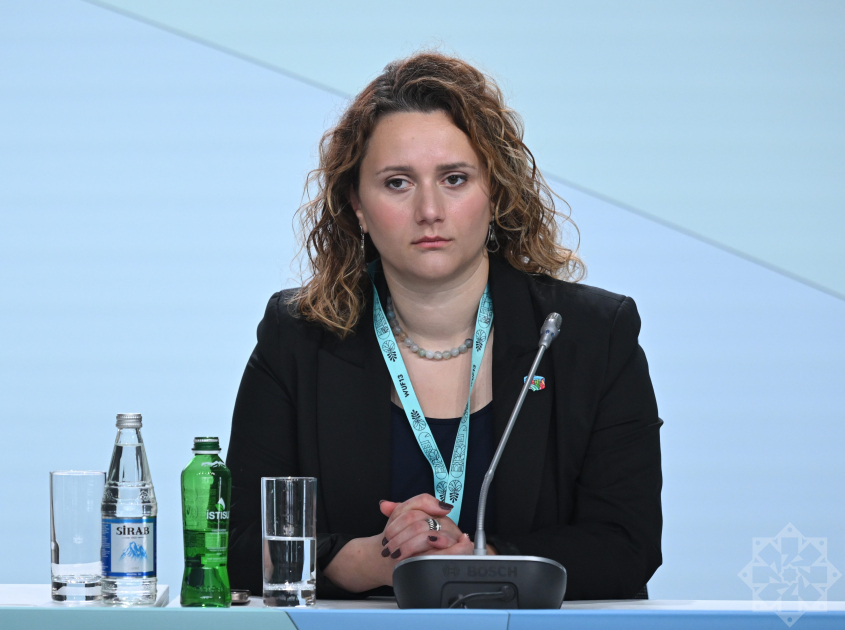
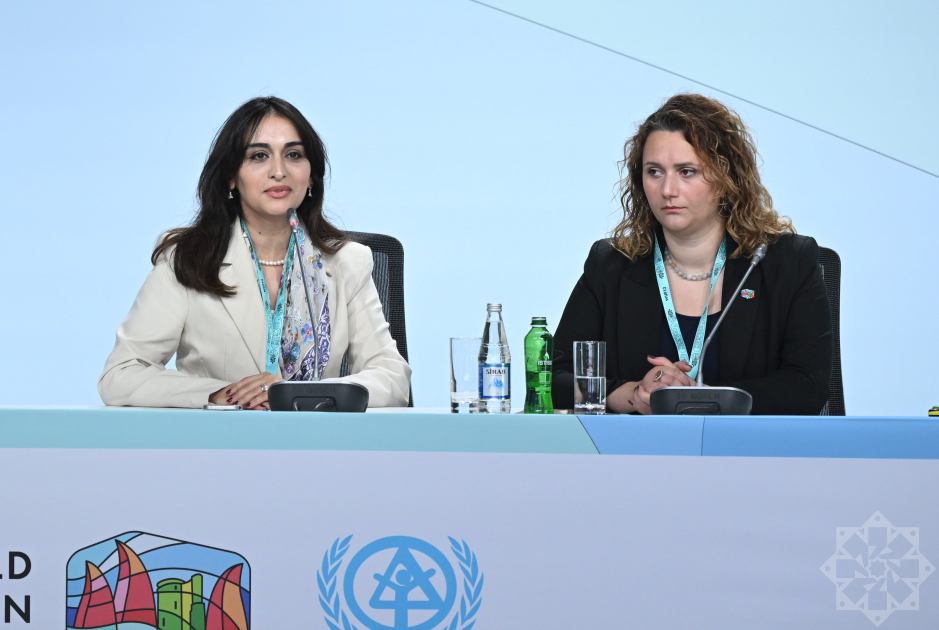
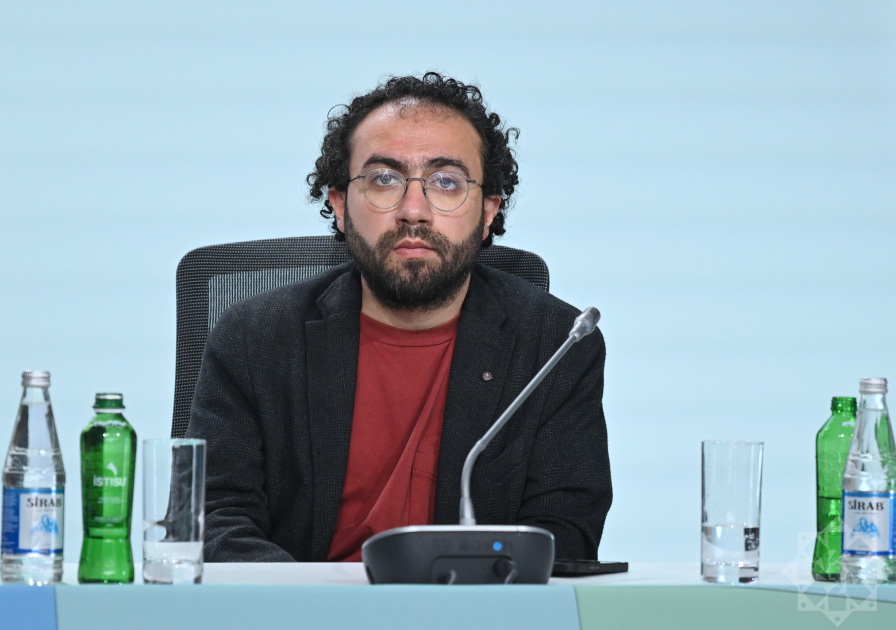
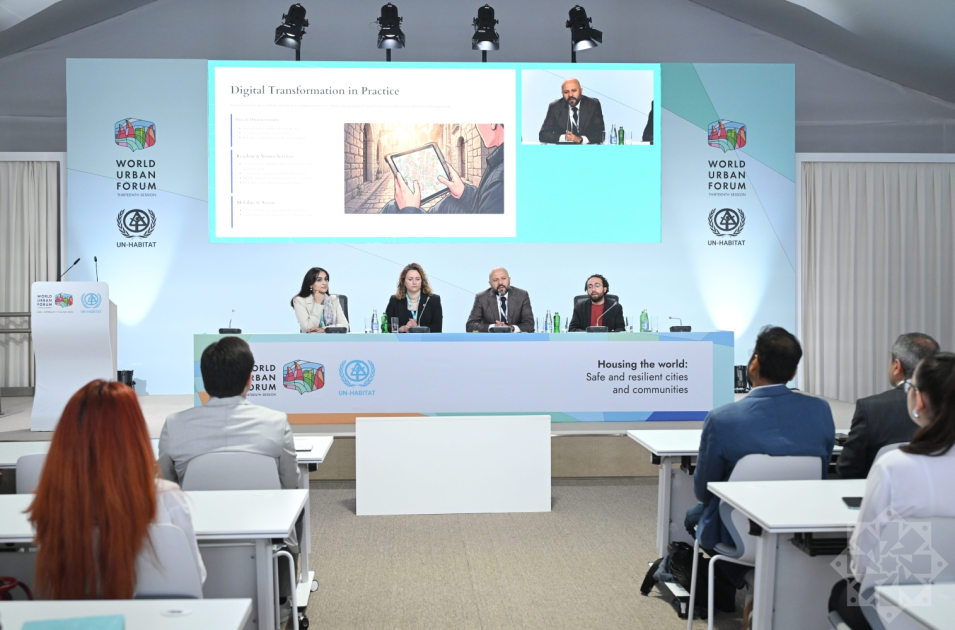
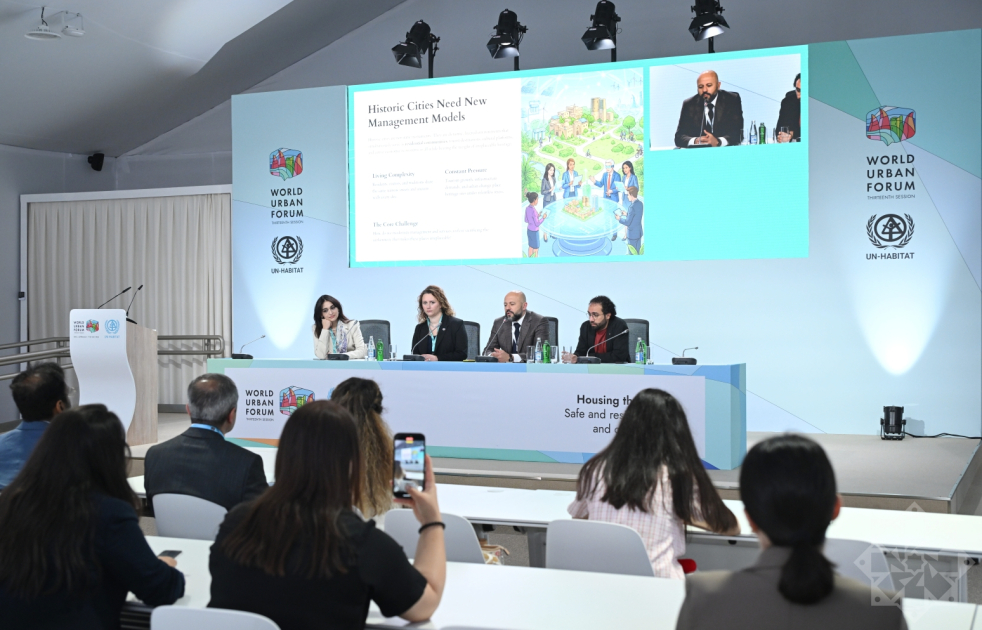
An event titled “Digital Transformation in Historical Cities – Smart Heritage, Data-Driven Governance and Inclusive Urban Futures” was held as part of the 13th Session of the UN World Urban Forum (WUF13). The event discussed the role of digital technologies in the management of historical cities, the “smart reserve” approach, and data-driven governance mechanisms.
The event brought together representatives of heritage institutions and urban planning experts.
The session saw debates on smart heritage management, regulation of tourism flows, optimization of transport and mobility, expansion of digital services, and data-based urban planning decision-making.
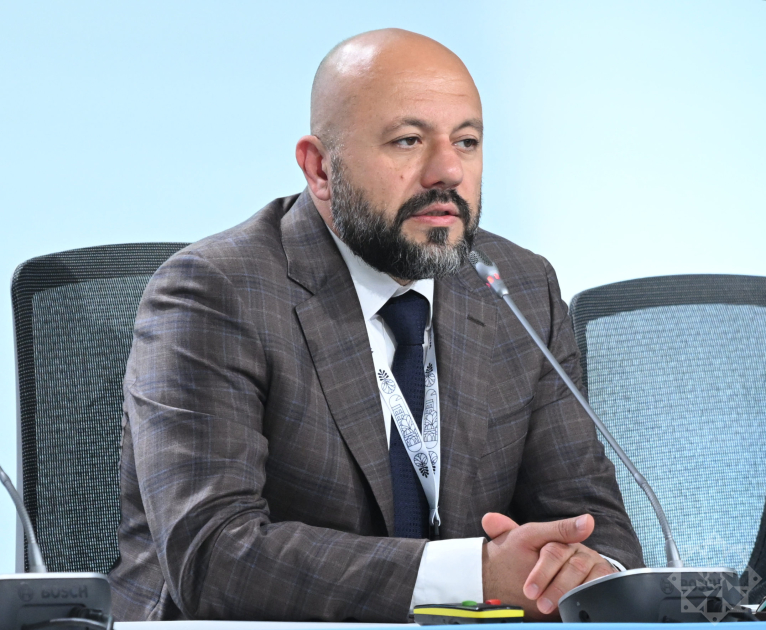
Rufat Mahmud, Chairman of the Board of the Icherisheher State Historical-Architectural Reserve, stated that a comprehensive management model based on the “smart reserve” concept is being developed in Icherisheher to preserve the vitality of the historical urban environment and ensure its sustainable management. According to him, the main goal in Icherisheher, where approximately 5,000 people currently live, is to ensure the area develops not only as a tourist destination but also as a living city.
Mahmud noted that within the framework of the three-year strategy prepared over the past year, the main directions defined include heritage preservation, organization of cultural programs, engagement of the community, optimization of urban management, and regulation of transport. He emphasized that the objective in the historical urban environment is to apply proactive and planned management mechanisms rather than reactive ones.
The event also highlighted the contribution of digital tools in UNESCO World Heritage-listed historical areas to heritage preservation, management of visitor flows, and effective management of urban assets.
Other news in this section


