Terra Madre Shaki gastronomic festival showcases Azerbaijan’s local food, traditional culinary practices, and sustainable farming
Shaki, October 11, AZERTAC
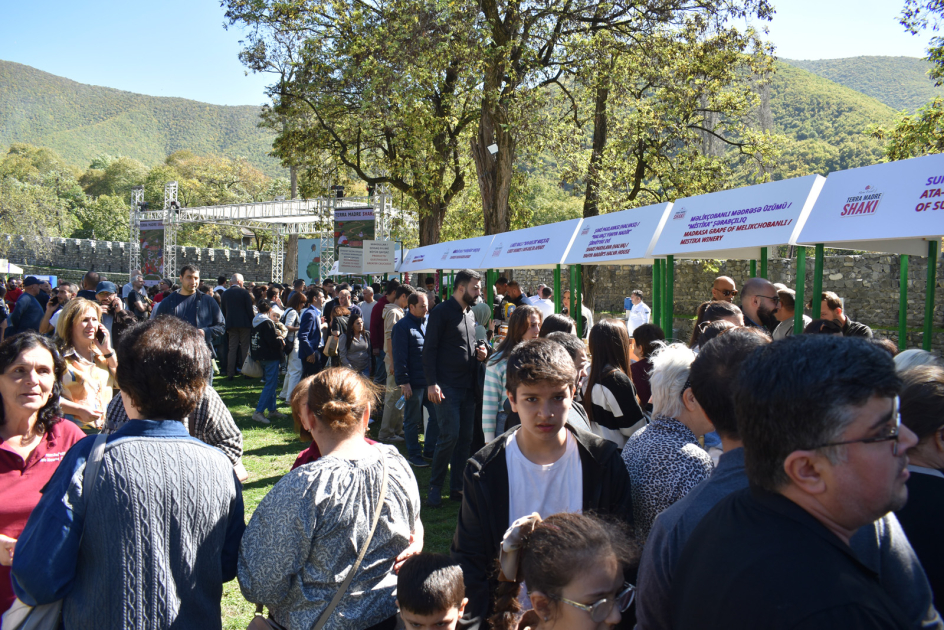
The historic city of Shaki, a UNESCO World Heritage site and former Silk Road trading center, hosted the first edition of Terra Madre Shaki on October 11.
Organized by the State Tourism Agency in collaboration with Slow Food, Azerbaijan Tourism Board (ATB), and the Azerbaijan National Culinary Center, the event brought together the global Slow Food movement to Azerbaijan on a large scale for the first time.
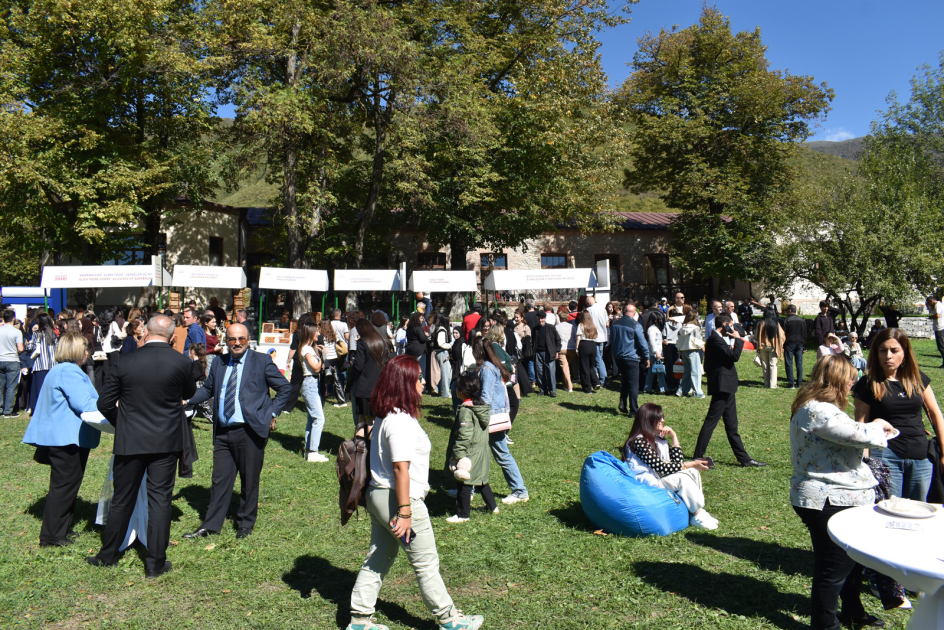
The “Yukhari Bash” State Historical-Architectural Reserve in Shaki was converted into a vibrant center for lovers of food and culture from across the world.
Under the theme “A Taste of Tradition”, Terra Madre Shaki, inspired by international gatherings, highlighted local and international gastronomy with a special focus on food biodiversity, sustainable production methods, and responsible tourism.
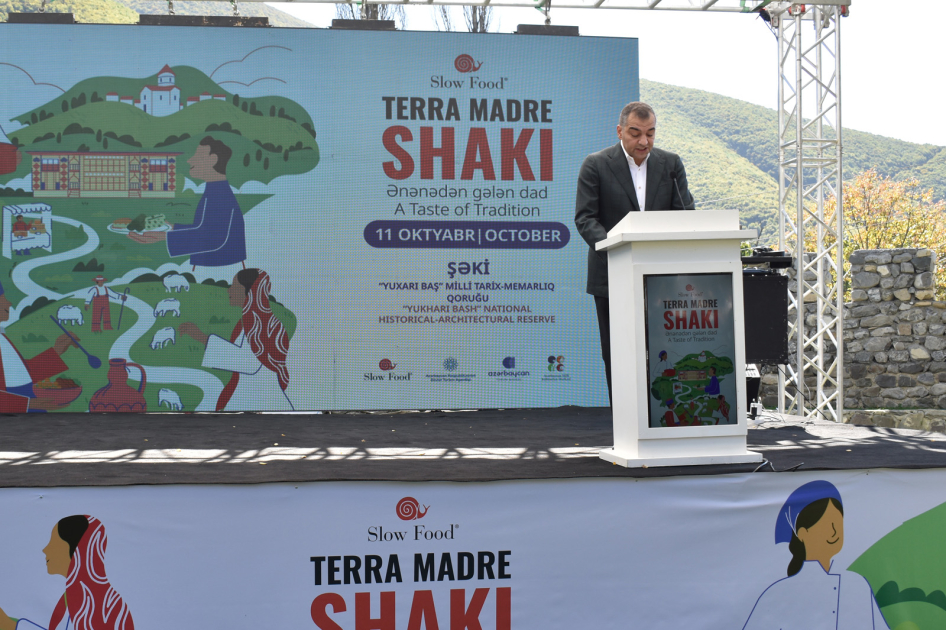
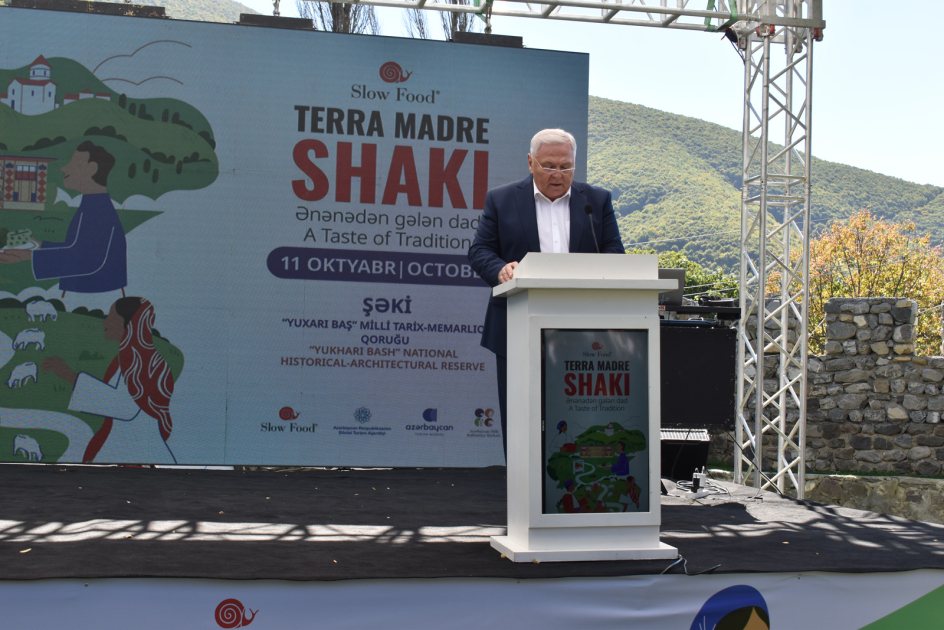
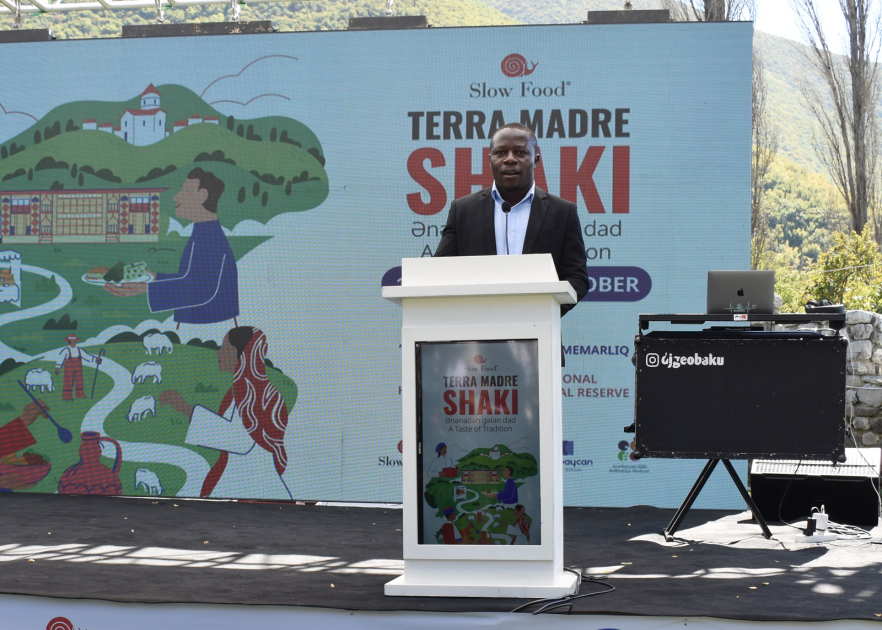
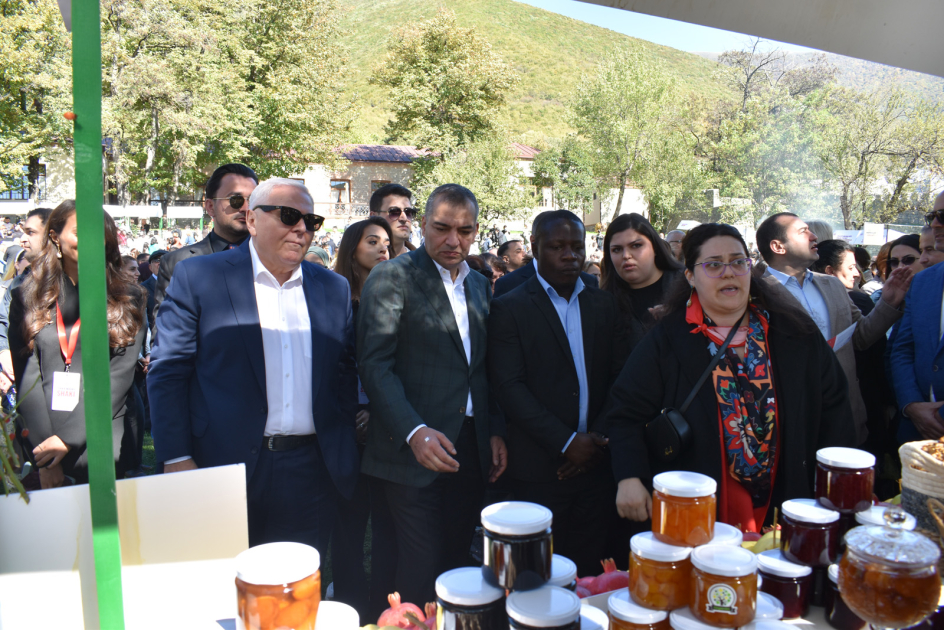
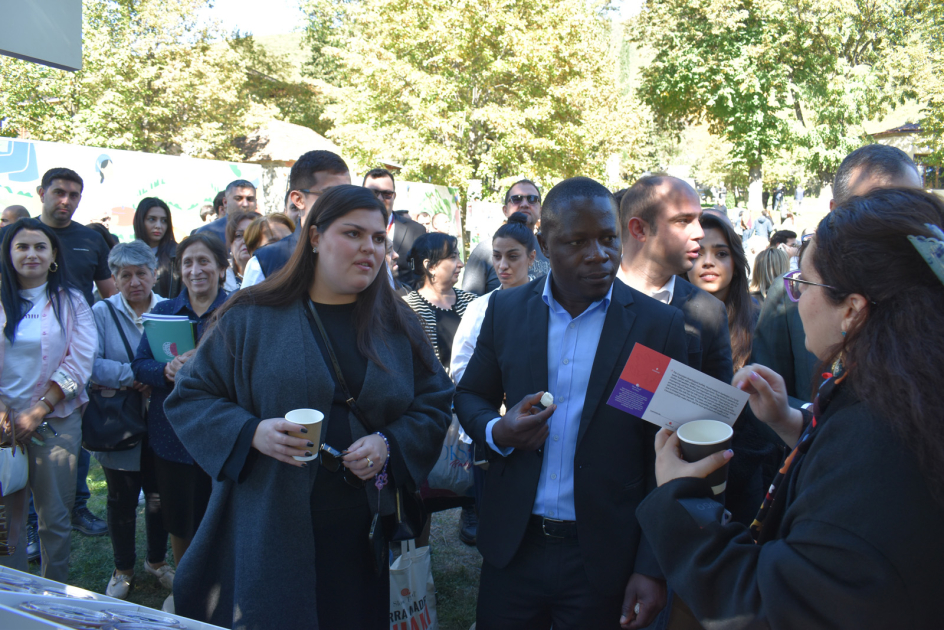
The festival’s opening ceremony was attended by several influential figures, including Fuad Naghiyev, Chairman of the State Tourism Agency, Elkhan Usubov, Head of the Shaki City Executive Authority, and Edward Mukiibi, President of Slow Food International. Their participation highlights the significance of the event not only for promoting Azerbaijan’s tourism industry but also for advancing global discussions on sustainable gastronomy and cultural preservation.
The Terra Madre Shaki festival offered a dynamic program of events, including forums, roundtable discussions, and a product fair, each designed to engage visitors with the diverse world of Azerbaijani food. These events provided a platform for local farmers, artisanal producers, and chefs to showcase their products and share their expertise in sustainable food practices.
The event showcased small-scale farmers and producers featured in “Ark of Taste”, offering visitors a unique opportunity to connect with those safeguarding traditional foods.
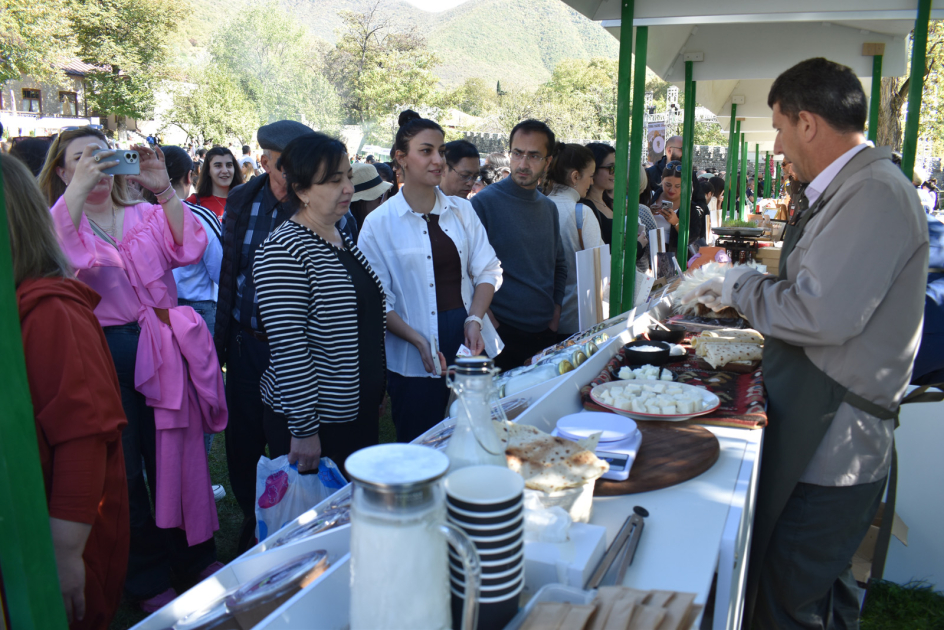
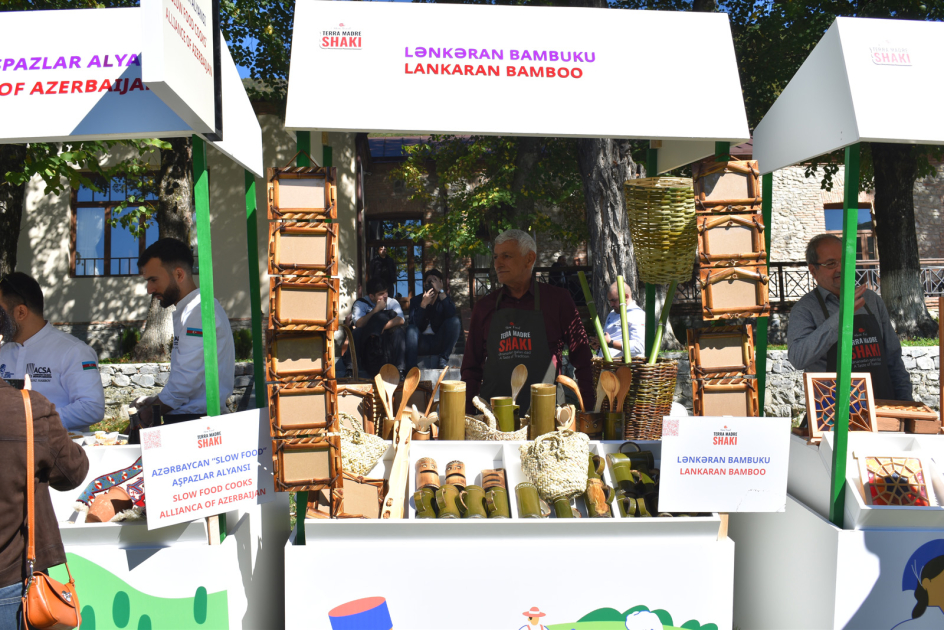
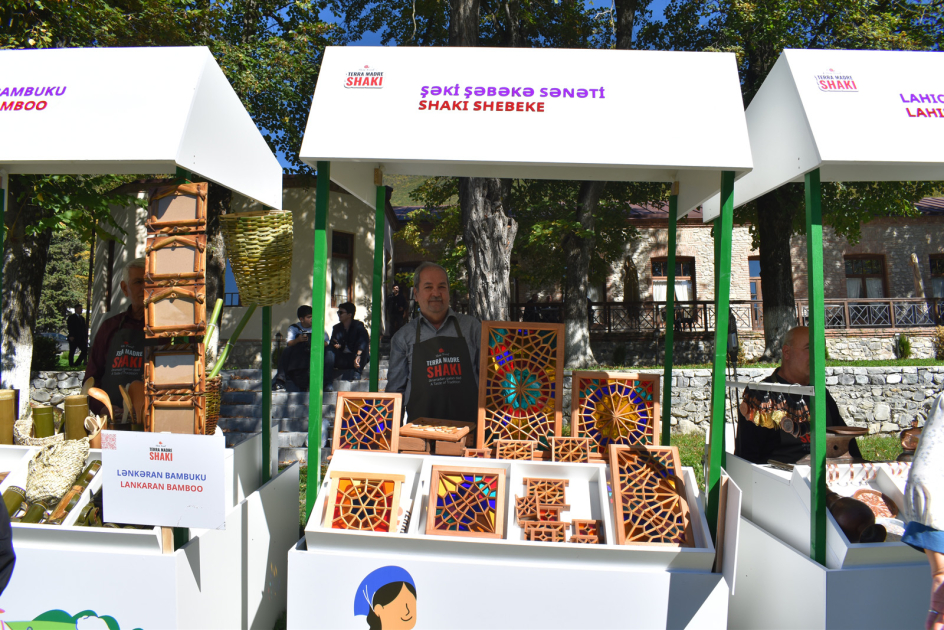
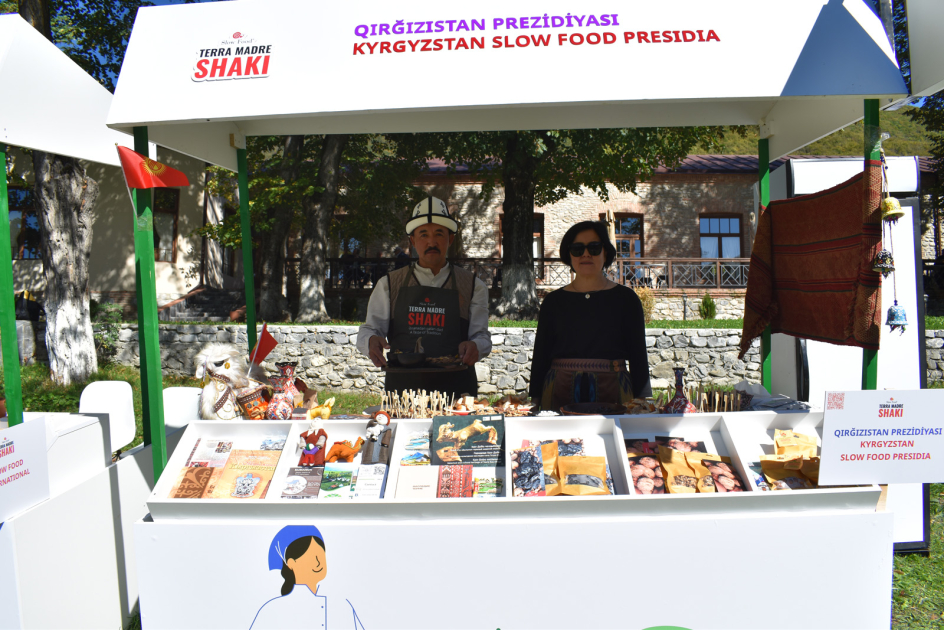
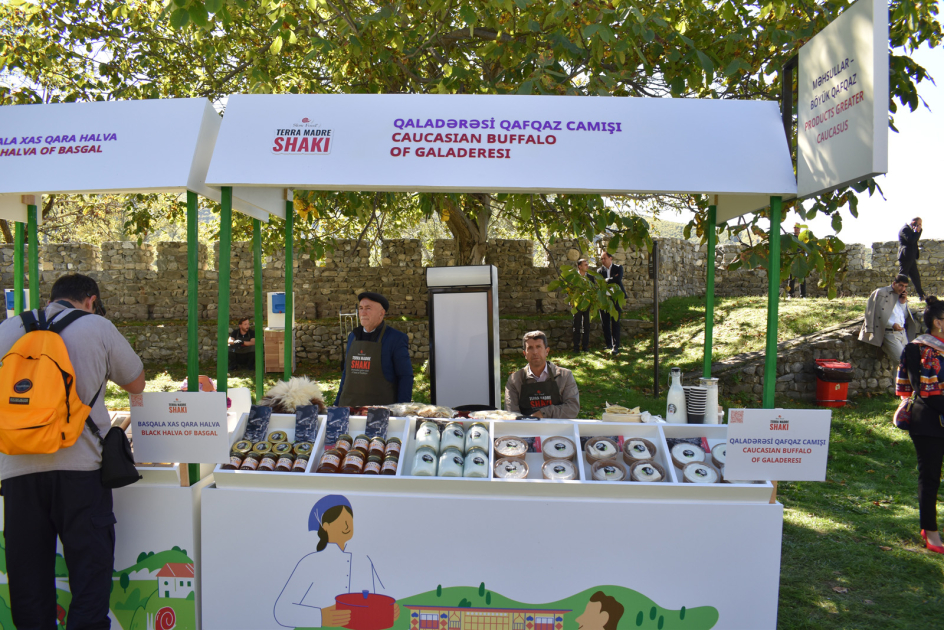
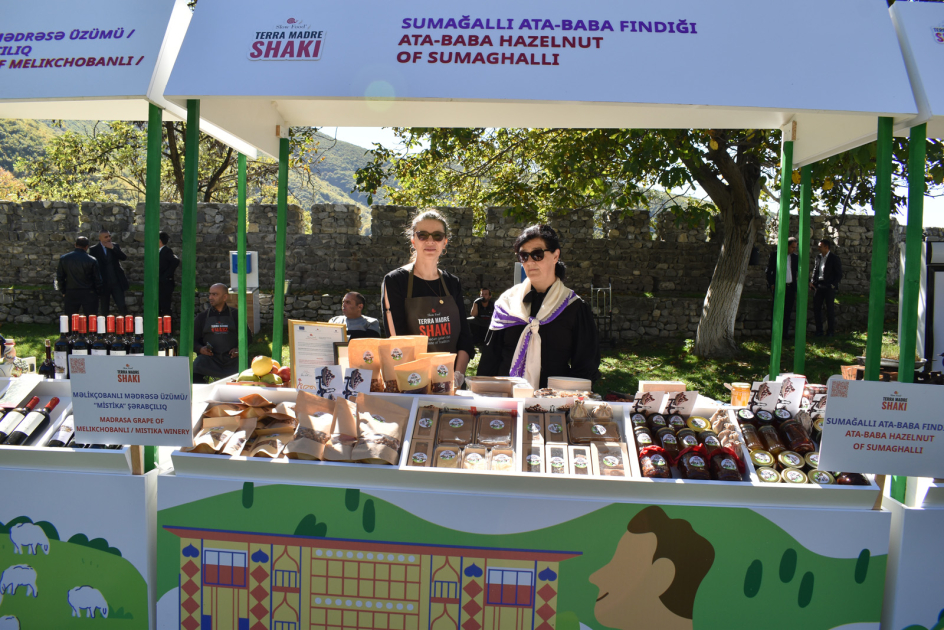
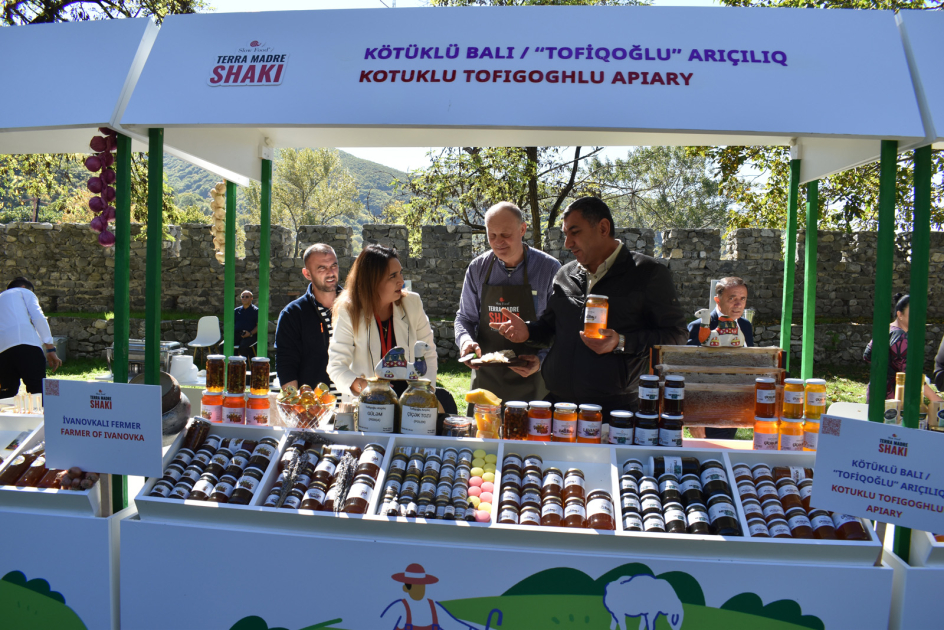
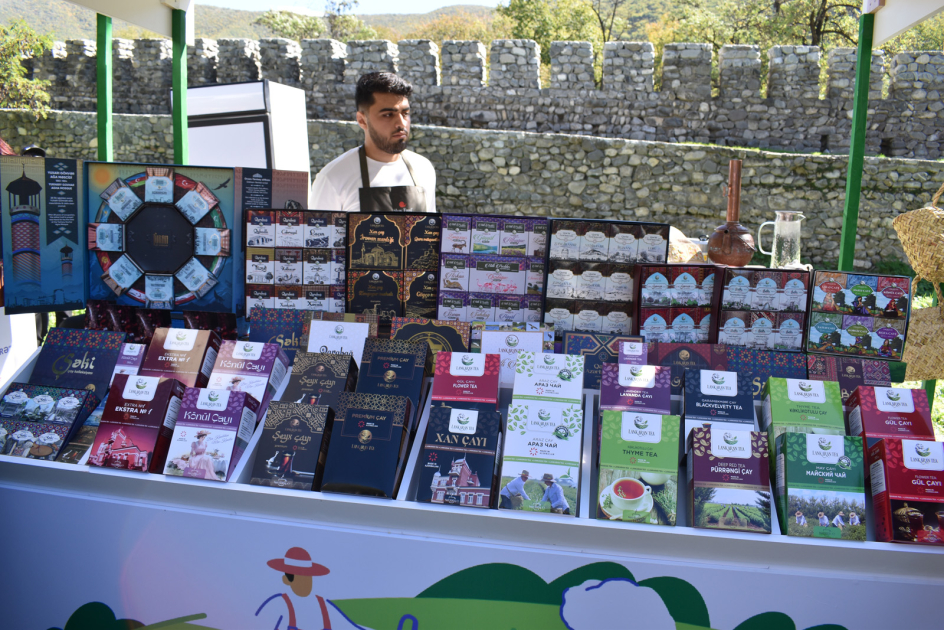
The product fair, which featured approximately 30 local producers and farmers, provided a unique opportunity for visitors to sample traditional Azerbaijani ingredients, such as fresh dairy products, handmade cheeses, fruits, and organic vegetables. The fair also allowed guests to purchase these locally-produced items, directly supporting the local agricultural economy.
In addition to the product fair, the festival offered a variety of master classes and tasting sessions led by prominent Azerbaijani chefs and food experts. These interactive events gave participants the chance to explore traditional cooking techniques and learn how to create authentic Azerbaijani dishes using locally sourced ingredients.
The master classes provided invaluable insight into the intricacies of Azerbaijani cuisine, with chefs demonstrating the preparation of signature dishes such as pilaf, kebab, and dolma. These experiences highlighted the importance of preserving traditional food culture while embracing modern cooking techniques, allowing guests to connect with Azerbaijan’s gastronomic identity in a hands-on way.
The festival served as a platform for discussing eco-tourism and how tourism can be used to promote sustainable farming and local food systems. The discussions highlighted how traditional farming methods and local food production contribute to both economic development and environmental conservation in Azerbaijan’s rural areas.
One of the central themes of the Terra Madre Sheki festival was the promotion of sustainable food practices. In alignment with the principles of Slow Food International, the event placed a strong emphasis on environmentally responsible food production, ethical sourcing, and the preservation of local agricultural traditions.
Terra Madre Shaki represents a new phase in an ongoing journey, where years of collaboration and initiatives come together in one vibrant event. By supporting rural communities, protecting local products, and celebrating culinary traditions, it places Azerbaijan’s unique food culture on the international stage while reinforcing Slow Food’s mission.
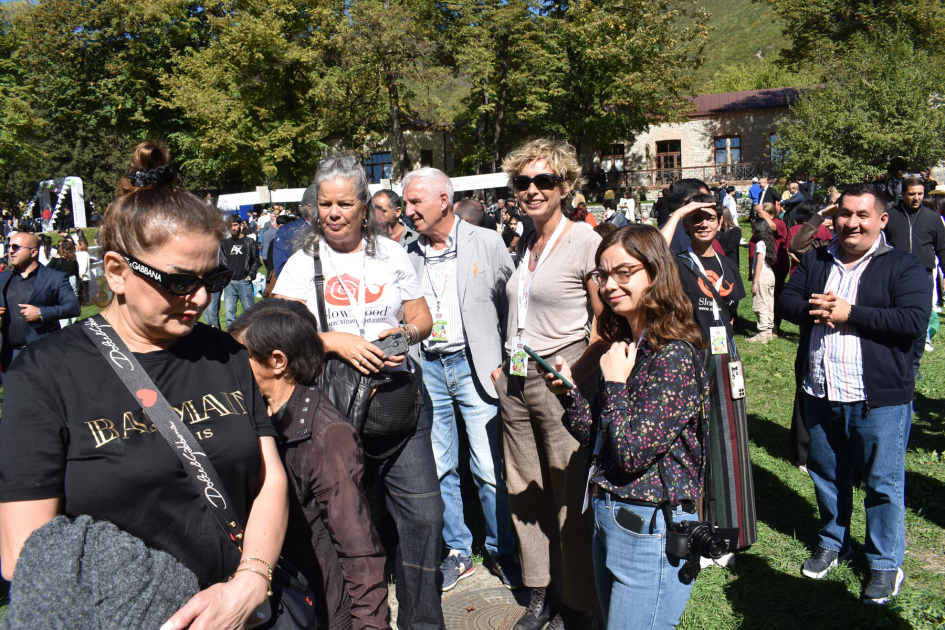
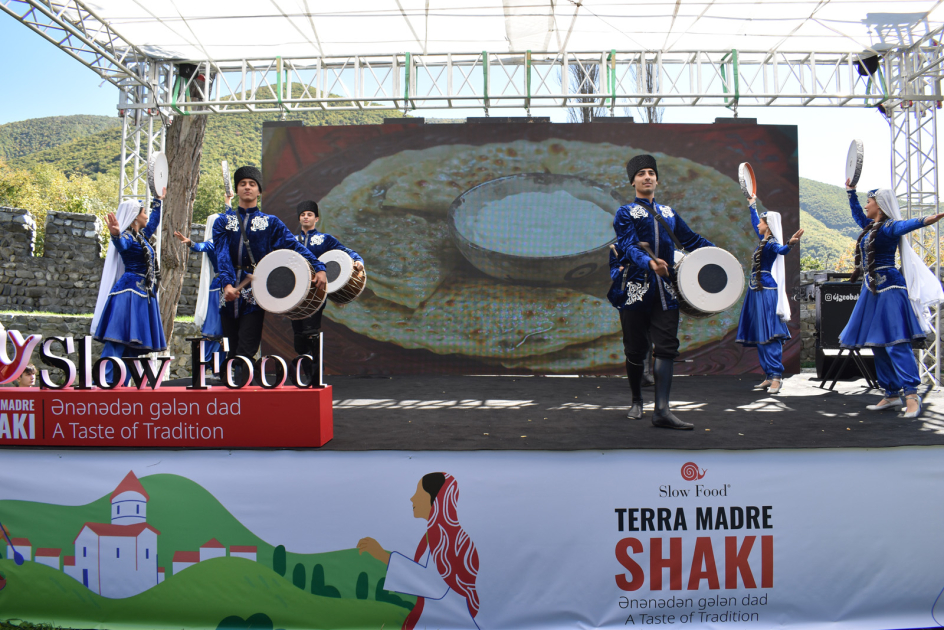
Festival participants were captivated by the vibrant artistic program, which featured performances by musicians, folklore ensembles, and local artists.
Other news in this section


