“Baku” bus stop in Norway: A memorial to Baku oil – SPECIAL VIDEO
Stockholm, September 17, Nargiz Jafarli, AZERTAC
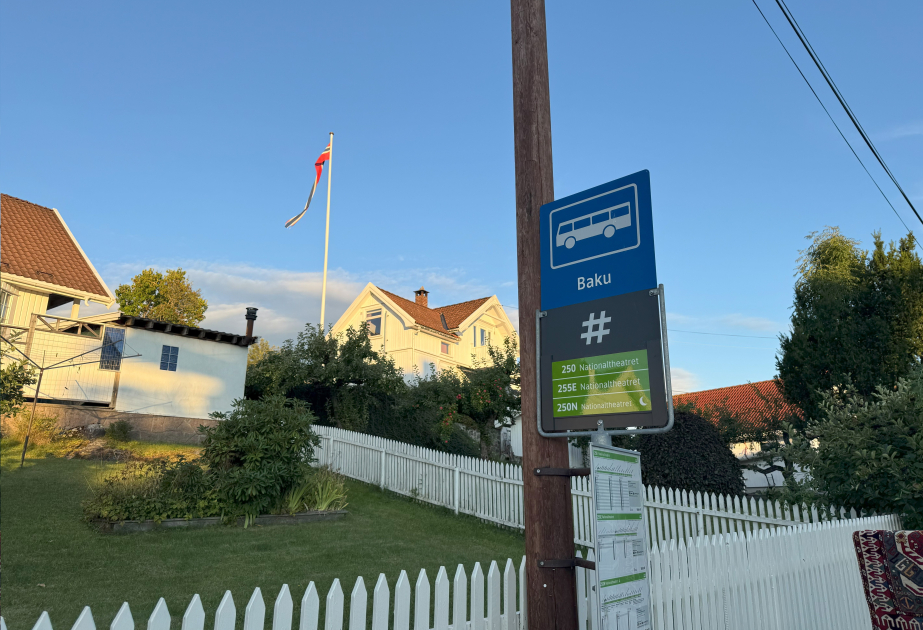
Recently, Shervin Najafpour, President of the “CAN” Norway-Azerbaijan organization and a resident of Norway, shared a peculiar fact with me. In Nærsnes town, Asker municipality near Oslo, there is an unusual feature for a Scandinavian country - a bus stop named Baku and an adjacent plot of land.
Curiosity prevailed, and she decided to inquire from local residents about why the stop is named after Azerbaijan’s capital.
According to local residents’ assumptions, this name likely originated in the 1940s-1950s due to the initiative of the owner of a nearby plant that received strategic fuel supplies from Baku.
To verify these facts, Shervin Najafpour and I contacted Nærsnes residents Arne Murvang and Rune Hartvig Pettersen, who are members of the local historical society “Røyken.” Rune Pettersen is also the director of the “Fro-ga-mo” car dealership.
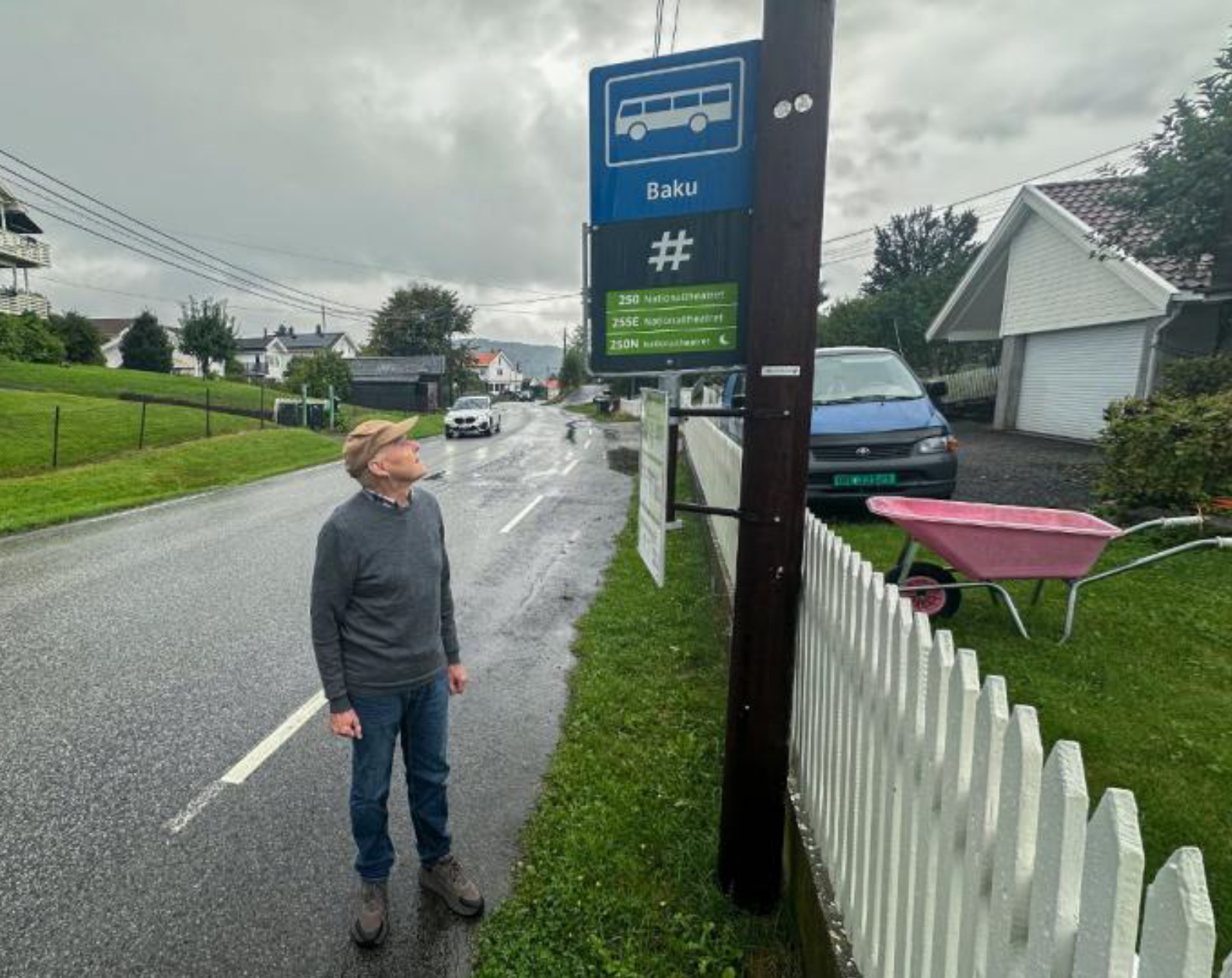
Arne Murvang: Information about the stop is scarce, but the origin of the name is clear. The “AS Bakubensin” company was founded in 1933 in Oslo by brothers Hartvig and Alf Monrad Petersen. At that time, they were already engaged in car sales, had a repair workshop, and owned a “Fro-Ga-Mo” (Frogner-Garasje-Motor AS) gas station. In 1935, the brothers received permission to establish an oil import facility in Nærsnes. Initially, oil and gasoline came from Baku, later expanding under the “Gulf” brand.
Rune Pettersen: The complex had three reservoirs with a total capacity of 6,000 tons of fuel and ensured regular deliveries to Gulf stations using its own tanker trucks.
Before World War II, “AS Bakubensin” employed four drivers and two staff directly at the facility. During the war years, a German guard post was stationed there, with orders to fire at any ship approaching within 100 meters of the shore. Residents were also advised to stay as far as possible from the facility and the dry side.
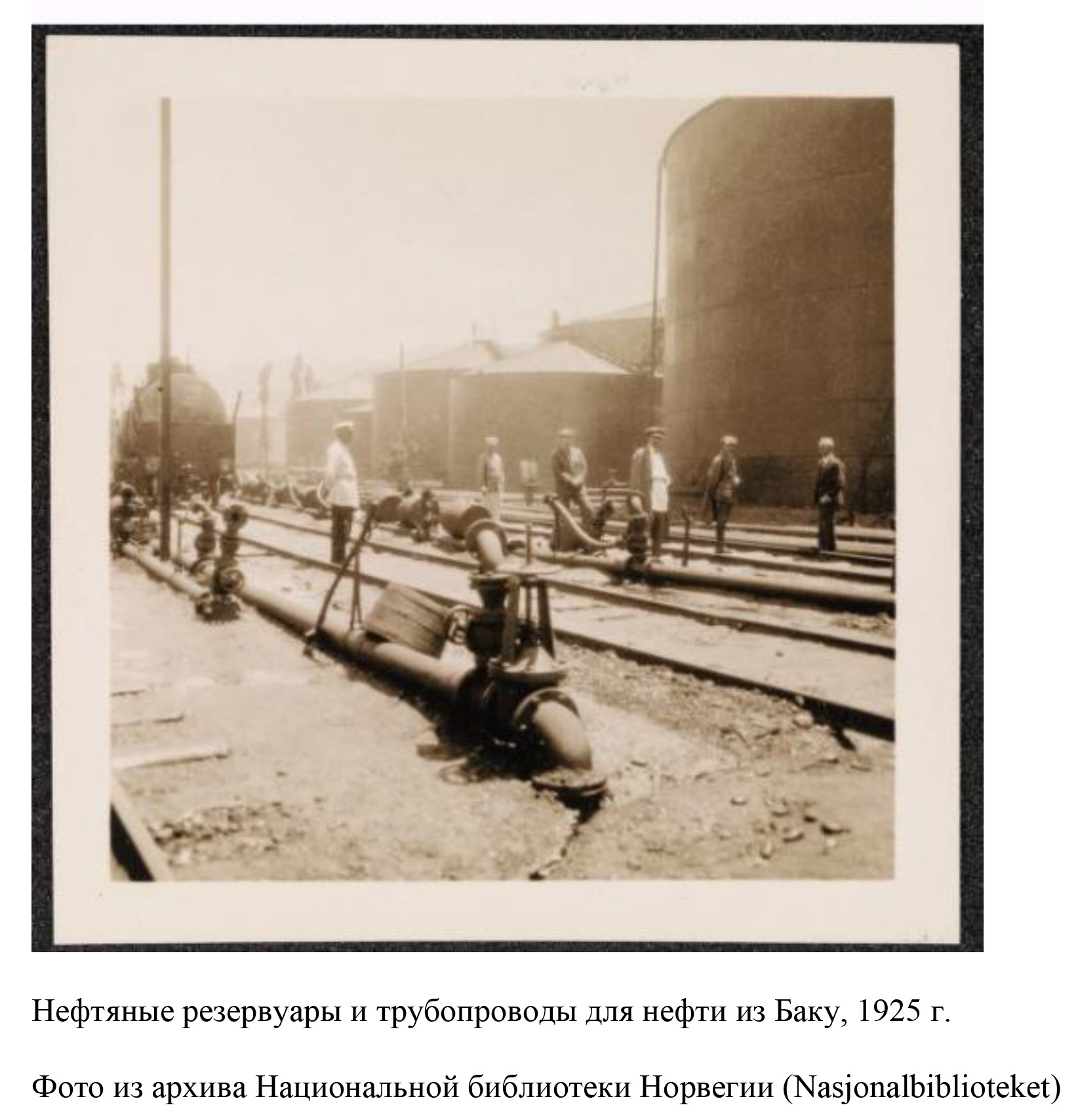
Arne Murvang: Information about the stop is scarce, but the origin of the name is clear. The “AS Bakubensin” company was founded in 1933 in Oslo by brothers Hartvig and Alf Monrad Petersen. At that time, they were already engaged in car sales, had a repair workshop, and owned a “Fro-Ga-Mo” (Frogner-Garasje-Motor AS) gas station. In 1935, the brothers received permission to establish an oil import facility in Nærsnes. Initially, oil and gasoline came from Baku, later expanding under the “Gulf” brand.
Rune Pettersen: The complex had three reservoirs with a total capacity of 6,000 tons of fuel and ensured regular deliveries to Gulf stations using its own tanker trucks.
Before World War II, “AS Bakubensin” employed four drivers and two staff directly at the facility. During the war years, a German guard post was stationed there, with orders to fire at any ship approaching within 100 meters of the shore. Residents were also advised to stay as far as possible from the facility and the dry side.
Arne Murvang: The largest ship to unload fuel here was the approximately 20,000-ton “MT Norsk Viking” tanker that arrived in the port in 1963. Its length was about 200 meters. Tankers usually required tugboat assistance. The approach was designed for hoses only 8-10 meters wide and not intended for side berthing.
Tankers approached with their bow facing north. From the front, lanyards were used, and from the rear, the “Baku buoy” (Bakubøya) and lines were employed. These reinforcements can still be seen today. Lines were brought by boat from Nærsnes and pulled to the shore.
Rune Pettersen: The “AS Bakubensin” company ceased operations in 1969, after which the facility continued under the “Gulf” brand. In 1978, “Norske Shell” acquired “Gulf,” and soon the facility briefly came under “Fina” company ownership before fully closing in the 1980s.
Today, the reservoirs have been dismantled, and the land is privately owned. The garage building is used as a warehouse. Thus, the name Baku is linked to the Baku oil imported to this terminal and later distributed under the Gulf brand.
From conversations with Arne Murvang and Rune Pettersen, it is evident that no oil supplies reached Norway during the World War II years. This name reflects the pre-war oil supplies from the Baku fields, known in Scandinavia as “Baku-Ölje” in the 1920s-1930s. This oil, among others, was used for German military equipment and navy. With Germany’s invasion of the USSR, all supplies were halted, and Norway, under German occupation from 1940, served as a fuel depot, no longer receiving Baku oil.
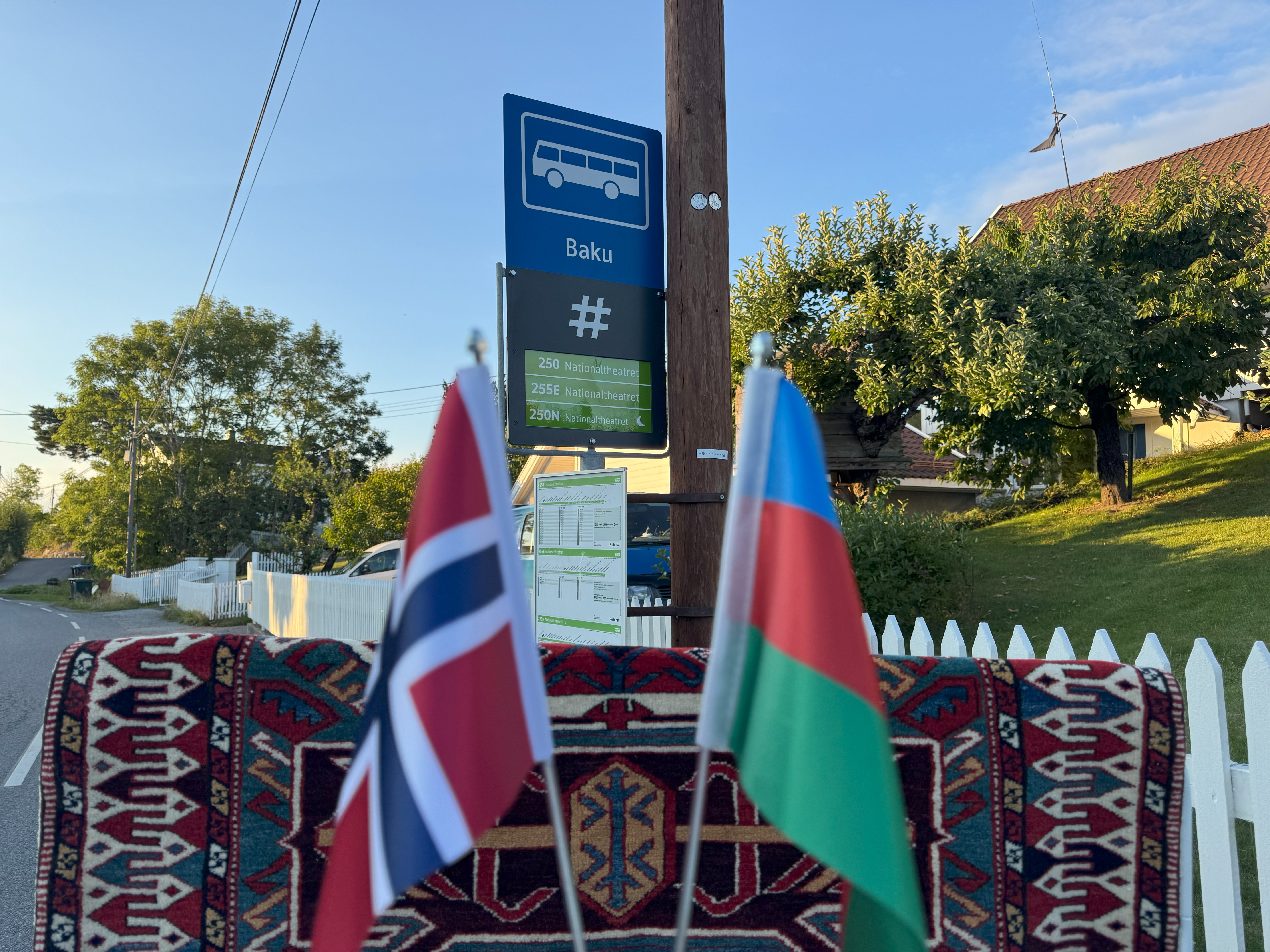
Today, the Baku bus stop is not just a point on the map but a small yet significant symbol of historical memory.
It is hoped that soon, an information plaque will be installed near the Baku bus stop as a reminder for current and future generations about the unbreakable historical ties connecting Norway and Azerbaijan.

Other news in this section


