Traces of the past carved in limestone walls – Narimankend Caves VIDEO

Gobustan, October 9, AZERTAC
The next feature in AZERTAC’s “If I Were a Tourist” column highlights the Narimankend Caves in Gobustan.
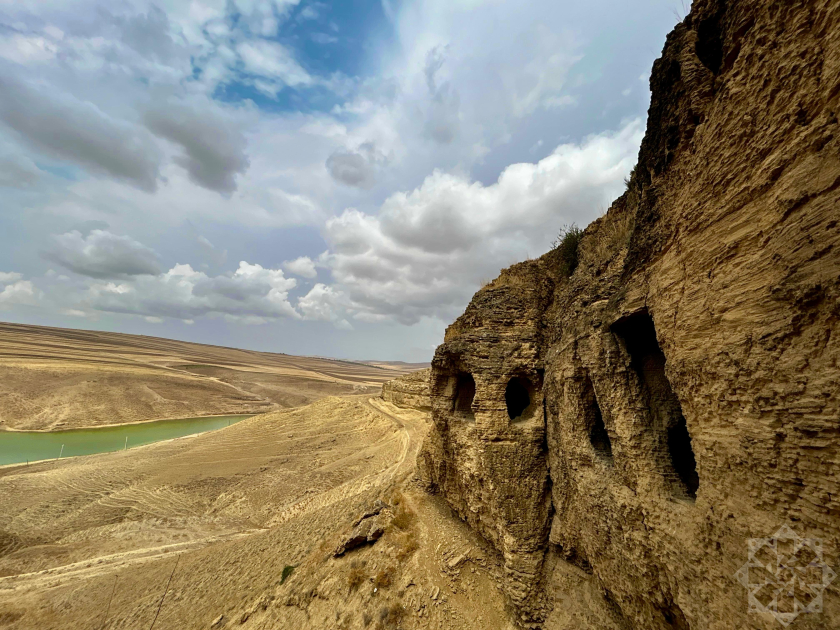
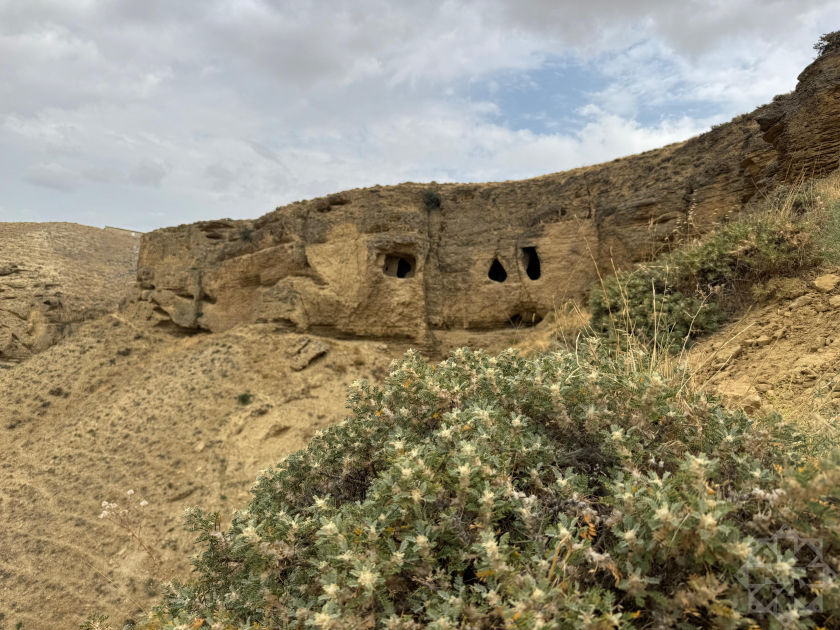
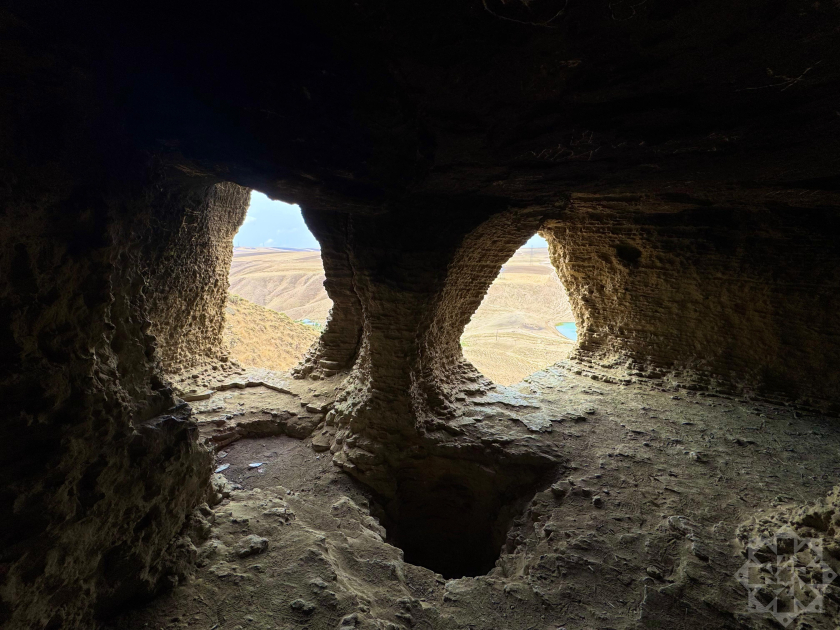
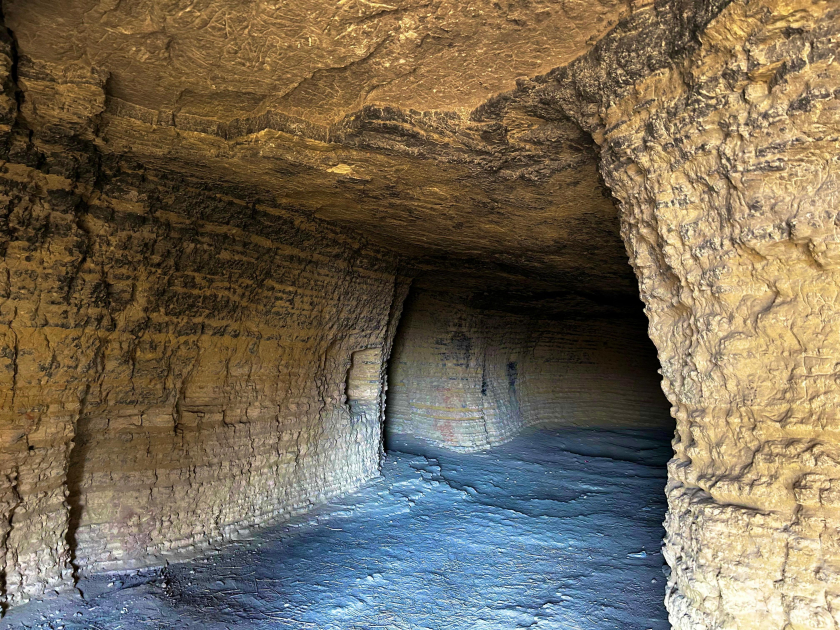
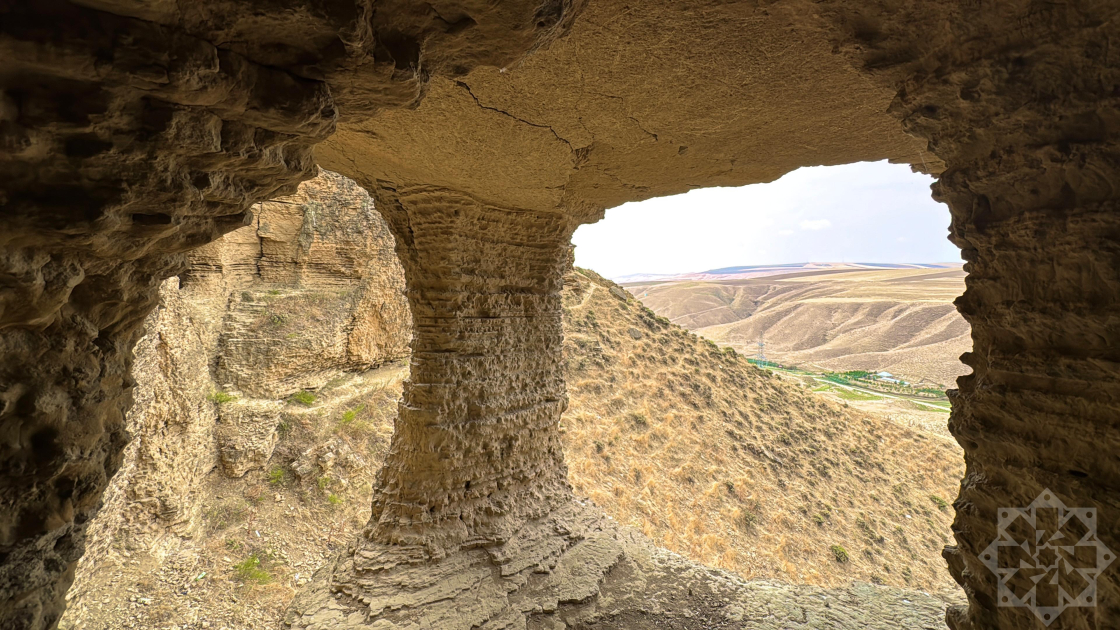
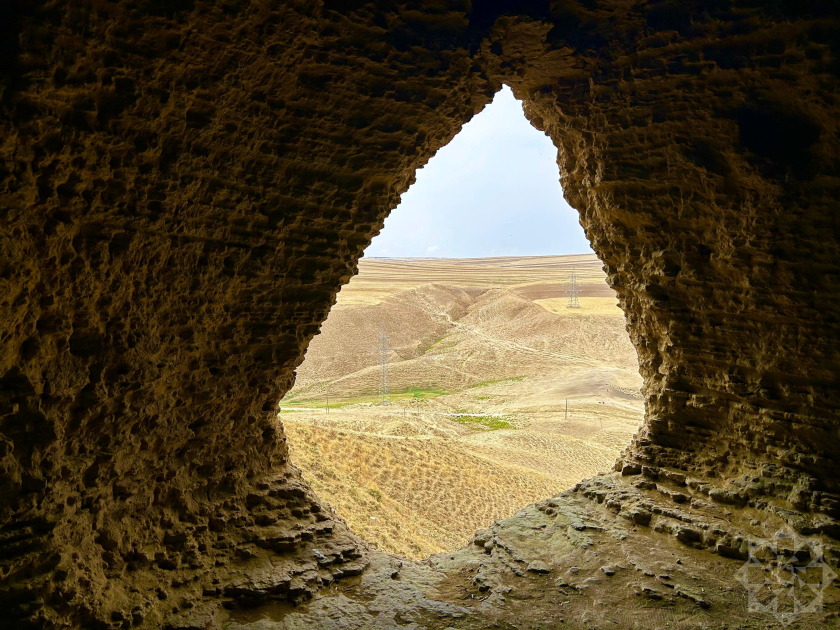
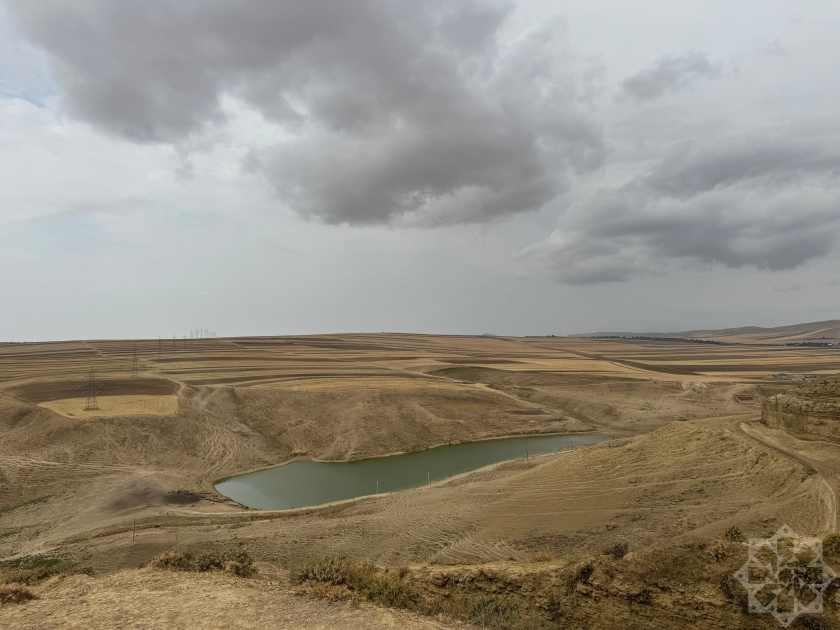
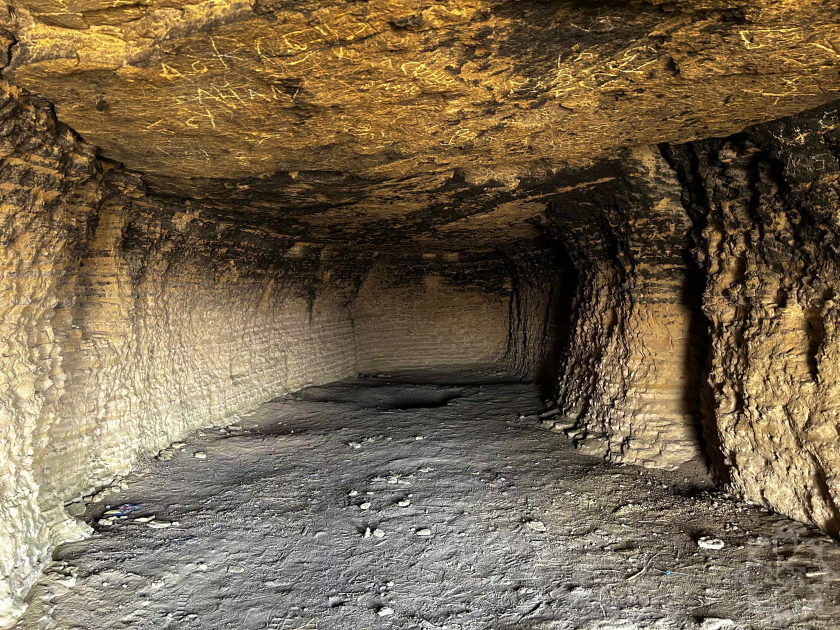
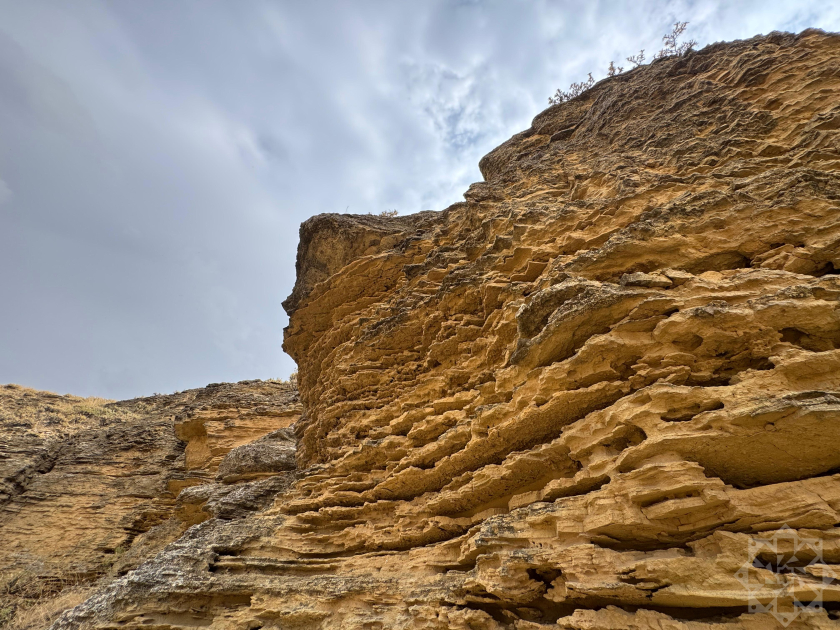
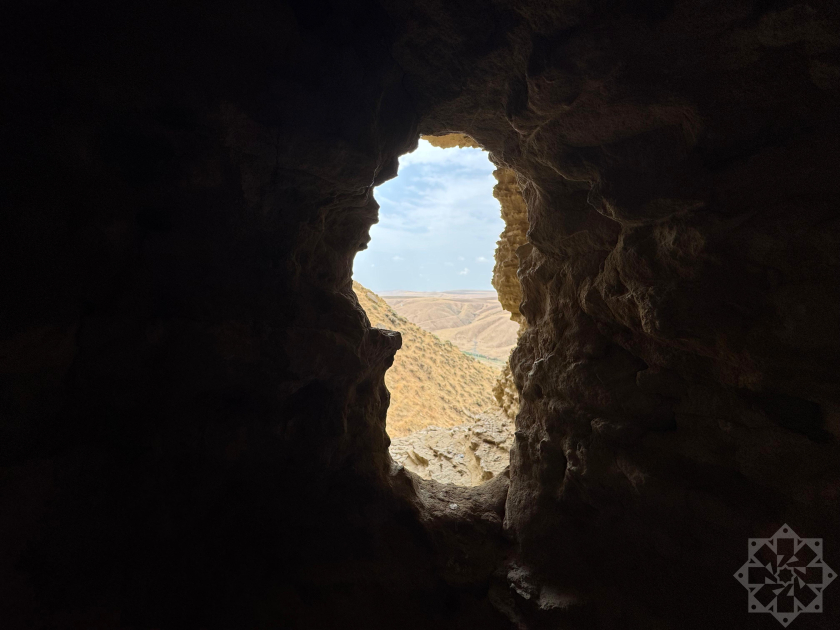
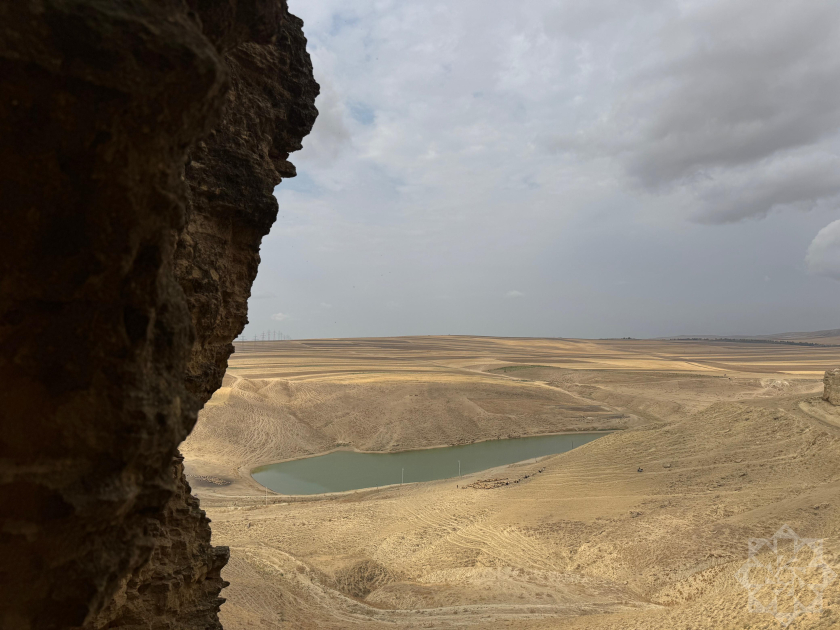
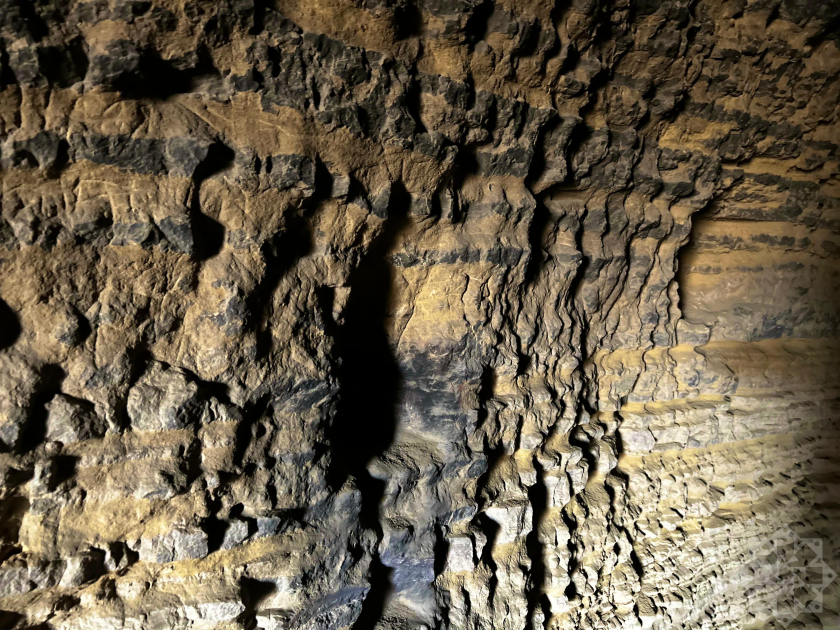
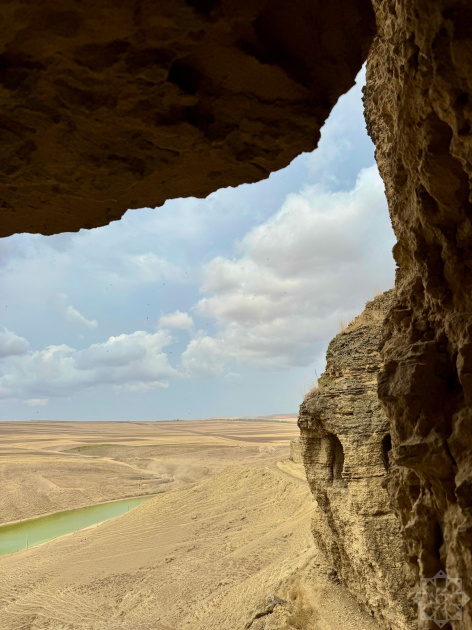
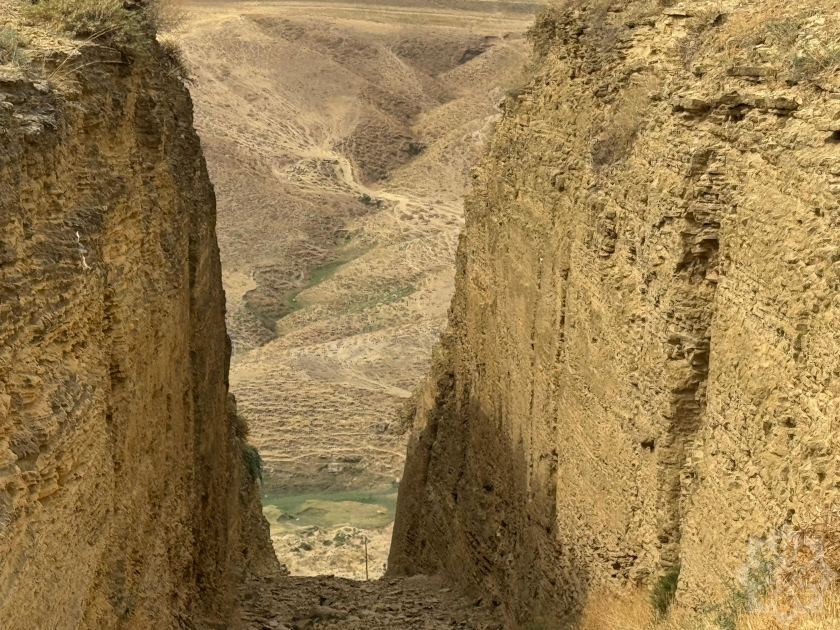
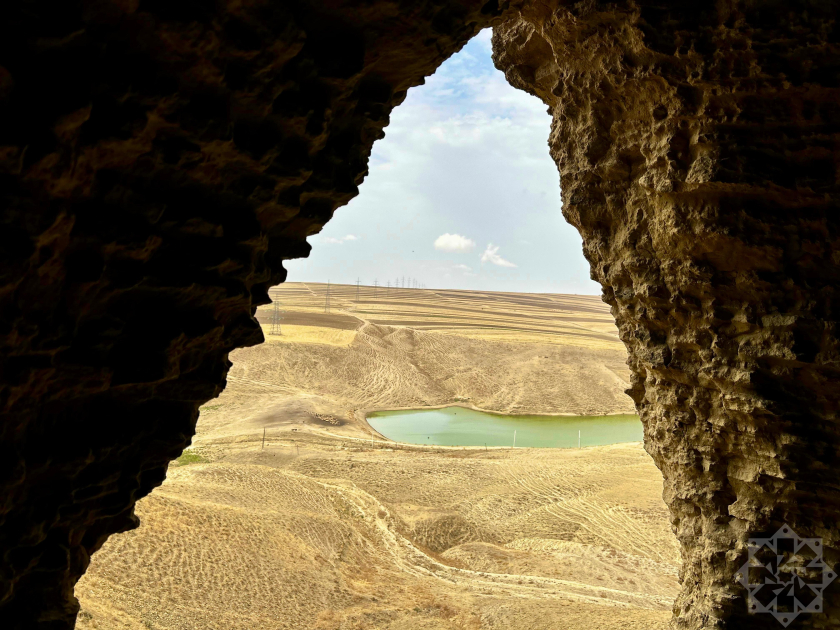
Narimankend Caves are located in the village of Narimankend, Gobustan district, on the left bank of the Zangi River. Totally, there are three caves located in the area: called “Prophet”, “Garanlig” (Darkness) and “Gosha” (Twin), each featuring three to four rooms, whose walls are formed carving limestone rocks.
According to one of the legends regarding the origin of the caves, ancient people may have lived here. According to a legend, the caves served as defensive fortifications, as well as a shelter for people. The most credible hypothesis is related to dervishes. It is believed that initially there were natural hollows, which later were adapted and expanded for spiritual exercises in solitude.
Local residents used the caves as shelters during the March-April massacres of 1918. Dashnak-Bolshevik forces burned down 198 of the 433 houses in the village, killing 295 people who did not manage to escape. The villagers, who were left helpless, took up arms and joined the struggle to defend their homeland by placing their children, women, and elderly people in the caves. In short, these caves came to the aid of the villagers during the Armenian attacks in 1918.
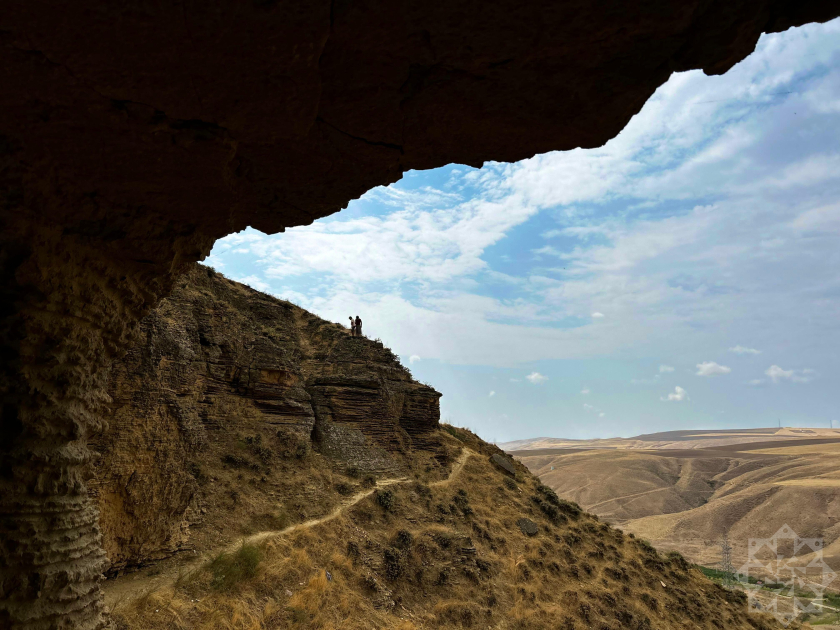
Today, the caves and surrounding landscapes form a magnificent unity of both natural beauty and historical mystery, attracting both history buffs and researchers.

Other news in this section


