Sights of Shusha: Khurshidbanu Natavan’s House, “Khan Gizi” Spring and Garden VIDEO

Shusha, November 6, AZERTAC
AZERTAC’s “If I Were a Tourist” series: Khurshidbanu Natavan’s House, “Khan Gizi” Spring and “Khan Gizi Garden”
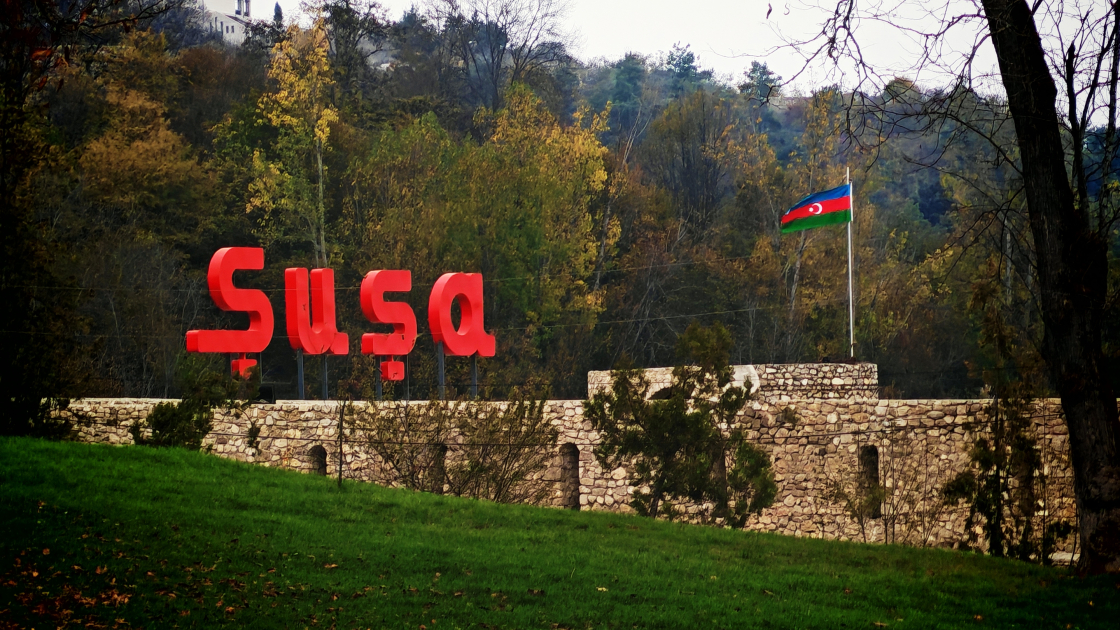
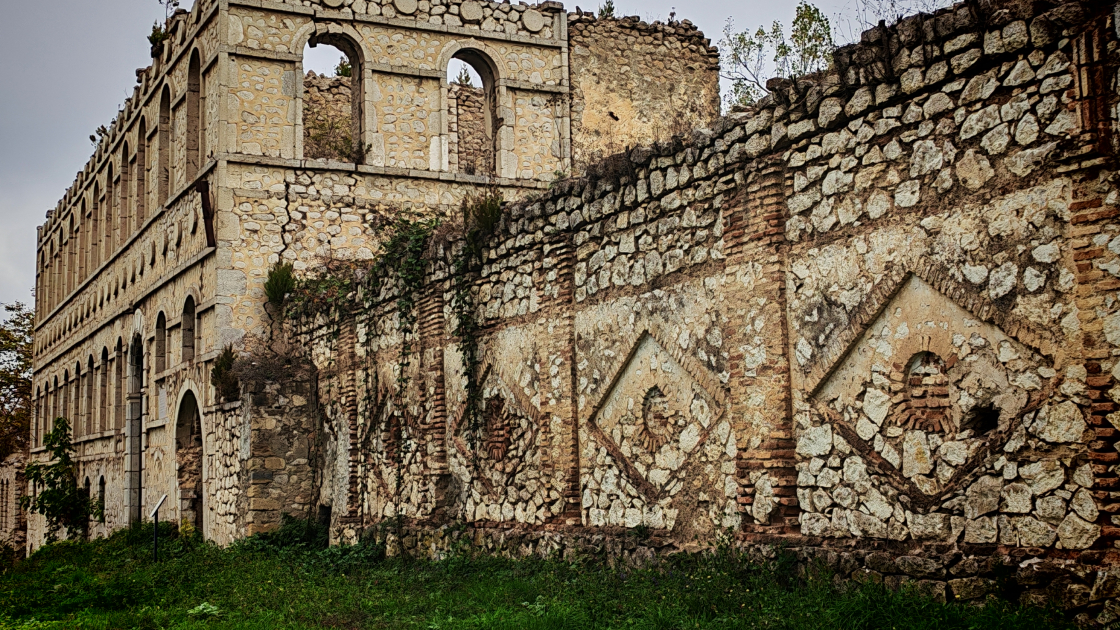
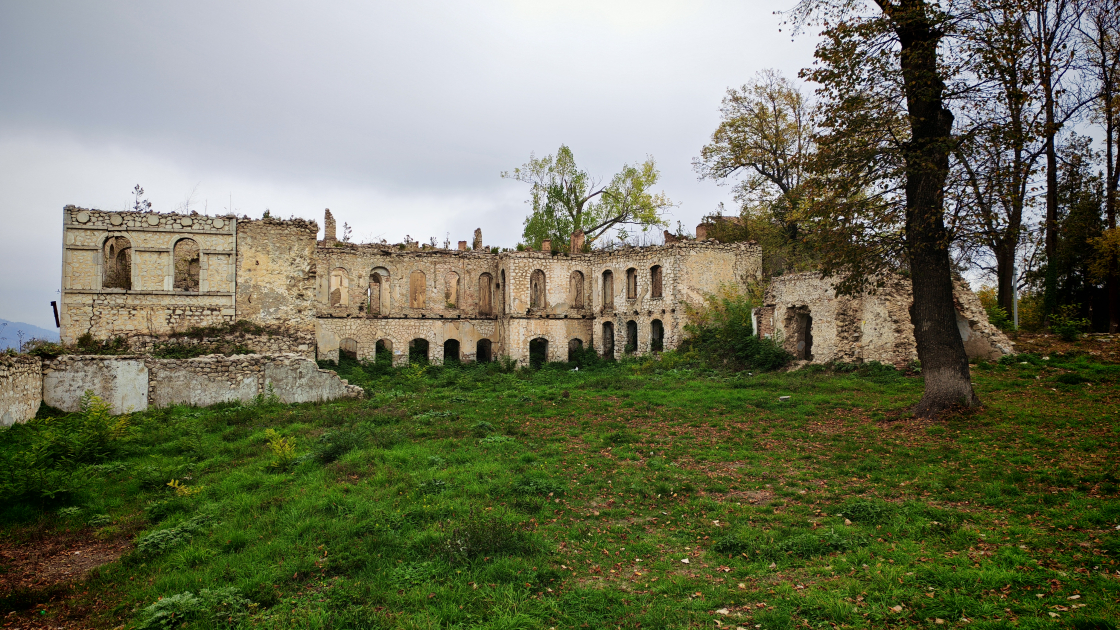
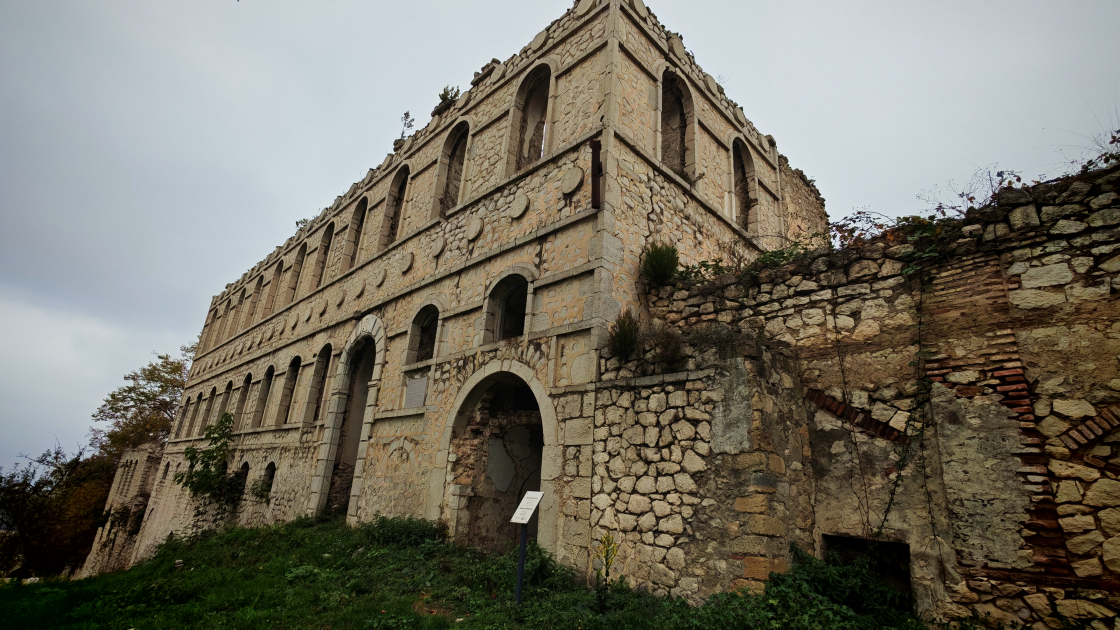
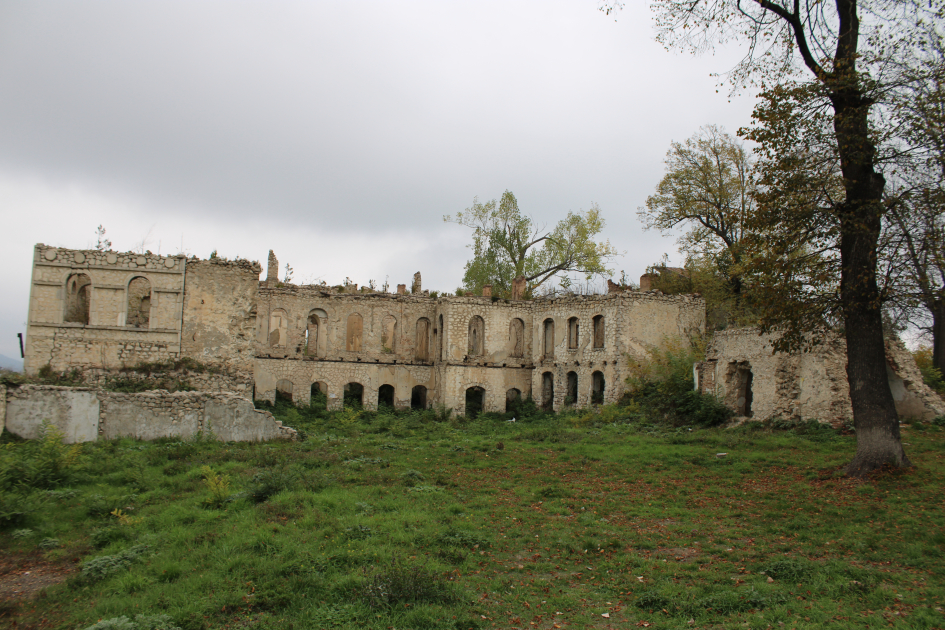
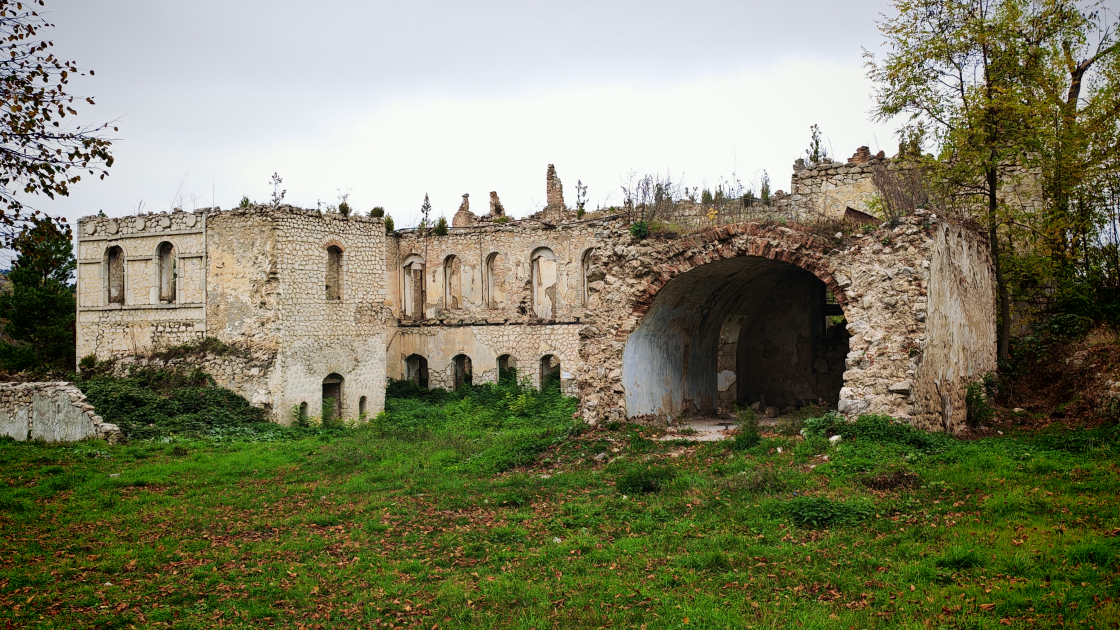
One of the most visited sites by tourists in Shusha, a historic cultural center of Azerbaijan, is the estate of Khurshidbanu Natavan—poetess and daughter of Mehdiqulu Khan Javanshir, the last ruler of Karabakh—comprising her 19th-century two-story brick-and-river-stone house, the “Khan Gizi” Spring, and the “Khan Gizi Garden.”
The house once hosted Azerbaijan’s first children’s music school in the early 1930s. Following major restoration in 1987, it became the Karabakh branch of the Nizami Ganjavi National Museum of Azerbaijani Literature under Natavan’s name. After Shusha’s occupation by Armenian armed forces on May 8, 1992, the palace complex was heavily damaged, and its priceless collection—rare artworks, paintings, carpets, miniatures, memorabilia, and archaeological artifacts—was looted.
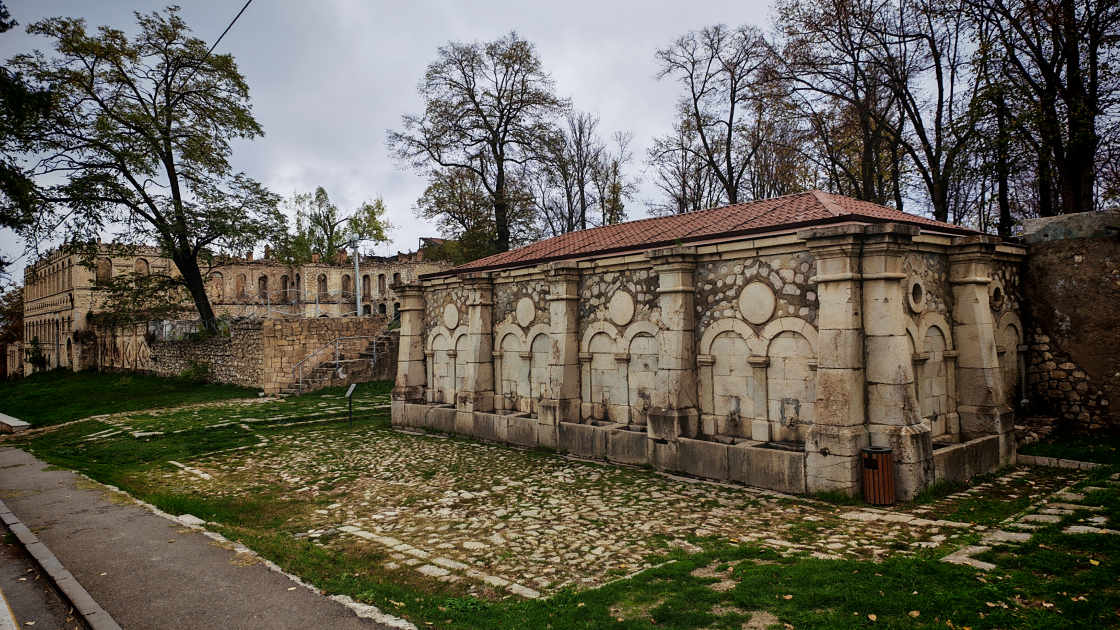
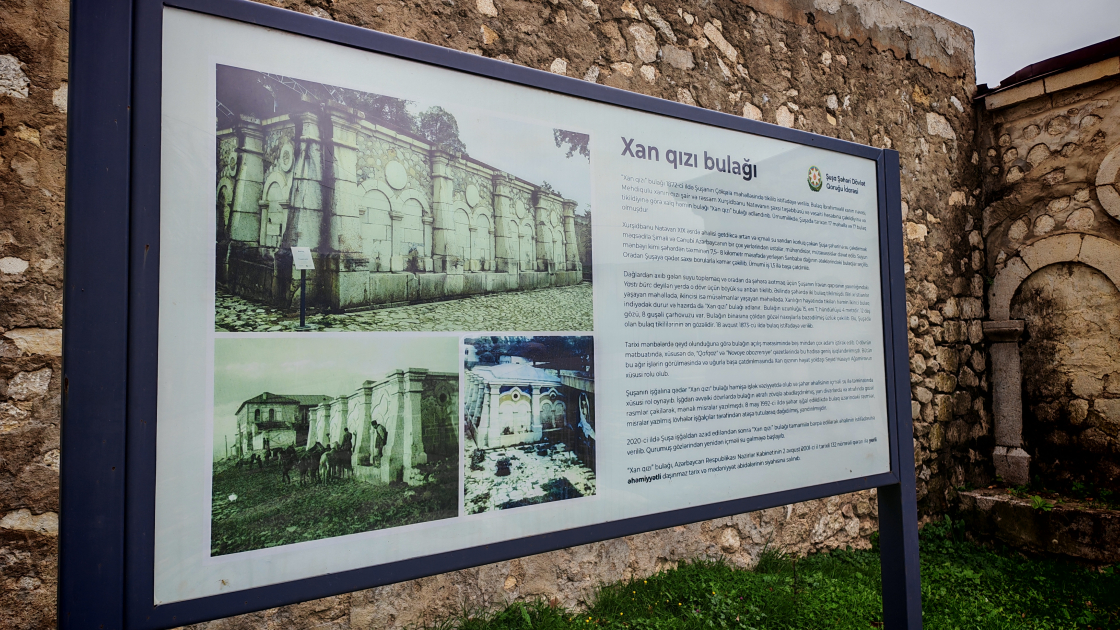
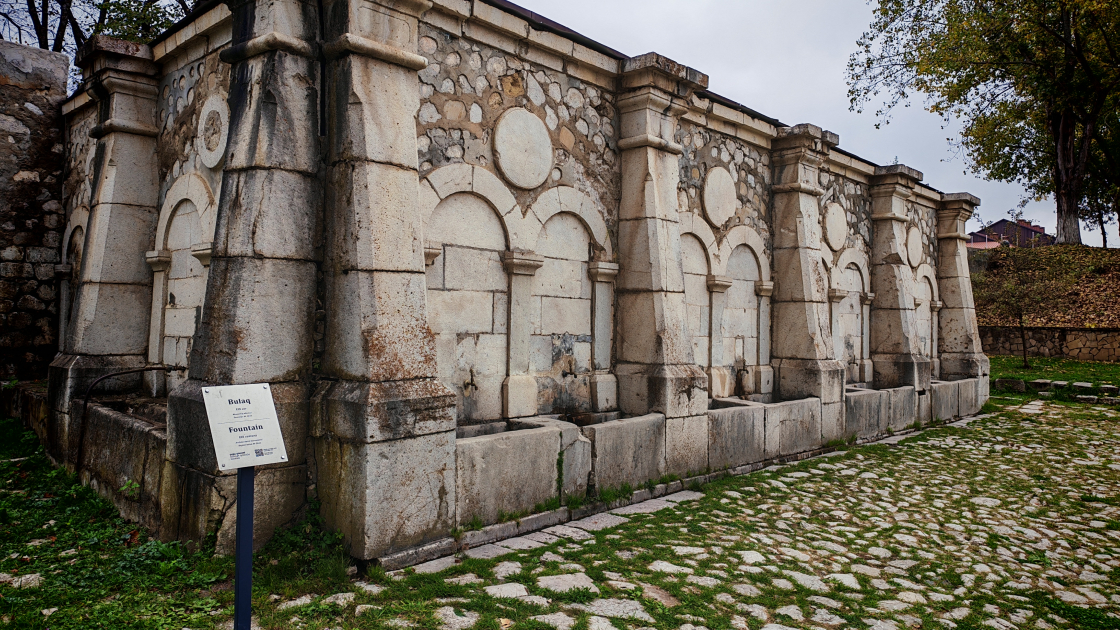
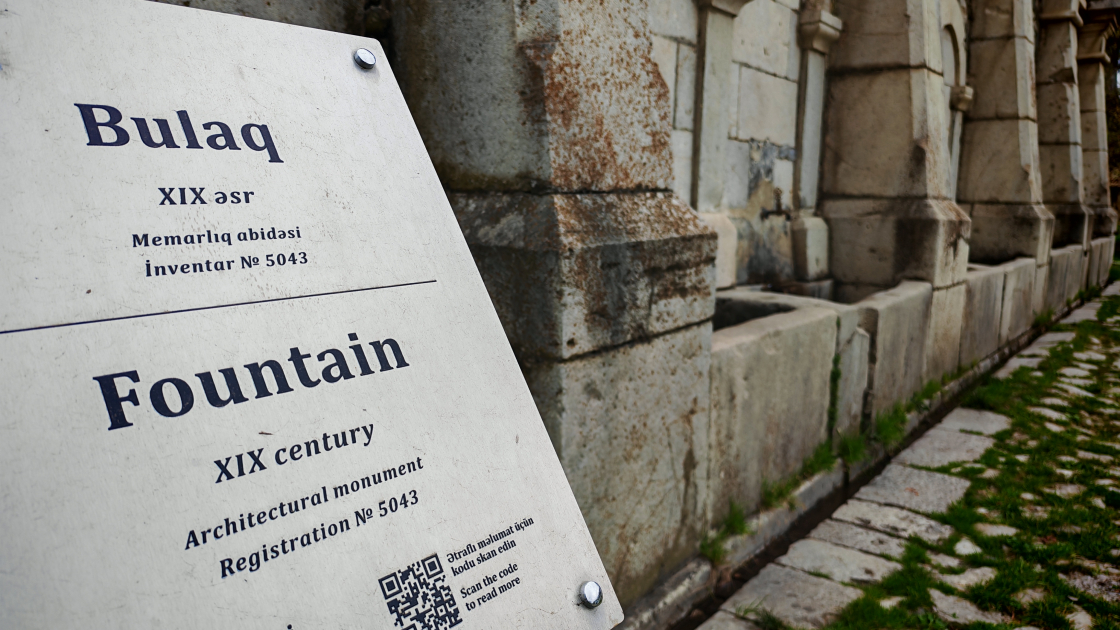
The “Khan Gizi” Spring, built in 1873 with Natavan’s funding using clay pipes to channel water from surrounding mountains, was also damaged and cut off during the occupation. It has since been fully restored following Shusha’s liberation.
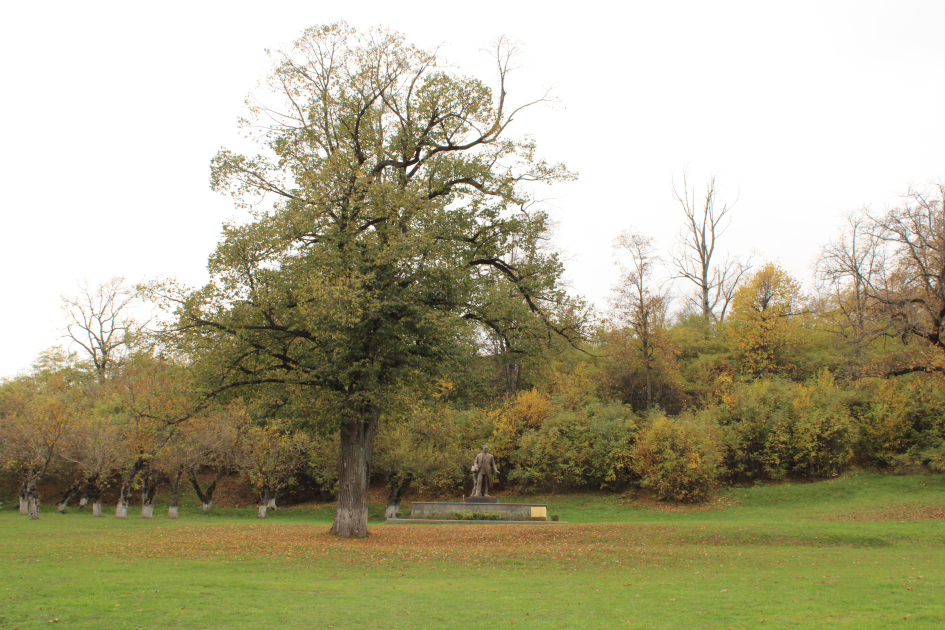
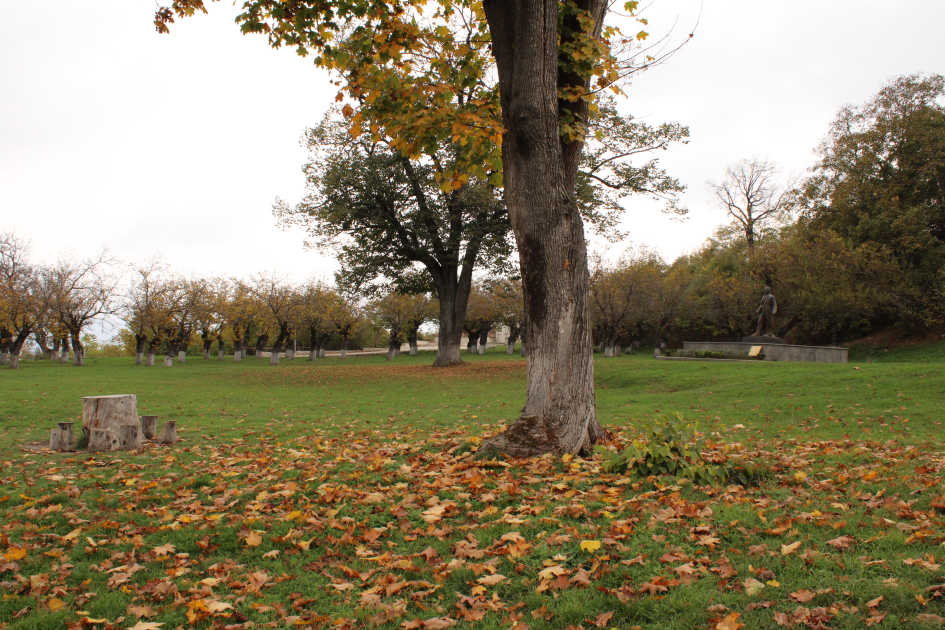
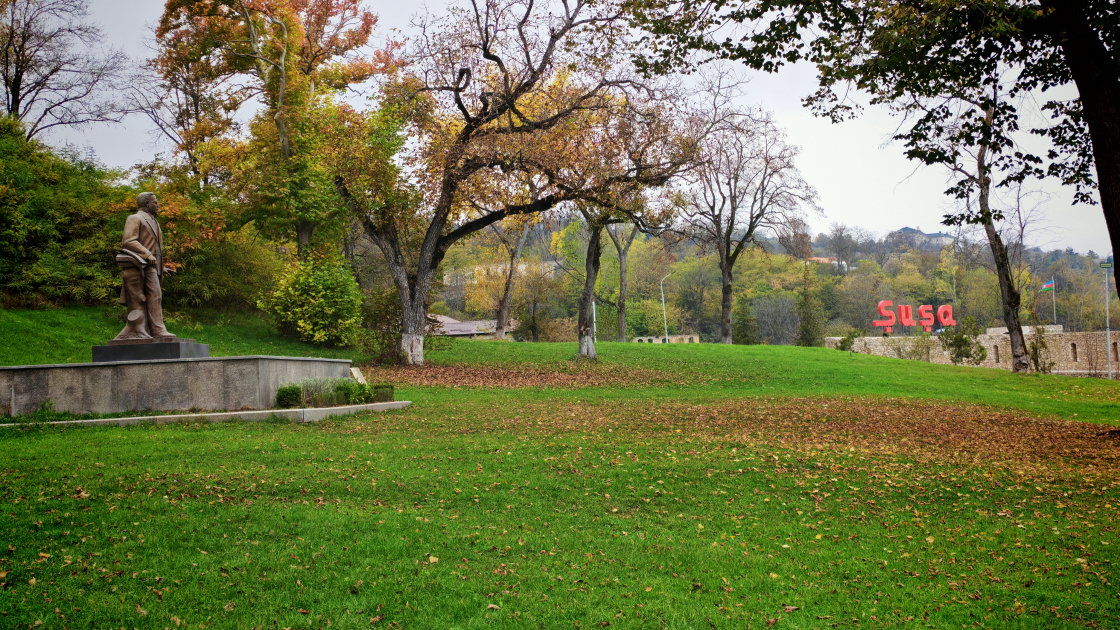
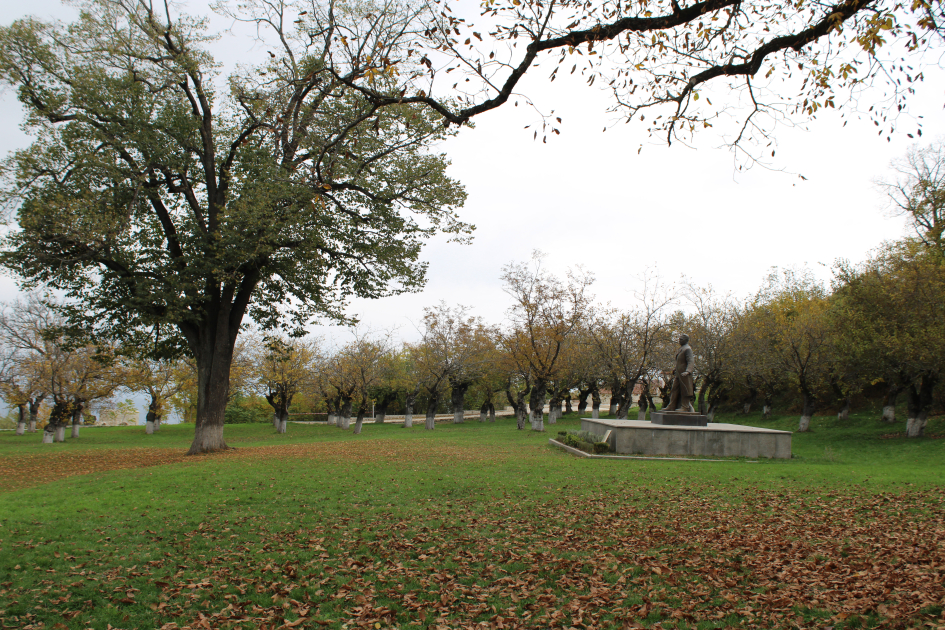
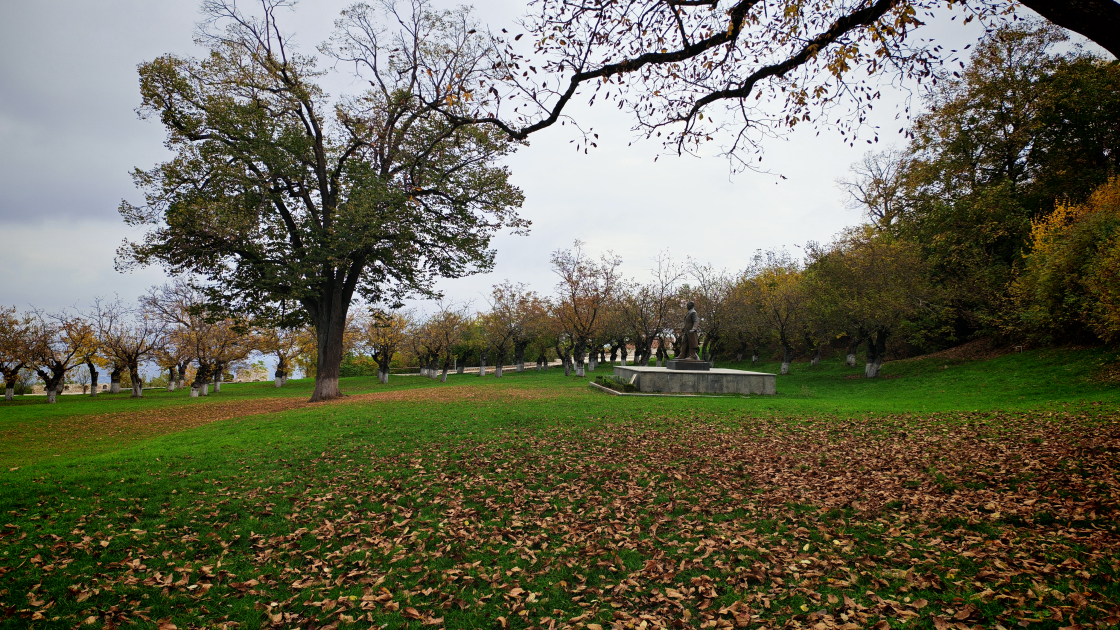
Originally known as “Khan Garden” or “Khan Gizi Natavan’s Garden,” the mulberry orchard was planted in 1805 by Karabakh Khan Ibrahimkhalil to boost sericulture. Many trees are over 150 years old. Used as a promenade and leisure area during the khanate, Tsarist, and Soviet periods, it became a venue for cultural events after a statue of composer Uzeyir Hajibeyli was erected in 1985. Following liberation, Hajibeyli’s statue was reinstated in its original place.
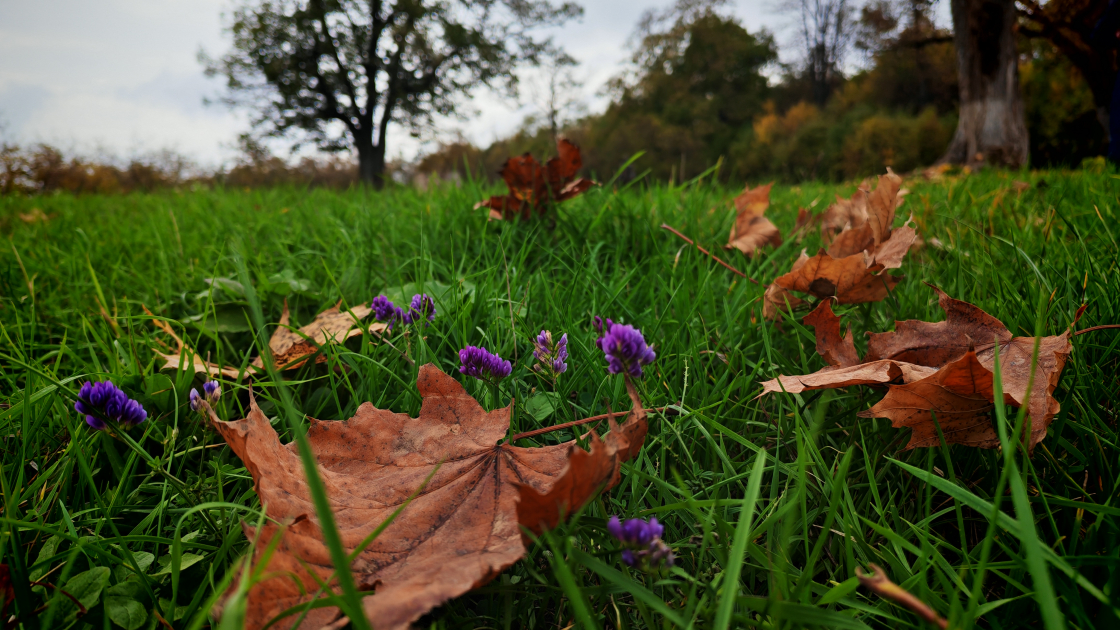
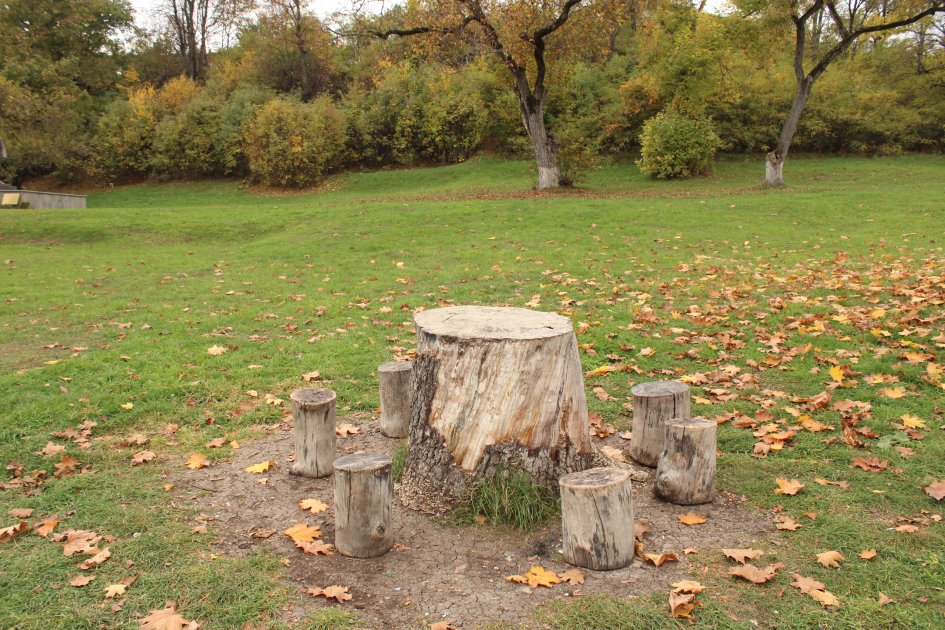
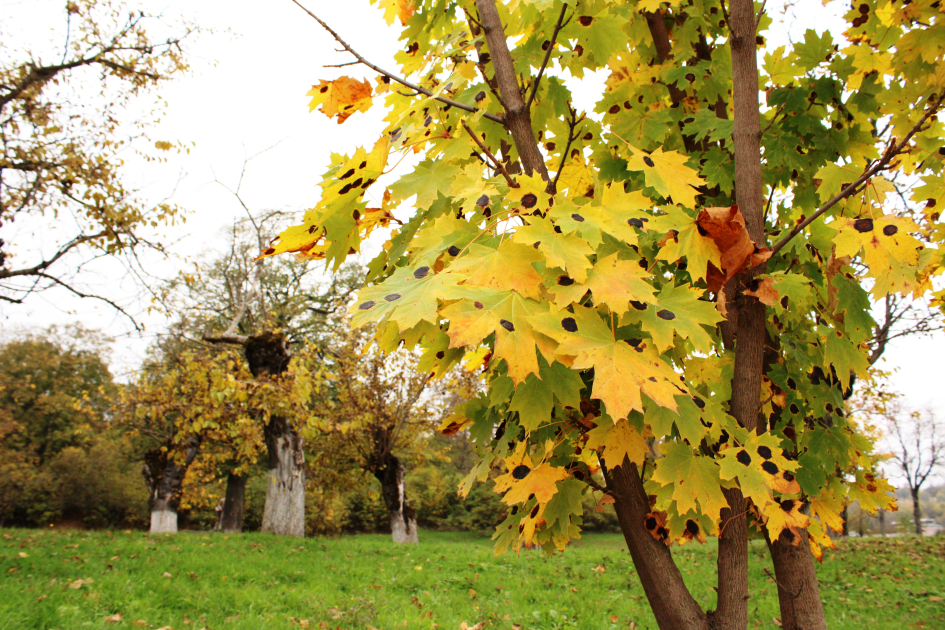
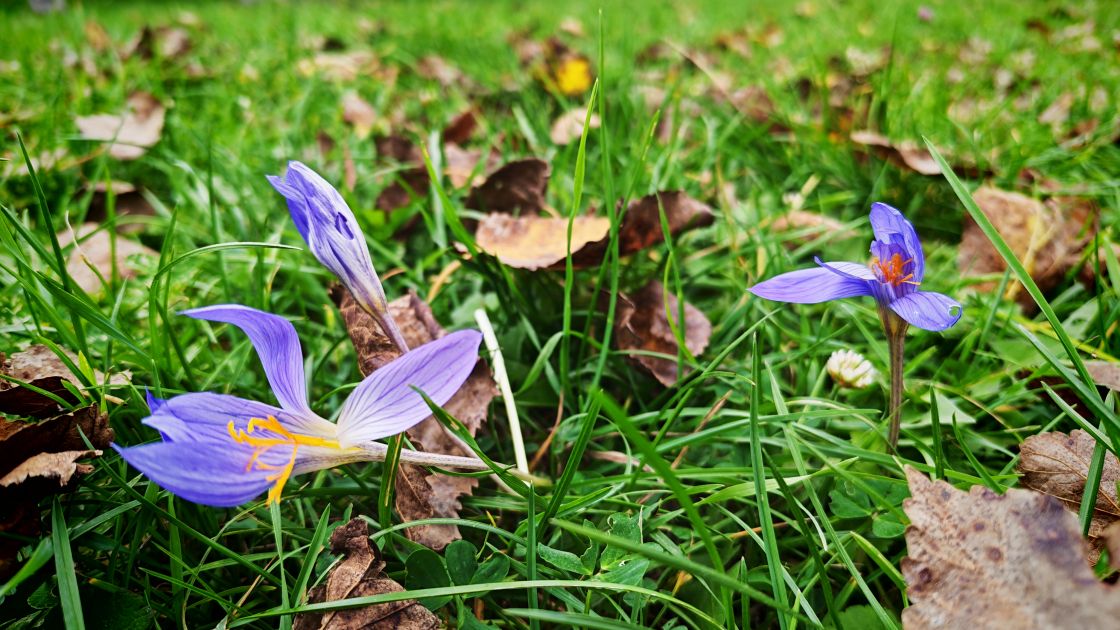
The “Khan Gizi Garden” captivates visitors year-round with its enchanting landscapes. In autumn, it resembles a golden-hued painting—distant mountains, trees turning amber, falling leaves in yellow and red, fresh green grass, and flowers peeking through the foliage create a mesmerizing, almost magical scene.

Other news in this section


