Ashaghi Govhar Agha Mosque – The unique sample of Shusha’s historical and architectural heritage VIDEO
Shusha, December 4, AZERTAC
The next feature in AZERTAC’s “If I Were a Tourist” column focuses on the Ashaghi Govhar Agha Mosque.
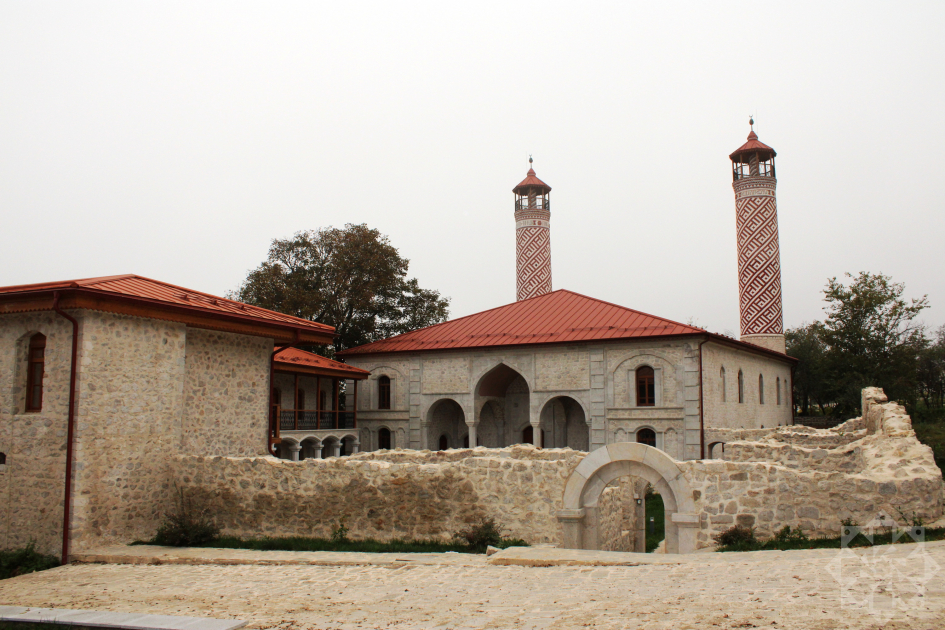
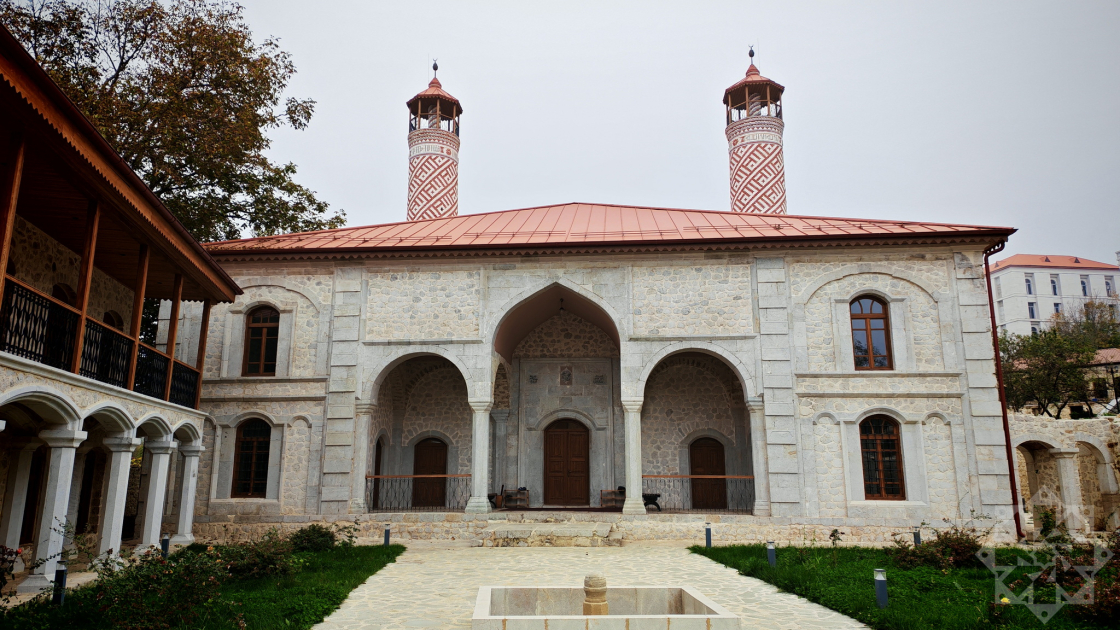
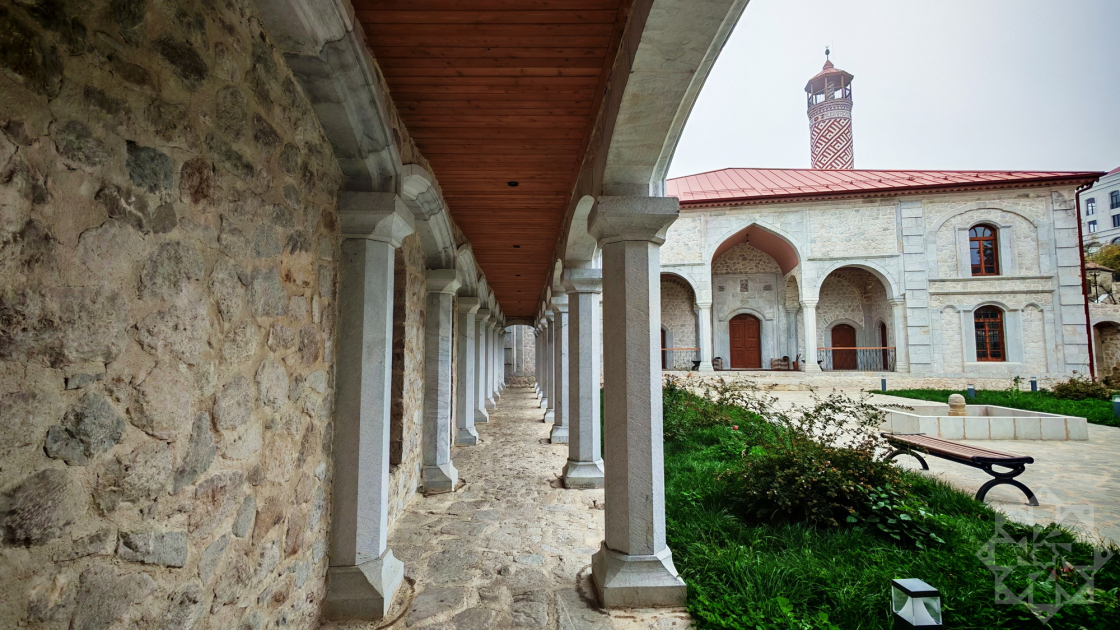
The mosques hold a special place in the religious, as well as the architectural history of the city of Shusha. The city historically had 17 neighborhoods, each with its own mosque. The Ashaghi Govhar Agha Mosque, which was constructed by architect Karbala Safikhan Garabaghi in the 19th century, is the first mosque built in the city with the financial assistance provided by Govhar Agha, the daughter of Ibrahim khan.
The mosque is first mentioned in Shusha's 1855 master plan together with the nearby madrasah. The city's second Friday mosque, the Ashaghi Govhar Agha Mosque, is also known as the Little Mosque. In 1874-1875, fundamental reconstruction works were carried out in the Mosque. As the construction of the new mosque was carried out by the architect Karbalai Safikhan Karabagi based on the financial support of Govhar Agha, the Mosque was later known as the Ashaghi Govhar Agha Mosque.
During the occupation of Shusha, the Ashaghi Govhar Agha Mosque, along with other mosques, was subjected to the Armenian vandalism. Following the liberation of the city, the Mosque was restored.
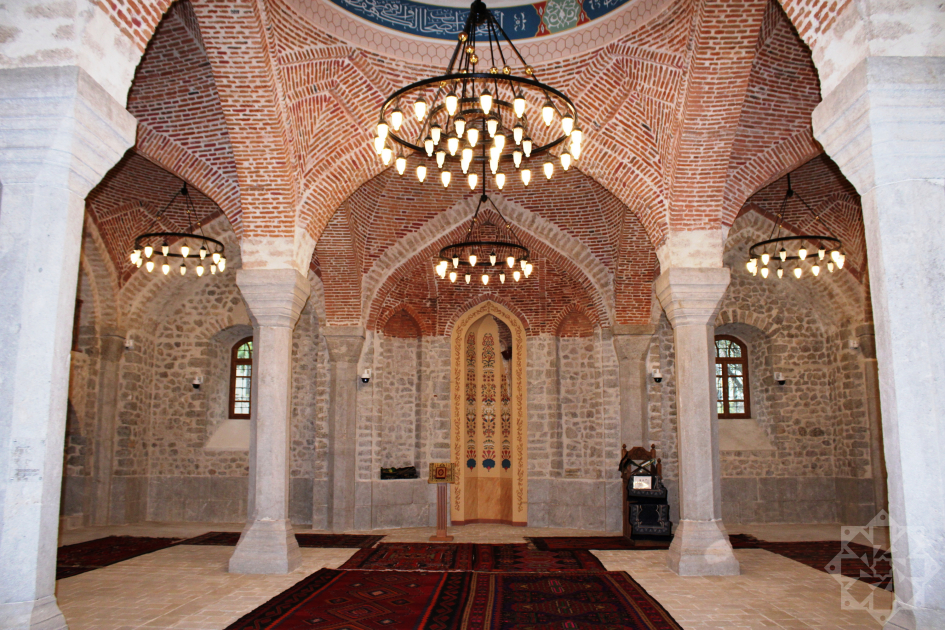
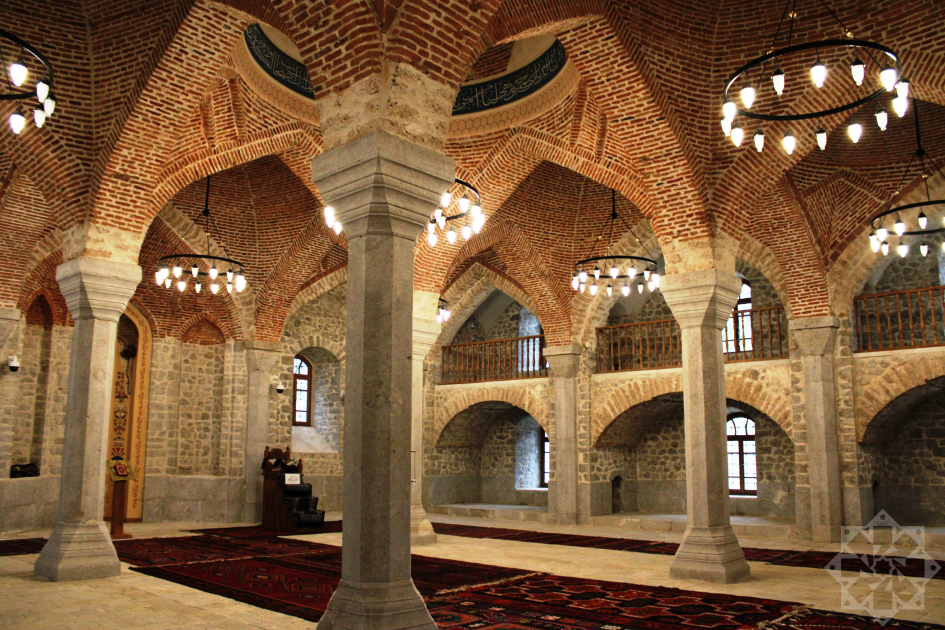
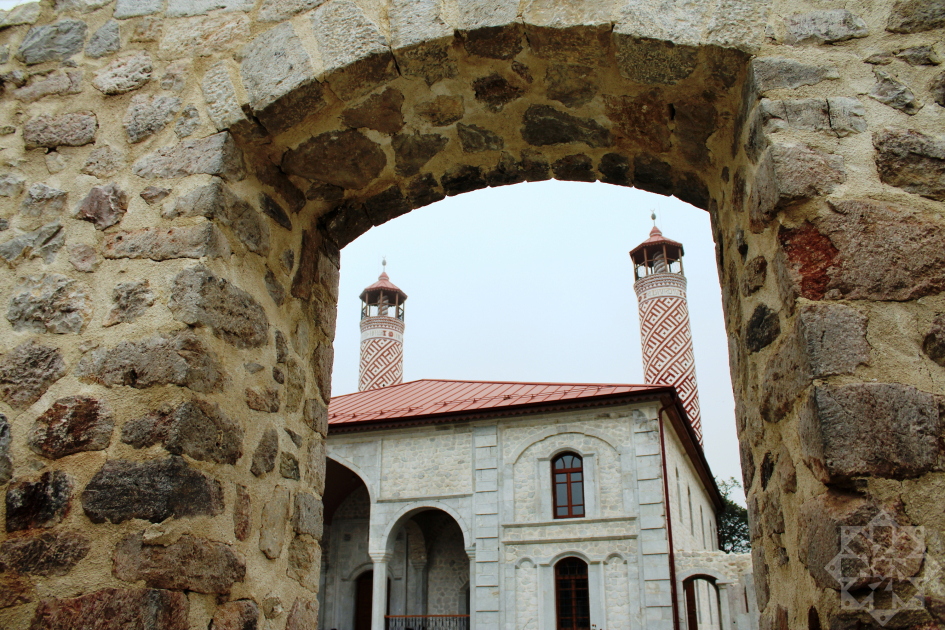
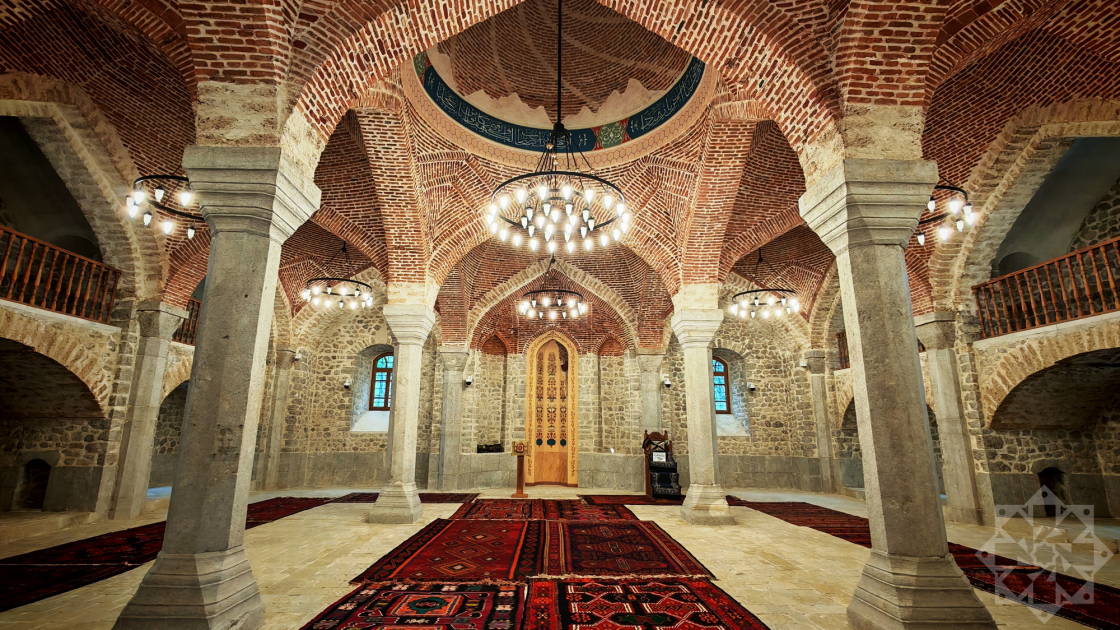
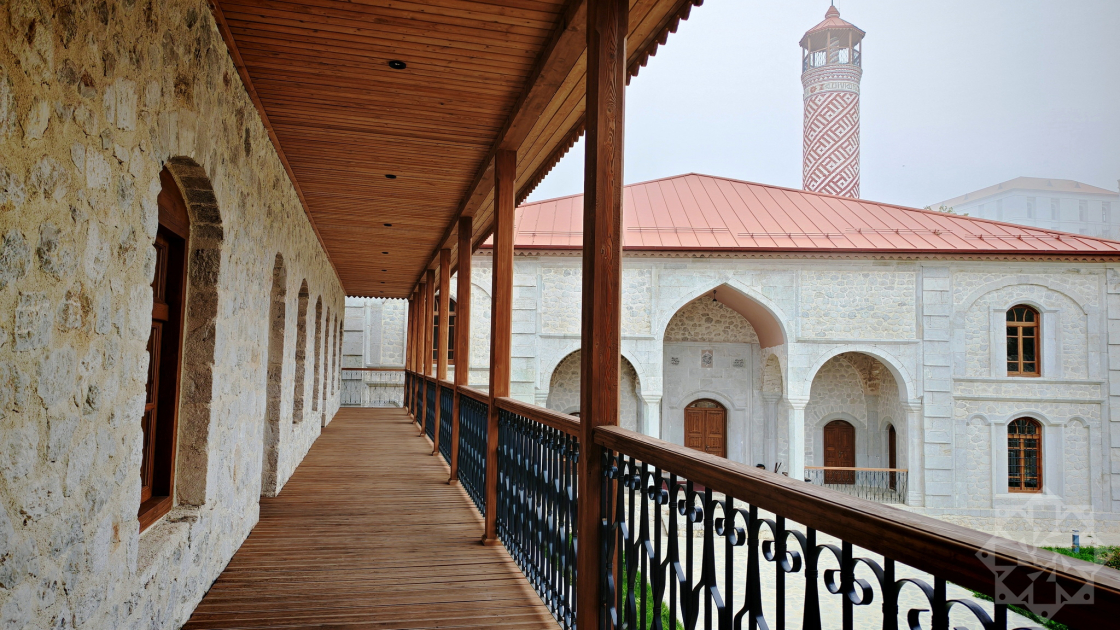
One of Shusha’s historical and architectural symbols, the Ashaghi Govhar Agha Mosque, is two-story, with its cylindrical minarets are made of brick, and the prayer hall is covered with a domed arch.
Tourists can tour the museum established in the historical madrasah building in the territory of the mosque. This exposition, titled "Garabagh and East Zangezur Museum: Before and After the Occupation. Renascence," highlights the period of the Garabagh and East Zangezur regions before the occupation, the religious monuments destroyed by Armenians during the occupation, the historical and cultural monuments, the evidence of ecocide, as well as the information, photos and videos about the ongoing revival of the Garabagh and East Zangezur regions.

Other news in this section


