In the footsteps of history: A journey to Shamkir’s “Little Germany” VIDEO
Shamkir, June 11, AZERTAC
The latest feature in AZERTAC’s “If I Were a Tourist” column turns the spotlight on the German quarter of Shamkir.
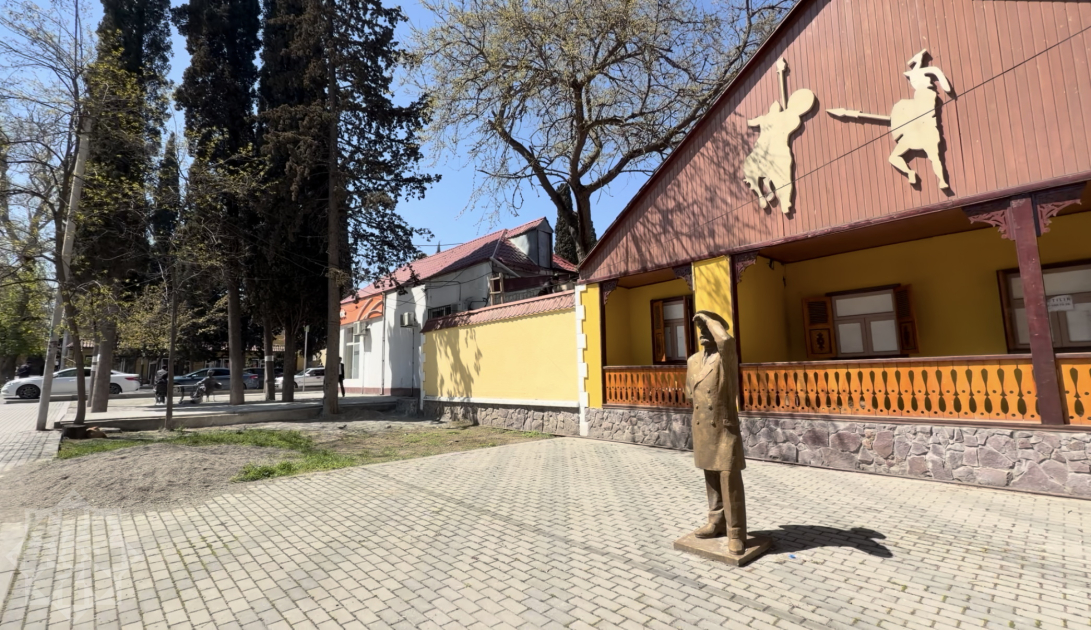
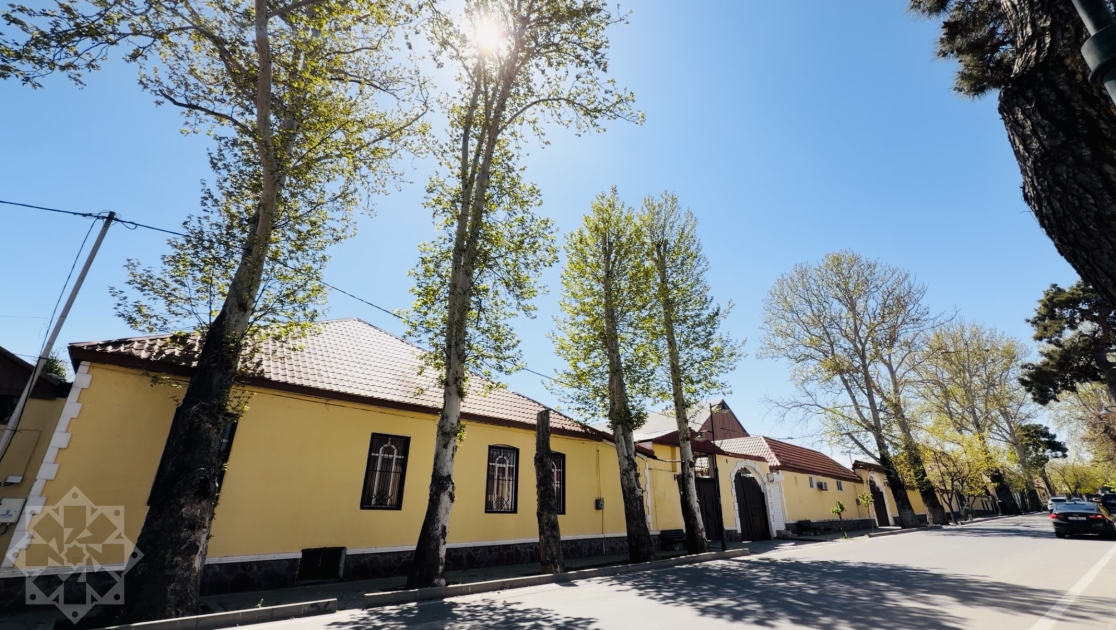
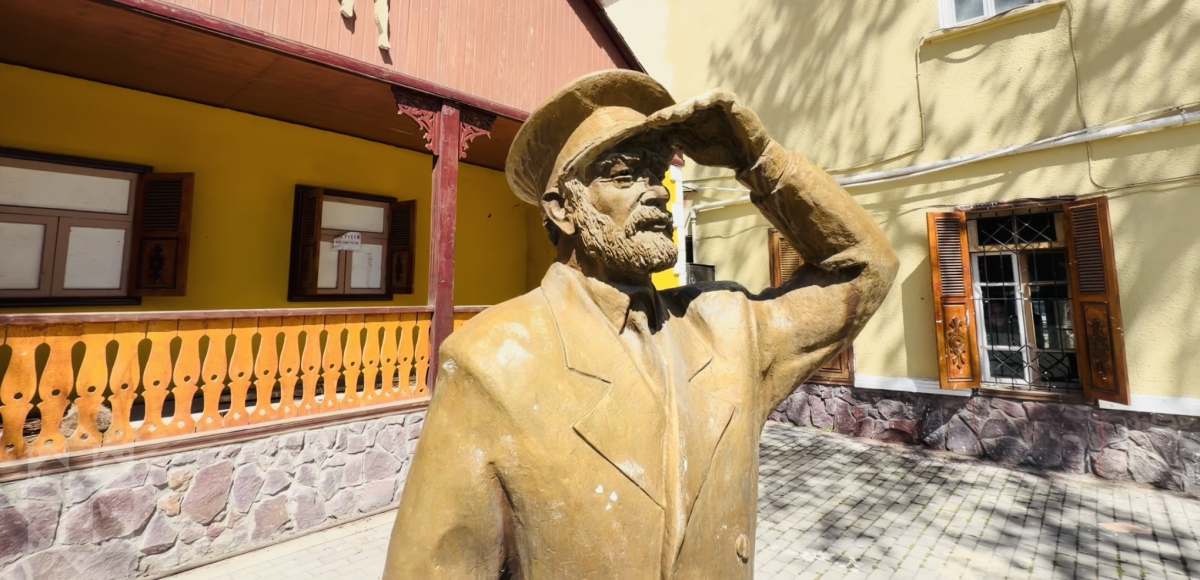
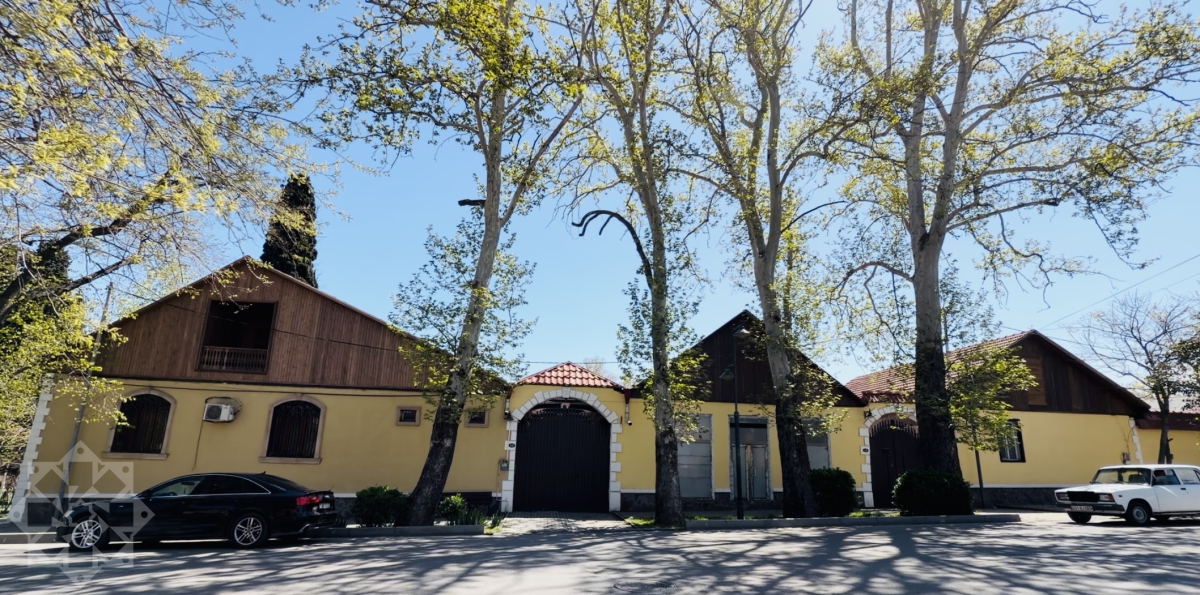
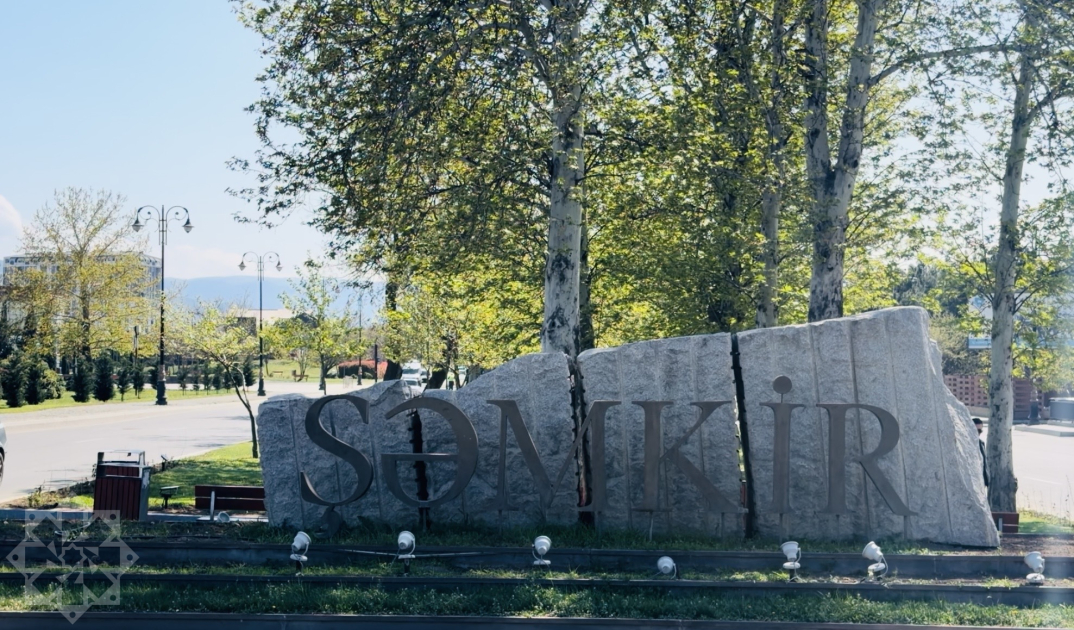
Shamkir, one of the ancient and picturesque cities of western Azerbaijan, has become a destination of significant interest for both local and foreign tourists thanks to its rich historical heritage, modern urban landscape, and distinctive architectural landmarks. Among the city’s most remarkable attractions are its well-known German streets.
In the late 18th and early 19th centuries, the Russian Empire expanded its borders through a series of military campaigns. The newly acquired territories required labor for agricultural development, particularly in viticulture, winemaking, and livestock farming. As a result, German families were resettled to the Caucasus, including present-day Azerbaijan.
In 1819, some of these settlers founded the Helenendorf colony in what is now the Goygol district, while others established the Annenfeld settlement in Shamkir. From that period onward, German architectural styles, lifestyles, and farming traditions began to take root in the city.
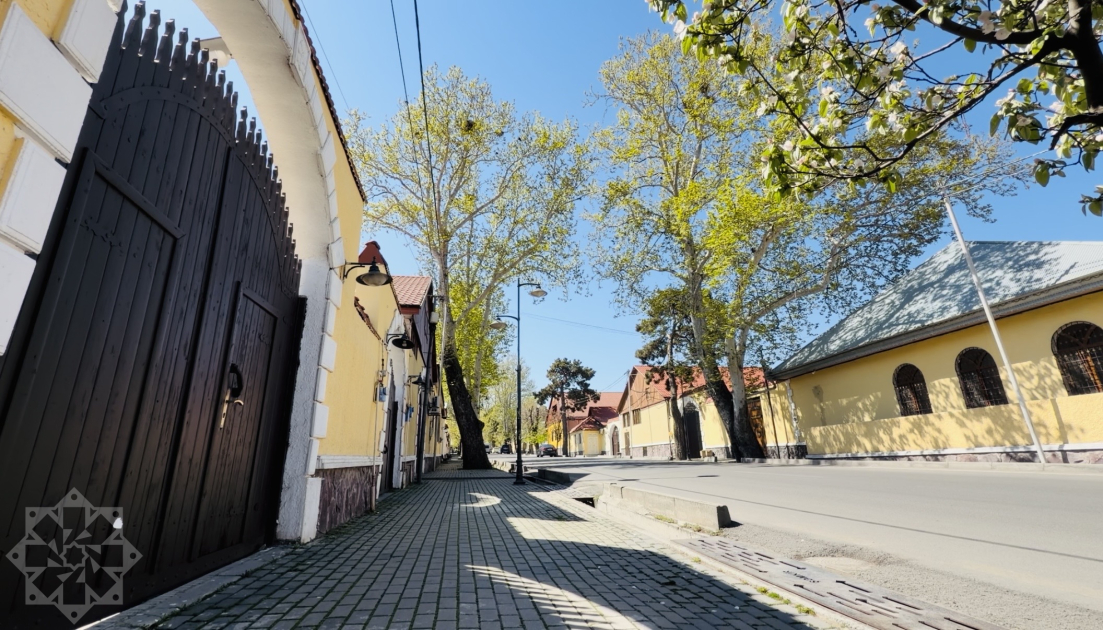
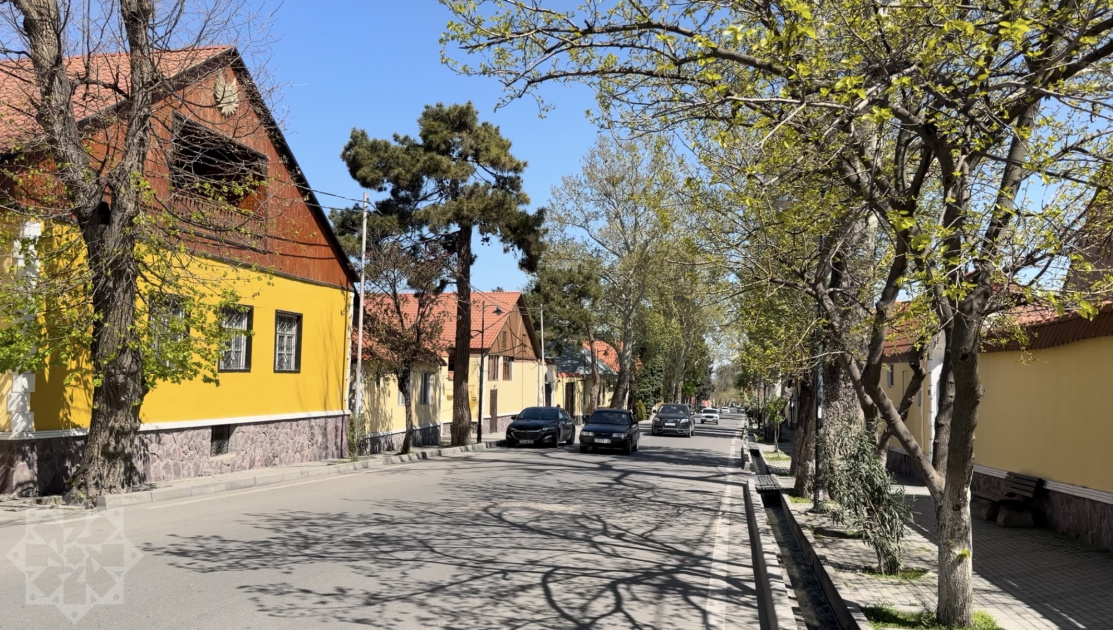
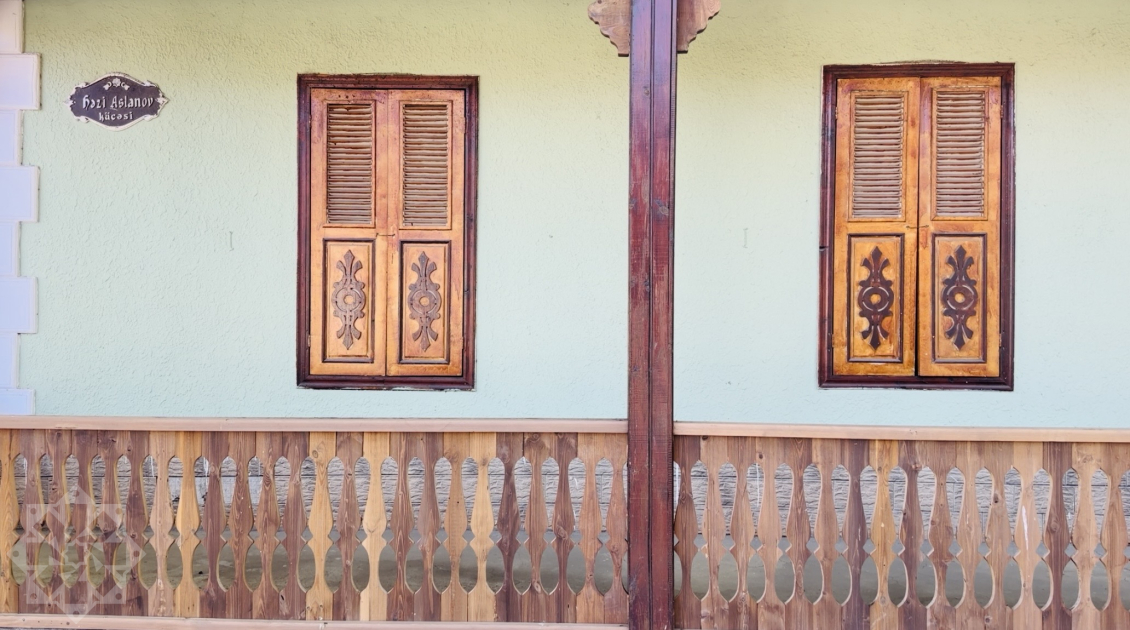
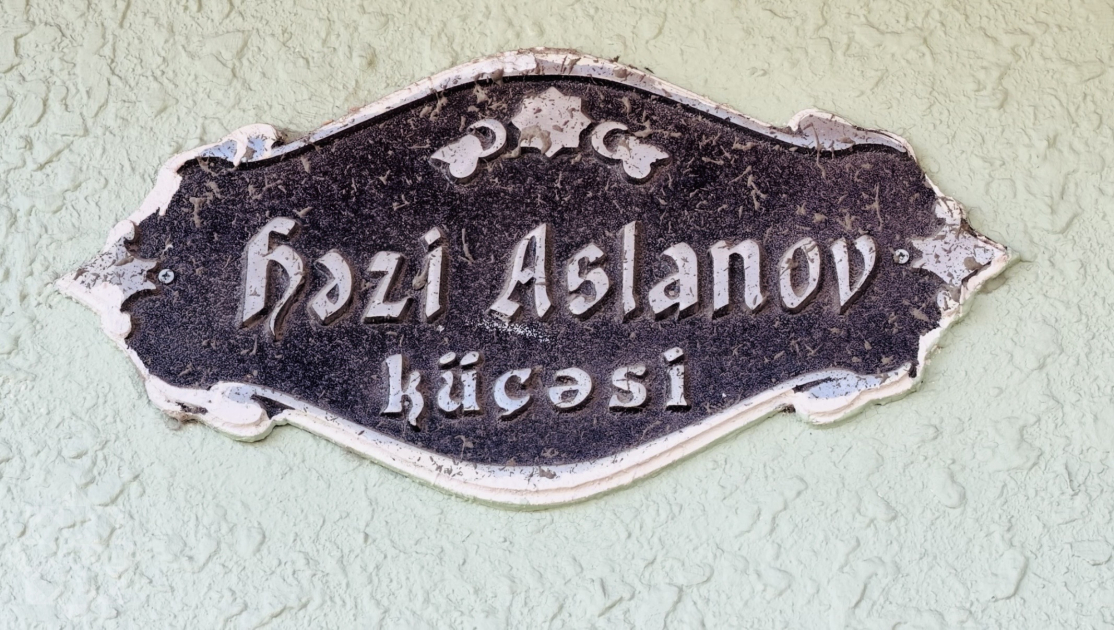
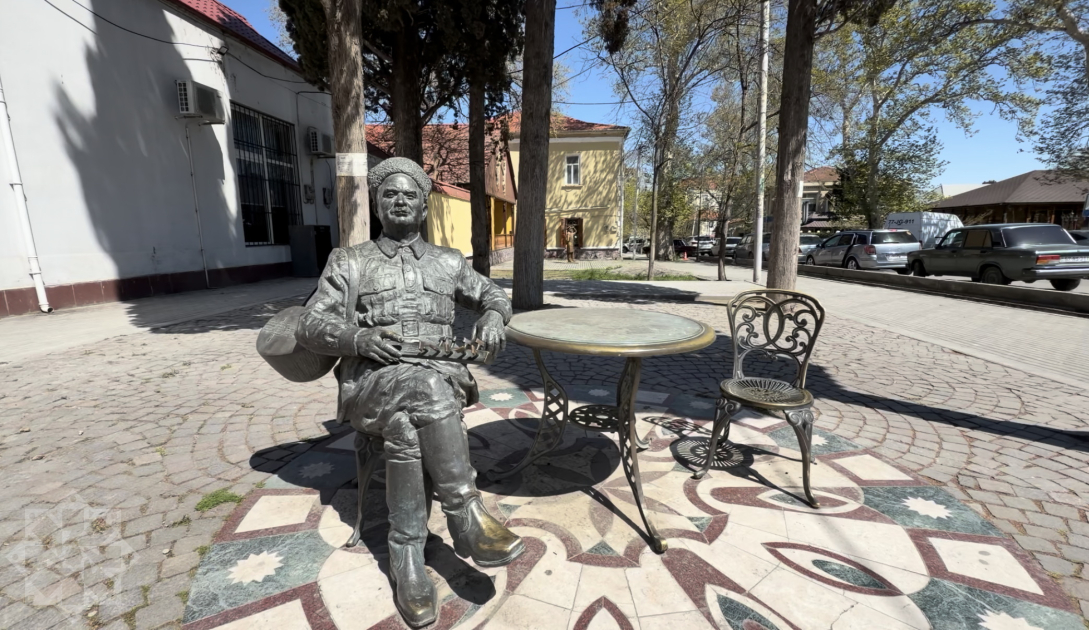
Today, Nizami, Samad Vurgun, Israfil Mammadov, Hazi Aslanov, and Sabir streets stand as legacies of that historical era. Formerly known as First, Second, and Third Streets, these areas have become some of the most interesting and frequently visited tourist destinations in Shamkir.
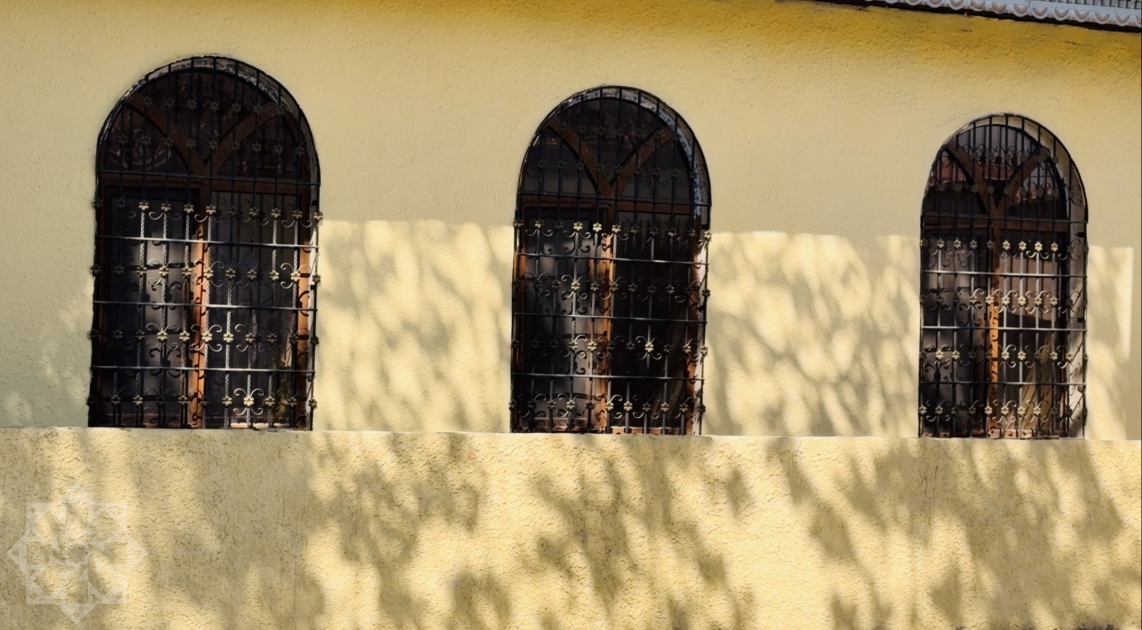
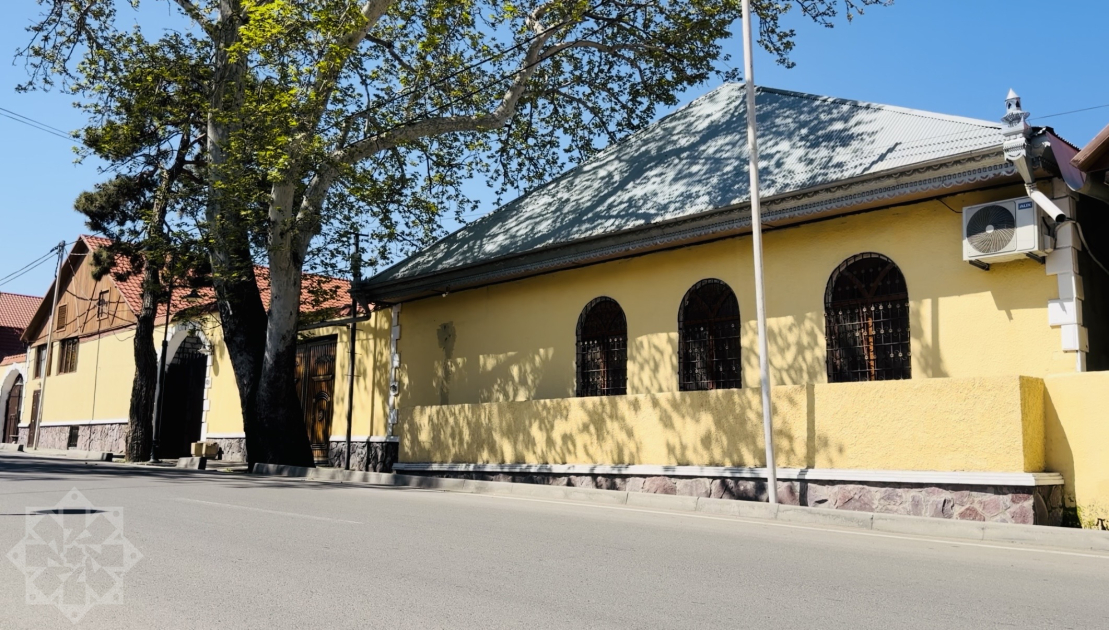
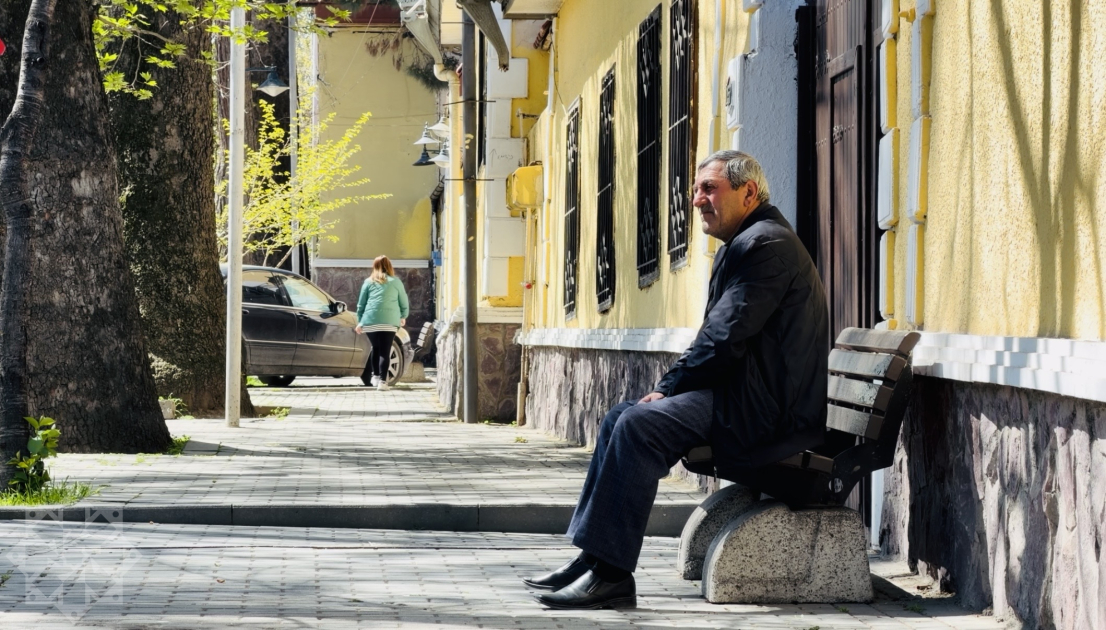
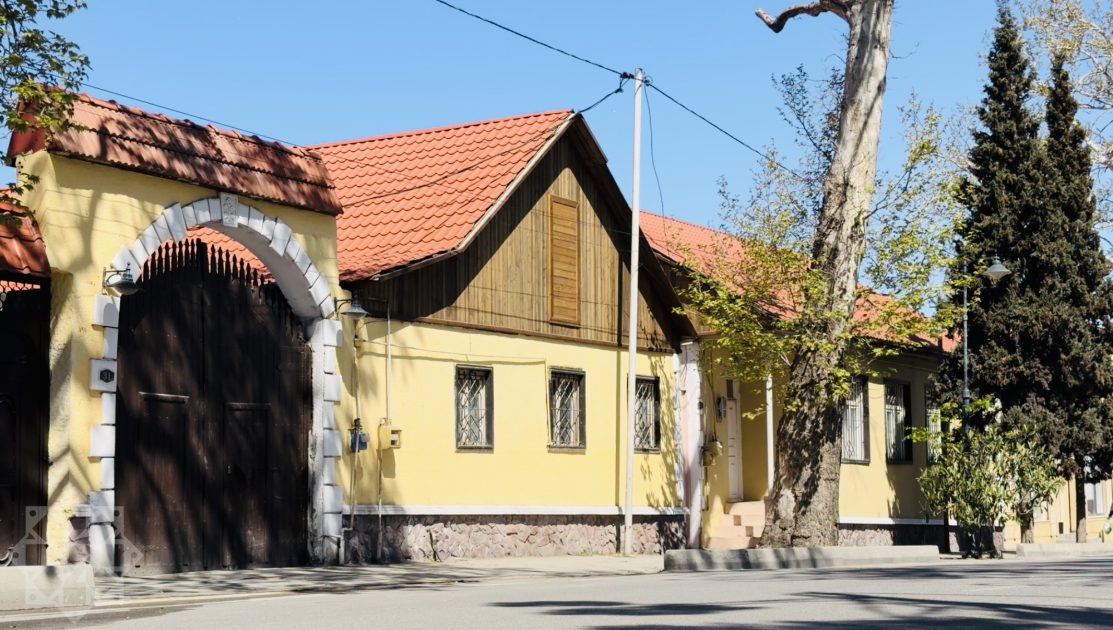
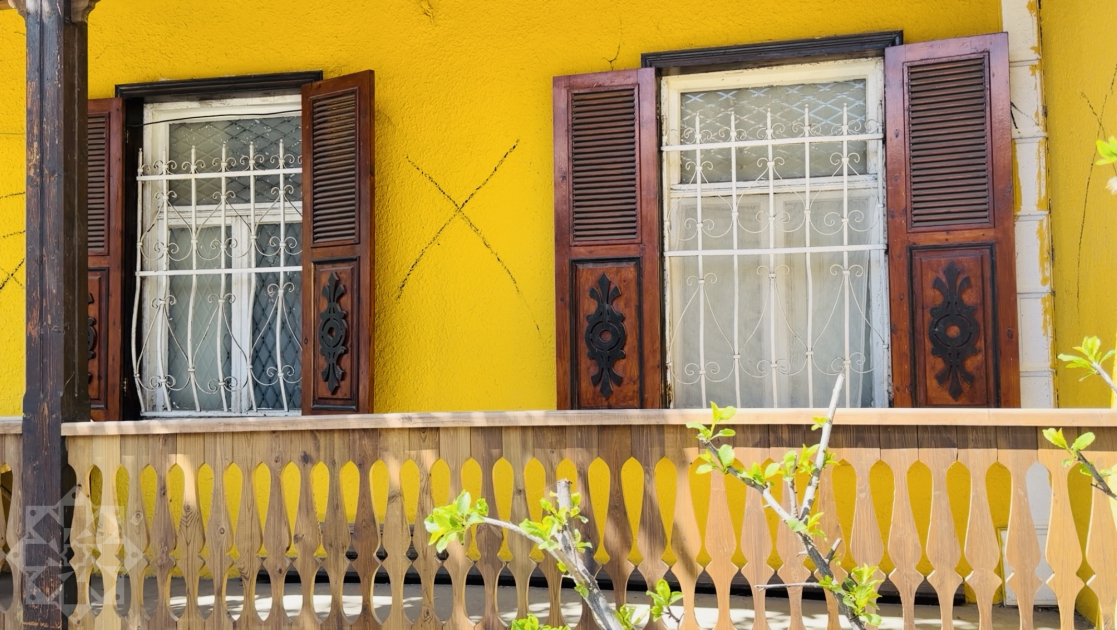
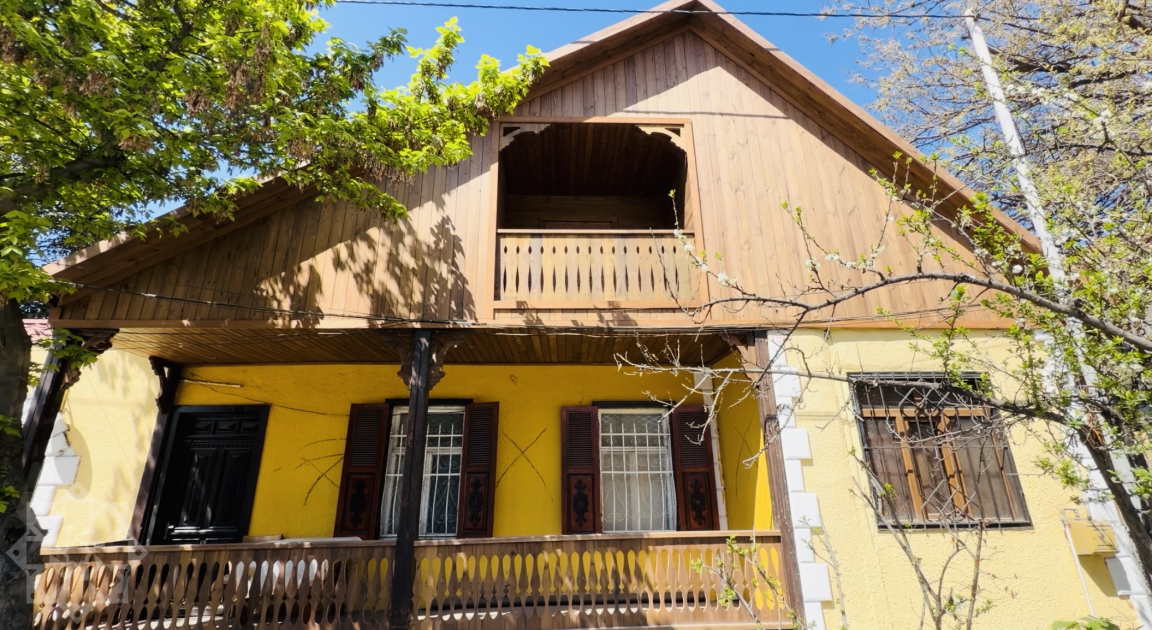
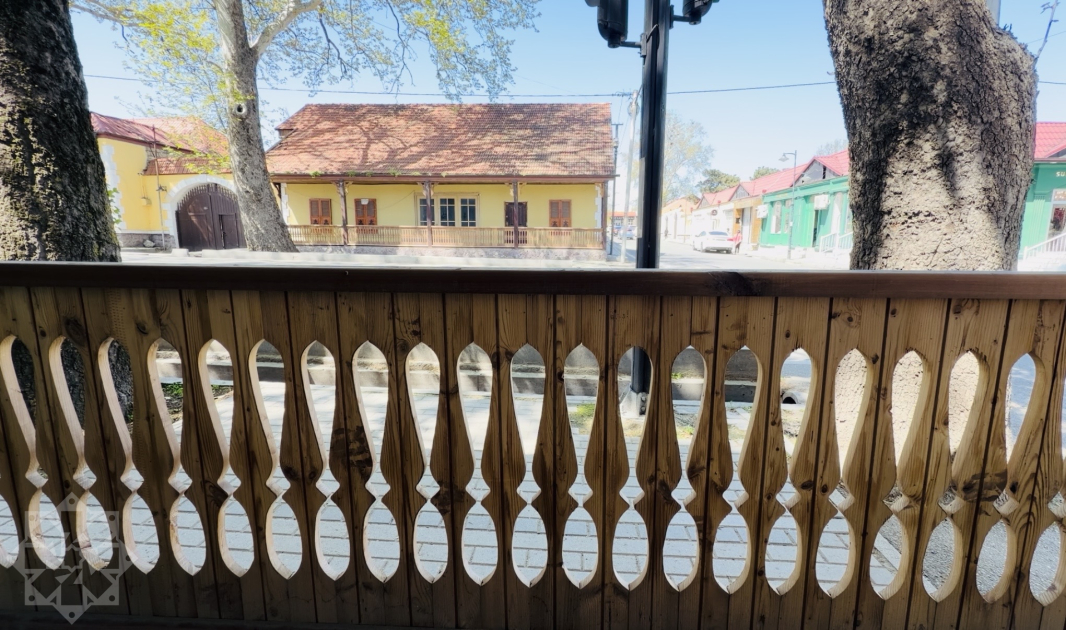
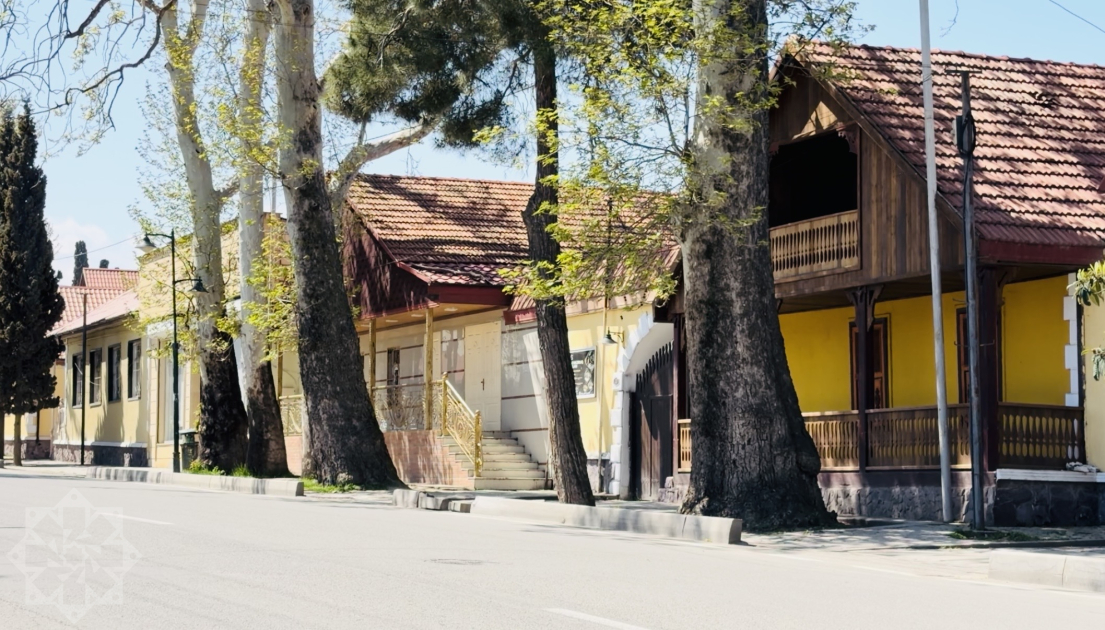
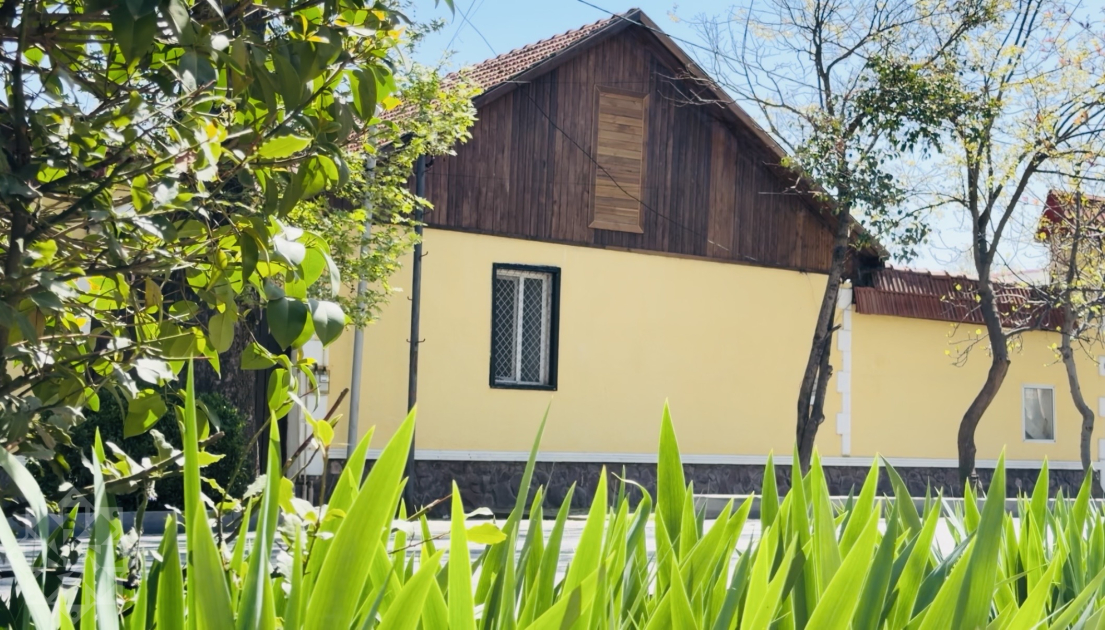
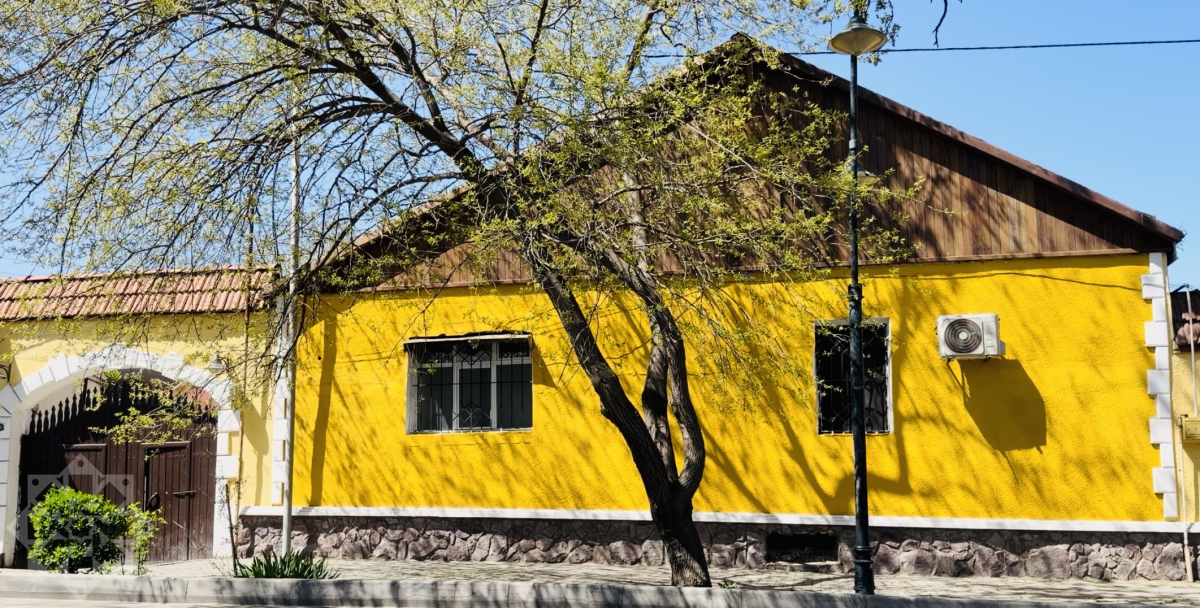
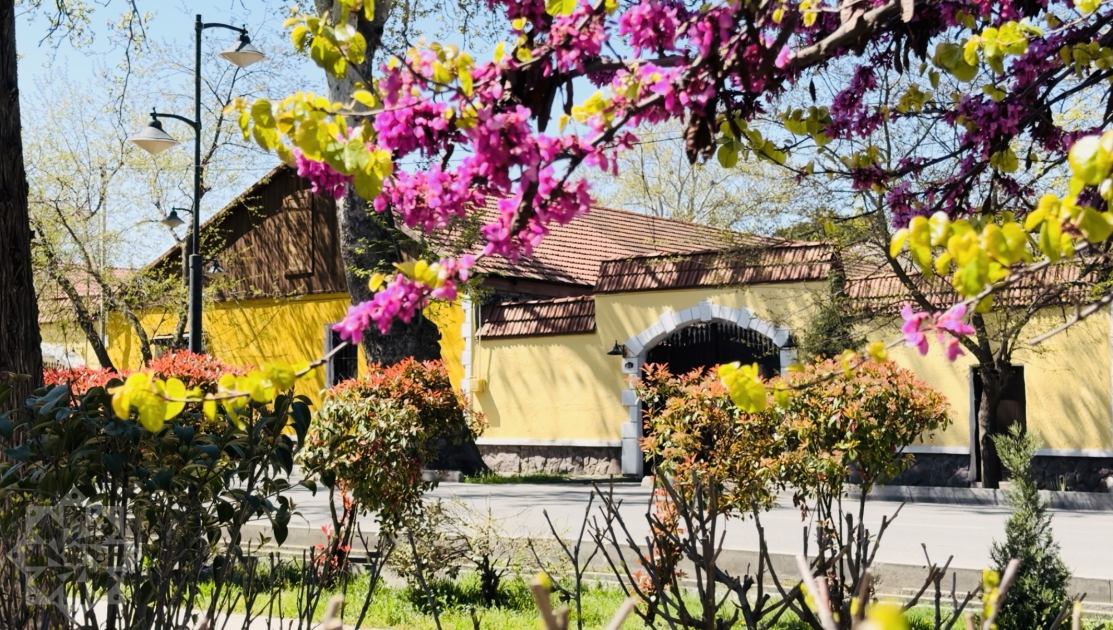
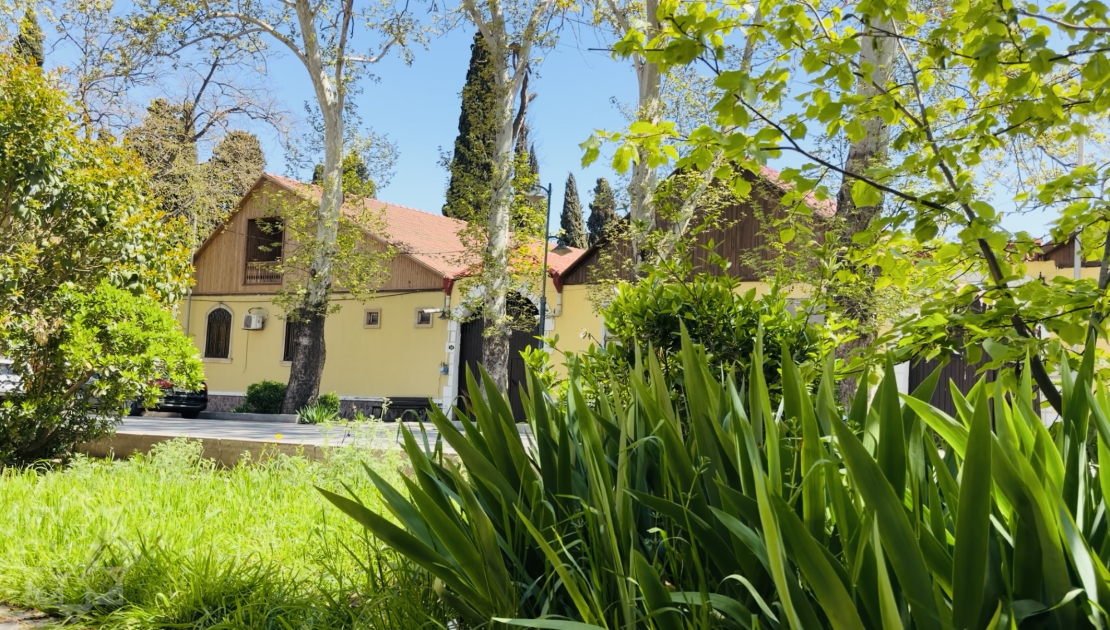
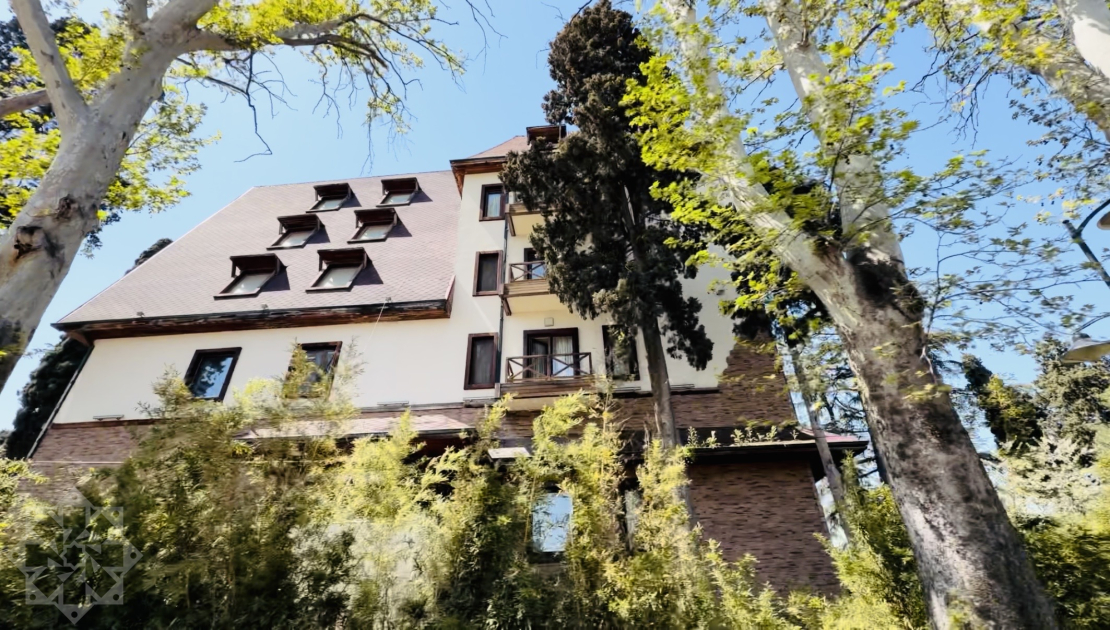
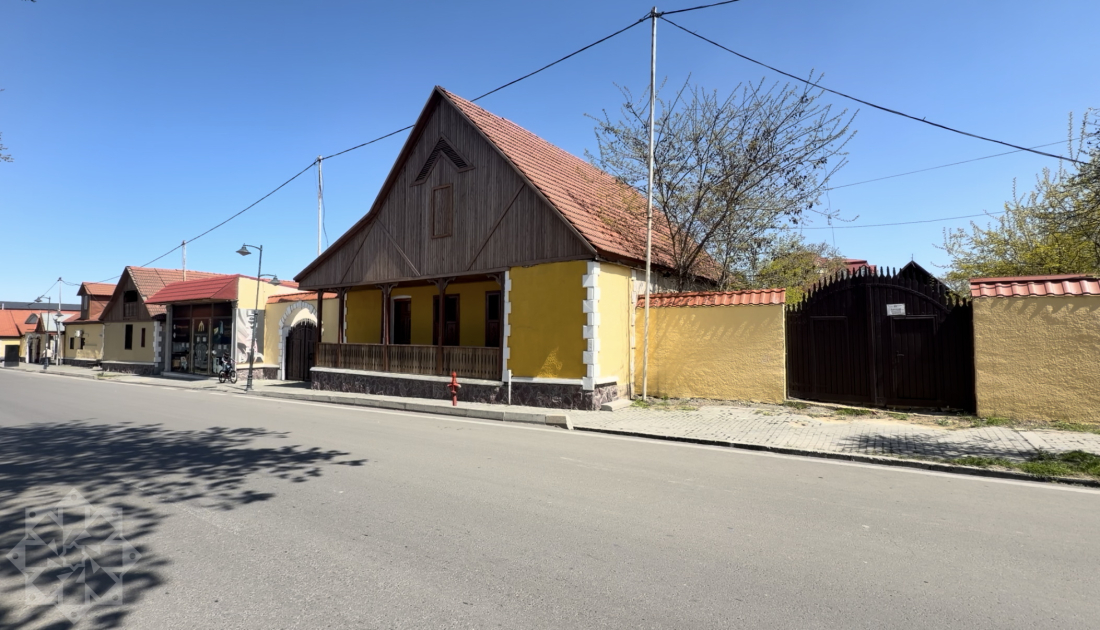
The houses are distinguished by their unique architectural features. Wide balconies facing the main road, wooden verandas, spacious streets, a mountain-fed water supply system, carefully planned courtyards, and centuries-old plane trees lining the streets combine to create a distinctive atmosphere.
A total of 158 German houses located on four central streets of Shamkir have been officially registered. Their preservation, restoration, and historical appearance are maintained under state supervision. Ongoing restoration efforts ensure that these architectural monuments are preserved and passed on to future generations.
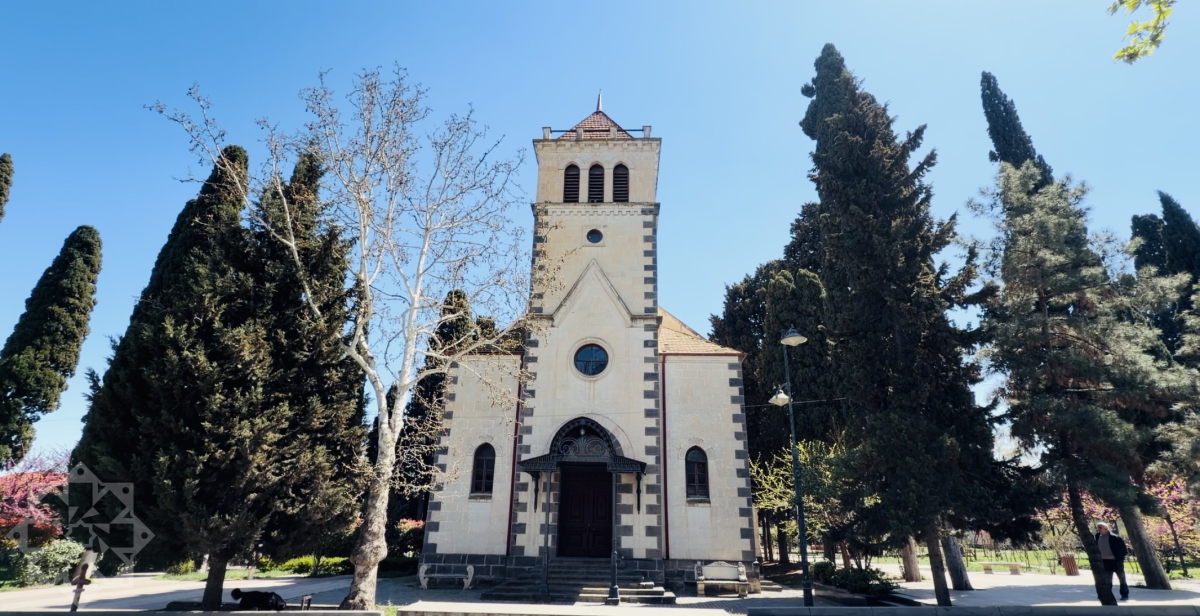
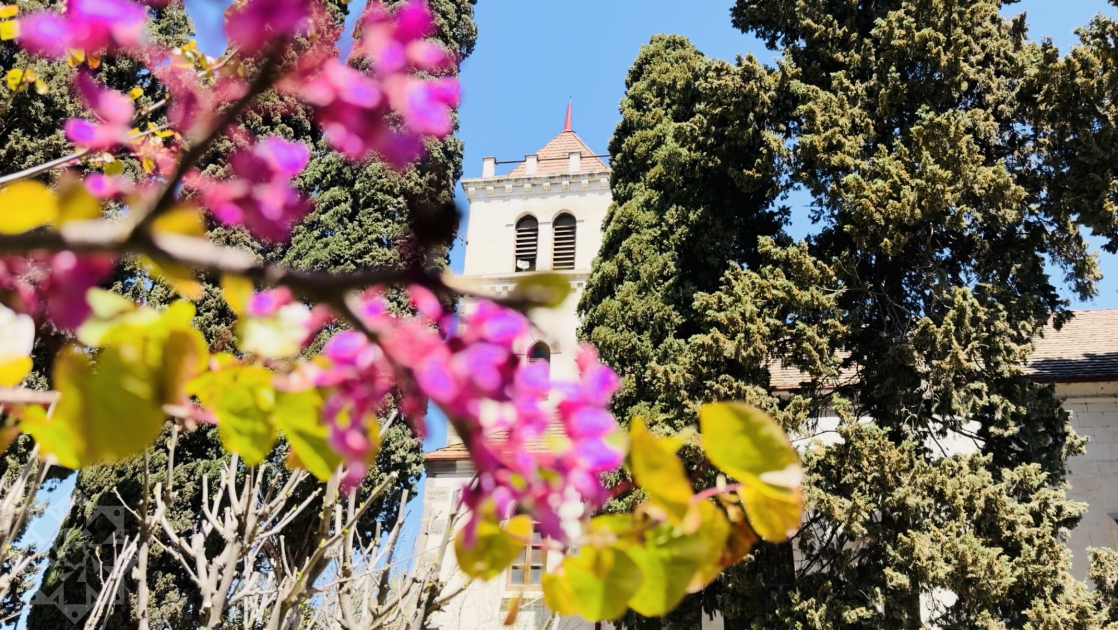
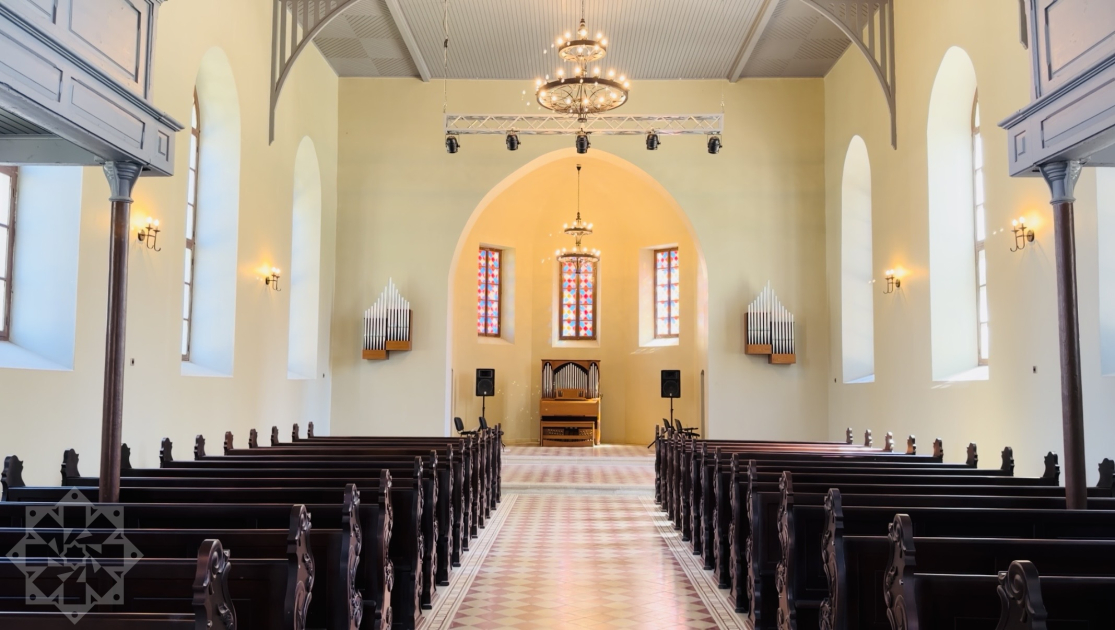
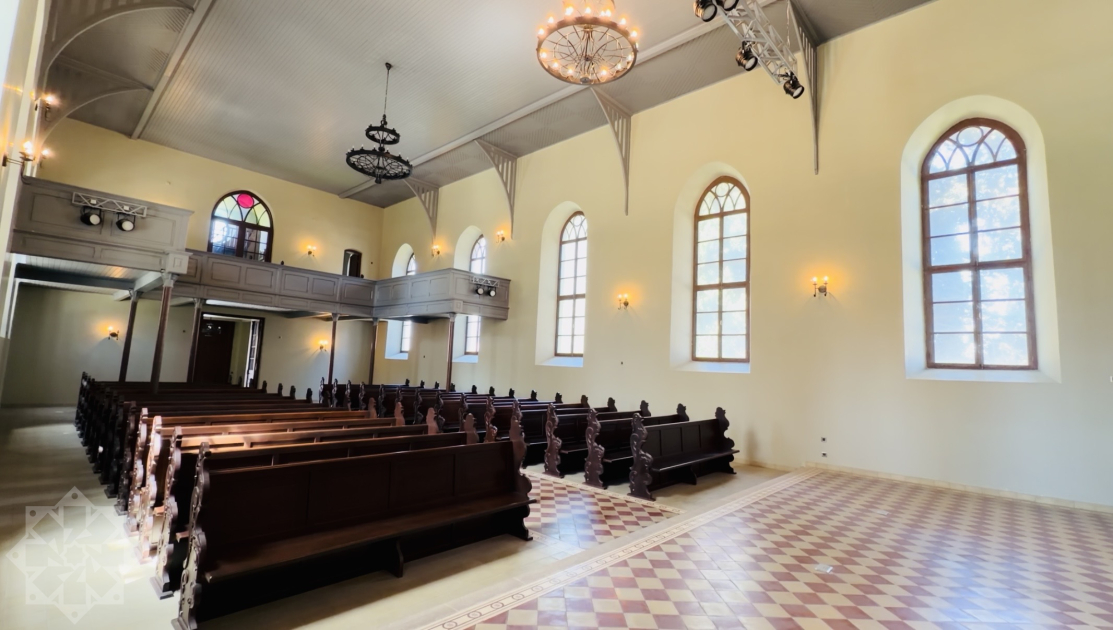
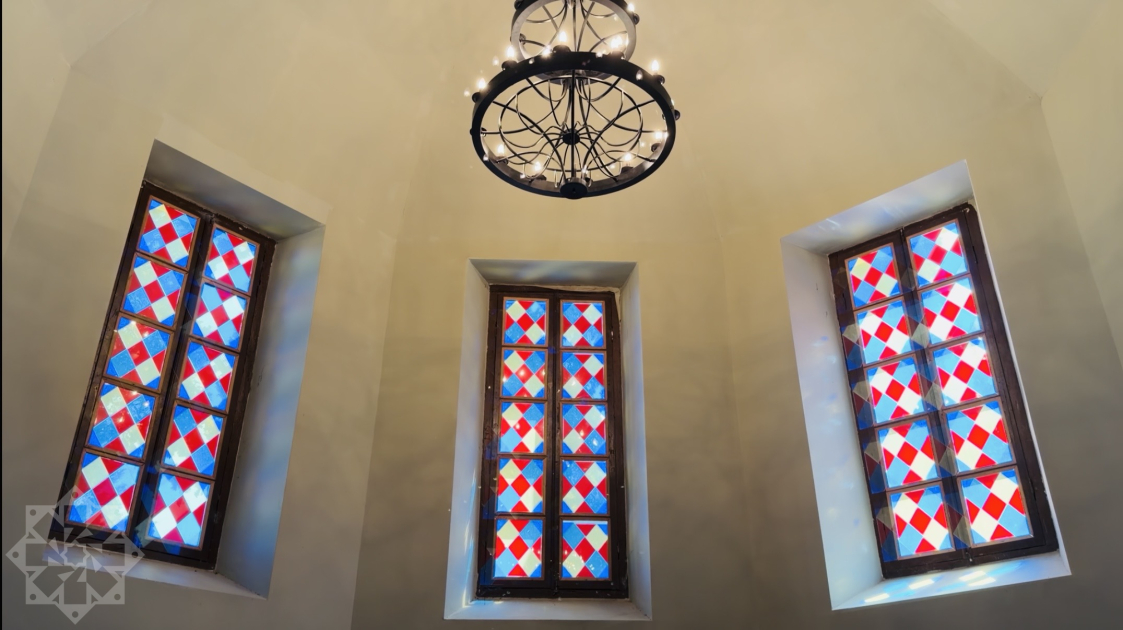
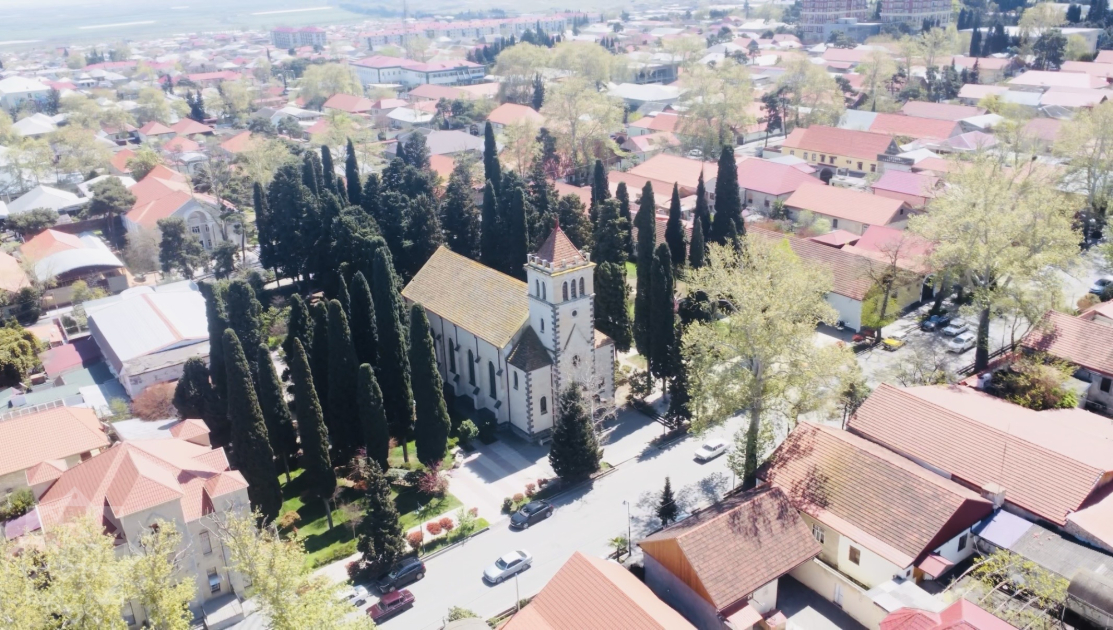
Another notable architectural landmark in the city is the Lutheran Church (Kircha) on Hazi Aslanov Street. Built in 1909, the church was restored after many years, and its surrounding area was revitalized with the creation of a park.

Other news in this section


