Damjili Cave: A History in Every Stone VIDEO
Gazakh, August 14, AZERTAC
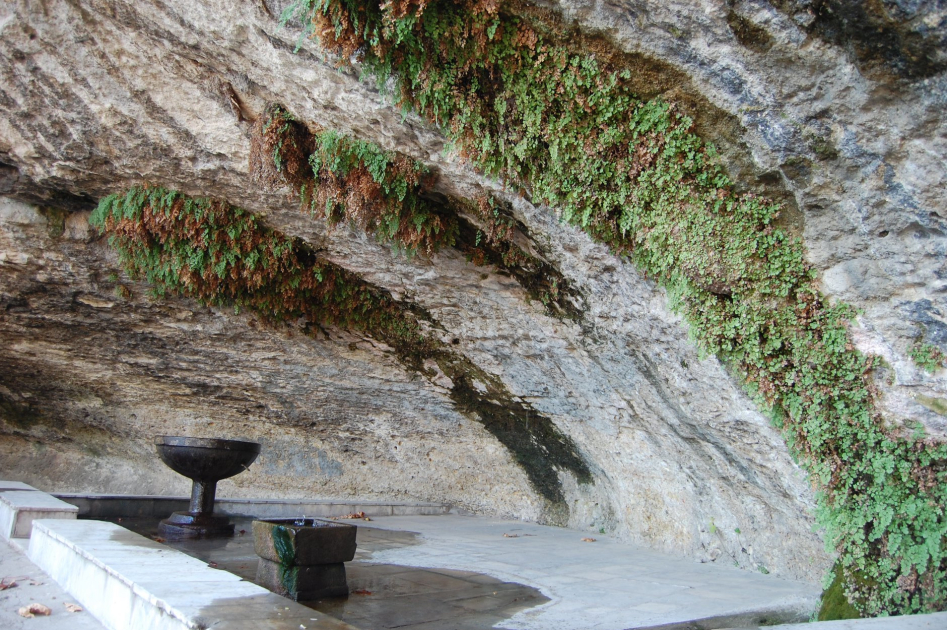
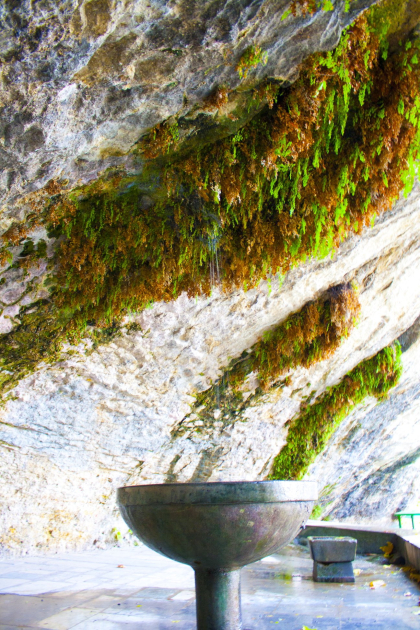
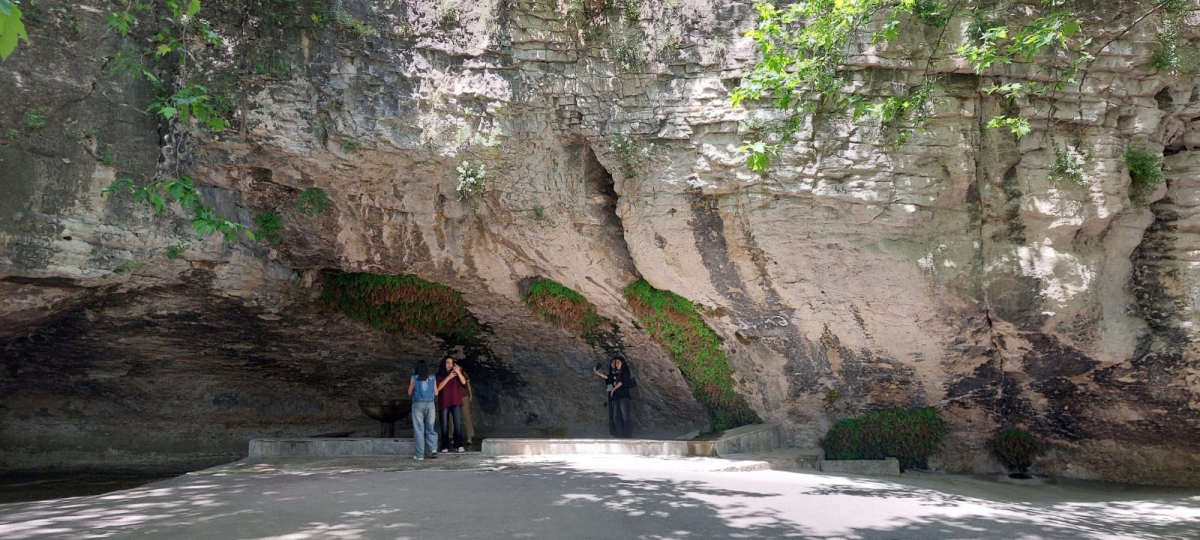
The latest feature in AZERTAC’s “If I Were a Tourist” column highlights the Damjili Cave in the Gazakh district.
Archaeological excavations conducted in the village of Damjili, located within the Avey State Historical-Cultural Reserve in the Gazakh district, have revealed that the area dates back thousands of years.
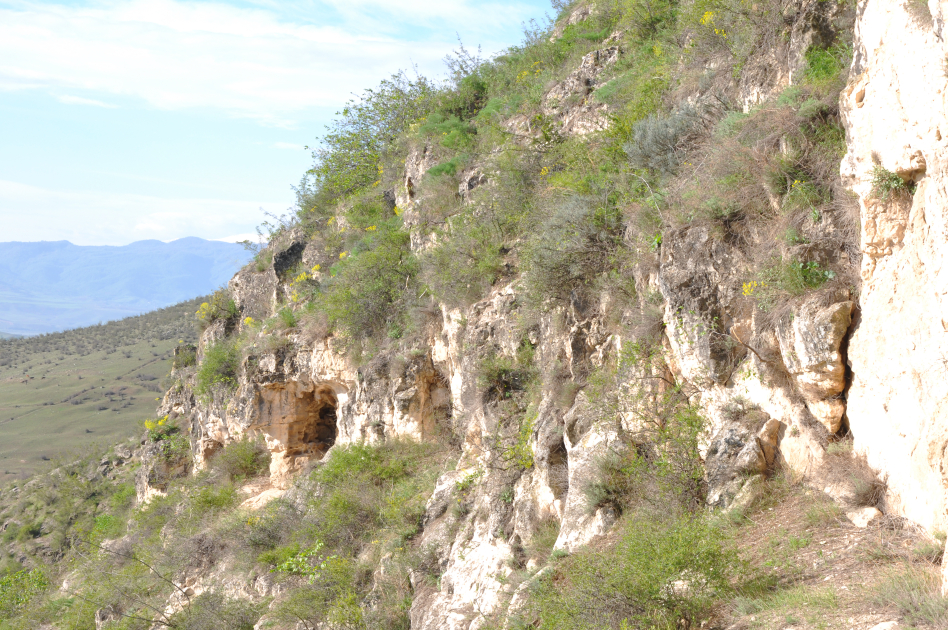
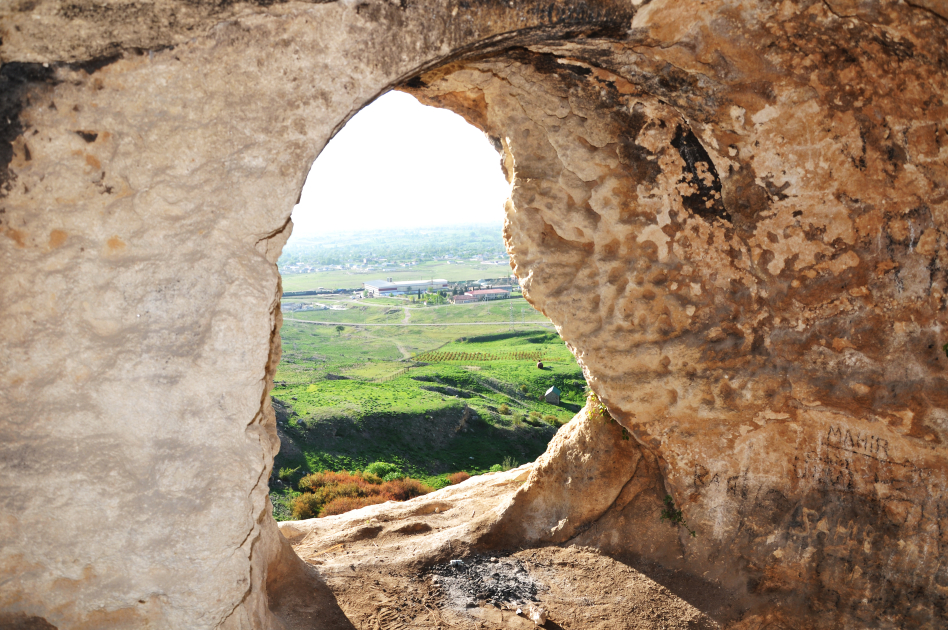
The Damjili Cave is situated near Dash Salahli village, on the slope of Avey Mountain. Initial archaeological research in the area began in 1953.
In 2015, further excavations were carried out at the Damjili Cave site, within the territory of the Damjili branch of the Avey Reserve. These efforts were conducted under a Memorandum of Understanding initiated by Azerbaijan’s Ministry of Culture and signed by the Avey State Historical-Cultural Reserve, the Institute of Archaeology and Ethnography of the Azerbaijan National Academy of Sciences (ANAS), and Japan’s Tokyo Museum University.
The excavations uncovered approximately 5,000 tools and cultural artifacts spanning all major historical periods — including the Paleolithic, Mesolithic, Neolithic, Eneolithic, and later eras.
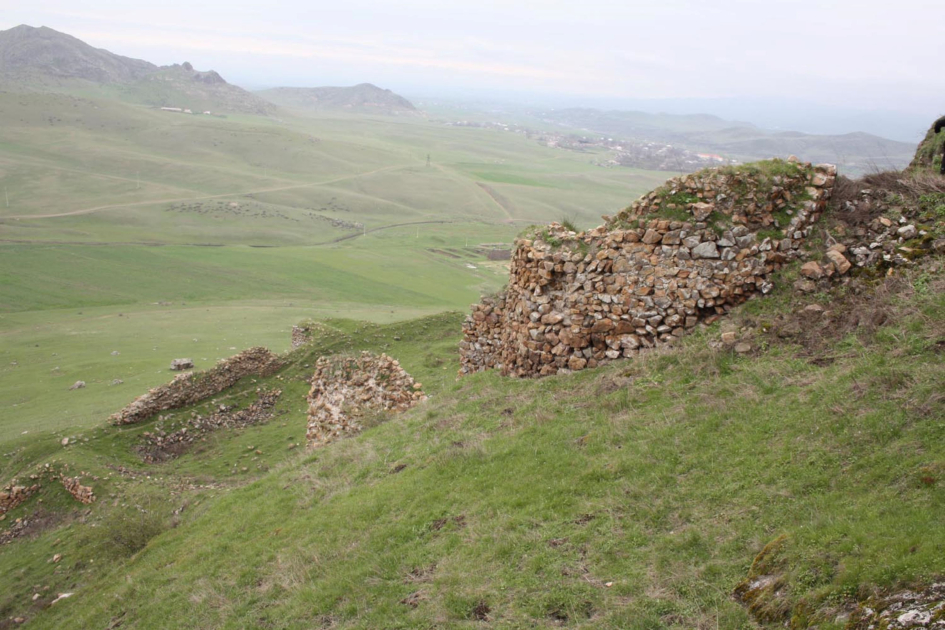
Avey Mountain, where the Damjili Cave is located, is home to numerous material, cultural, archaeological, and architectural monuments dating to various periods of history. The Avey State Historical-Cultural Reserve contains a total of 56 such monuments, including 8 temples, 2 ancient settlements, the first medieval cemetery, the ruins of 2 fortresses with defensive walls and towers, and nearly 30 caves.
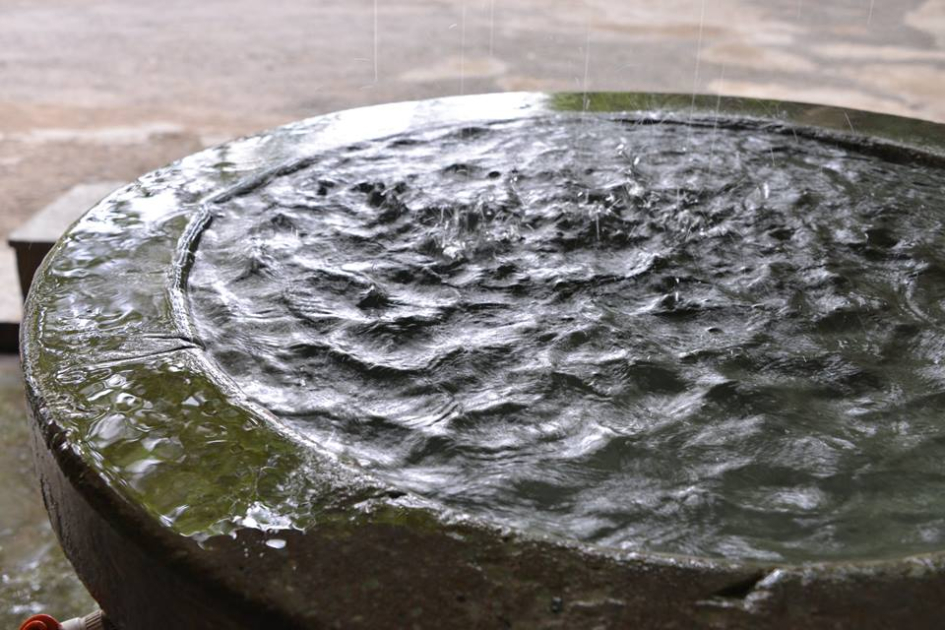
The famous Damjili spring, located within the reserve, attracts visitors year-round, with particularly high footfall during the summer months as people come to relax and enjoy the natural setting.

Other news in this section


