September 28 marks World Rabies Day 2026
Baku, September 28, AZERTAC
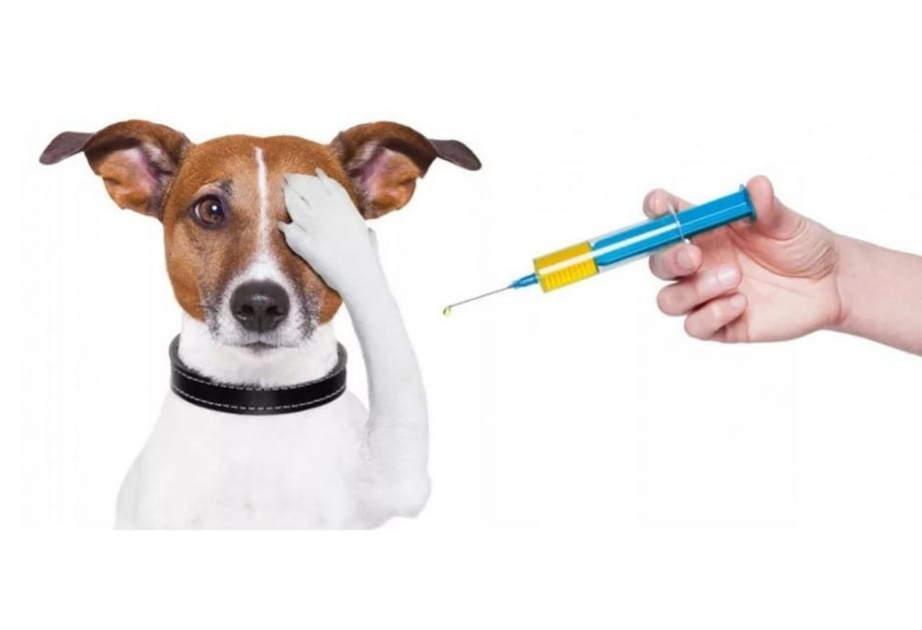
Observed every year on 28 September, World Rabies Day is a reminder of this deadly disease that affects many lives every year. Every life lost to rabies is largely preventable through timely vaccination, awareness, and responsible care. It is a day to speak up for both people and animals, recognise the warning signs, and take simple but life-saving steps to stop the spread before it is too late. Rabies is a disease that can jump from animals to humans. While rabies is usually fatal once symptoms appear, many deaths can be avoided if the right care is given quickly after an exposure. The goal of World Rabies Day is to raise awareness about rabies and to motivate people to take steps that stop rabies in both people and animals.
Rabies is an infection that attacks the central nervous system. Rabies spreads mainly through the saliva of an animal, usually after a bite. A scratch or a lick that touches a cut or a mucous membrane can also spread rabies. Dogs cause most human rabies worldwide. WHO says that dog bites and scratches make up about 99% of human rabies cases. Vaccinating dogs is therefore a part of stopping human rabies. Rabies becomes very dangerous because symptoms show up only after the virus reaches the system. When symptoms appear, rabies is always fatal. Proper post exposure prophylaxis, or PEP, can stop the virus before it reaches that stage.
The theme for World Rabies Day 2026 is ‘Stronger Together.’ Human health, animal health, and the environment are linked, so rabies can only be prevented with proper planning and strategy. Effective prevention to stop the spread from the start includes:
· Vaccinating dogs against rabies.
· Teaching communities how to stay safe from animal bites.
· Making post exposure treatment faster and easier.
· Building rabies tracking and reporting.
· Encouraging care for animals.
· Working together between people health workers and animal doctors.
· WHO says mass dog vaccination is a cheap way to stop rabies where it starts.
Rabies is still a health problem, especially in parts of Asia and Africa. Children are more at risk because they often play with animals and may not report a bite or scratch right away. Thinking an animal bite is not serious if the wound looks small or if the animal looks fine can be dangerous. The main message is that any exposure to a rabies infected animal must never be ignored. Washing the wound fast and getting a check can change a preventable exposure into a fatal disease.
Other news in this section


