Shusha's historical neighbourhood mosques VIDEO
Shusha, February 19, AZERTAC
The next feature in AZERTAC’s “If I Were a Tourist” column turns the spotlight on Shusha’s mosques.
Shusha, the cultural capital of Azerbaijan and the pearl of the Caucasus, is rich in historical, cultural, and architectural monuments. Mosques occupy a unique place in both the religious and architectural history of the city. Ancient Shusha had 17 quarters, each containing a mosque, a bathhouse, and a spring.
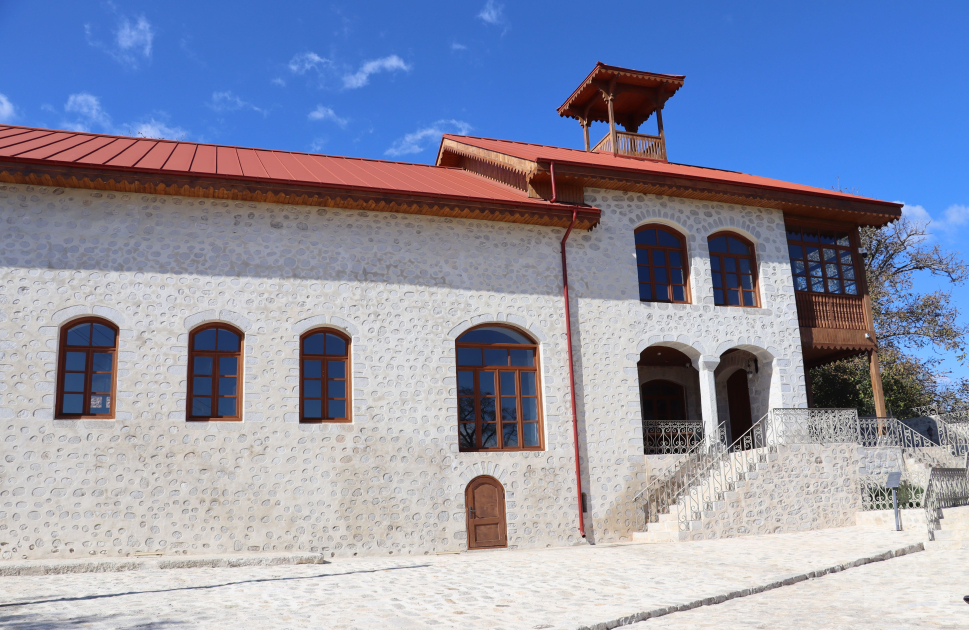
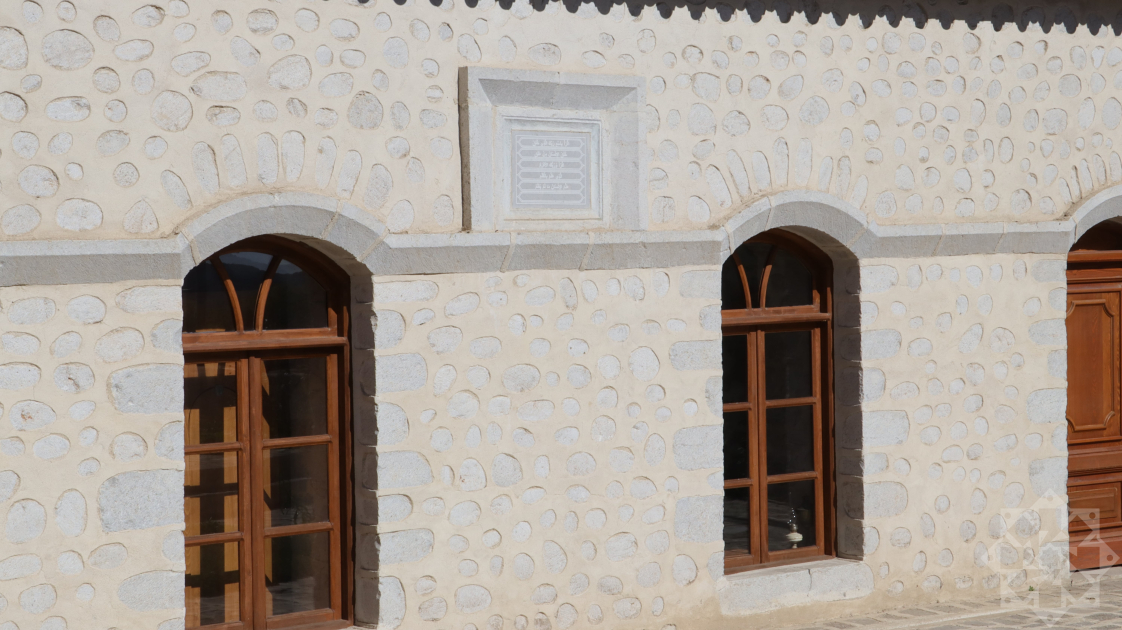
Shusha’s mosques, rare pearls of religious and architectural heritage, are popular tourist attractions. Like other monuments in Shusha, which was once under occupation, the mosques were subjected to Armenian vandalism. Following the liberation of Shusha, the Saatli, Mamayi, and Chol Gala mosques, along with other significant religious sites in the city, underwent extensive restoration and reconstruction.
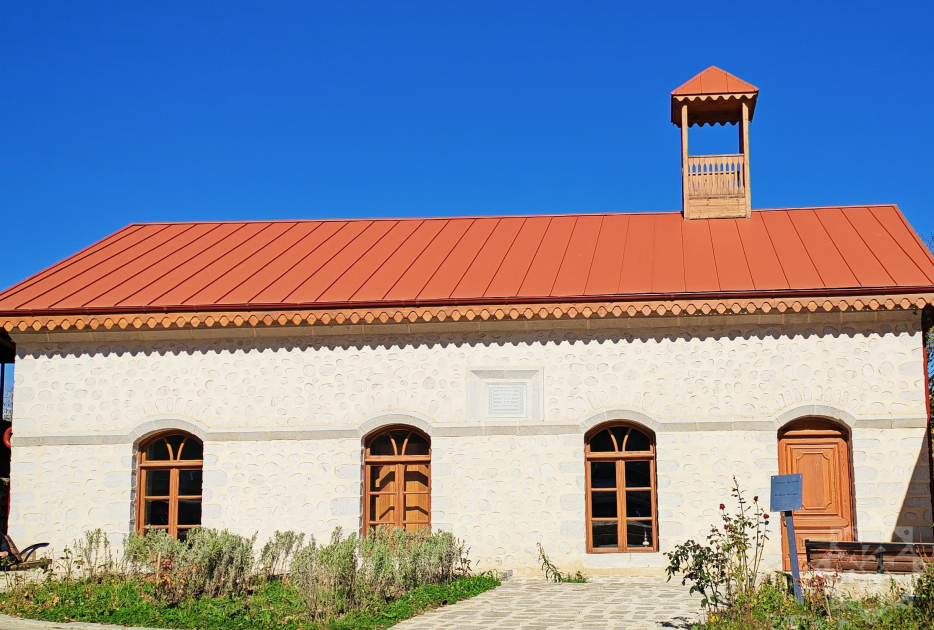
Constructed in the late 19th century, the Mamayi Mosque is located in the Mamayi neighborhood (mahalla) in the central part of Shusha. The mosque has a rectangular design with a columned interior. Like other neighbourhood mosques, the Mamayi Mosque also features a wooden dome on its roof used for calling the adhan (call to prayer).
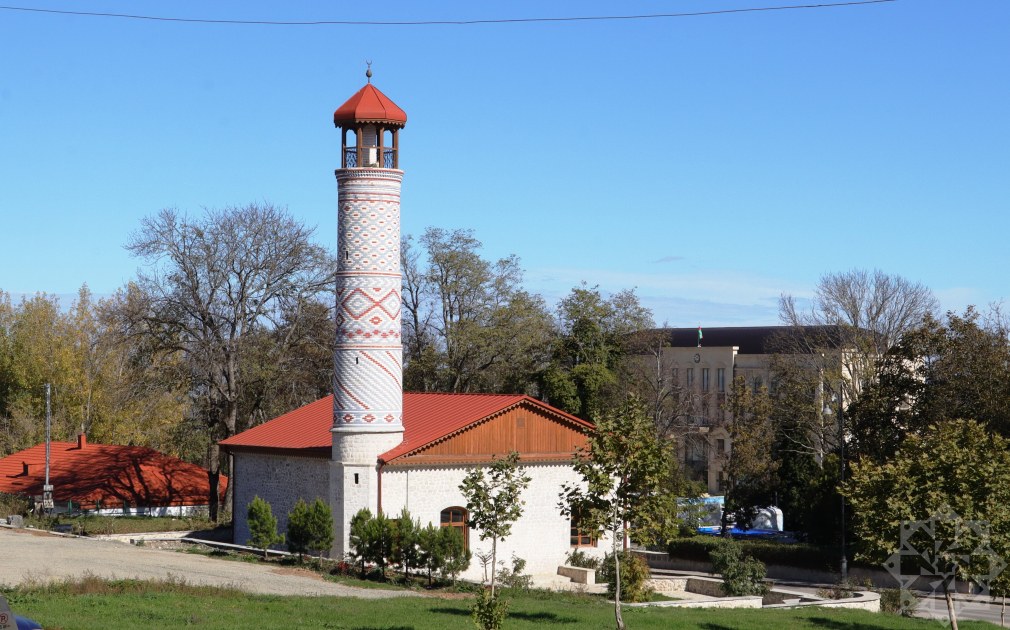
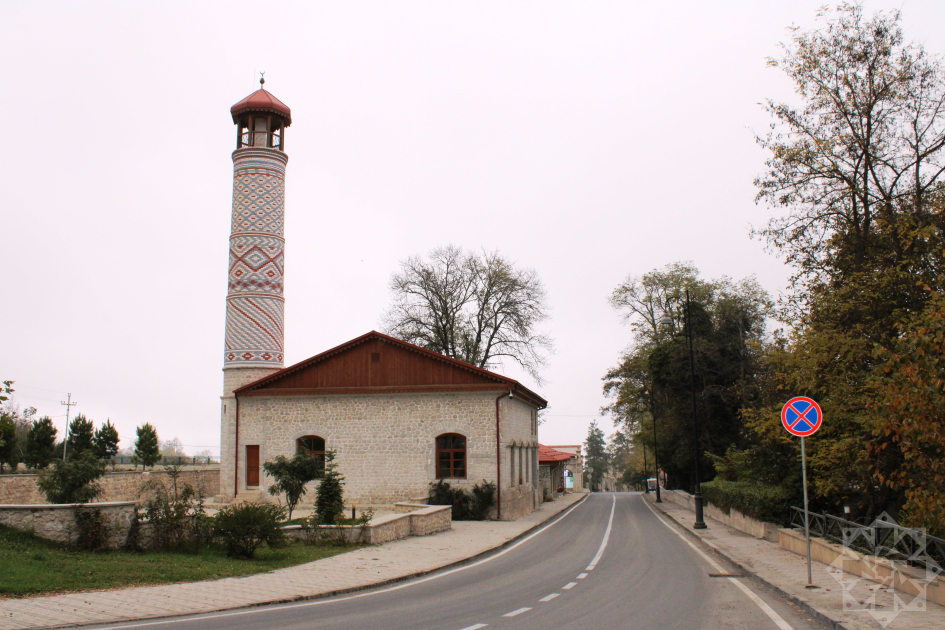
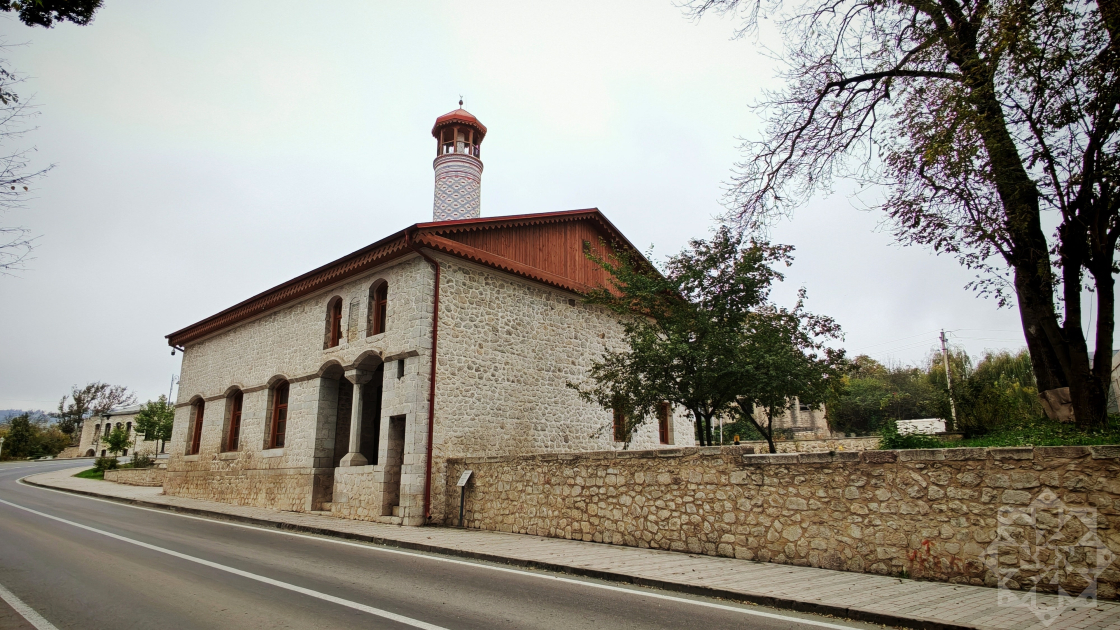
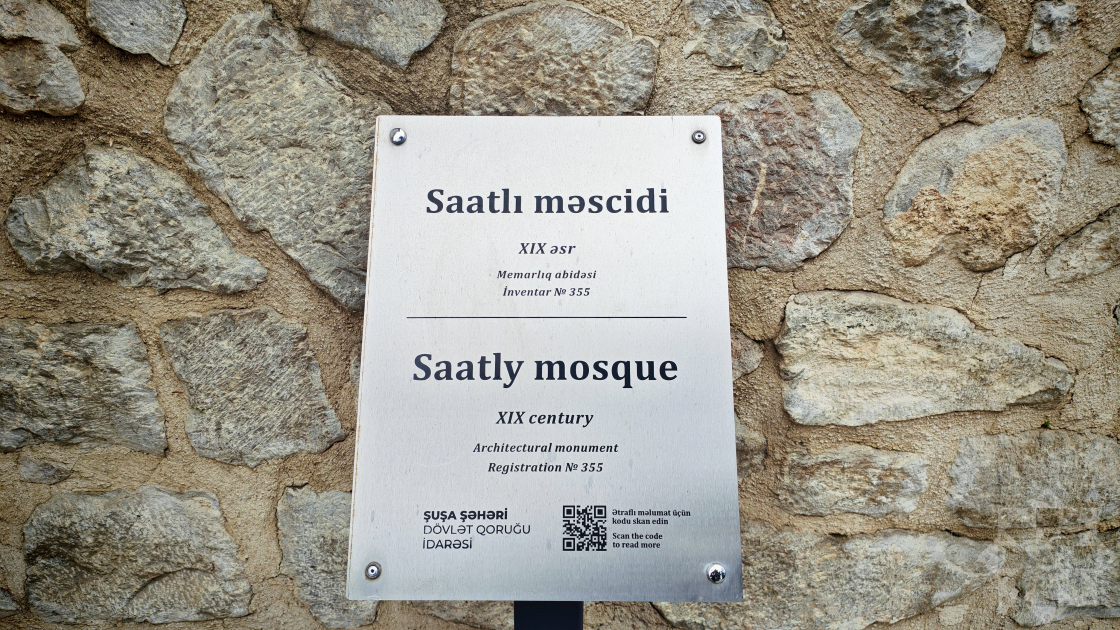
The Saatli Mosque was built in the Saatli neighbourhood in 1883 based on a design by architect Karbalayi Safikhan Garabaghi. The mosque’s minaret distinguishes it from other quarter mosques in Shusha.
The Chol Gala Mosque is located in the Chol Gala neighbourhood, considered part of the upper neighbourhoods of Shusha. This historical monument was constructed in the 19th century by Karbalayi Safikhan Garabaghi. Built without a minaret, like most mosques in Shusha, it consists of a rectangular main façade with an asymmetrically arranged common entrance. The interior of the Chol Gala Mosque is decorated with four octagonal stone columns that divide the common prayer hall into three sections.

Other news in this section


