WUF13 features discussions on Nature-Based Solutions for Resilient Arab Cities
Baku, May 19, AZERTAC
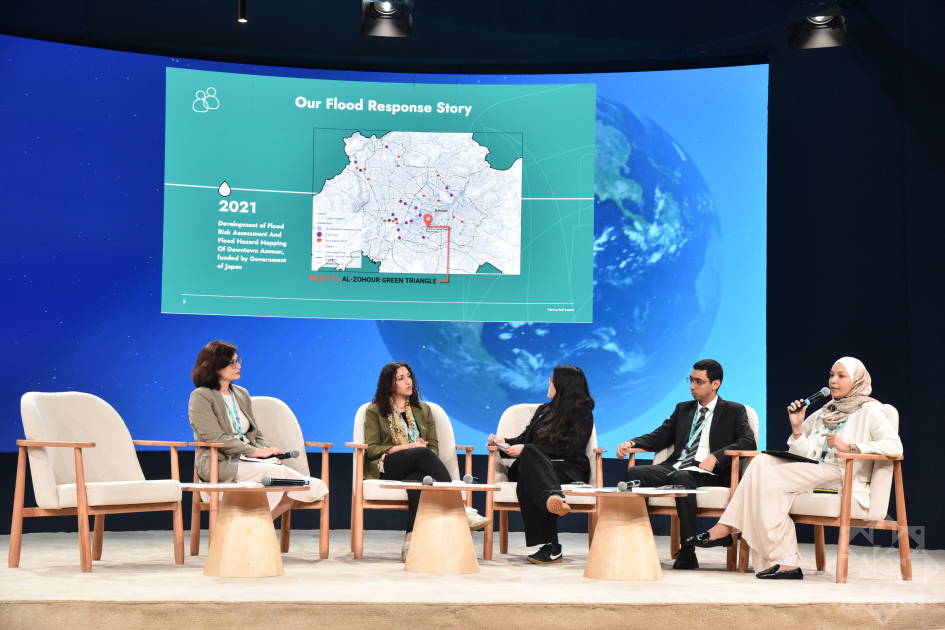
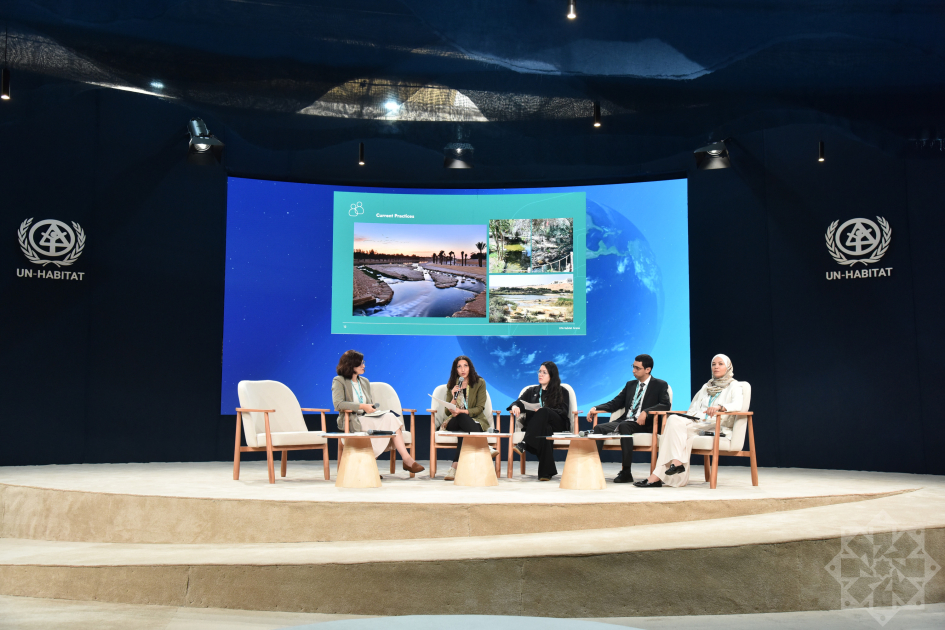
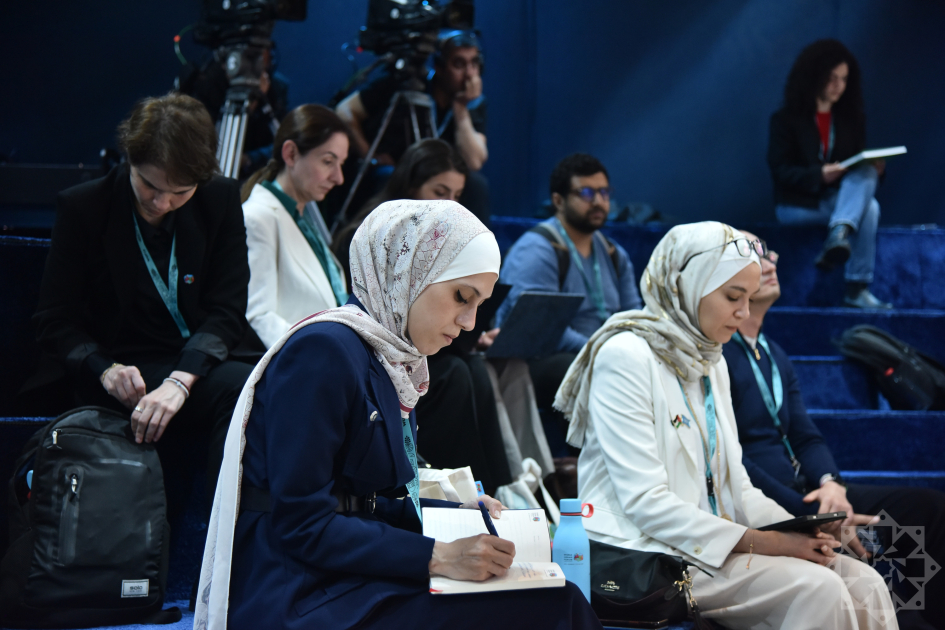
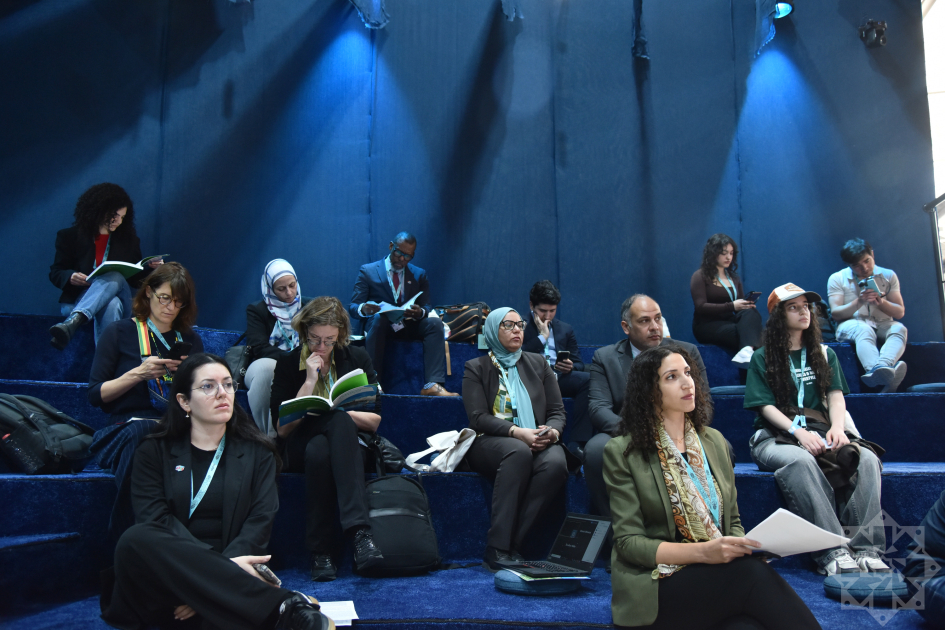
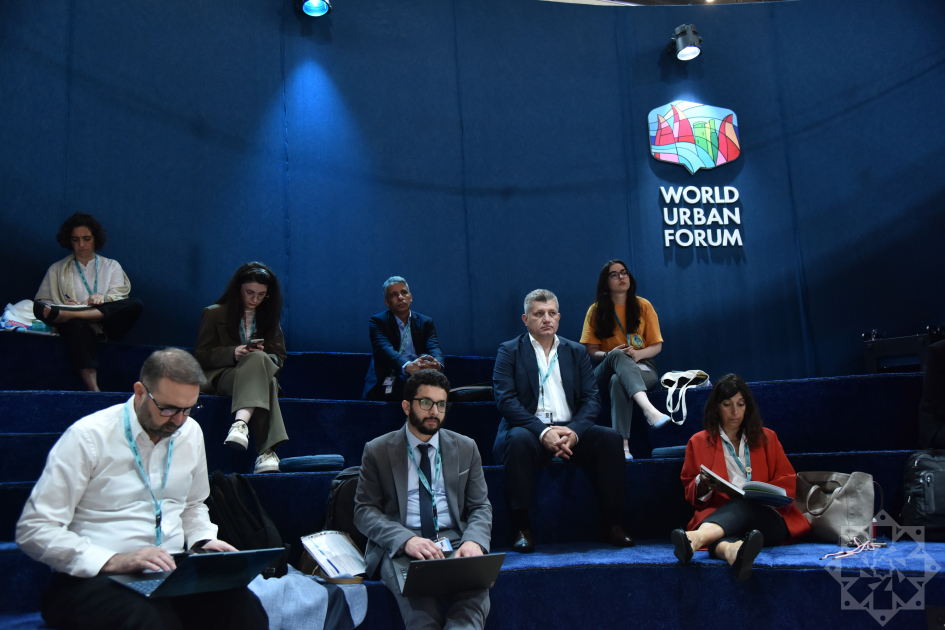
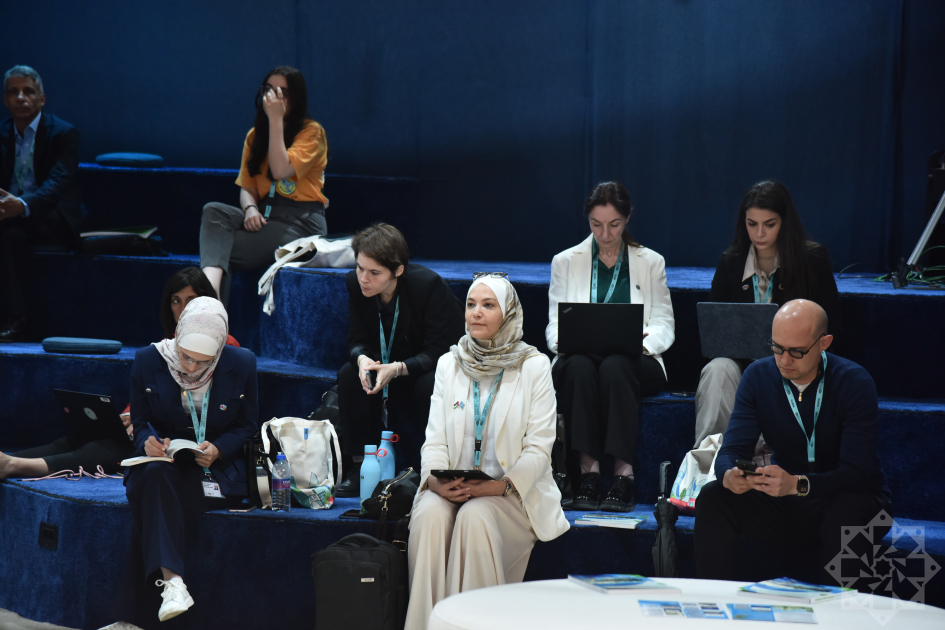
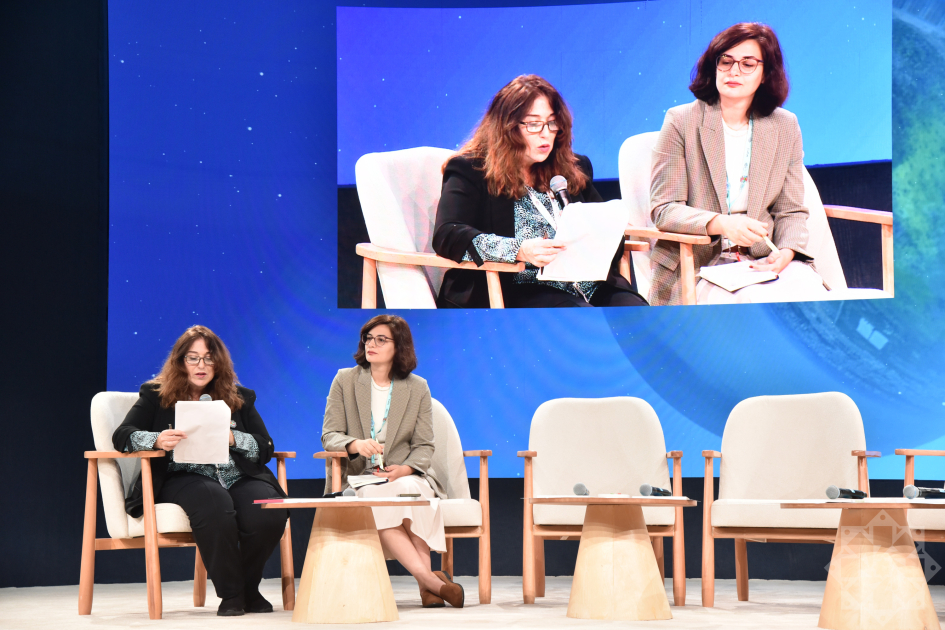
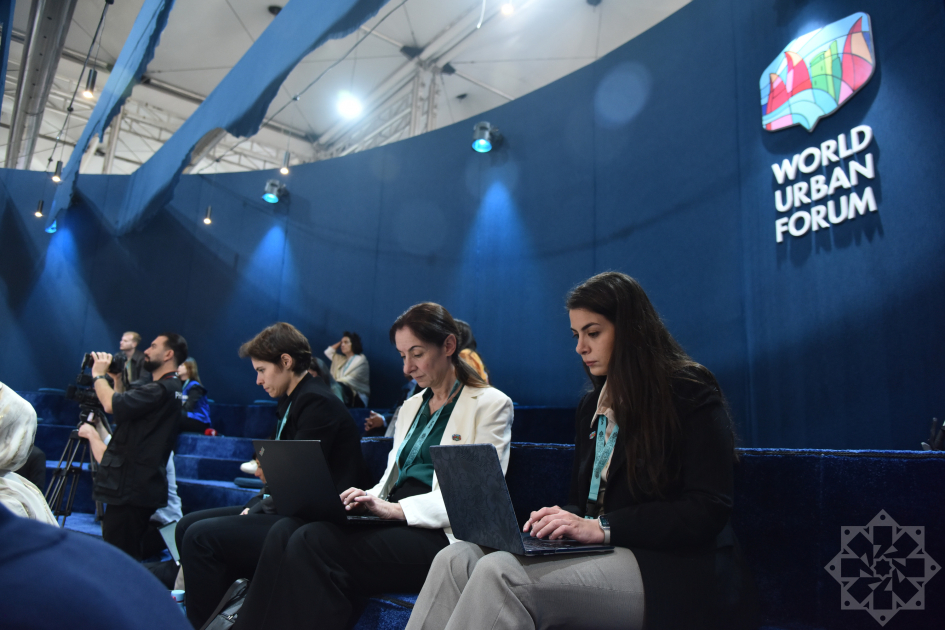
On May 19, an international event titled “Nature-Based Solutions for Resilient Arab Cities: From Local Action to Urban Transformation” was held as part of the WUF13.
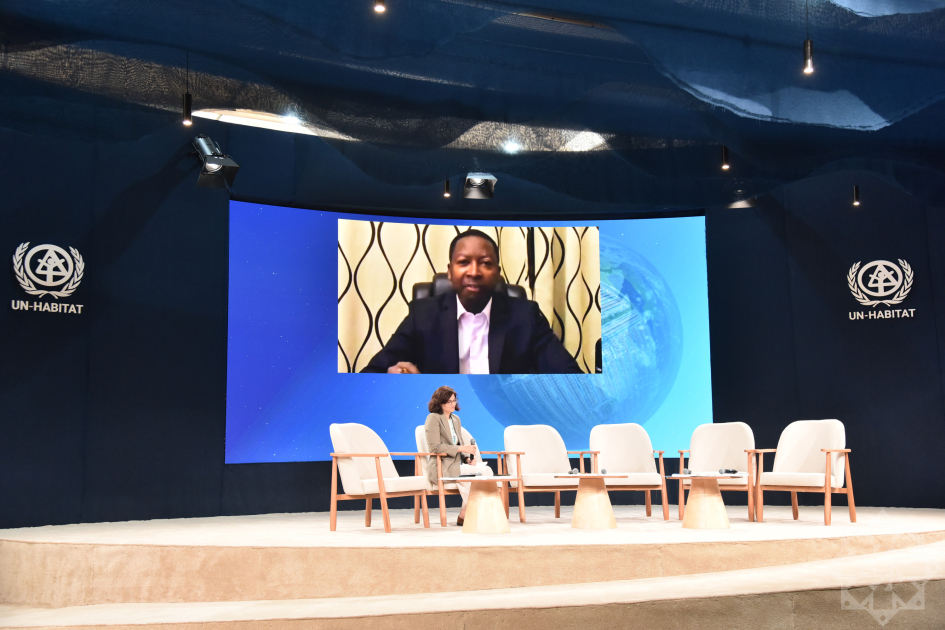
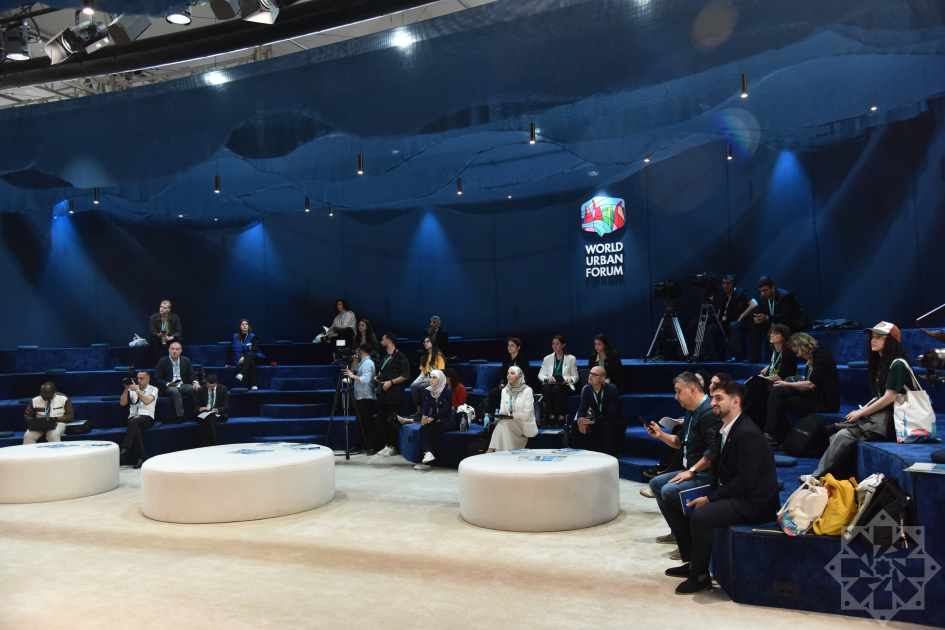
The event was organized by UN-Habitat with the support of its global partner, the Islamic Development Bank, and took place at the UN-Habitat Arena located at the Baku Olympic Stadium.
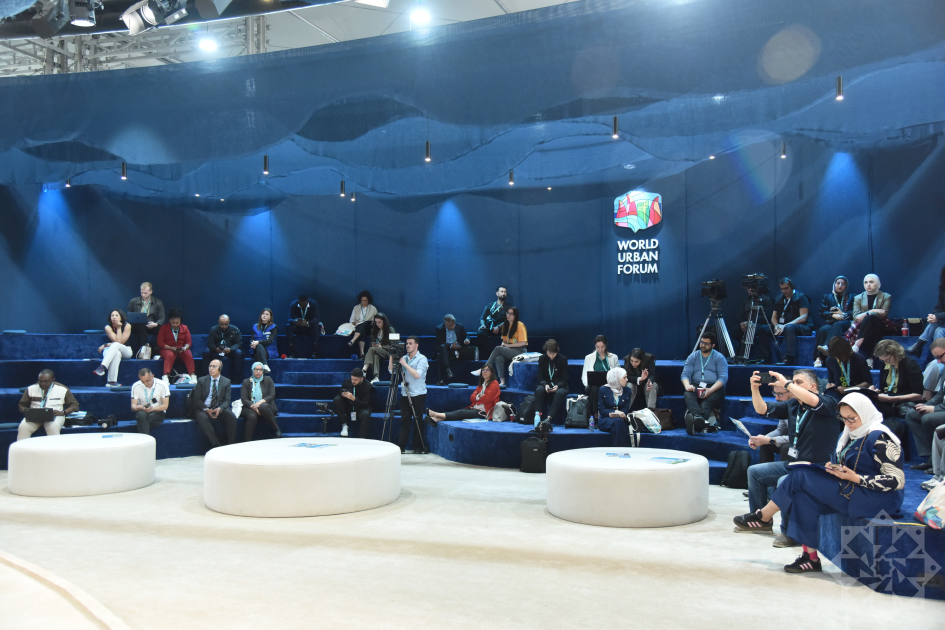
Representatives of international organizations, city administrations, sustainable development experts, environmentalists, and urban planners gathered to discuss the role of nature-based solutions in the transformation of modern cities in the Arab world. The main focus was placed on the application of environmentally sustainable approaches in urban planning, infrastructure development, and climate change adaptation.
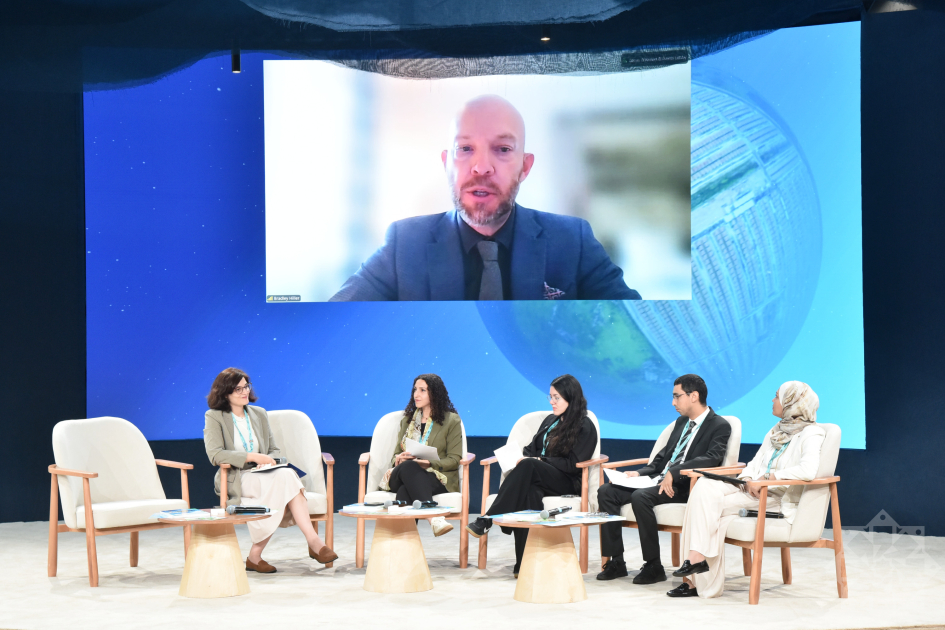
Idrissa Dia, Acting Director of the Sustainability and Climate Action Department at the Islamic Development Bank, addressed the participants via video message. He noted that rapid urbanization, water scarcity, rising temperatures, and environmental degradation pose serious challenges for cities across the Middle East and North Africa. In this regard, nature-based solutions are described as one of the most effective ways to strengthen urban resilience.
Rania Hedeya, Regional Director, UN-Habitat ROAS, delivered a presentation, stressing that sustainable urban development is not possible without the active engagement of local communities and the integration of nature-based solutions into public policy.
She further emphasized that cities must be more inclusive, environmentally sustainable, and resilient to climate risks, highlighting that international cooperation plays a vital role in achieving these objectives.
Experts highlighted successful green infrastructure examples, including urban parks, ecosystem restoration, sustainable water systems, and greener public spaces, noting their benefits for the environment, quality of life, social resilience, and economic opportunities. They also discussed financing environmental projects and strengthening partnerships between financial institutions and municipalities, with the Islamic Development Bank stressing support for innovative, climate-resilient urban initiatives.
Participants discussed city-to-city experience sharing and the development of education and research in sustainable urbanism, noting that local initiatives can support large-scale urban transformation and improve urban safety and livability. They also highlighted that WUF13 in Baku brings together global stakeholders to address urban challenges. Organizers said the discussions will strengthen international cooperation and accelerate nature-based approaches in urban policy across the Arab region.
Other news in this section


