Yekaterinburg incident pushes bilateral relations toward a crisis point – COMMENTARY
Baku, June 29, AZERTAC
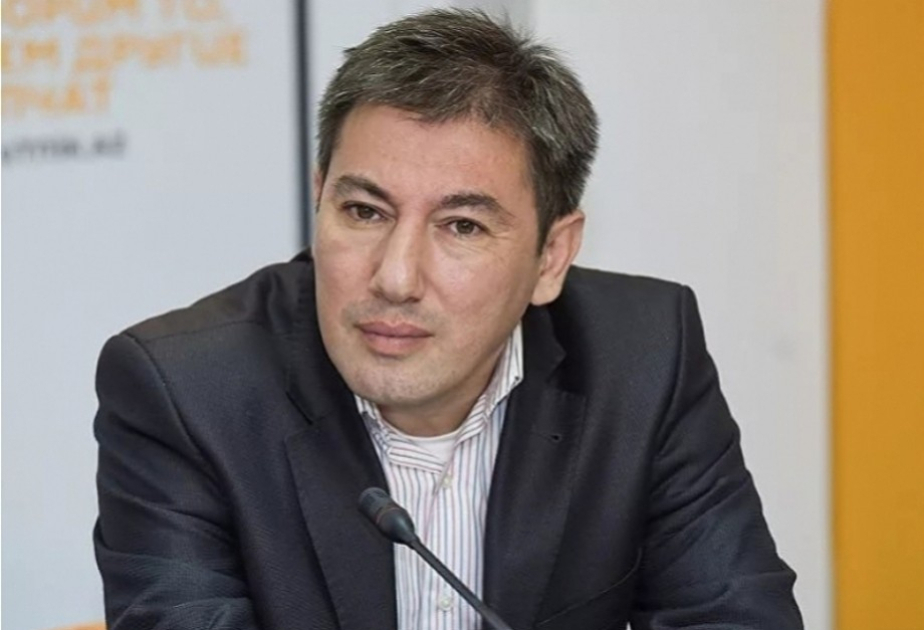
“The Yekaterinburg incident and the anti-Azerbaijan rhetoric from Russian opinion leaders are further straining the already complex relations between the two countries, bringing them close to a crisis point,” said political scientist Ilgar Valizade in a commentary to AZERTAC regarding the raids on Azerbaijani homes in Yekaterinburg.
On the morning of June 27, Russian law enforcement conducted an operation targeting over ten residences of Azerbaijanis in Yekaterinburg, resulting in the detention of numerous individuals, including members of the Safarov family from Aghdam. Two brothers, Ziyaddin and Huseyn Safarov, were killed, and several others were hospitalized.
“The events in Yekaterinburg are beyond any acceptable framework, as the actions of law enforcement cannot be justified within their legal authority. Testimonies from the Safarov family members indicate that unlawful force was used against them, exceeding the powers of law enforcement and violating both Russian legislation and regulations governing their operations. We base this on statements from witnesses and participants, which paint a picture of official authorities overstepping their bounds, leading to the tragic deaths of Azerbaijanis in Yekaterinburg,” Valizade said.
He emphasized the need for an objective investigation, noting that Azerbaijan’s Ministry of Foreign Affairs, in its statement, underscored the importance of a thorough investigation in line with Russian law, identifying those responsible, and taking measures under the Russian Criminal Code.
“Against this backdrop, we also witness unhealthy media discussions fueled by some Russian socio-political figures. Notably, Pyotr Tolstoy, Deputy Speaker of the State Duma, has called for harsher measures against Azerbaijanis and for limiting Azerbaijan’s ‘interference.’ He labeled Azerbaijan’s Foreign Ministry statement as meddling in Russia’s internal affairs, claiming Russian law enforcement has the right to act this way and that Azerbaijan has no right to intervene or impose conditions. However, such claims do not reflect reality. Some Russian public figures assert that all detainees are Russian citizens, but some are not, and others hold dual citizenship—both Russian and Azerbaijani. Thus, Azerbaijan has the right to demand a fair investigation, as this concerns its citizens. It is plausible that Baku could formally request Moscow for explanations regarding the fate of Azerbaijani citizens and even initiate its own investigation. I reiterate, this involves citizens of Azerbaijan, giving Azerbaijan the right to make such requests,” Valizade explained.
He noted that some Russian YouTube channels, citing Tolstoy, claim Azerbaijan is “acting too freely and forgetting who Russia is.” Valizade called such veiled threats unacceptable, regardless of their source, as they contradict the spirit and text of the Declaration on Allied Interaction between the two countries.
“Regarding bilateral relations, unfortunately, dialogue was severely disrupted after the shooting down of an AZAL plane on the Baku-Grozny route. Azerbaijan’s demands to Russia remain unfulfilled, and Azerbaijan has not yet received preliminary investigation results, to which it is entitled. Now, amid this serious tension, another incident has occurred, significantly worsening bilateral relations and bringing them to a near-crisis state. Yesterday, the planned visit of Russian Deputy Prime Minister and co-chair of the Azerbaijan-Russia Intergovernmental Commission, Alexey Overchuk, to Azerbaijan was canceled, further indicating deteriorating relations,” Valizade added.
In his view, the growing criticism of Russia, not only from traditional geopolitical rivals but also from post-Soviet states with normal relations with Moscow, highlights the significance of the crisis in Azerbaijan-Russia relations. Ideally, relations should develop positively, as the two countries’ interests align on many regional and international issues. However, this crisis undermines the natural progress of relations built in recent years, and, as seen, this is not Azerbaijan’s fault. Regarding the Yekaterinburg tragedy specifically, Valizade stressed that it resulted from law enforcement exceeding its authority.
“I reiterate that the anti-Azerbaijan rhetoric from some opinion leaders, exploiting this tragedy to bolster their image and escalate tensions, is unacceptable and further complicates already strained Azerbaijan-Russia relations. I call on Russian officials to urge their media and politicians to refrain from provocative statements and show respect for Azerbaijan. Such provocative remarks deepen the crisis and worsen the situation. Azerbaijan rightly expects Russia to respond to the demand for an objective investigation into the detention and unlawful treatment of Azerbaijani citizens, including many Safarov family members,” Valizade concluded.
Other news in this section


