Azerbaijan–Bulgaria strategic partnership discussed in Sofia

Baku, October 22, AZERTAC
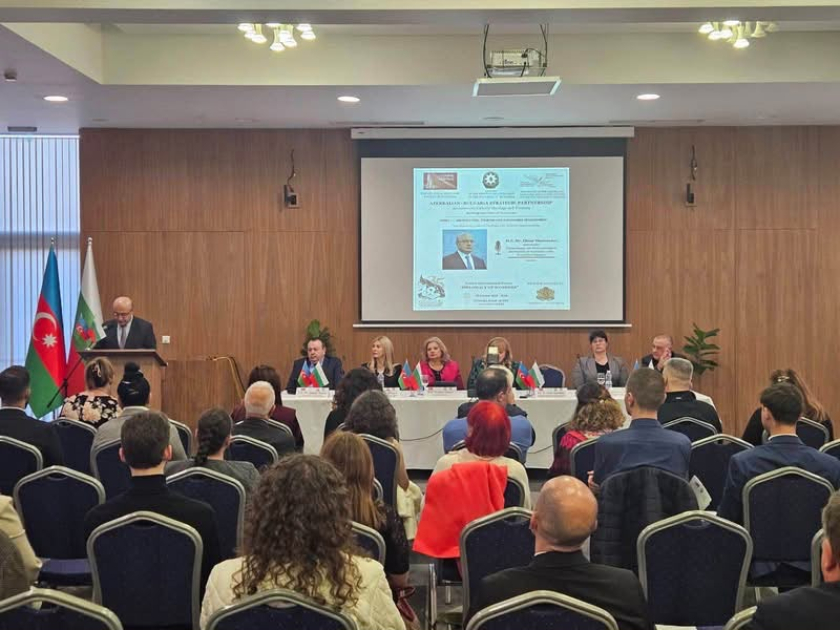
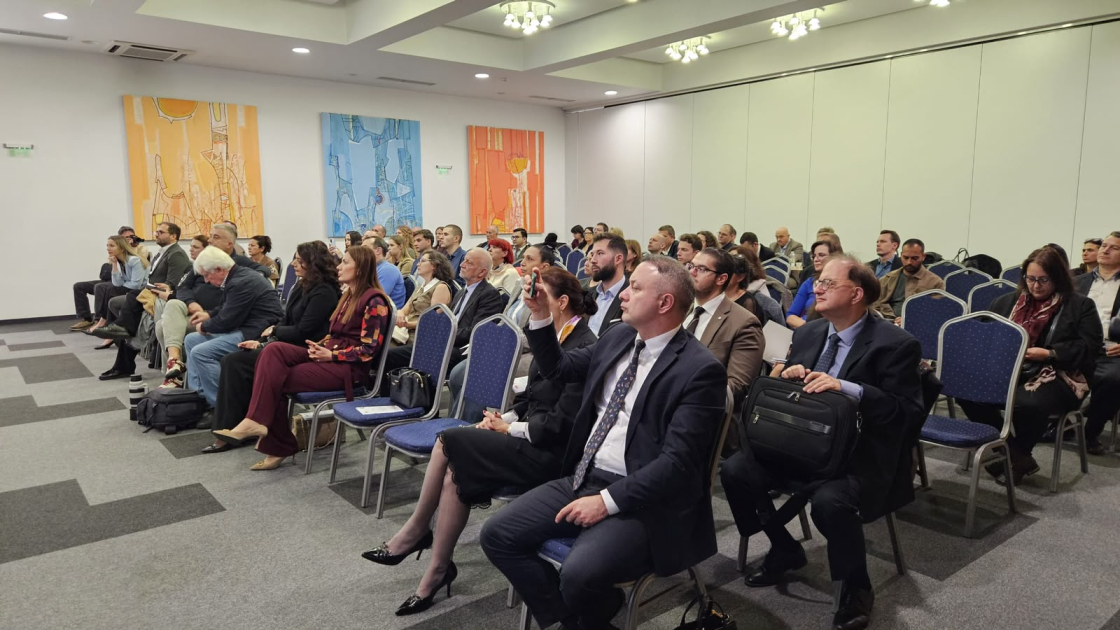
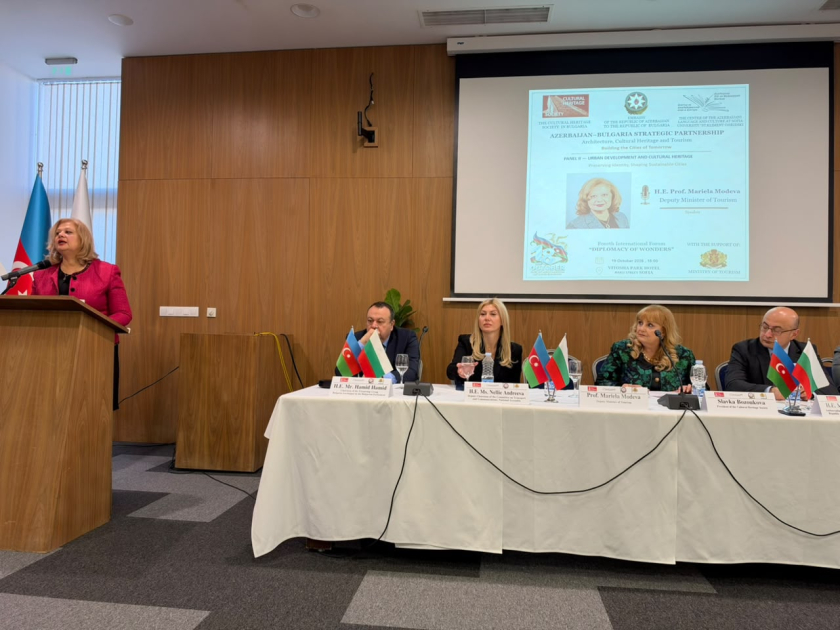
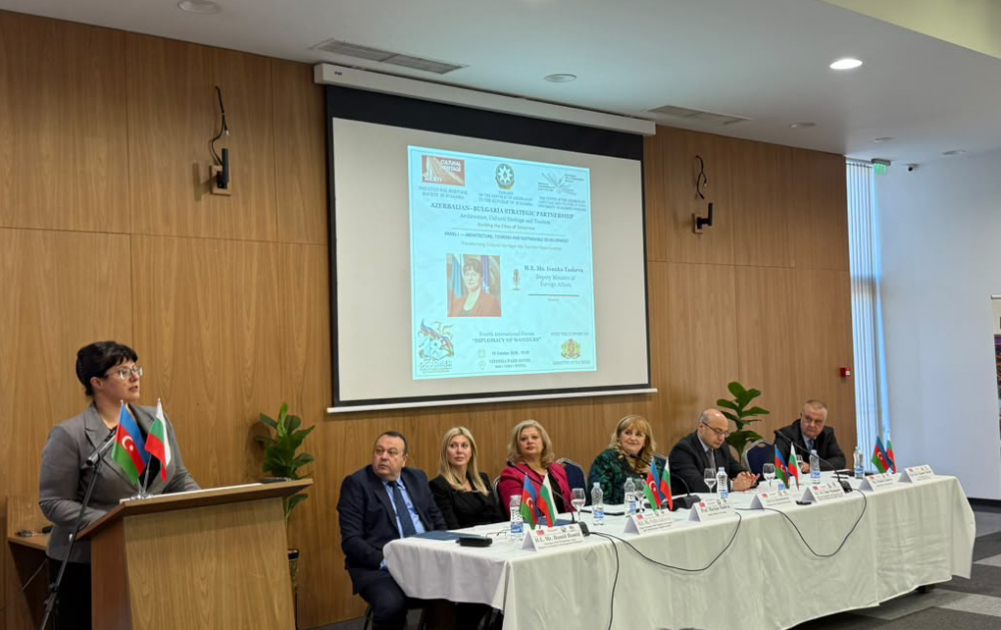
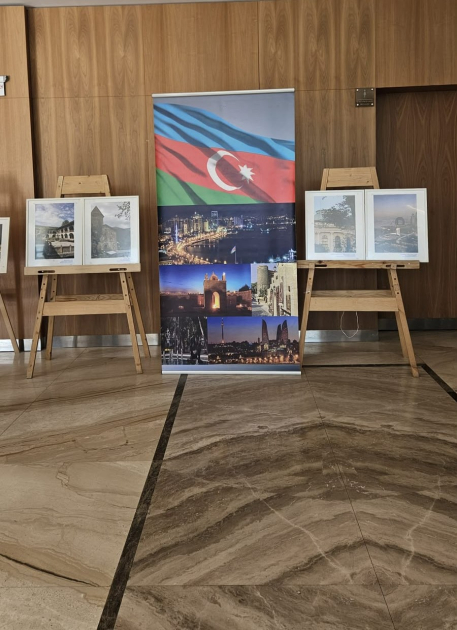
An event highlighting the Azerbaijan–Bulgaria strategic partnership through architecture, urban planning, cultural heritage, and tourism was held on Baku Street in Sofia, Bulgaria.
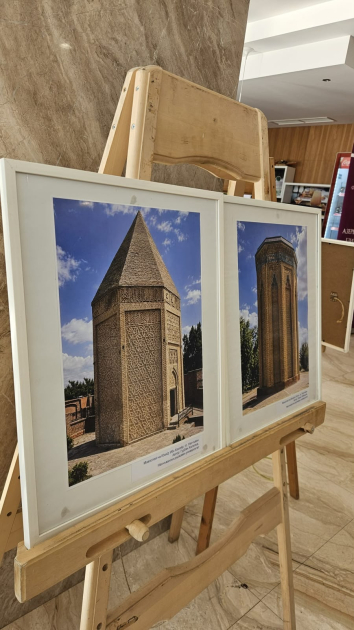
Organized to mark the 35th anniversary of the Day of Restoration of Azerbaijan's Independence and the "Year of Urban Planning and Architecture," the occasion also commemorated the 900th birth anniversary of 12th-century Azerbaijani architect Ajami Nakhchivani.
Co-organized by Bulgaria's Ministry of Tourism, the "Wonders of Bulgaria" campaign, and the Baku Slavic University Center of Azerbaijani Culture and Language at Sofia University, the event underscored shared efforts to deepen cultural dialogue and sustainable urban development.
Discussions focused on developing joint cultural and architectural tourism routes, promoting Azerbaijan’s historic cities in Bulgaria, and expanding cooperation between cities, universities, architects, and tourism organizations of both countries.
Elmar Mammadov, Azerbaijani Ambassador to Bulgaria, invited Bulgarian tour operators to explore Azerbaijan’s rich architectural and cultural heritage.
Meanwhile, the "Wonders of Bulgaria" initiative was invited to hold events in Azerbaijan to showcase the country’s cultural heritage, historic cities, Black Sea coast, ski areas, and mineral spa resorts.
Participants stressed the importance of strengthening air links between Azerbaijan and Bulgaria. Expanding cooperation among airlines and tour operators, creating attractive packages, and promoting mutual tourism could foster sustainable direct flights between the capitals and other cities.
Speakers highlighted both countries’ strategic roles in regional and international transport and economic connectivity. They emphasized that increased investment in tourism, academic exchanges, and cultural cooperation could add new momentum to the Azerbaijan–Bulgaria strategic partnership and yield tangible mutual benefits.
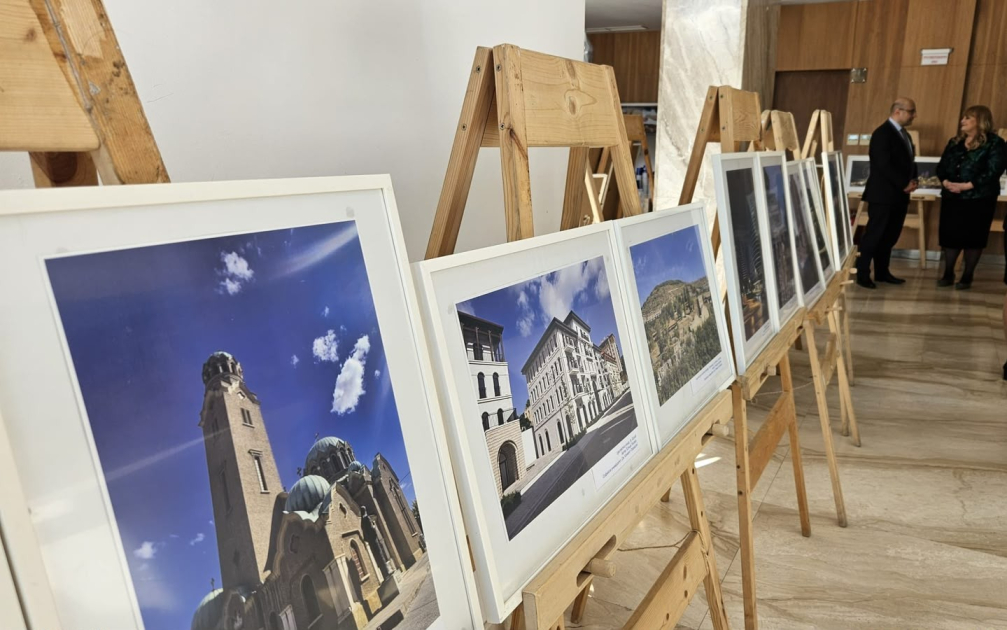
The event also featured a student exhibition highlighting the architectural heritage of sister cities: Ganja and Varna, Shusha and Veliko Tarnovo, Nakhchivan and Veliko Tarnovo, Sumgayit and Burgas, and Sheki and Gabrovo.
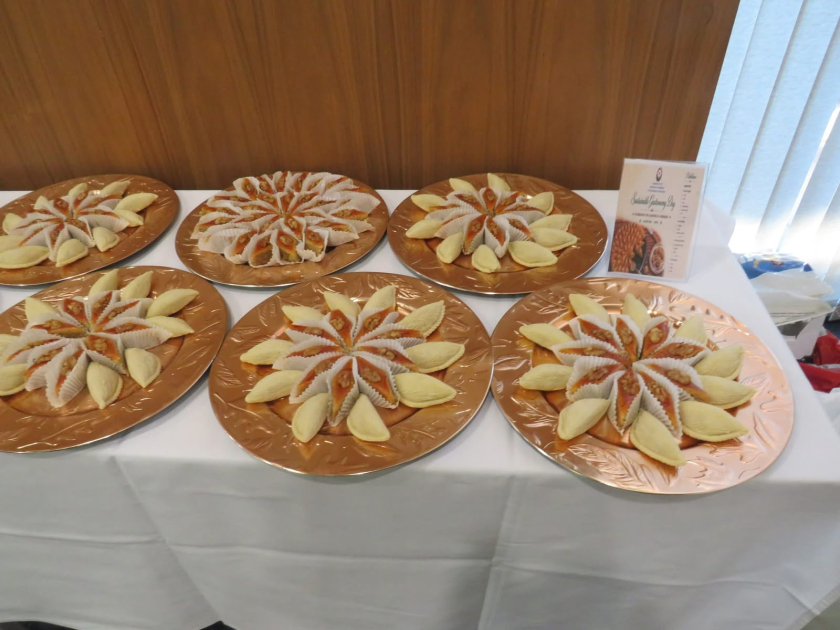
Guests were treated to traditional Azerbaijani cuisine, including dolma, shah plov, and national sweets such as pakhlava and shekerbura. Pomegranates, a symbol of abundance and culinary tradition, also allowed attendees to experience the country’s rich gastronomic heritage.
Participants expressed confidence that joint efforts in architecture, urban planning, cultural heritage, and tourism would unlock new opportunities, strengthen strategic partnership, and bring the two peoples closer together.
The event was widely covered by leading Bulgarian media outlets.
Other news in this section


