International conference on “German Architecture in Azerbaijan” kicks off in Baku
Baku, June 11, AZERTAC
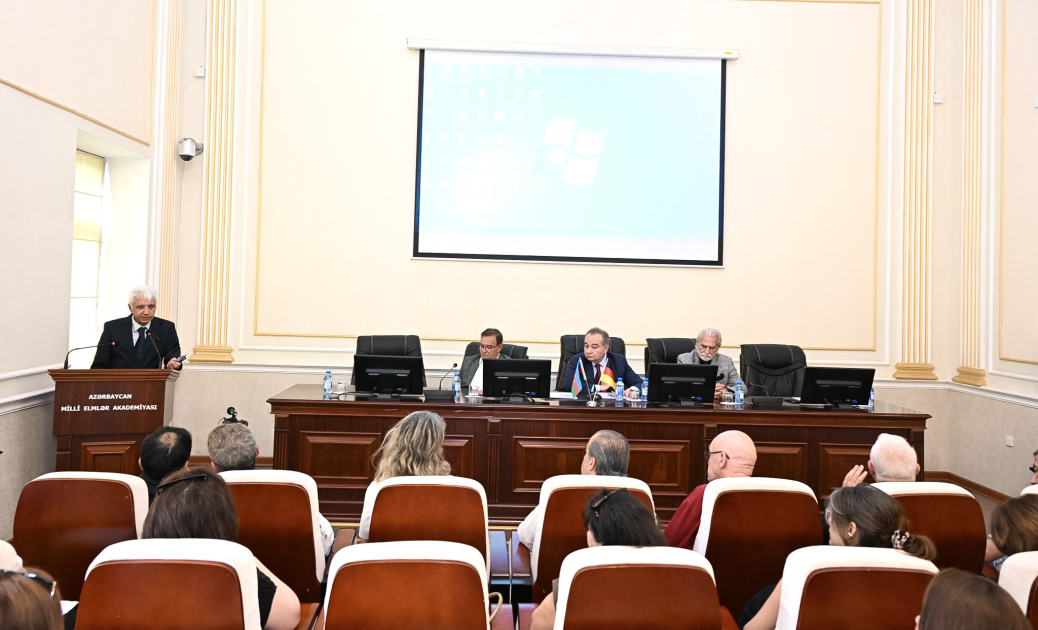
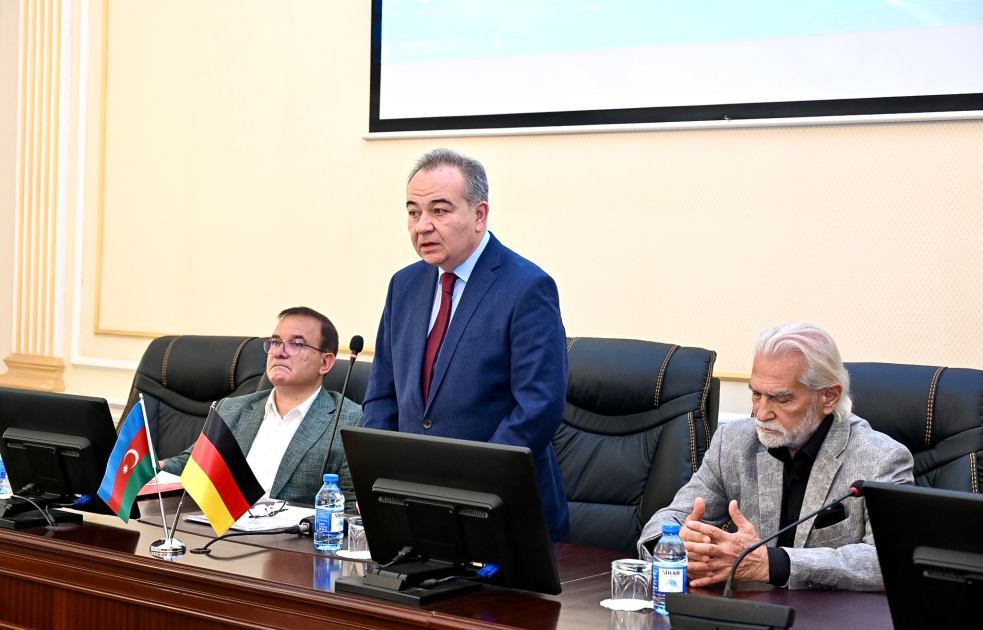
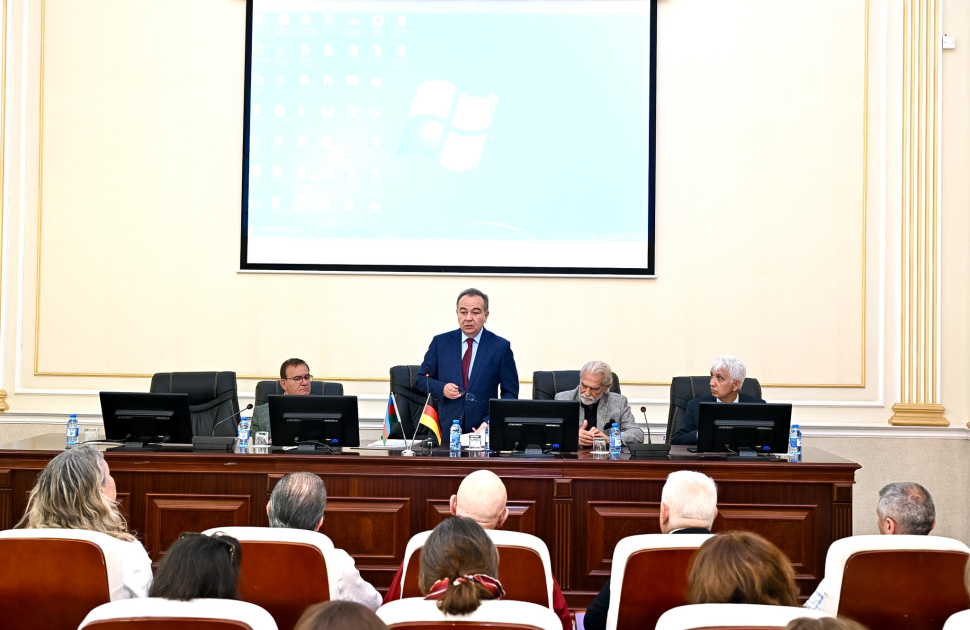
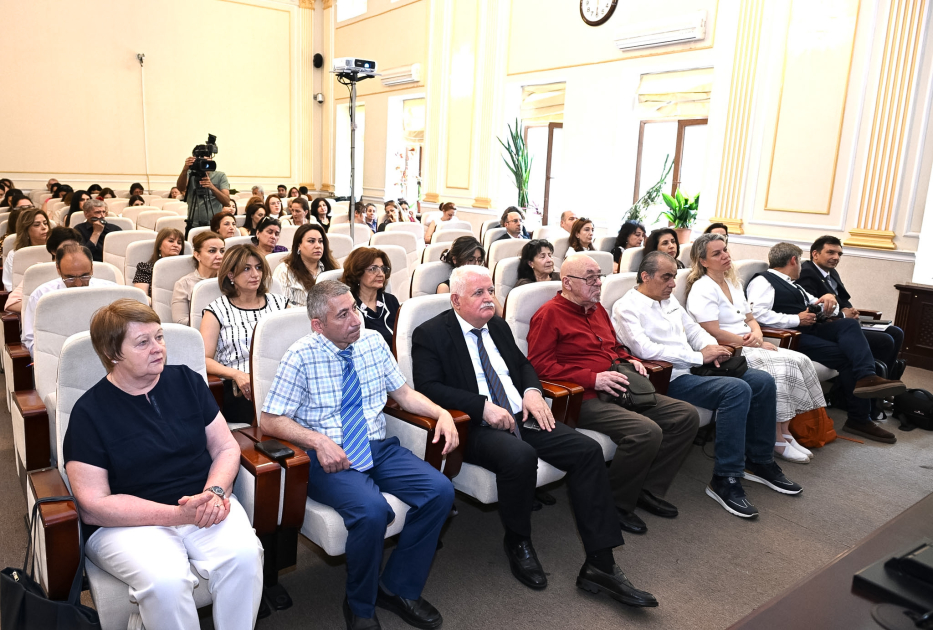
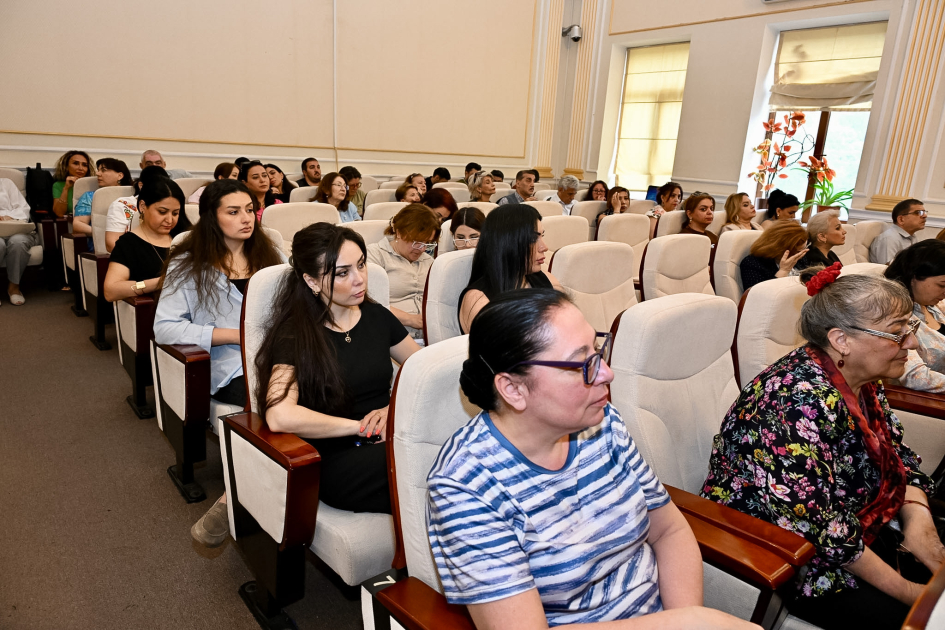
An international conference titled “German Architecture in Azerbaijan” commenced at the Azerbaijan National Academy of Sciences (ANAS) on June 11 as part of the “Year of Urban Planning and Architecture.”
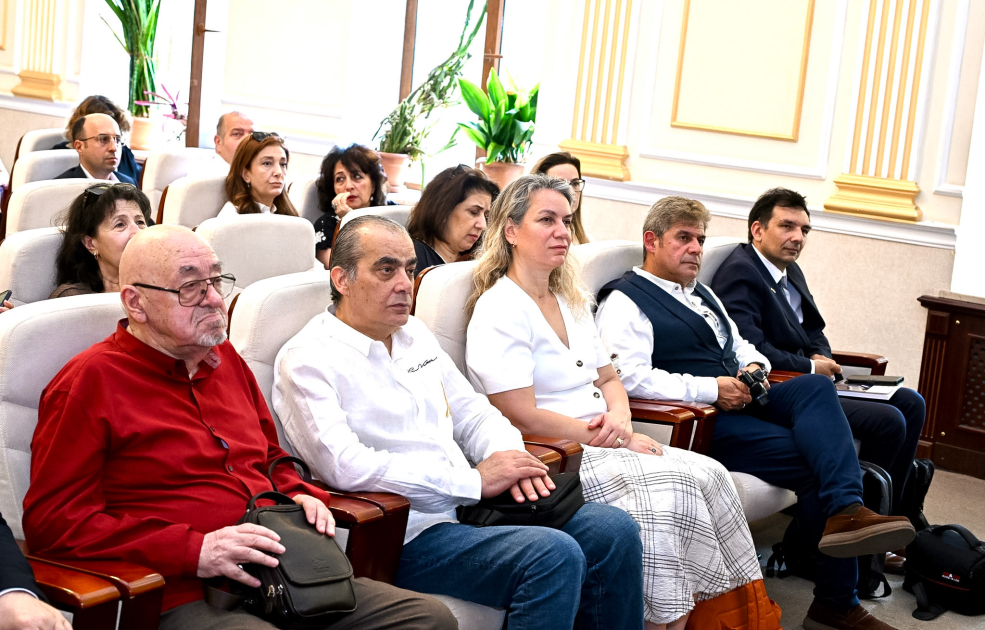
Co-organized by the German-Azerbaijani Society and the ANAS Institute of Architecture and Art, the conference brought together scholars from Türkiye, Germany, Georgia, and other countries, as well as prominent Azerbaijani architects, historians, and cultural figures.
The event began with a tour of a photo exhibition at the Faculty of Architecture of the Azerbaijan University of Architecture and Construction (AzUAC).
Addressing the attendees, AzUAC Rector Professor Gulchohra Mammadova, Chairman of the German-Azerbaijani Society Professor Chingiz Abdullayev, Deputy Chairman of the Azerbaijan Artists’ Union and People’s Artist Aghali Ibrahimov, and Dean of the Faculty of Architecture Professor Zahida Mammadova spoke about the academic and cultural significance of the exhibition.
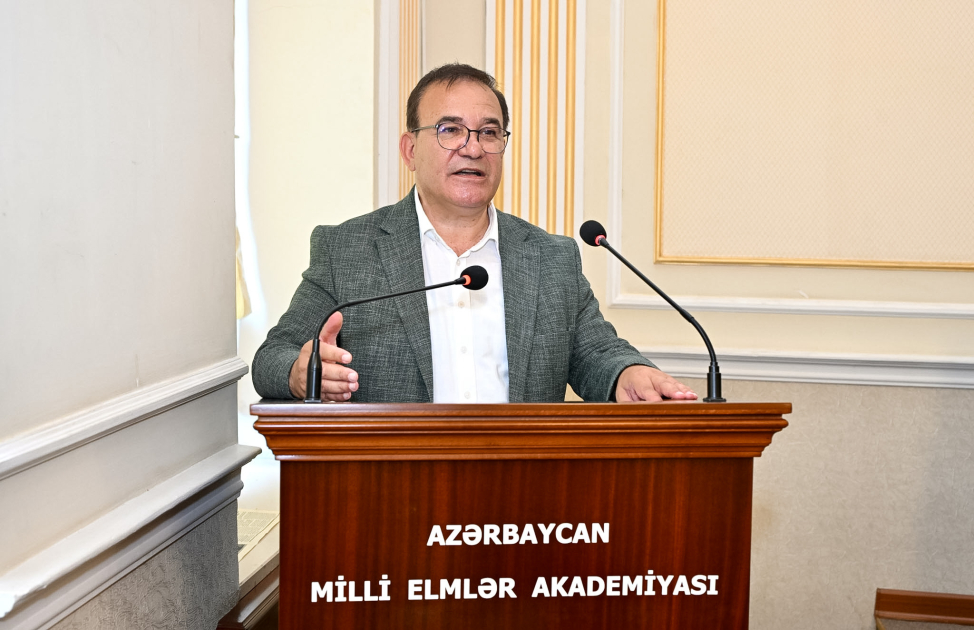
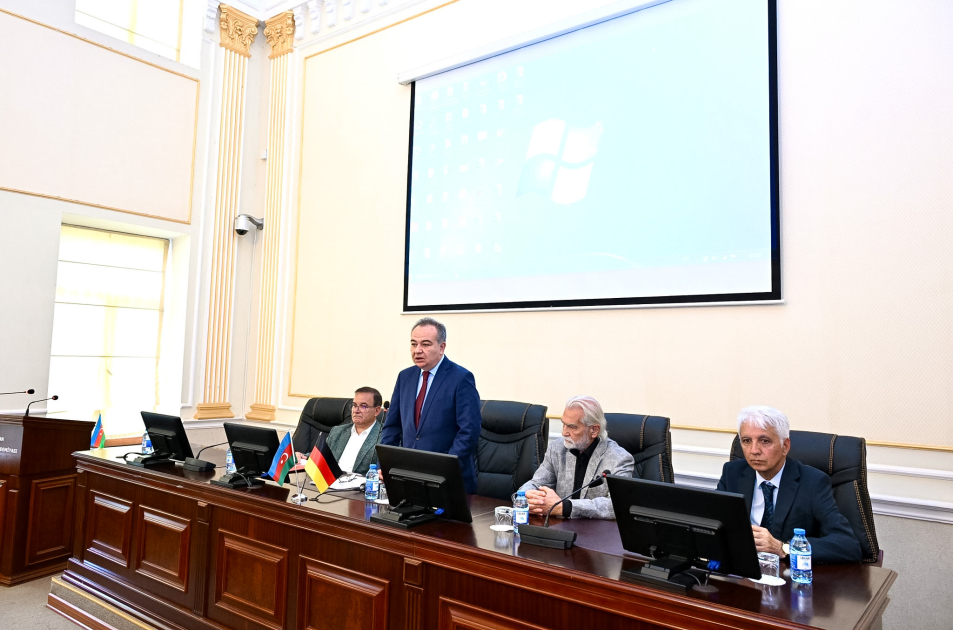
Opening the conference, Director of the Institute of Architecture and Art, Corresponding Member of ANAS Professor Artegin Salamzade, underscored that Azerbaijan’s “Year of Urban Planning and Architecture” and the upcoming World Urban Forum (WUF13) in Baku further reinforce the country’s growing role in global urban development. He highlighted the significant contribution of German architects to Baku’s architectural heritage and stressed the importance of preserving German architectural landmarks across Azerbaijan for future generations.
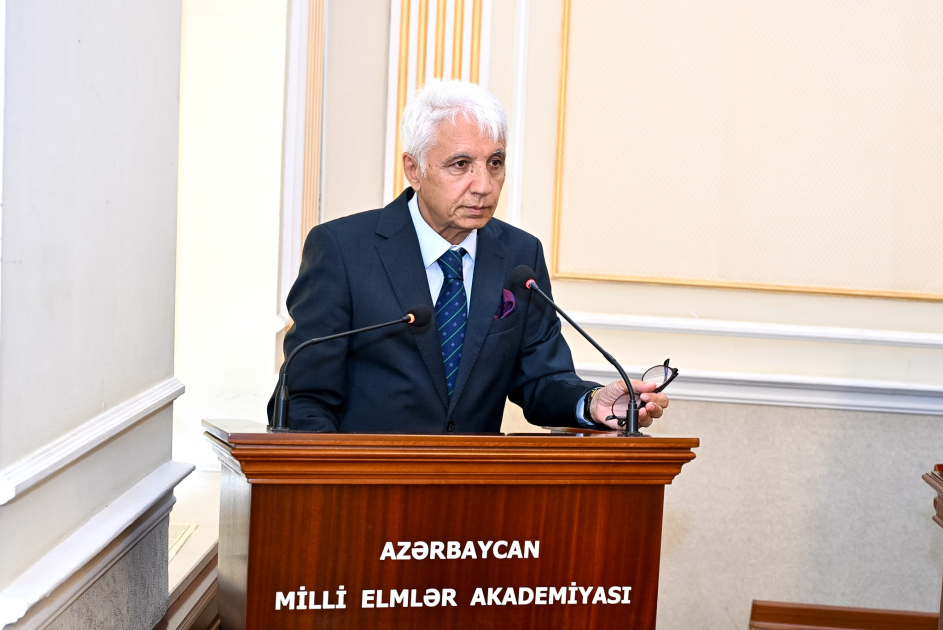
Professor Chingiz Abdullayev emphasized the importance of German architectural heritage in Azerbaijan, particularly in Goygol, Shamkir, and Gadabay. He highlighted Baku’s German Lutheran Church, built in 1899, as one of the finest examples of German architecture in the country.
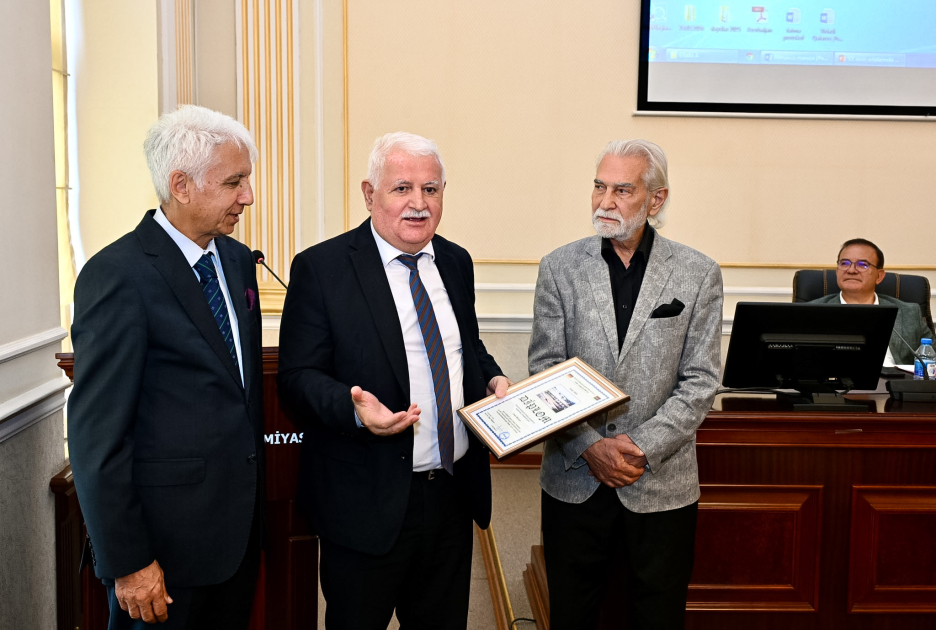
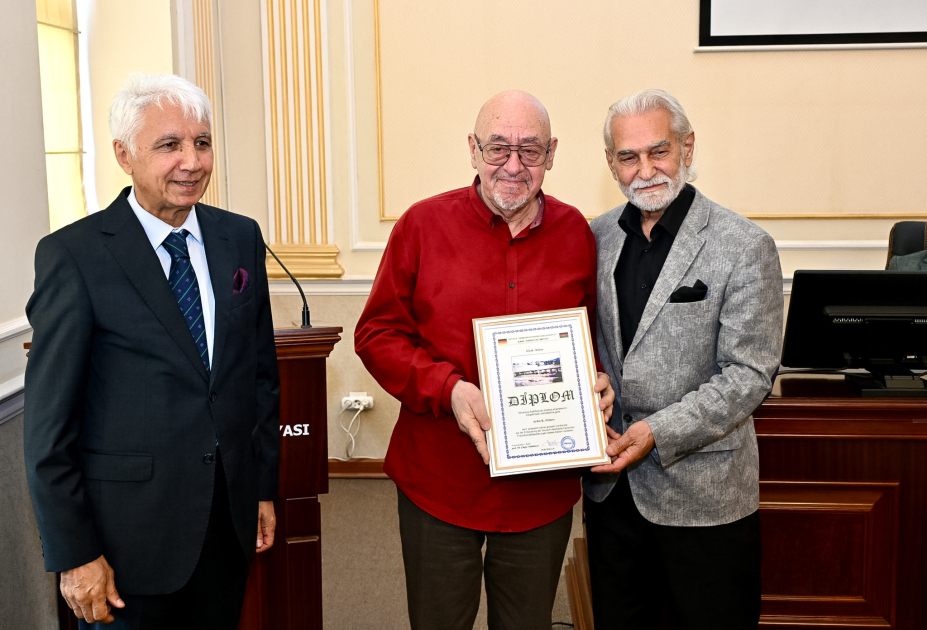
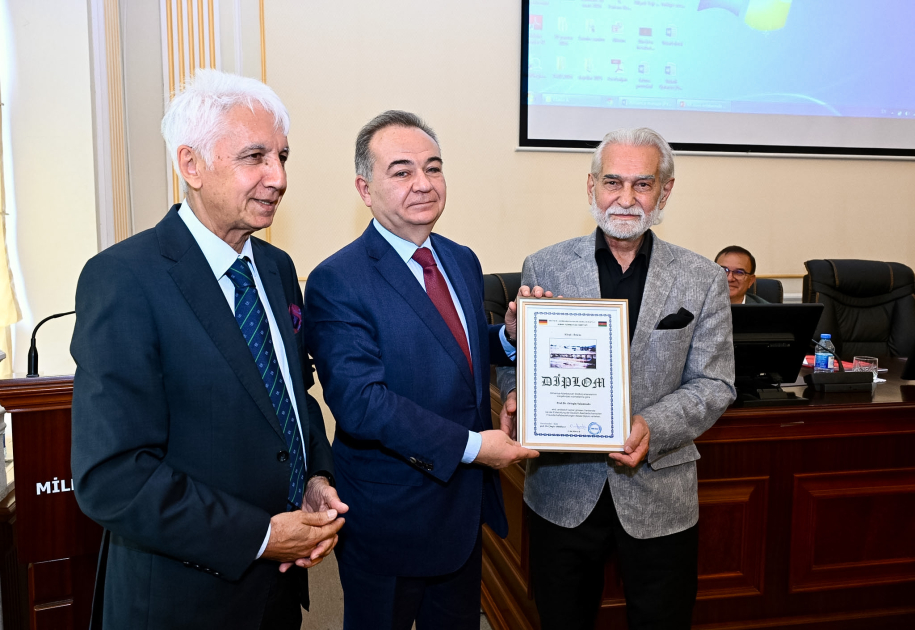
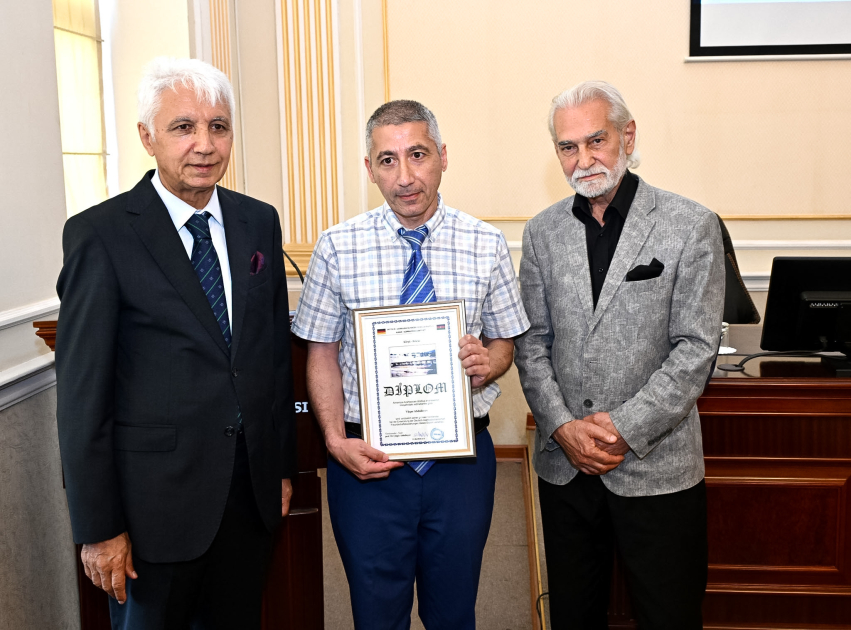
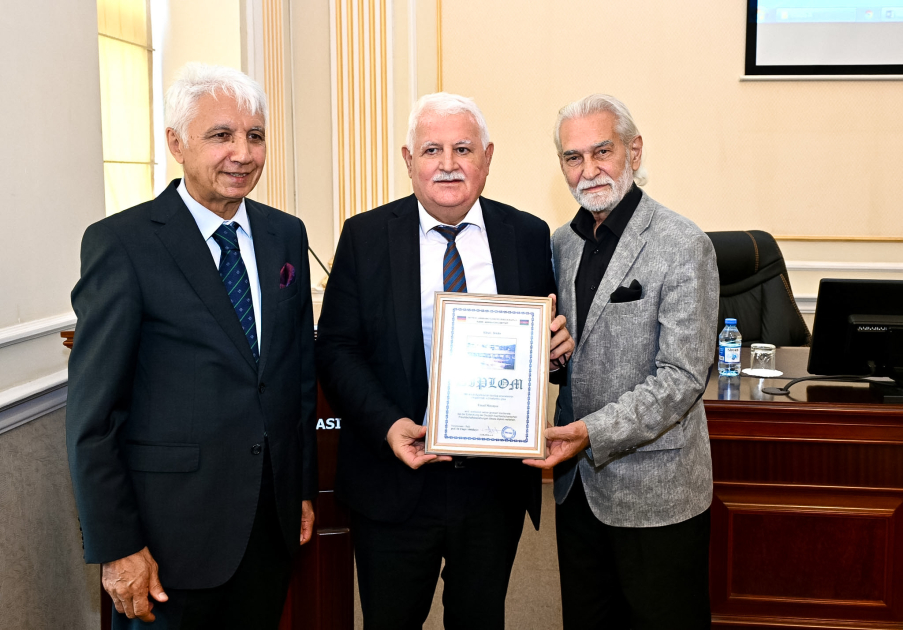
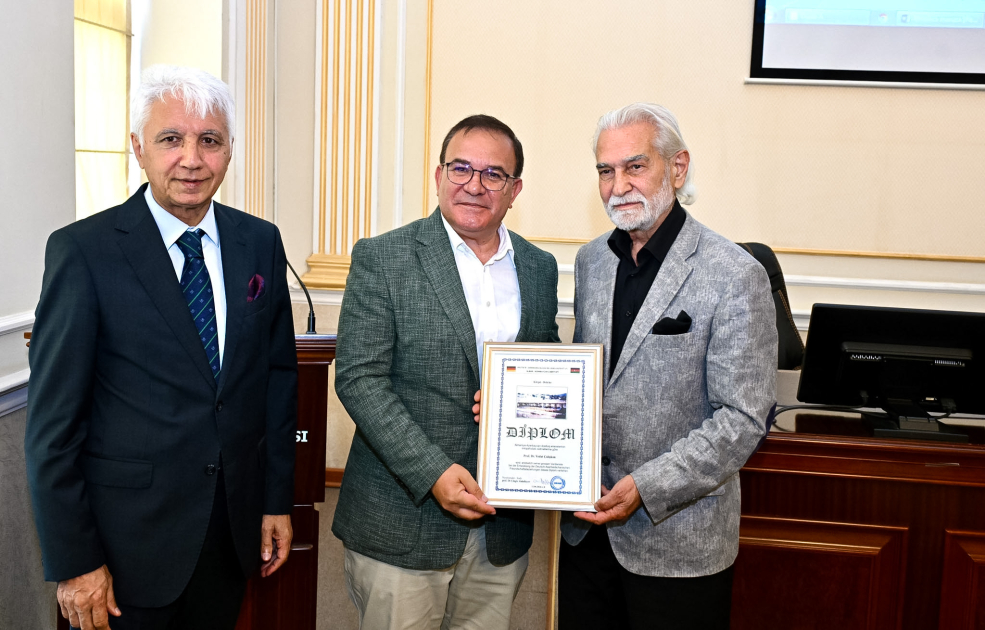
A group of individuals was also awarded diplomas by the German-Azerbaijani Society for their contributions to promoting German-Azerbaijani architectural cooperation and friendly relations.
The conference featured presentations by scholars and researchers from Türkiye, Germany, Georgia, and Azerbaijan. Speakers discussed the historical and social factors that shaped German architecture in the South Caucasus, the role of German architects in urban development, and the preservation of architectural heritage in various regions. They emphasized the importance of viewing architectural heritage not only as a historical asset but also as a source of cultural identity and a strategic resource for modern urban development.
On June 12, conference participants are scheduled to visit the Goygol district. The program includes a meeting with local authorities, tours of German architectural monuments, and visits to sites reflecting the region’s historical and cultural heritage.
Other news in this section


