International conference in Baku highlights media's role in decolonization
Baku, July 11, AZERTAC
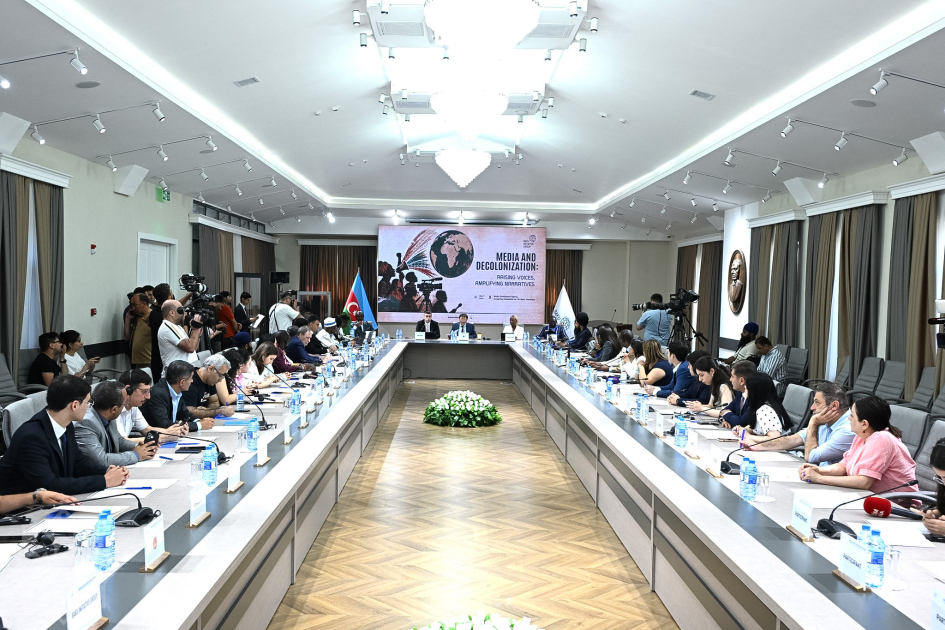
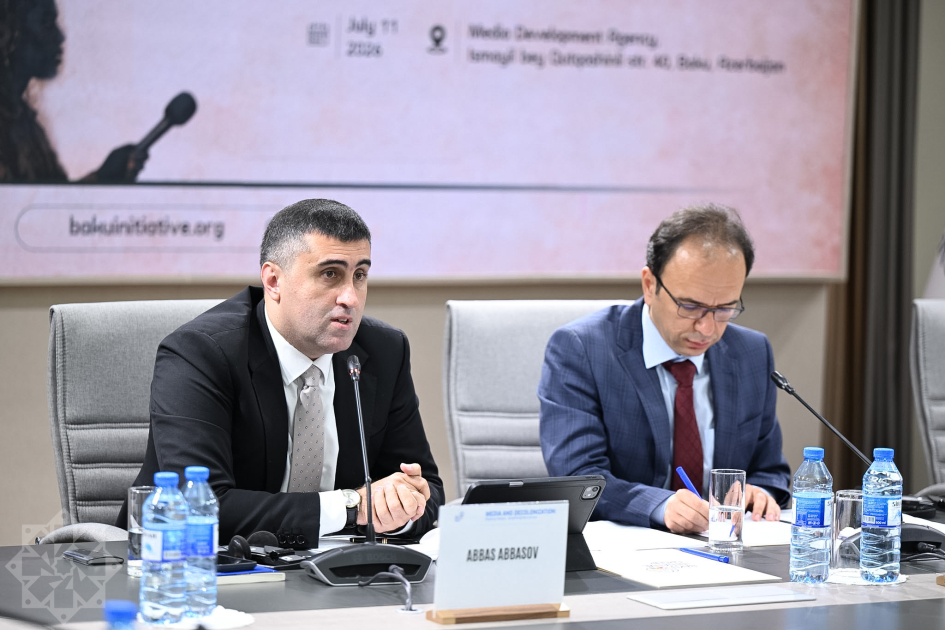
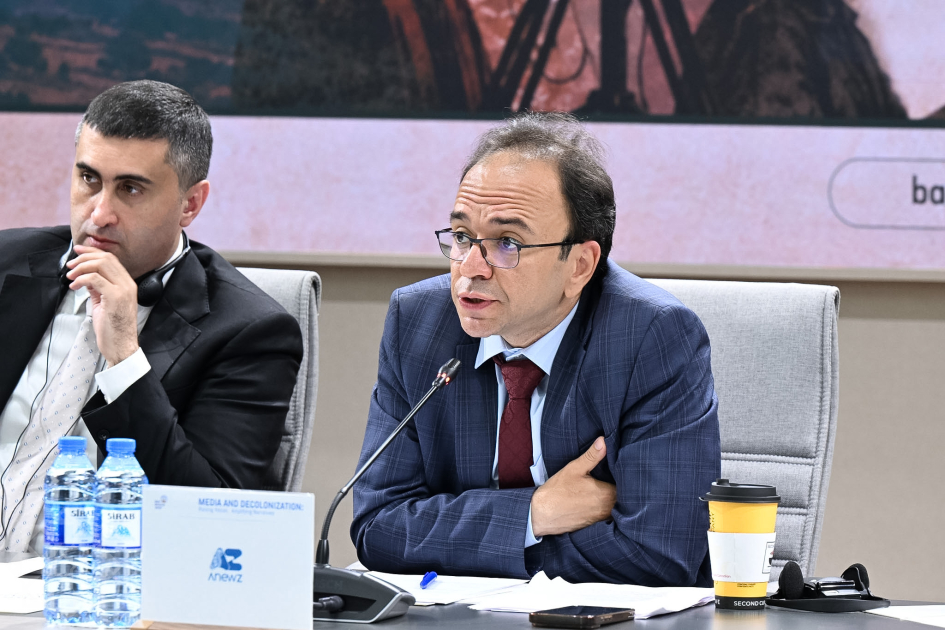
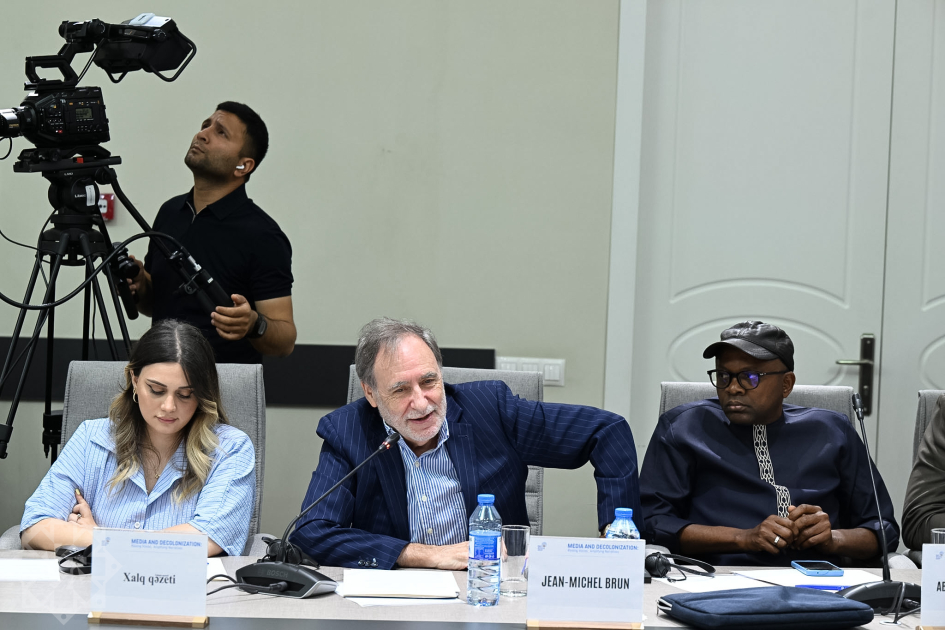
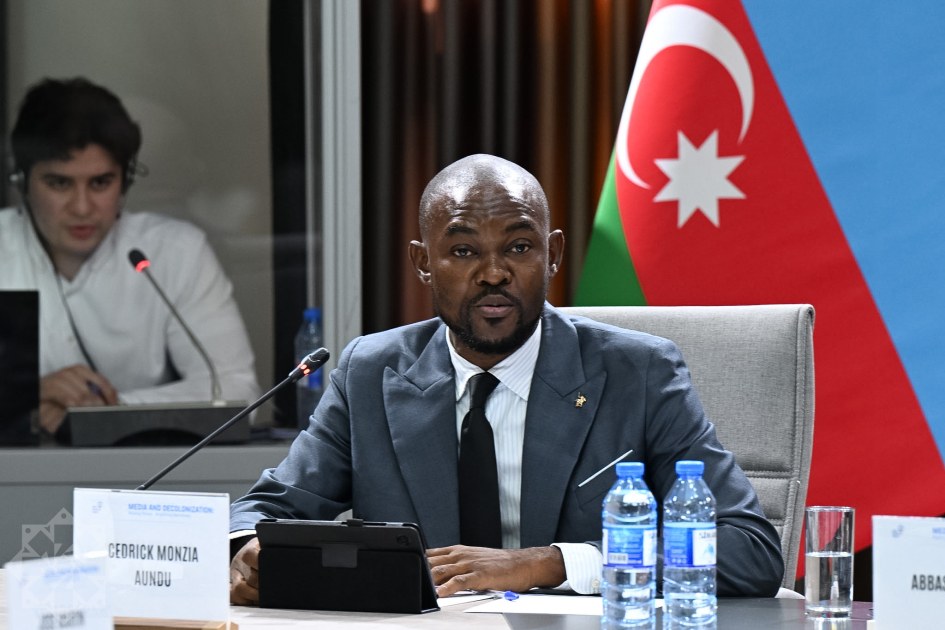
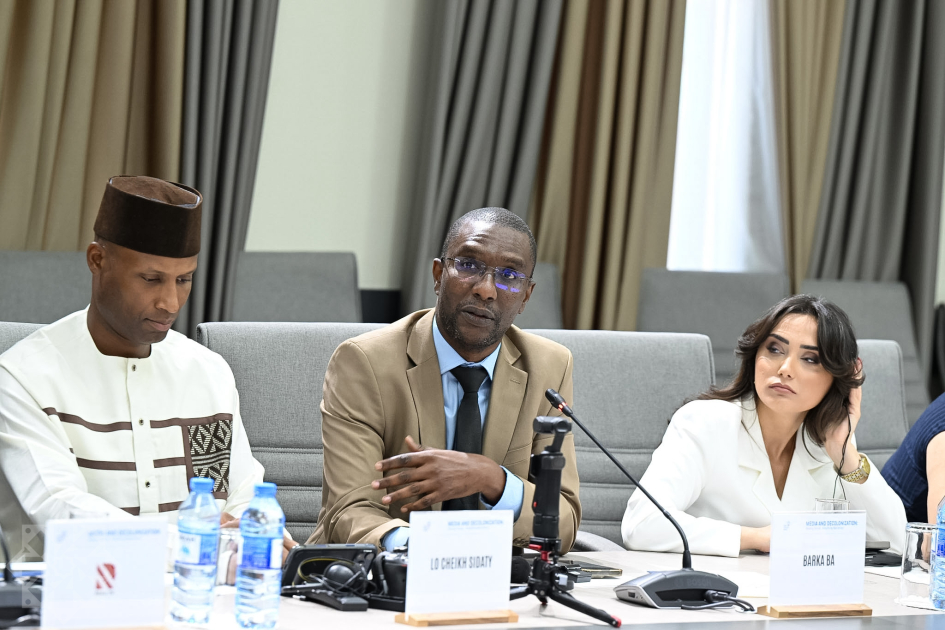
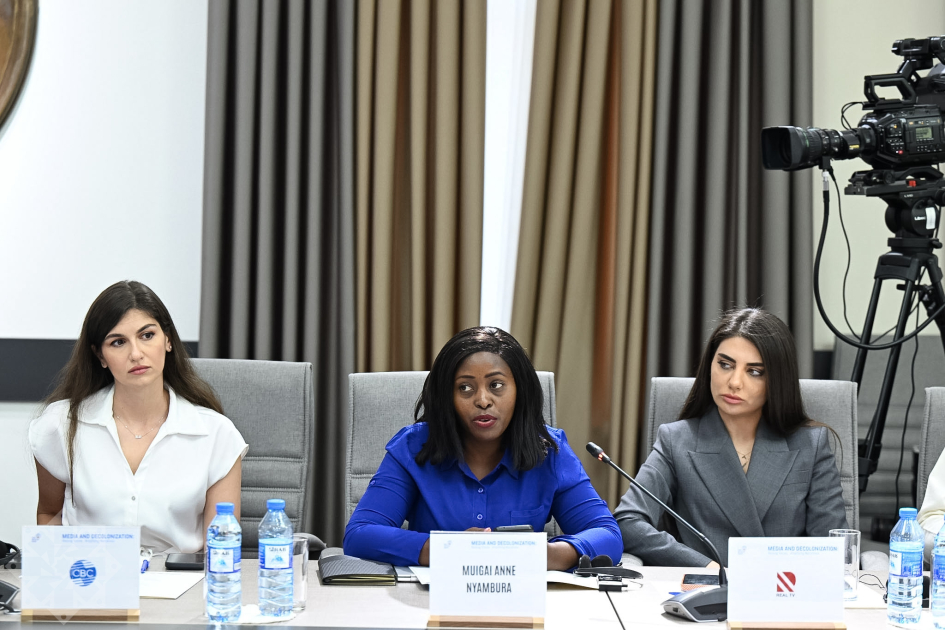
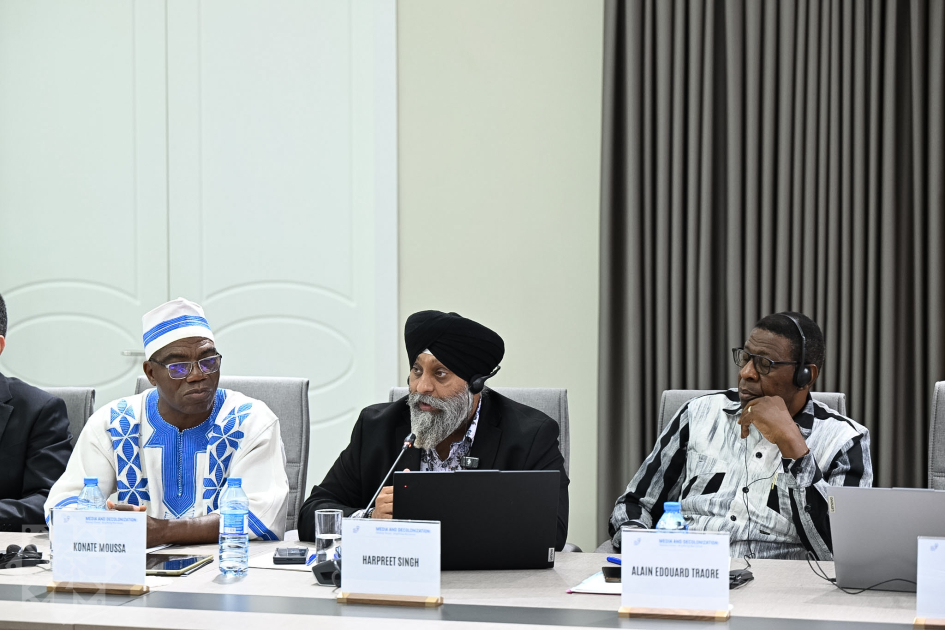
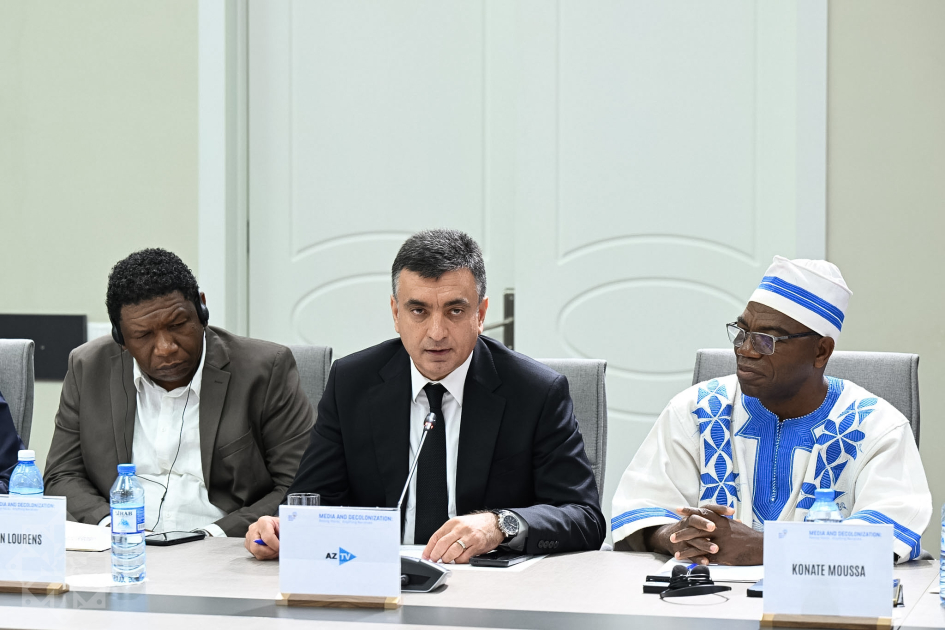
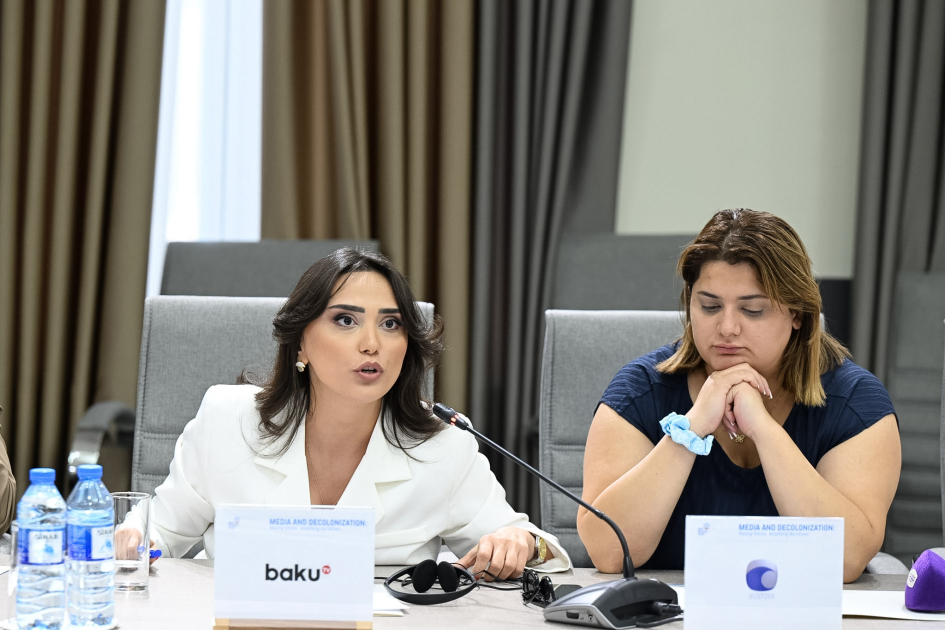
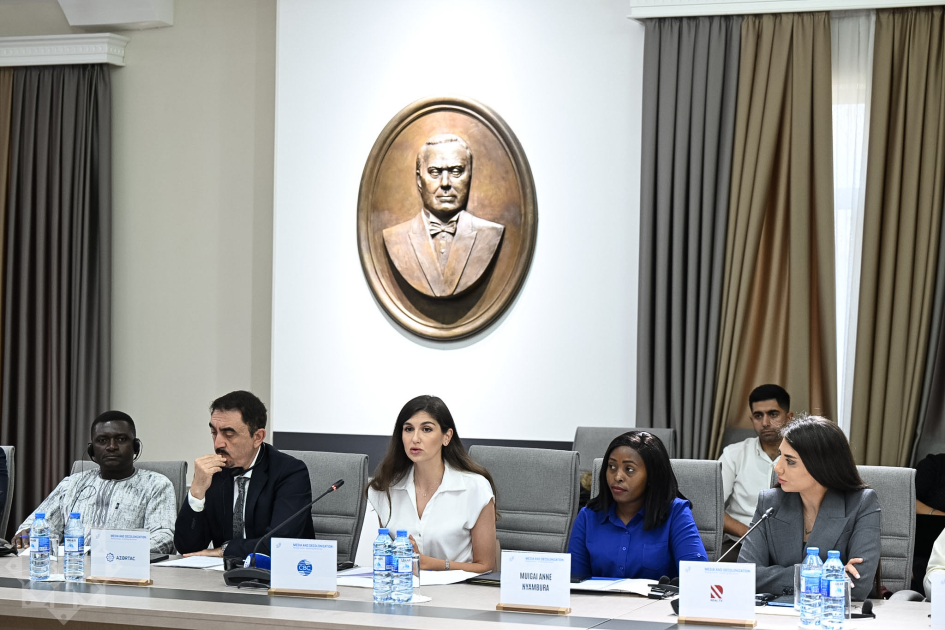
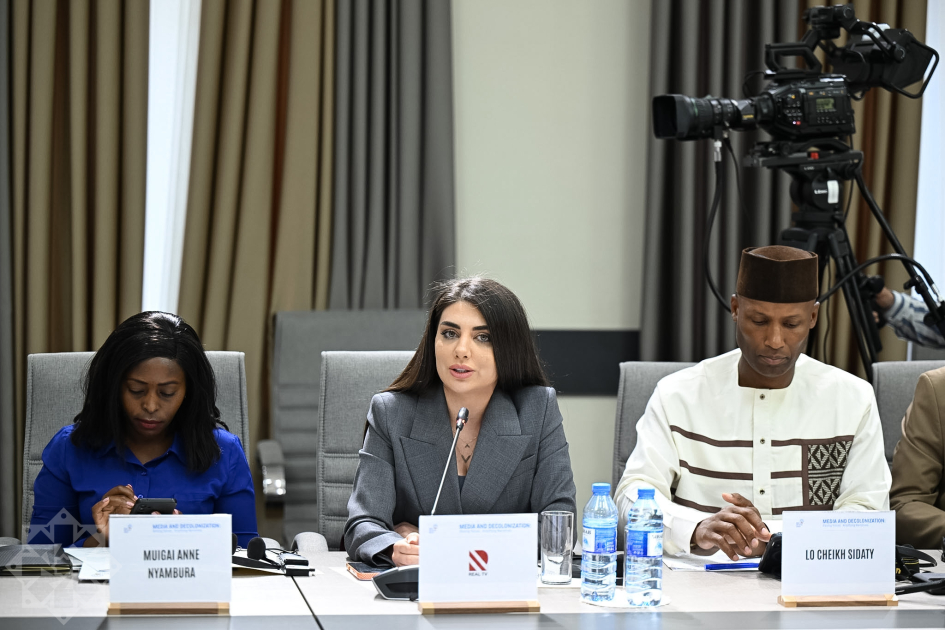
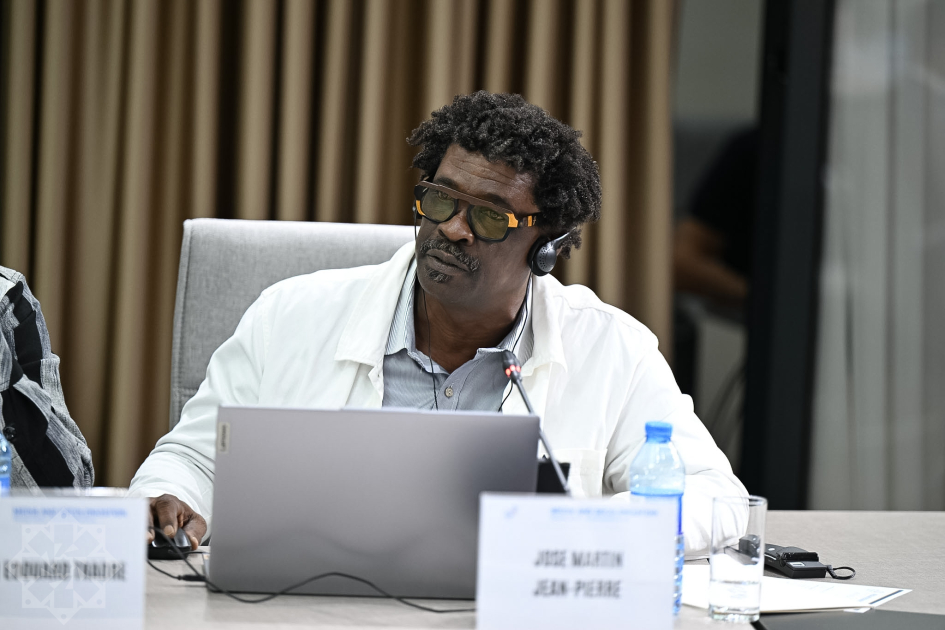
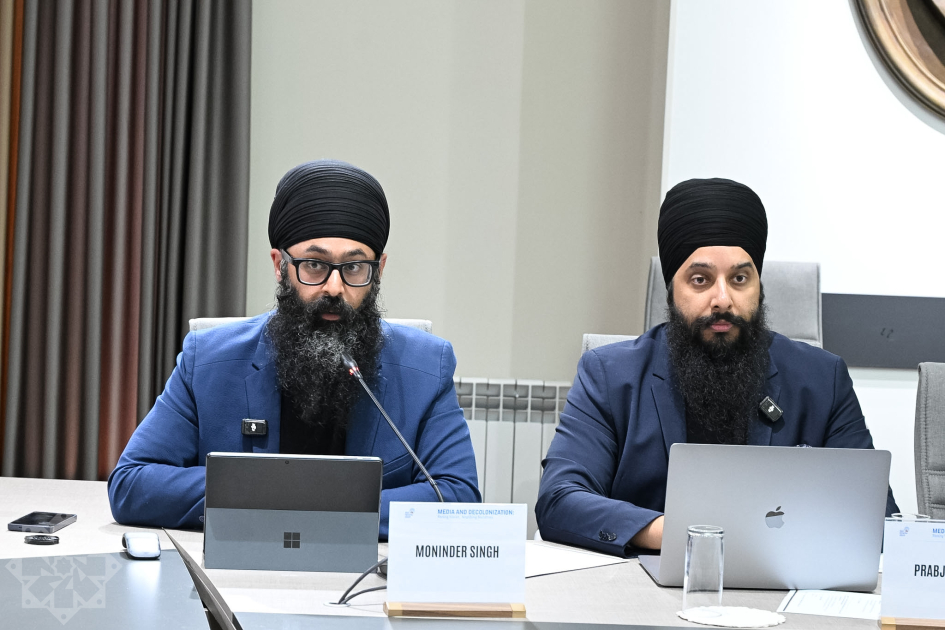
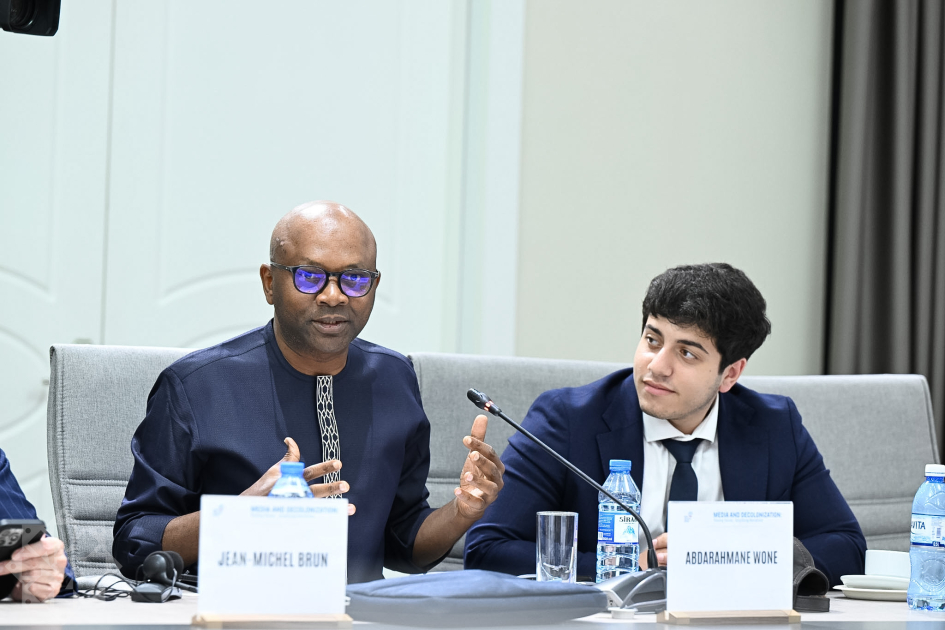
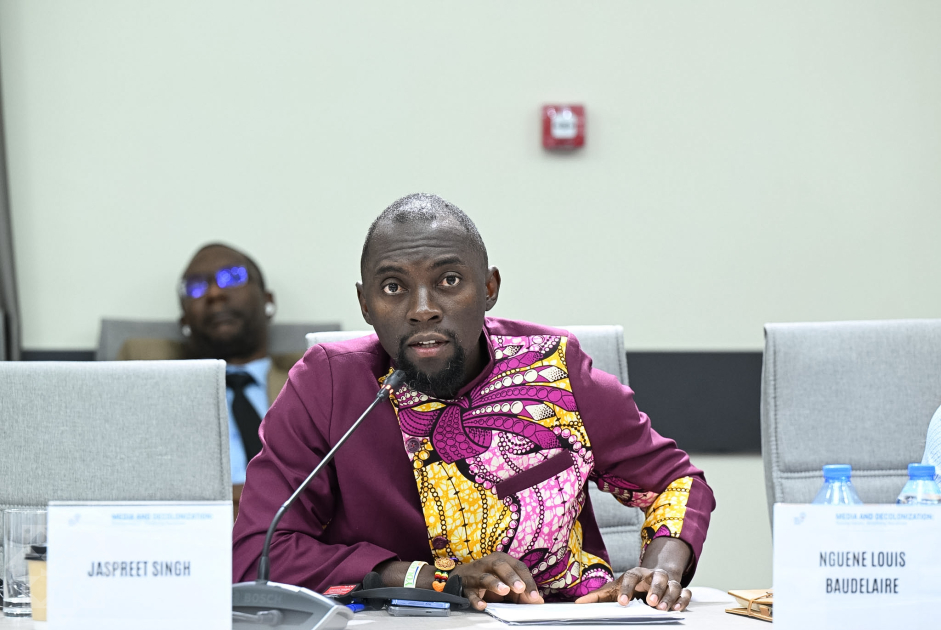
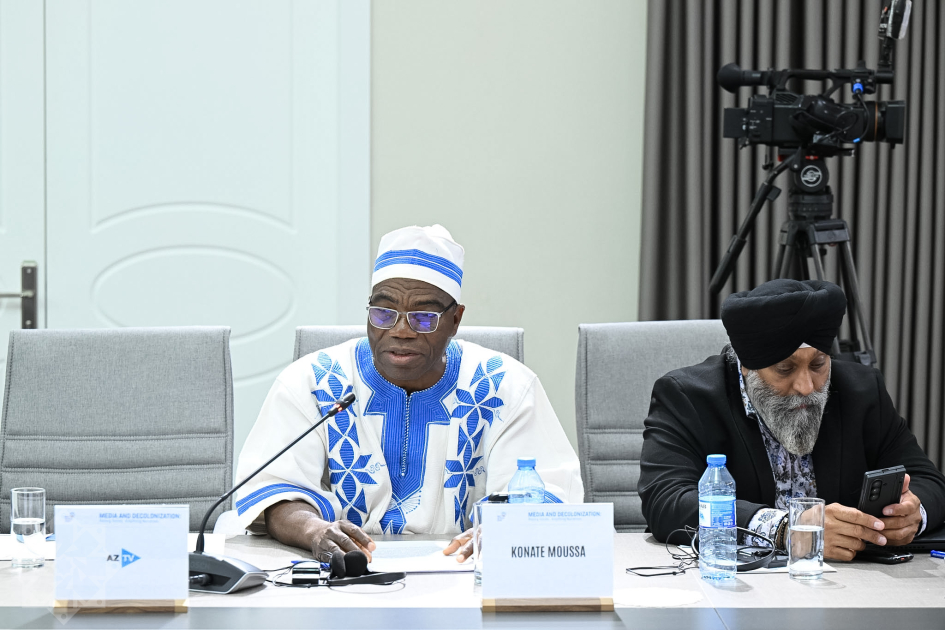
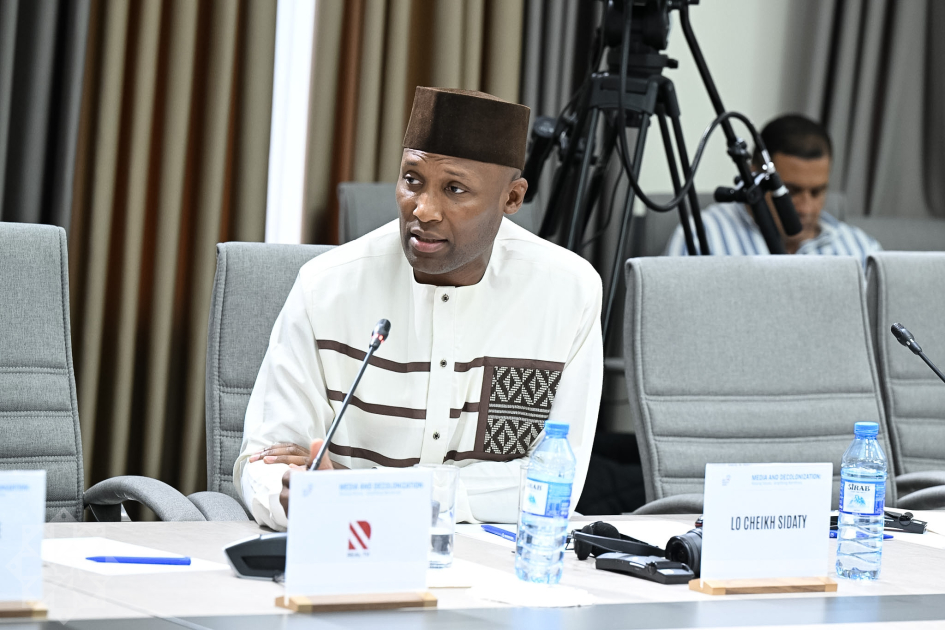
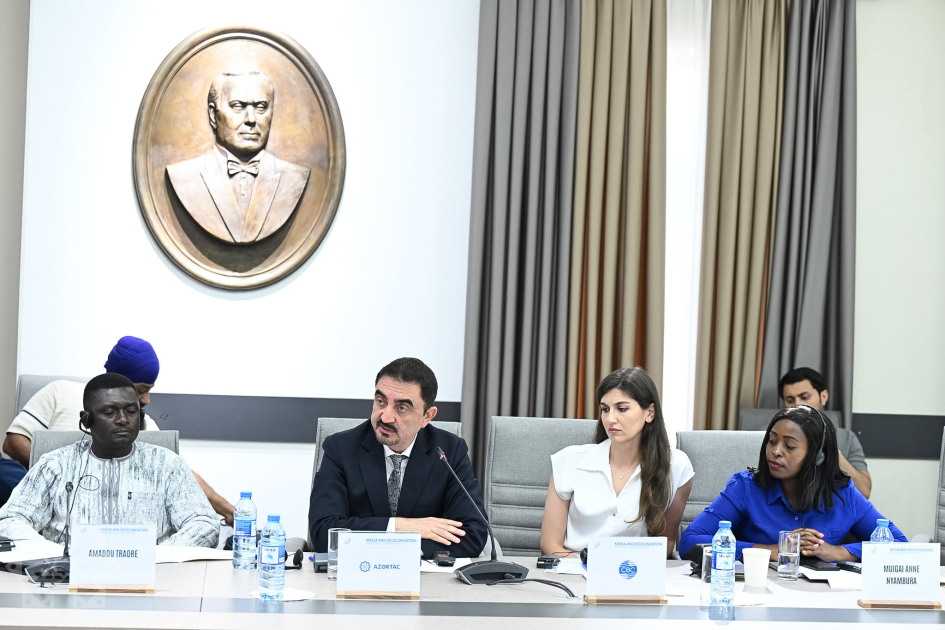
An international conference titled "Media and Decolonization: Raising Voices, Amplifying Narratives" was held in Baku on Saturday under the organization of the Baku Initiative Group (BIG), bringing together media representatives from former and current colonial territories, along with local journalists, diplomats, researchers, political analysts and civil society representatives.
The conference focused on the role of the media in amplifying the voices of peoples living under colonial rule and exposing issues such as economic exploitation, the plundering of natural resources, cultural erasure, systemic discrimination and human rights violations. Participants also discussed ways to overcome information blockades affecting colonial territories, counter disinformation through advanced artificial intelligence tools, strengthen cooperation between international media organizations and local journalists, and establish a global network for coordination among media professionals.
Speakers emphasized that the media should serve not only as a source of information but also as an instrument for increasing international awareness and accountability regarding colonial practices. Discussions also covered documenting colonial-era abuses, promoting fact-based reporting, highlighting environmental justice issues and strengthening solidarity among journalists, human rights defenders and civil society organizations from territories including Kanaky (New Caledonia), Guadeloupe, Martinique, Bonaire, Saint Martin and Maohi.
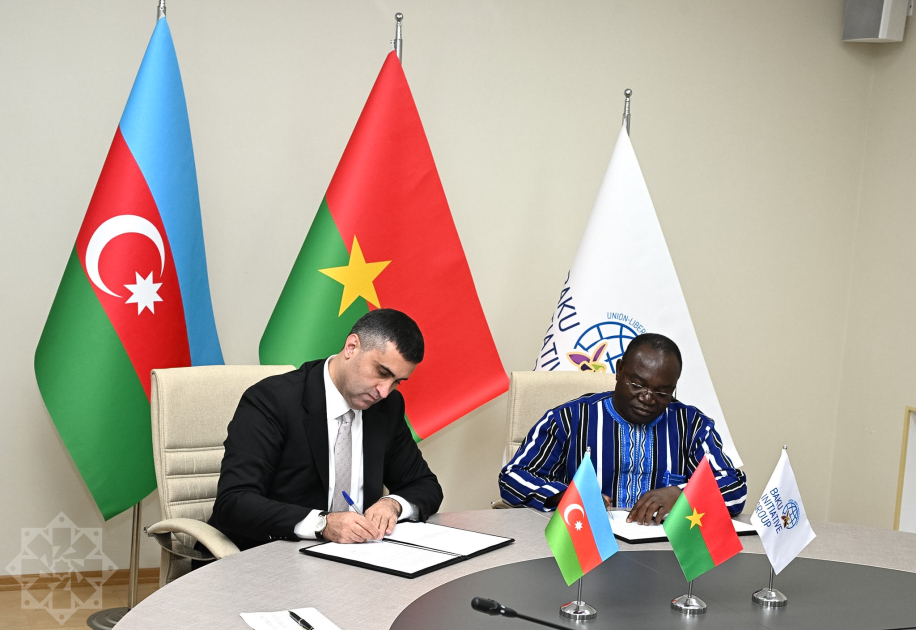
On the sidelines of the conference, the Baku Initiative Group and the Institute for Advanced International Studies of Burkina Faso's Ministry of Foreign Affairs signed a memorandum of understanding on cooperation. The agreement, marking BIG's first institutional partnership with a foreign government body, envisages joint research projects, policy papers, expert exchanges, international conferences and training programs focused on decolonization and neocolonialism, while expanding cooperation with African research institutions and think tanks.
Other news in this section


