Black January – The start of Azerbaijan's independence
Baku, January 23, AZERTAC
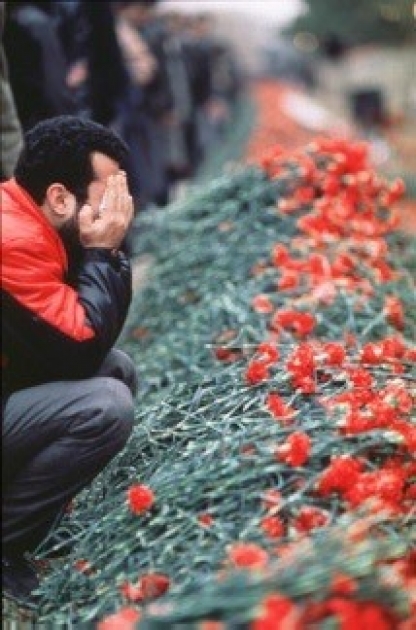
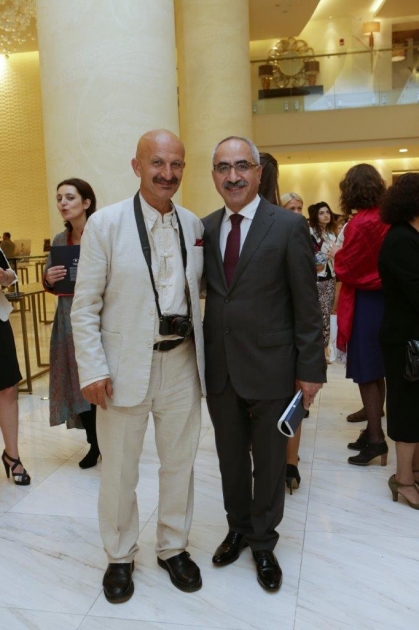
Guivami Rahimli, BP Azerbaijan Senior Government Affairs Advisor, has shared with AZERTAC some highlights of the tragic events in January 1990 captured by world famous photographer Reza who arrived in Baku on 24 January.
Reza Deghati has gone on to become a renowned photojournalist who, for the last three decades, has worked all over the world, notably for National Geographic. His assignments have taken him to more than one hundred countries as a witness to humanity's conflicts and catastrophes. His work is featured in the international media (National Geographic, Time Magazine, Stern, Newsweek, El País, Paris Match, Geo, etc.), as well as in a series of books, exhibitions and documentaries. Sometimes Reza as the only foreign photojournalist witnessed and recorded brutal repression through his camera.
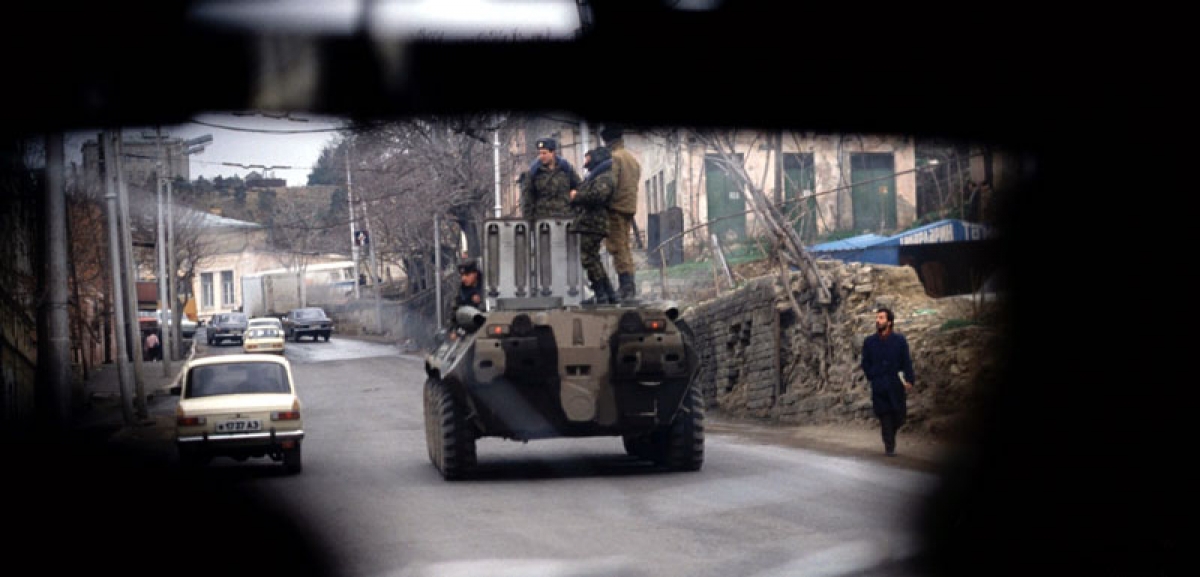
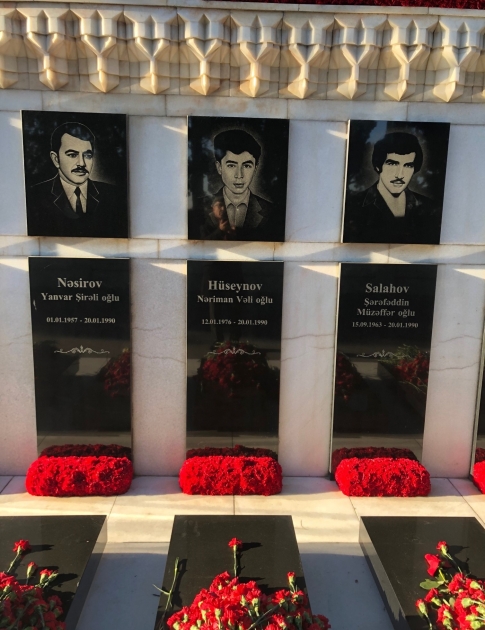
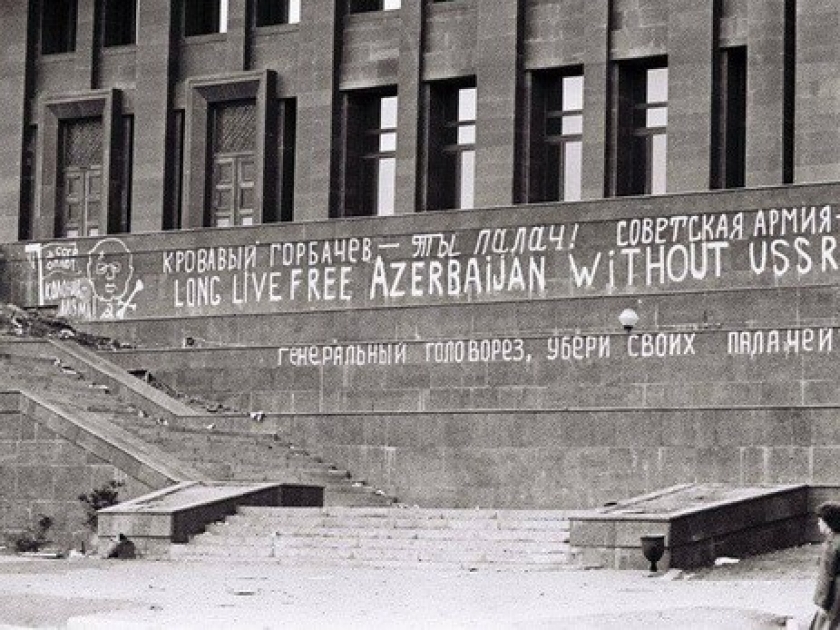
20 January 2020 marked the 30th anniversary of a horrible crime against the Azerbaijani people known as Black January. Just before midnight on 19 January 1990, Soviet tanks broke into Baku and massacred the peaceful population, including women, the elderly and children. More than 130 people were killed and about 800 wounded. Among them was also my uncle Nariman's 14-year-old grandson who was also named Nariman.
The Soviet Army invaded Baku clearly to stop the dissolution of the Communist regime and crush any opposition in Azerbaijan's bid for independence. The people were infuriated by the territorial claims and aggressive acts of Armenia against Azerbaijan, which were backed by the then Soviet leaders. Azerbaijanis were being expelled from the lands they had lived on for centuries and were protesting against the policy of the USSR and, as a result, demonstrating for the ideals of the independence, sovereignty and territorial integrity of Azerbaijan.
Amid confusion and turmoil, the Soviets managed to suppress all efforts to communicate the news about the events in Baku to the international community. Foreigners were not allowed to enter so there would be no information leakage.
My good old friend Reza's efforts to smuggle himself into Baku during those turbulent days 30 years ago and get the story out to the world look like a Hollywood screenplay. He told me his story many times on various occasions during our meetings: the way he lived through those tense and historic moments of Black January.
On those cold winter days of January 1990, Reza was trying to catch up with news in Paris. When Reza began detecting disturbances in Baku, he called his friend Ahmad Sel, a Turkish cameraman working for a French TV company, and invited him to join him in a trip to Baku where he would undertake videos, while Reza himself would handle the stills. Reza also invited Ms. Shirin Melikoff, the daughter of Irene Melikoff, a renowned scholar and Turkologist of Azerbaijani origin at the University of Strasbourg, to join them. Shirin has excellent command of Russian and Azerbaijani along with her French and that would help to avoid the suspicions of the Russians.
Despite the run-around that Reza's crew got from the Soviet Embassy in Paris, Ramiz Abutalibov, who represented Azerbaijan at UNESCO during the Soviet time, helped them to get the visas from the Soviet embassy by 20 January. That was the day the inferno happened in Azerbaijan. Soviet officials couldn't link their trip to the tragedy in Baku because Reza had applied for visas two days earlier. They knew he was a photojournalist and was going to take photos of Moscow.
Later, Reza called Rustam Ibrahimbeyov (a renowned Oscar-winning screenwriter) in Moscow, whom he had known since 1988. Rustam had confirmed Reza's suspicions that the situation in Baku was serious. "It could turn into a very bad situation." Reza told Rustam that he was coming with two friends and would love to see him to get more information about the situation in Baku. Rustam said that it was the right time to come because 'our friends' are already in - meaning that Soviet troops had already moved into Baku.
Reza and his two colleagues arrived in Moscow on 21 January. On 22 January 1990, more than 50 international journalists and photographers, including those representing some of the best-known names - CNN, Reuters, AP, BBC, ABC, NBC, CBS - had checked into the Moscow Hotel. Reza and two other colleagues were among them. They had heard that demonstrations were taking place in the streets of Baku and that Soviet troops had moved into the city.
Rustam, along with Ramiz Abutalibov, would turn out to be a pivotal member in the quest to smuggle themselves into Baku. Meanwhile, Rustam was perplexed. Now that the troops and tanks were in Baku, all the roads would be blocked, and it would be very dangerous to travel.
On the same evening back at the hotel, word spread that Moscow's press officials had arranged to fly all journalists to Baku on 23 January. They were told to meet in the hotel lobby at 9 o'clock the next morning. Having spent more than five years on an assignment with Afghan guerrilla fighters in the mountains of Afghanistan and Pakistan for the Time Magazine, Reza learned one thing from them: "Never trust Soviet officials when they make irresistible offers."
The next morning, instead of accompanying foreign journalists on a three-hour flight to Baku, Reza decided to take a local train to Baku that would grind on for 48 hours. Unlike the express train, this one would stop at every little town, however, there would be fewer security checks.
Reza's Paris team did their best to blend in, dressing like the locals, to appear so ordinary that they would be overlooked and ignored. Reza and his team were fortunate to have their own compartment. Whenever a controller came along, Rustam's friend Kamal who accompanied them on the train, would warn Reza and they would quickly crawl up into the luggage compartment and hide.
Reza's film crew arrived in Baku on 24 January. As they pulled into the station, they became very anxious seeing a long row of soldiers waiting for everybody to get off the train. It was right out of a spy movie - the only difference being that this was real life and Reza happened to be right in the middle of it.
The tall and tough Russian soldiers standing there with their big bulky overcoats and fur hats, cradling their machine guns - silhouetted against the darkness of that chilly night. They looked so huge - so foreboding, so threatening. Reza wasn't scared of being arrested. What he feared most was not being able to get the story, especially since he is Azerbaijani himself and wanted to be part of telling the world this story.
The train came to a stop. Reza and his friends were wondering who would meet them as they didn't have a clear picture of the trip arrangements made by Rustam Ibrahimbeyov and Ramiz Abutalibov. Suddenly Reza spotted Eleonora Huseynova in the crowd (she was Azerbaijan's first Ambassador (1994 - 2004) to France after its independence) with a couple of friends. She jumped up on the train, her arms full of roses. She gave Reza a big hug and whispered in his ear, "Put your cameras and luggage in the compartment. Come out with me. Don't carry anything."
Eleonara slipped her arm through Reza's; the other ladies latched on to Ahmad and Shirin. With arms full of flowers, acting as lovers reunited, they walked right past that long line of soldiers, some of whom gave them knowing nods, as if saying, "We won't bother you. Get along!"
A car that was waiting outside, took the film crew to the home of one of Reza's Baku friends. It was a fantastic feeling that they managed to get to Baku.
Reza's film crew and friends of Eleonora got together that night to talk about the things happening and plans to take them to different places. They knew how important the mission was and were committed to getting the story out to the world. The local folks showed a map of the city, pointing out exactly what, where and why all this had happened, where the troops and tanks were located.
The next day, two cars, one for Reza and the other for Ahmad, took them to different locations in Baku. They split up in case one of them got caught. Ahmad had a small Sony video camera which was small enough to fit in his hand. Reza had two cameras; one small, the other one larger. He always left one at home in case one got confiscated, stolen or broken.
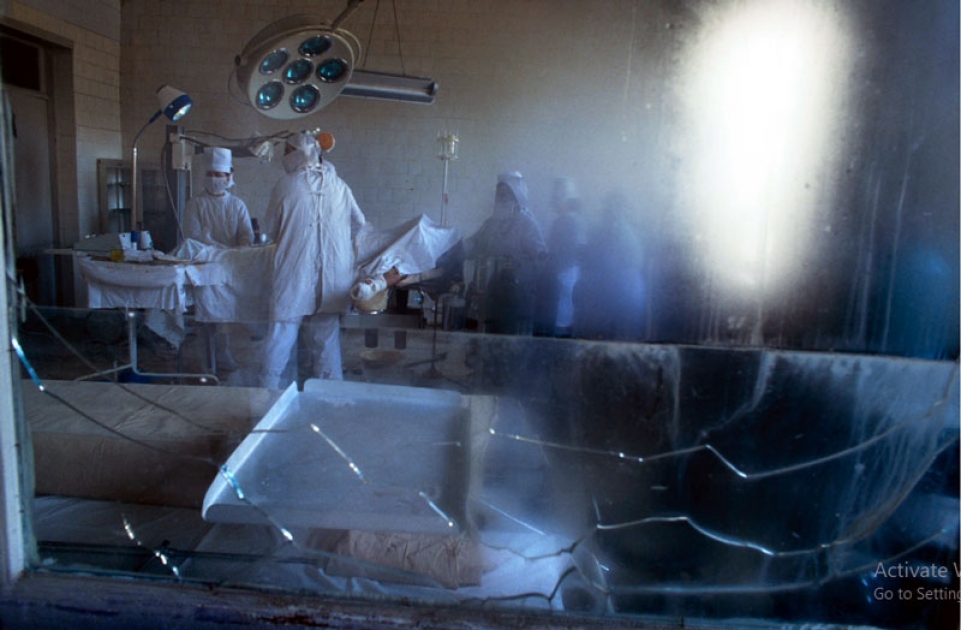
Reza and Ahmad first headed off to the hospitals. The rooms were so crowded, the wounded and dying were lying, unattended, in the corridors. They knew it would be hard to get inside the hospitals undetected because the entrances were guarded by the police. Reza kept telling hospital personnel that he was looking for a friend who had had surgery a few days earlier, explaining that he wasn't wounded and had nothing to do with these latest incidents.
Reza and Ahmad didn't dare walk in carrying their camera equipment themselves, so one of their escorts would go in first, check the place out and persuade some old woman to come out and they would stuff their bags down into large bags of those women, and off they would go walking right through the hospital entrance for us.
They found it was safest to photograph inside the operating rooms. Their escorts would check if a room was safe. If so, they would slip in and close the door to make shots.
Then, Reza and Ahmad decided to head out in search of the tanks, but it was impossible to photograph without being detected. They hit upon the idea of taking photos from an apartment opposite the parking area. One of their escorts checked out the situation. Soon he was back, and the crew were climbing up to the eighth floor. Again, no cameras. Someone followed later with their bags. But despite how clear the view was from the top, they knew it was too risky. The soldiers could have spotted them easily.
The crew decided to suggest that the lady of the house go out on the balcony and pretend to be washing the windows. From inside, they could then aim their cameras at the soldiers and tanks below when she raised her arms to wipe the glass. Her body would shield them from view. It was very risky, innocent people were being shot on their balconies those days. But she agreed despite this risk. It worked out and they got the photos they wanted.
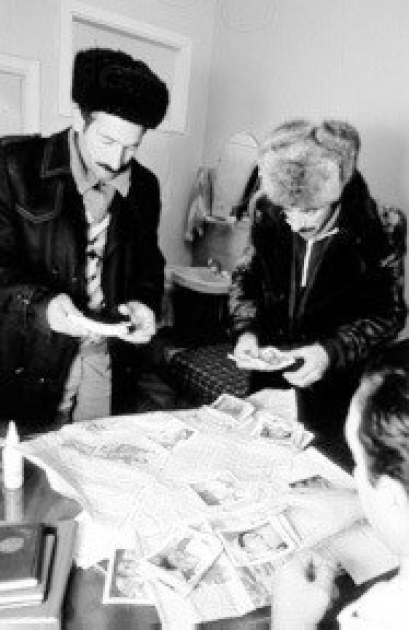
Next, Reza's crew went to a morgue. Again, the entrance was blocked. This time they were checking IDs and writing down the names of everyone who came to identify the bodies. But there was one room that they managed to enter. In the center of the room on a table there were photographs of the corpses. People came in, picked them up desperately searching for their loved ones, though hoping not to find them there.
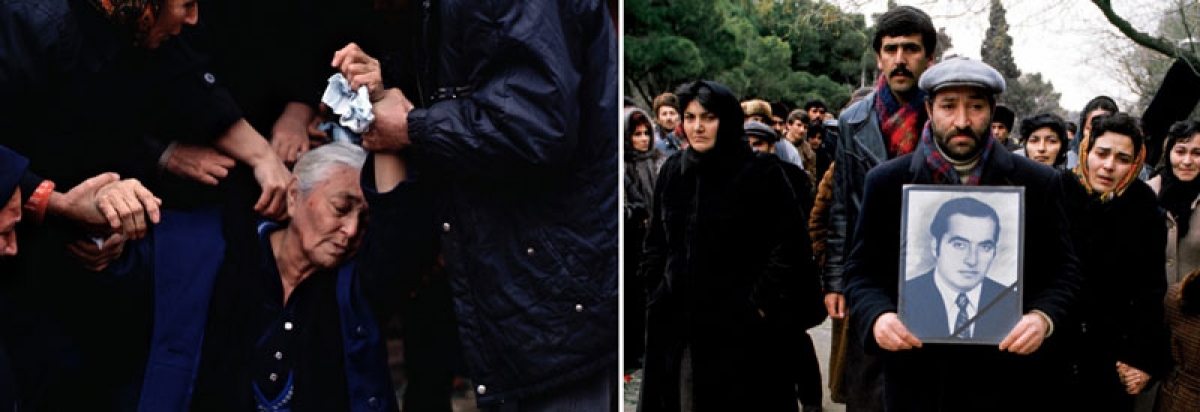
The next day there was a huge gathering at Martyrs' Cemetery. It gave Reza the chance to be among the people, to witness their emotions. Reza knew they would be able to photograph freely. It didn't even matter if the guy standing right next to them was KGB because, he wouldn't dare cause any trouble for fear of being attacked by the crowd. They even organized a little escape scenario, to disappear before the crowd dispersed so no-one could follow them.
After the Martyrs' Cemetery scenes, the team felt they had enough photos. They had already spent three days in Baku, and it was time to leave. Reza didn't quite know how his friends managed it, but soon they had fake entrance visas along with tickets for the flight back to Moscow.
As with everything else that happened in Baku, Reza's Paris team had to put their total trust in the people accompanying them including the arrangements to be able to leave the country. As before, the crew didn't dare carry their cameras, videos or films with them on the plane. They were told someone on the plane would carry their equipment for them, but they didn't know who. Enroute, however, two Russian girls came up and started talking to them. They were suspicious because there were so many stories about blonde Russian KGB girls. "They've finally caught up with us", Reza thought. One girl spoke Azerbaijani and made reference to films and gave us a real scare. Reza totally denied knowing anything that related to photography. But it turned out these were the passengers doing them the favor of carrying their stuff in their suitcases for them.
Back at the Moscow Hotel, the film crew got the films from the girls and headed straight for the airport.
Reza also found out what happened to the journalists who had taken the flight to Baku. Just as Reza had suspected, none of the journalists succeeded in getting to Baku. It seems that when the plane was in mid-air, flying over the Caucasus, the pilot announced that unfortunately, Baku's airport was shut down and that he would have to divert the plane to the nearest airport. How convenient that it happened to be the capital city of Armenia, Yerevan, where the Soviet press had already arranged for newly arriving Armenian refugees fleeing Azerbaijan to tell the international media their version of how savage Azerbaijanis were.
Once again, the Soviets had duped the international press. The only story that the press could take back home was exactly the one that the Soviets had wanted them to tell, which further justified the need for troops to crush those unruly Azerbaijanis. The realization gradually dawned upon them that not a single journalist had succeeded in getting to Baku except for themselves.
Reza admits that despite all the years working in difficult places, he was terribly afraid something would happen to him in Azerbaijan - that somehow he would disappear. After all, Reza's film crew was witnessing events and gathering information that the whole Soviet Union was denying, and that the whole world was waiting to hear. Reza's team was the only one who were carrying the story out.
Reza says that he'll never forget the incredible relief and joy that was in their eyes when the plane took off from Moscow. Those were very tough seven days in the former Soviet Union, and he couldn't believe they had made it.
They landed in Paris in the afternoon. Both Reza and Ahmad sped off to process the film and edit the videos. The news would go on air at 8 pm. Reza was still afraid that maybe their films had been X-rayed or the videos demagnetized. Soviets were notorious for such things. You think everything is fine, you arrive home and everything is blank. Reza knew the horror stories of a French team who had filmed similar events, but much smaller in scale in Kazakhstan for three weeks and upon arriving home, they discovered all their tapes had been demagnetized. The French crew had nothing.
Reza started processing the slides in the lab when he heard a voice on TV announcing that at 8 o'clock there would be a very important news broadcast. Tears came to his eyes. It meant Ahmad's videos were safe. That night, the news opened with the tragic events that were unfolding in Baku. They gave about six minutes coverage, incredibly long by Western standards as an ordinary item runs between 30 seconds and a minute.
Reza's slides also came out fine. He selected about 40 of them to be duplicated for distribution. Reza gave them to an agency who could transmit them to 2,000 magazines and newspapers all over the world.
So they did it: within 24 hours of Reza's return home, the tragic story of Azerbaijan's Black January was circulated all over the world. More than 18 TV channels and dozens of radio stations were calling Reza and Ahmad for footage. Mission completed. Black January was no longer a secret - the world was watching the real story about the tragic events that took place in Baku.
Other news in this section


