Deputy: Russia’s artificial promotion of “Russian identity” ideology reflects its imperial nature
Baku, June 29, AZERTAC
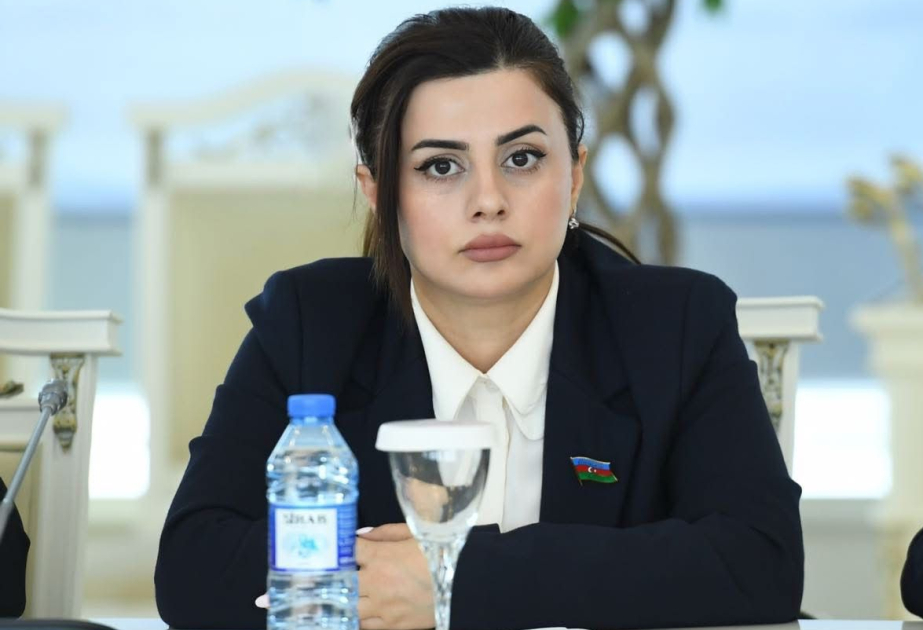
“The events in Yekaterinburg, Sverdlovsk oblast, should not be viewed merely as isolated criminal acts but as manifestations of a systematic and deliberate policy. The brutal raids by Russian law enforcement on the homes of Azerbaijani individuals, subjecting them to torture and killing, are not only violations of legal norms but also another instance of ethnic cleansing. Detaining and subjecting people to inhumane treatment for a crime that occurred 25 years ago is a clear violation of international law, including the UN Convention against Torture. Such actions contradict not only the Russian Constitution but also human dignity itself,” said Parvana Valiyeva, a member of Azerbaijan’s Milli Majlis, in an interview with AZERTAC.
Valiyeva emphasized that, under legal norms, if a person is suspected of a crime, only that individual—not their family—should face trial, and punishment must be determined by a court in accordance with the law. No law enforcement agency has the right to torture or kill individuals.
According to Valiyeva, the artificial strengthening of the “Russian identity” ideology, attempts to transition to a monoethnic state model, and the growing xenophobia and hate speech against non-Russian peoples demonstrate that Russia has not abandoned its imperial character. Azerbaijanis and Central Asian migrants, who have been key contributors to Russia’s economy for decades, face social discrimination, administrative violence, and legal bias.
“Several clear trends emerge from these events: Russia’s policy of sending non-Russians, not Russians, to war; portraying migrants as ‘inherently guilty’; the Russian regime, which commits crimes against humanity in Ukraine, intensifying its brutality against non-Russian peoples domestically; the openly anti-Azerbaijani and Islamophobic rhetoric in Russian media; the consistent biased and baseless statements by Russian state representatives against Azerbaijan; and speeches and expressions that mislead Russian society and undermine Azerbaijan’s national interests, which are, in fact, part of a systematic and deliberate anti-Azerbaijan policy by Russia.
The shooting down of an Azerbaijan Airlines passenger plane by Russia, the deliberate denial and cover-up of the incident, Russia’s prolonged inaction after the fact was proven, the delayed apology, and the still-unpaid compensation, along with the massive cyberattacks against our country in February this year originating from Russia, are clear evidence of this.
The Russian state and its law enforcement agencies must not only prevent such crimes but also take immediate and decisive legal action against those responsible. This is critical for protecting the rights of millions of Azerbaijanis and other non-Russian peoples living in Russia. If Russia fails to provide an objective legal assessment of these events, it will not only fuel internal conflicts but also cause severe ruptures in relations with our country. Russia must apologize to the Azerbaijani people for the crimes committed,” Valiyeva concluded.
Other news in this section


