Torture of Azerbaijanis in Yekaterinburg is violation of international law - COMMENT
Baku, July 1, AZERTAC
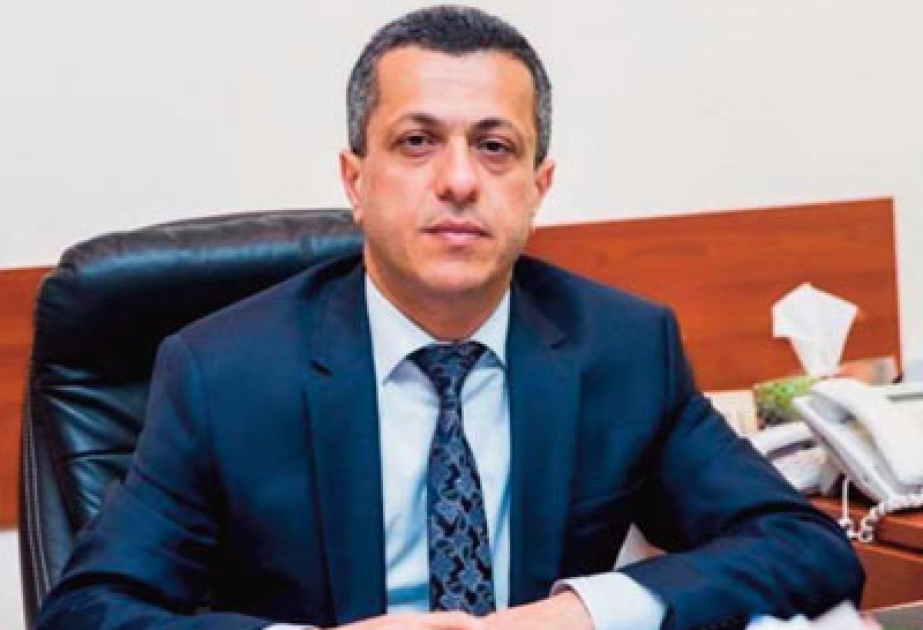
The cruel treatment and torture of Azerbaijanis in Yekaterinburg constitute a serious violation of international law principles. The Russian state bears responsibility for this incident, and the matter must be evaluated within the framework of international law, according to Amir Aliyev, Chairman of the Board of the Center for the Promotion of Human Rights Public Union and a member of the Azerbaijan Republic Bar Association.
According to him, all states, including the Russian Federation, are obliged to adhere to the norms and principles of international law, which should also be reflected in their constitutions. The Constitution of the Republic of Azerbaijan explicitly states in Article 10 that the state conducts its foreign policy in accordance with international legal norms and principles. Similar provisions are also present in the Russian Constitution. However, whether these provisions are practically implemented remains a subject of serious debate.
Amir Aliyev emphasized that violations of human rights entail not only domestic but also international responsibility: “According to Article 7 of the Universal Declaration of Human Rights, all individuals are equal before the law and are entitled to equal protection without discrimination. Article 5 clearly states that no one shall be subjected to torture or cruel, inhuman, or degrading treatment. These principles were further enshrined in the 1966 International Covenant on Civil and Political Rights, the 1950 European Convention on Human Rights, and the 1984 UN Convention Against Torture. Azerbaijan fully complies with these documents. However, Russia’s approach to these principles raises increasing concerns, particularly with regard to violations of minimal international standards on human rights and judicial procedures. Moreover, both Azerbaijan and Russia, as parties to the 1984 UN Convention, have committed to combating torture and cruel treatment. The right to be free from torture is an absolute right and must be upheld under all circumstances. Its violation entails international responsibility,” he stated.
The lawyer noted that the attack on the homes of Azerbaijanis in Yekaterinburg without a court order, subjecting them to torture, and the resulting deaths of two individuals directly implicate the responsibility of the state and its representatives. According to international law, the state bears direct responsibility for such actions committed by its authorities. In this case, the Russian state is accountable. The killing of two individuals subjected to torture further aggravates the incident.
He also recalled the downing of an AZAL plane in Russian territory, noting that no official apology or compensation has been provided, nor have those responsible been punished. This is a direct violation of international law. Furthermore, Russia’s withdrawal from the 1950 European Convention on Human Rights, its exit from the Council of Europe, and its overall distancing from the human rights system are serious signals. These actions resemble a return to Soviet-era rhetoric and a revival of old colonial policies.
The lawyer called on the international community to take a more resolute stance on this issue: “The actions of Russian state authorities, particularly the law enforcement officials in Yekaterinburg, should be evaluated and punished as crimes against humanity. International organizations must impose legal, political, and economic sanctions on the Russian Federation. This is a critical matter for the protection of international law and human dignity.”
Other news in this section


