Treasures, icehouses and 56 columns: The forgotten traces of ancient Aghsu VIDEO
Baku, October 15, AZERTAC
The latest feature in AZERTAC’s “If I Were a Tourist” column spotlights the medieval city of Aghsu.
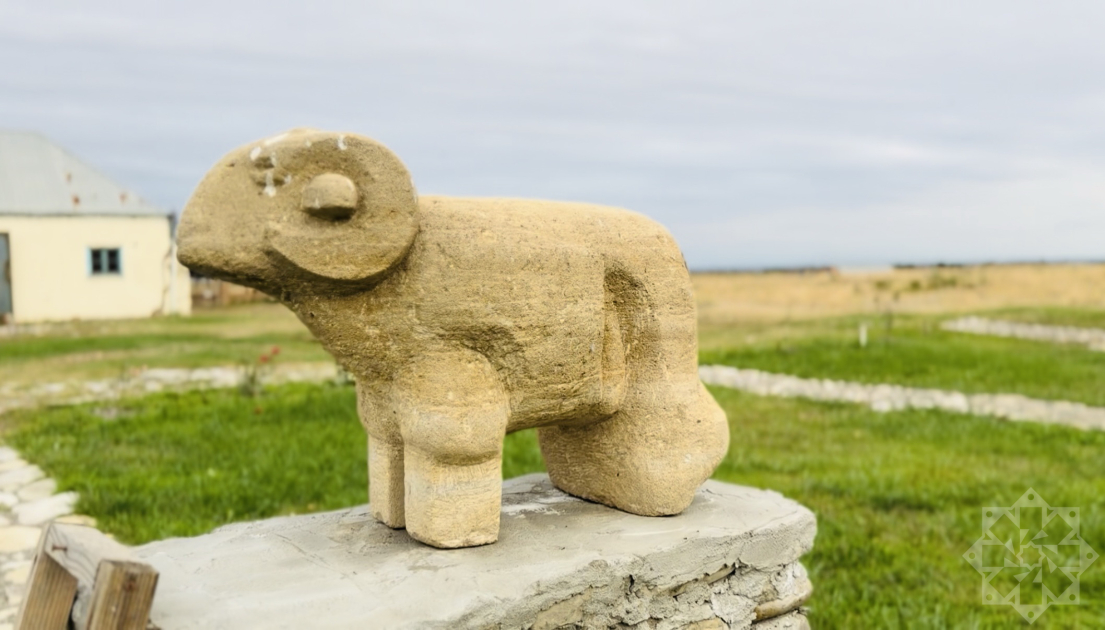
Have you ever imagined what life was like centuries ago in one of Azerbaijan’s largest cities? Stone-paved streets, artisan workshops, mosques, bathhouses and food storage facilities… This time, our journey takes us to the medieval city of Aghsu, located near the village of Ulguj in the Aghsu district.
Founded in 1735 by order of Nadir Shah, the fortified city of Aghsu served as the seat of the Shirvan khans for many years. By the 18th century, it had developed into one of Azerbaijan’s most important political, economic and cultural centres. Despite repeated struggles for control of the city, it maintained a thriving tradition of trade and craftsmanship.
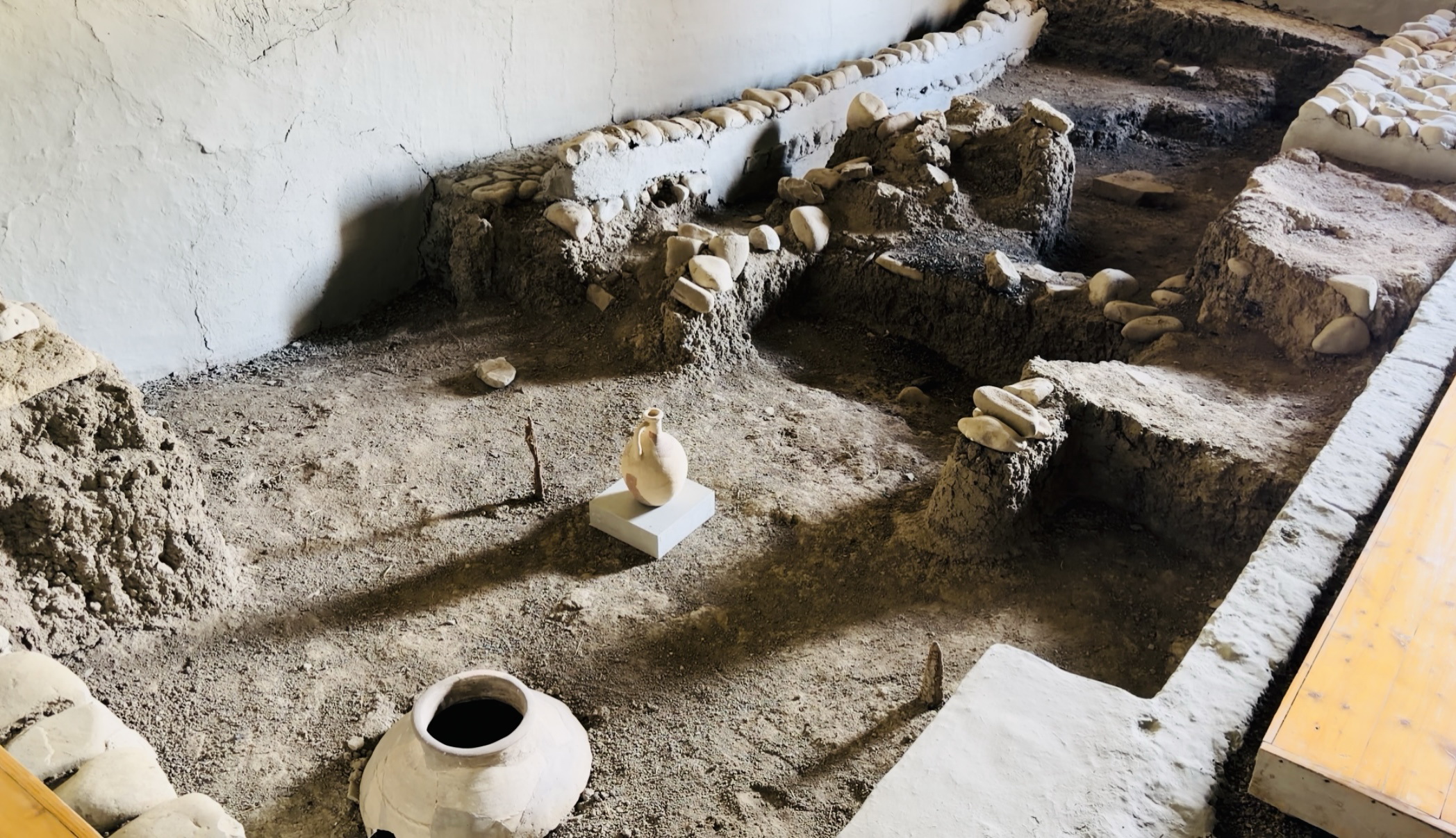
What did the streets of medieval Aghsu look like?
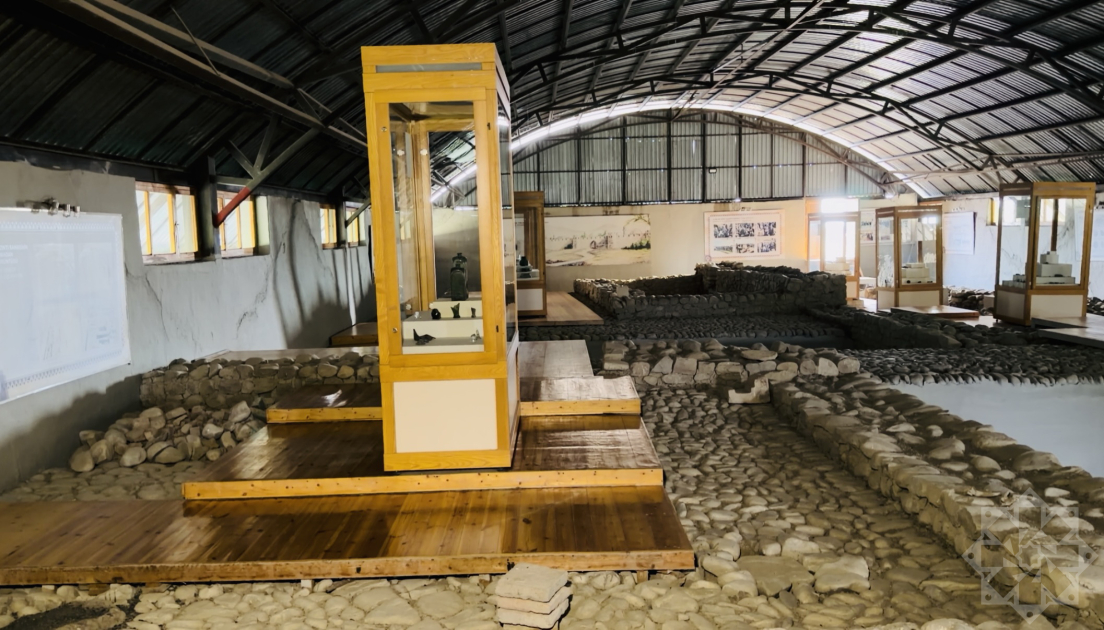
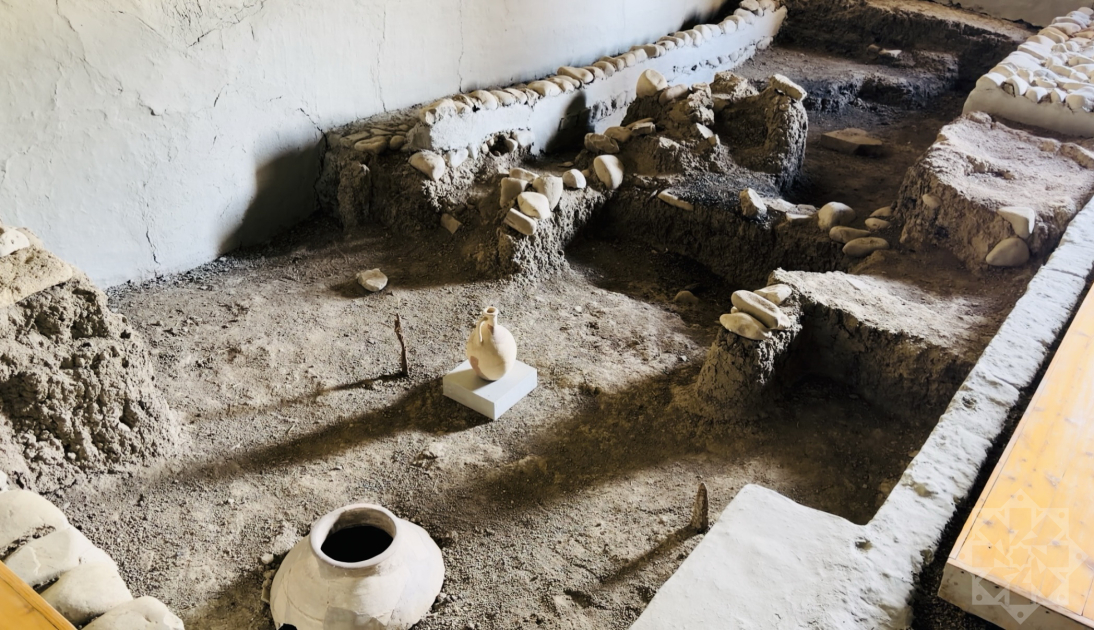
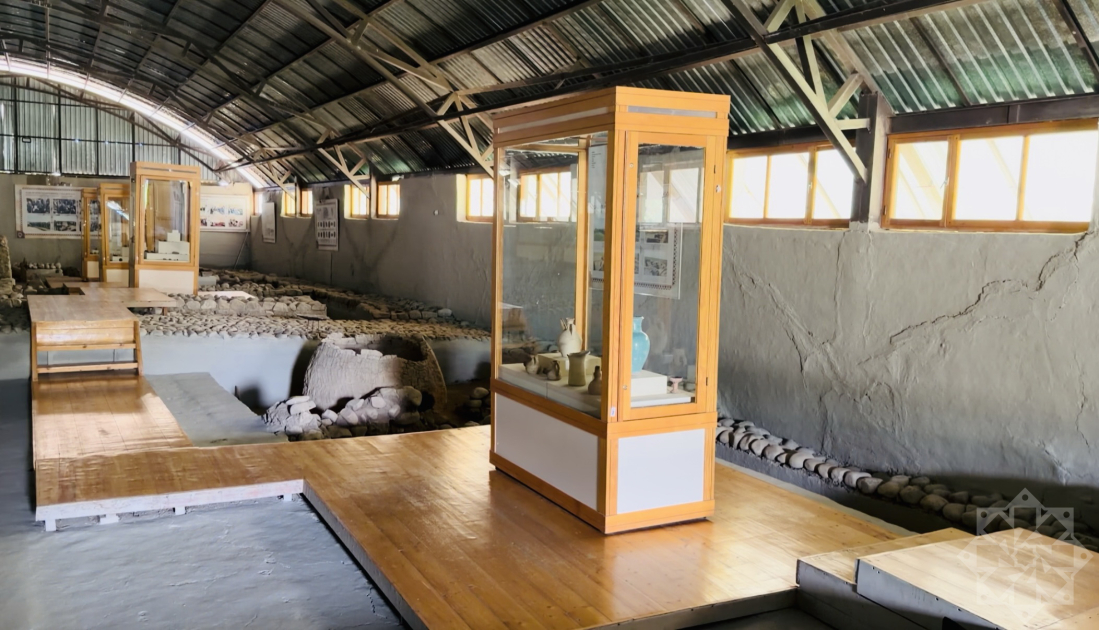
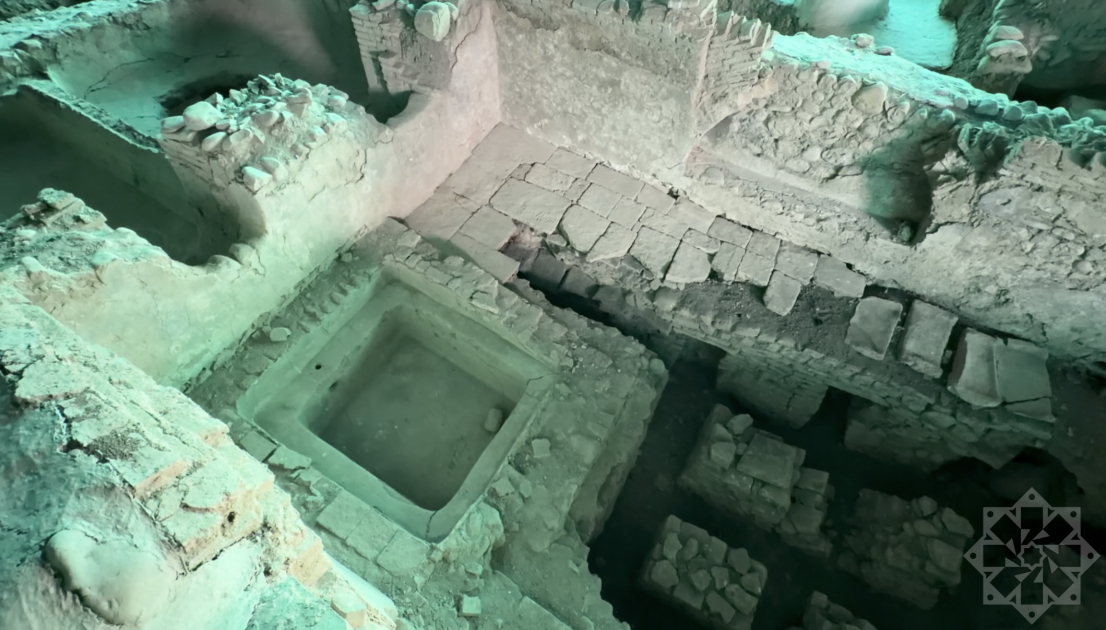
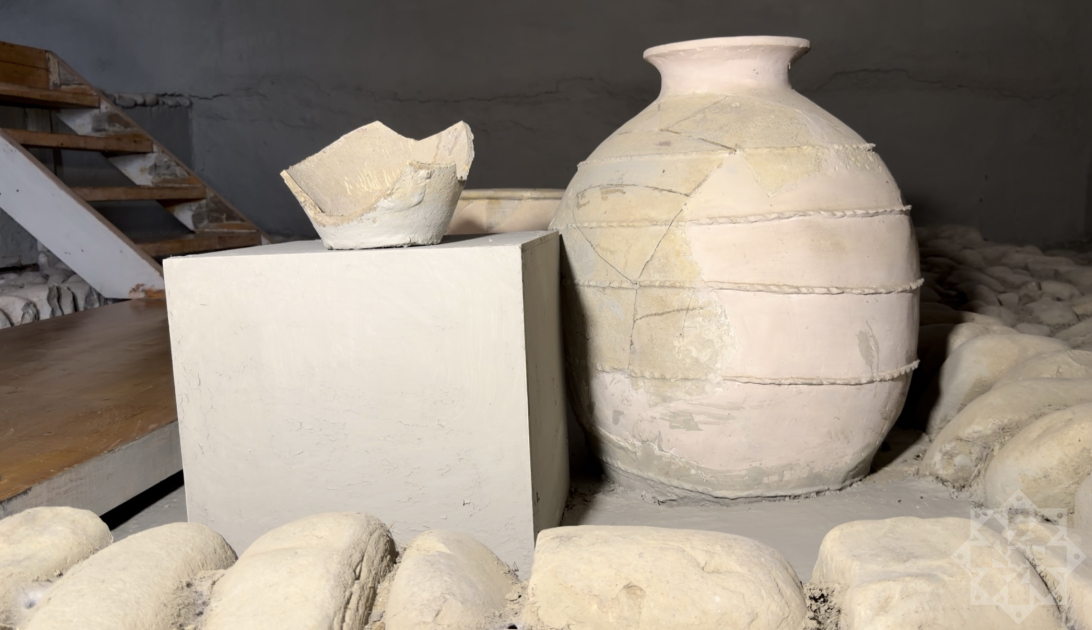
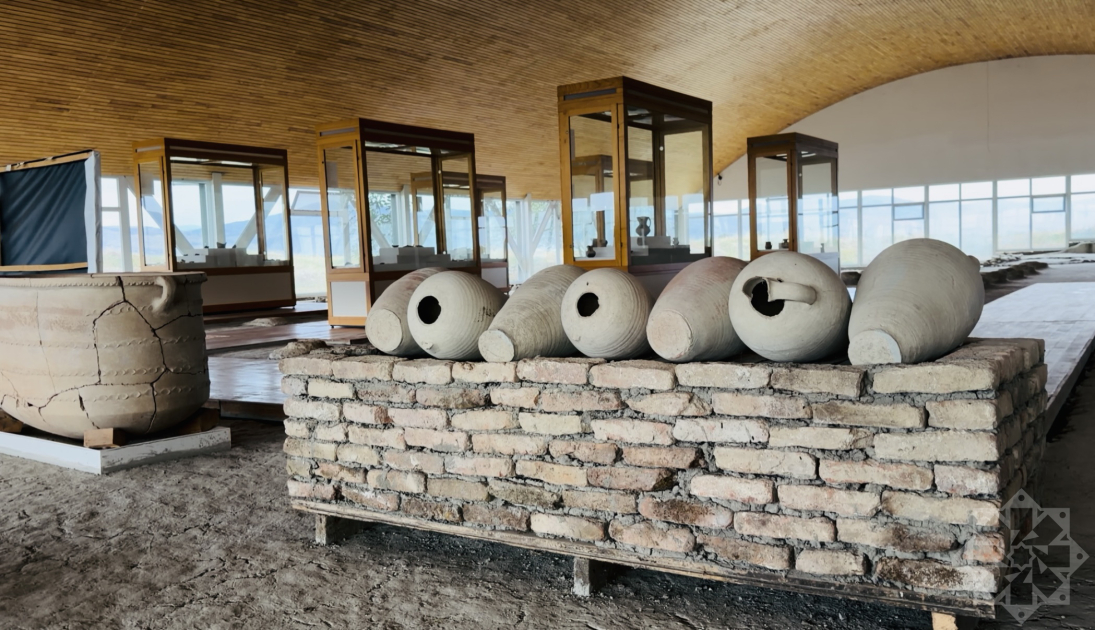
Archaeological excavations have unearthed stone-paved roads, residential buildings, water supply and sewage networks, and a variety of craft workshops. The houses were built of sun-dried bricks and coated with a special mixture known as “shira,” which protected the walls from rain while enhancing their appearance.
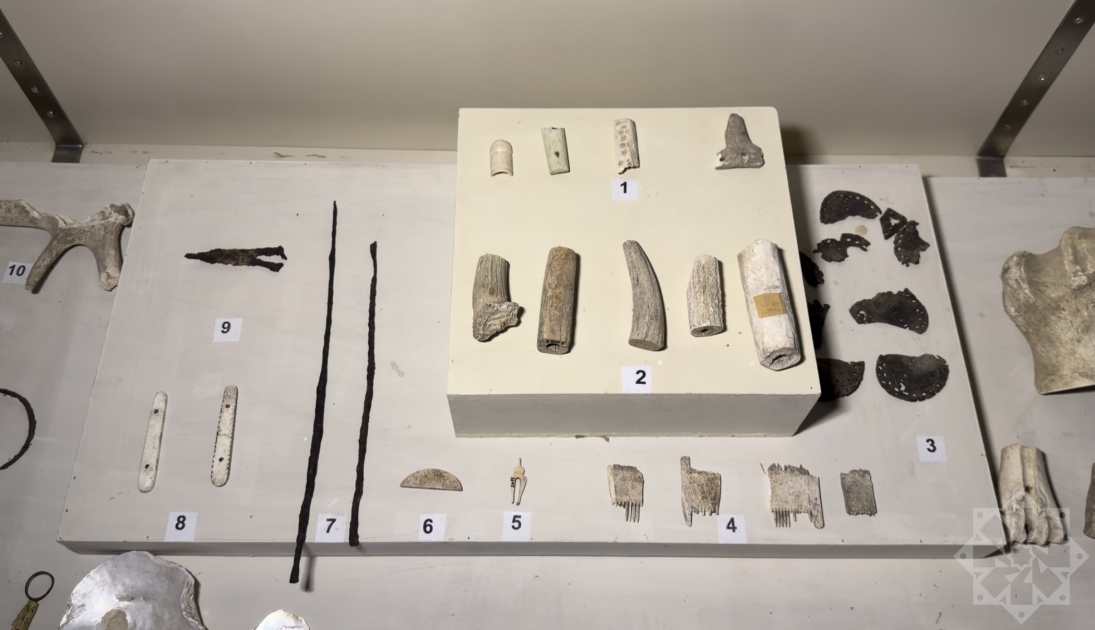
Aghsu was also home to blacksmiths, coppersmiths and a bone-working workshop. The dye workshop discovered at the site is particularly intriguing. Research has revealed that dyes were obtained from the madder plant. Owing to the importance of madder production and export, the 18th century is sometimes referred to as the “Century of Madder.”
One of the most remarkable structures within the reserve is the Juma Mosque. Covering an area of 576 square metres, the mosque yielded 56 stone column bases and thousands of fragments of roof tiles. These discoveries highlight the advanced building techniques and architectural traditions of medieval Aghsu.
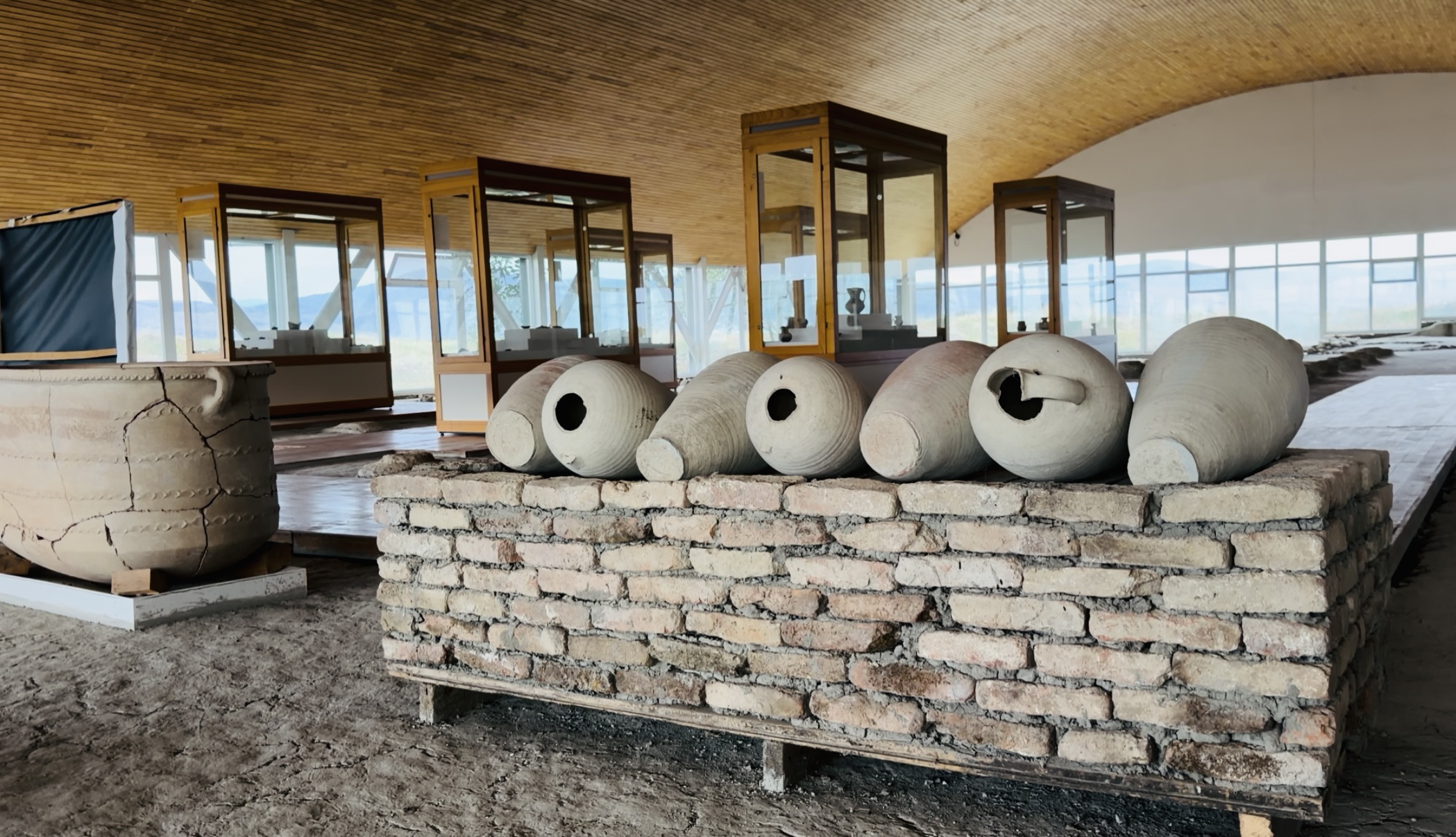
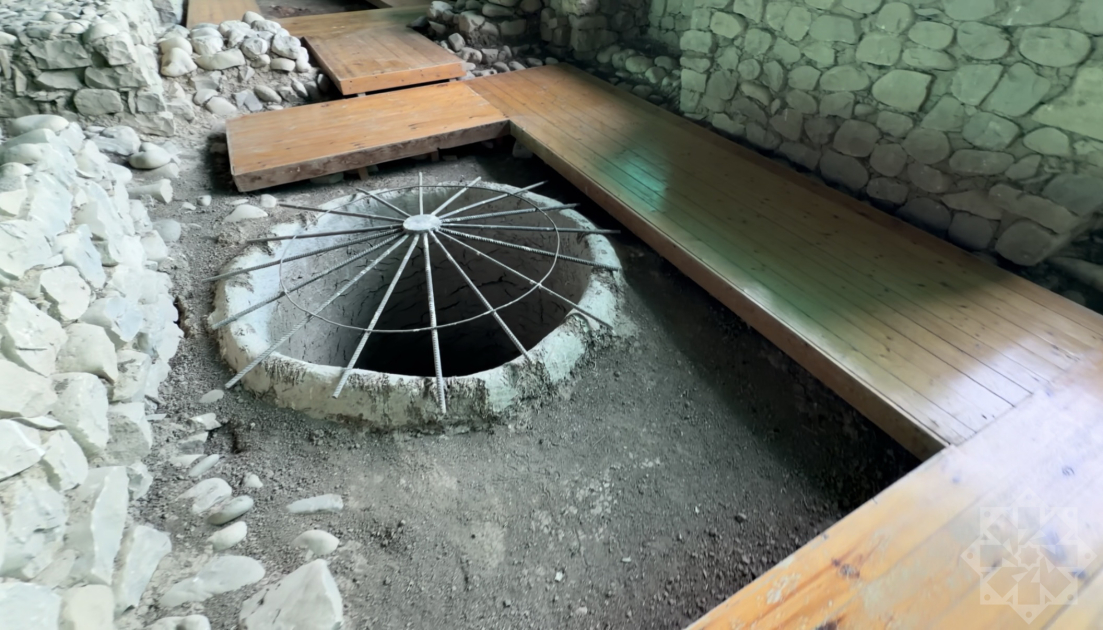
Another noteworthy structure is an 18th-century icehouse and storage facility located approximately seven metres underground. Used to store food supplies, the structure also yielded copper vessels and hoards of gold and silver coins.
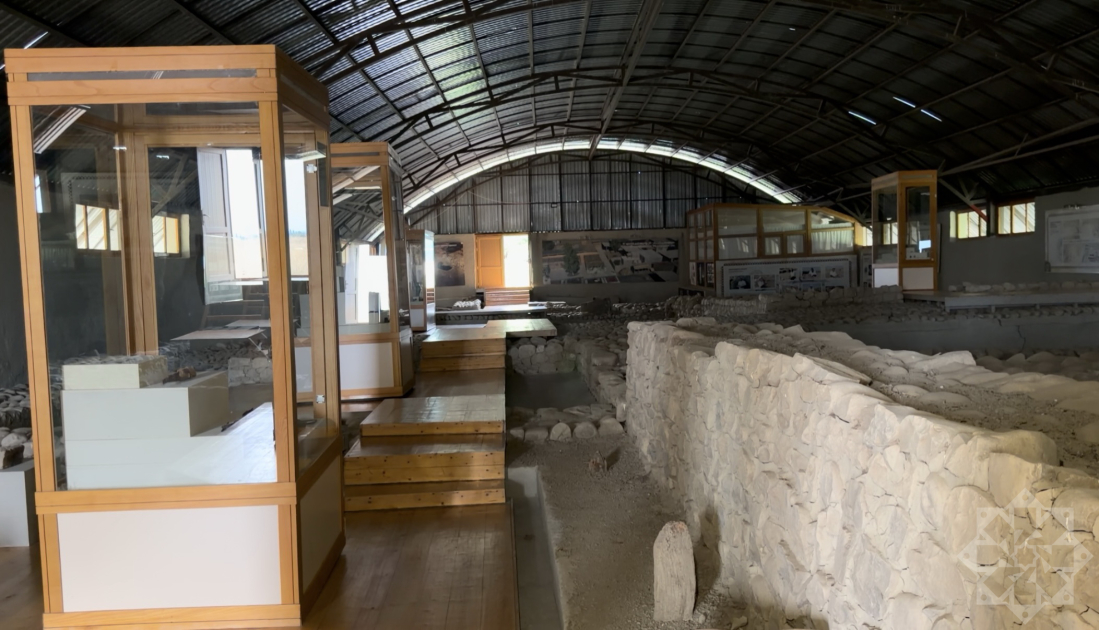
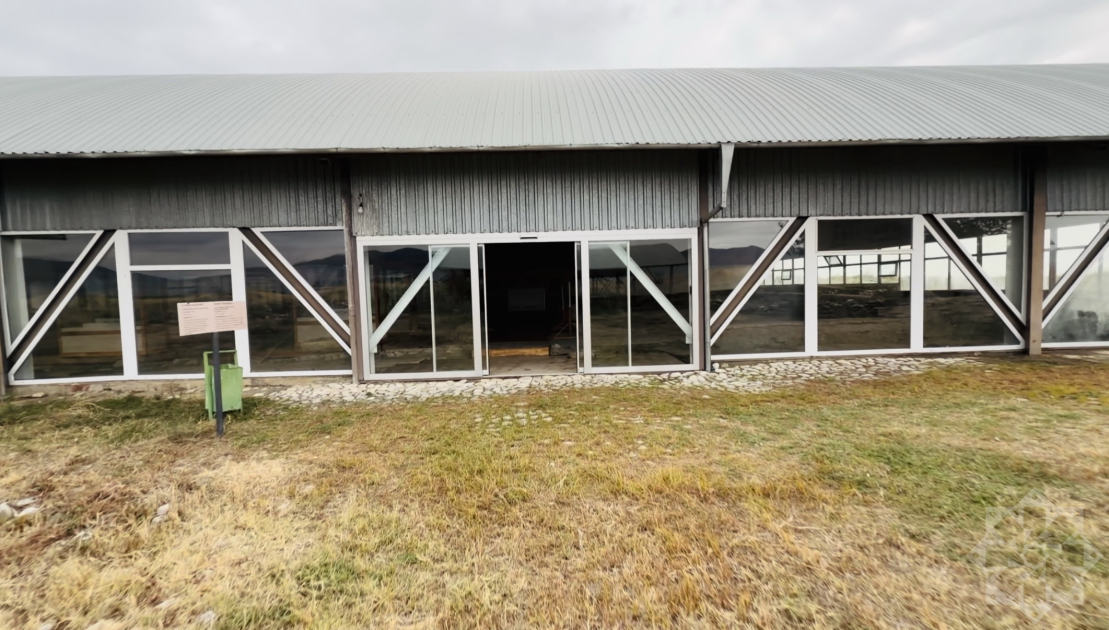
Archaeological research in the area began in 1983, while extensive excavations were carried out between 2010 and 2012. A total of 12 historical monuments have been registered within the Medieval Aghsu City State Historical and Cultural Reserve, established on October 22, 2019.

Other news in this section


