Shervin Najafpour: I want to introduce Norway to the Land of Fire, and Azerbaijan to the land of the Vikings — INTERVIEW
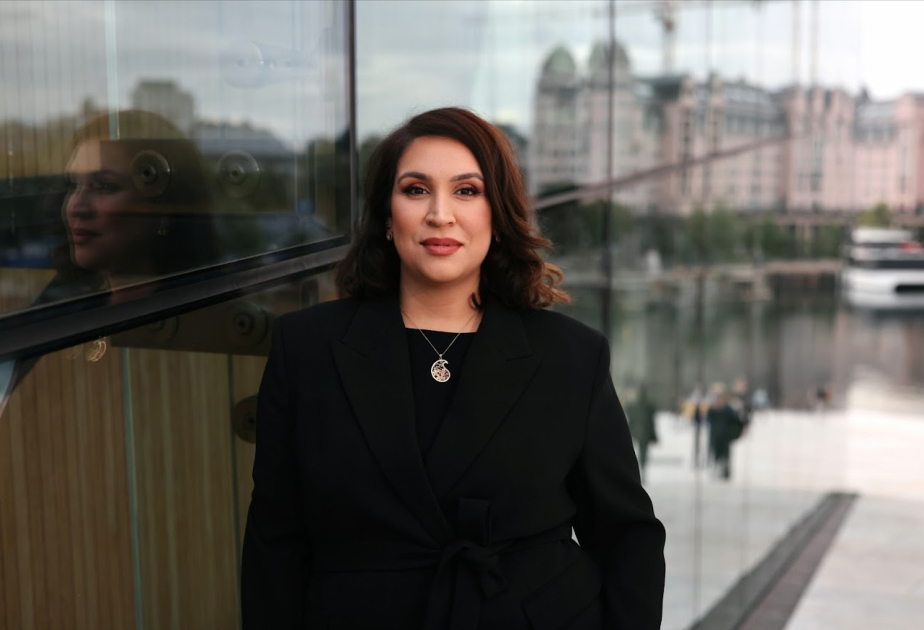
Stockholm, November 1, AZERTAC
Azerbaijan regained its independence in 1991, and that same year, thousands of kilometers away from the Land of Fire, in the Norwegian city of Mo i Rana, a girl was born into an Azerbaijani family who was given the ancient name Shervin - a name symbolizing strength, heroism, and an eternal soul.
This alignment of dates carries a subtle symbolism today. Throughout its history, Azerbaijan has undergone through complex trials, defending its statehood, national identity, language, and culture. Shervin Najafpour, an Azerbaijani woman born and raised in Norway, but who preserved a deep connection with her roots, also walked the path of searching for and asserting her national identity.
Over the years of her activity, she managed to prove herself in the most diverse spheres, ranging from fashion and politics to cultural diplomacy and public projects. Guided by her independent views and multifaceted interests, Shervin strives to preserve the connection with her Azerbaijani roots, building a cultural bridge between Azerbaijan and Norway.
In her interview with AZERTAC correspondent, Chairperson of CAN diaspora organization Shervin Najafpour highlighted the organization's cultural projects and strengthening ties between Azerbaijan and Norway.
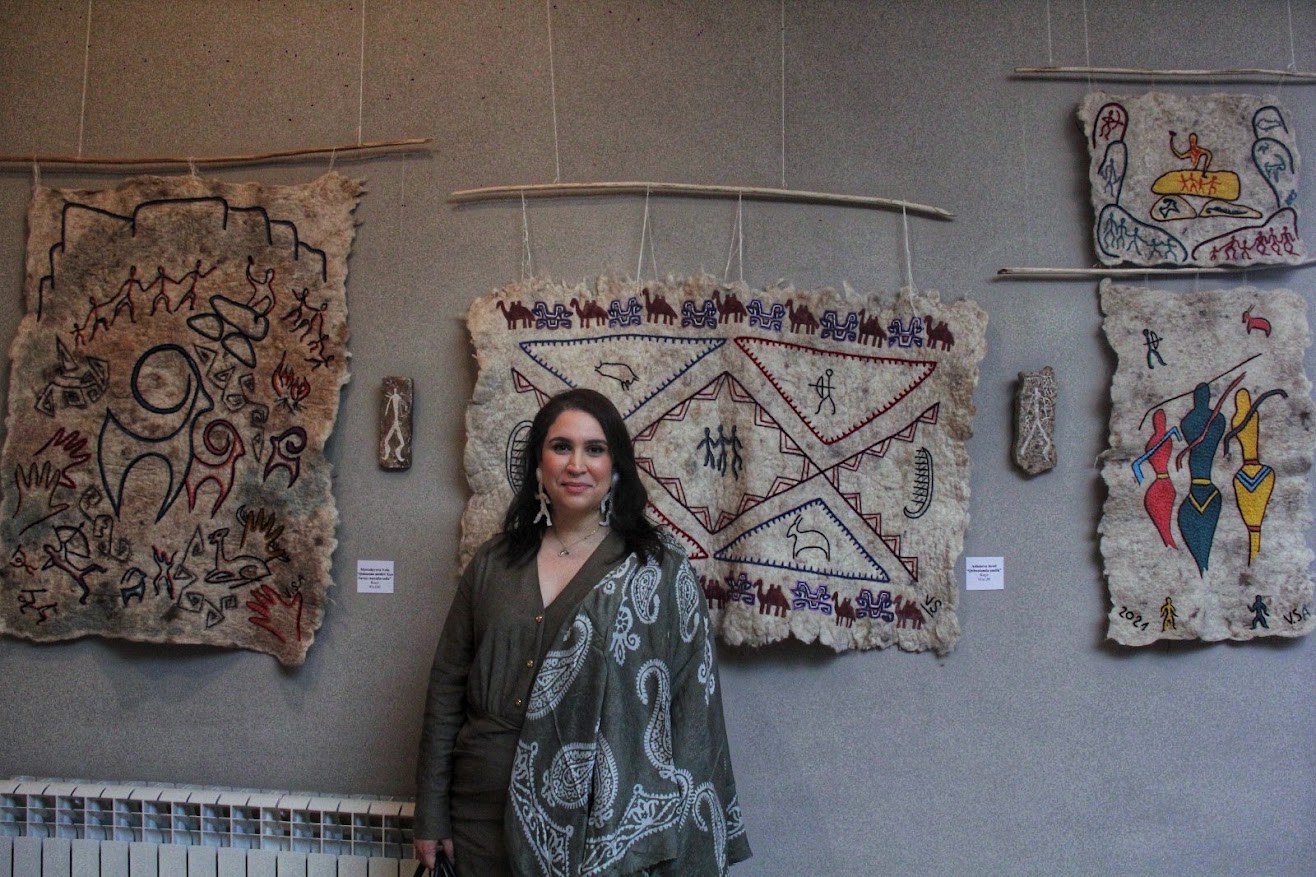
— Ms. Shervin, you are a versatile personality actively manifesting yourself in various fields - from fashion to public and cultural activities. Let's start with fashion. How did your journey as a designer begin?
— My interest in fashion began in childhood when my mother taught me how to sew. After studying in high school in the US, I earned a bachelor’s degree in international marketing leadership at BI in Norway. Interning with two prominent Norwegian designers over the next two years allowed me to immerse myself professionally into fashion and evolve as a designer.
At the age of 16, 17, and 18, I designed clothes for members of the Norwegian royal family, as well as a dress for one of the finalists of the Miss Universe Norway contest.
The "Land of Our Origin" collection also holds a special place in my creative journeys. While working on it, I set out to capture the cultural links between Norway and the Turkic world, inspired by Thor Heyerdahl’s work on the historical links between the Caucasus and Scandinavia. Back then, I expressed my ideas through fabrics, colors, silhouettes, and symbols. Looking back, I understand that I was already engaged in something much larger than creating clothes.
But, perhaps, the most significant project for me was the collection "I'm a Star," which I presented in 2019 at Antalya Fashion Week.
— Why does this project occupy a special place in your life?
— First of all, because it allowed me to unite two very important directions for me - the love of fashion and the love of Azerbaijan. I have always believed that fashion is not only the art of creating clothes, but also a powerful medium for storytelling.
That is why, using the international fashion platform, I tried to attract the attention of the international public to Azerbaijani territories occupied at that time and the destinies of people who dreamed of returning to their native land. Each exit of models to the podium was accompanied by thematic messages appearing in the background, featuring "I'm a Star in Garabagh," the words of Leyla Aliyeva "I want to go home, to Garabagh," as well as others dedicated to Azerbaijan.
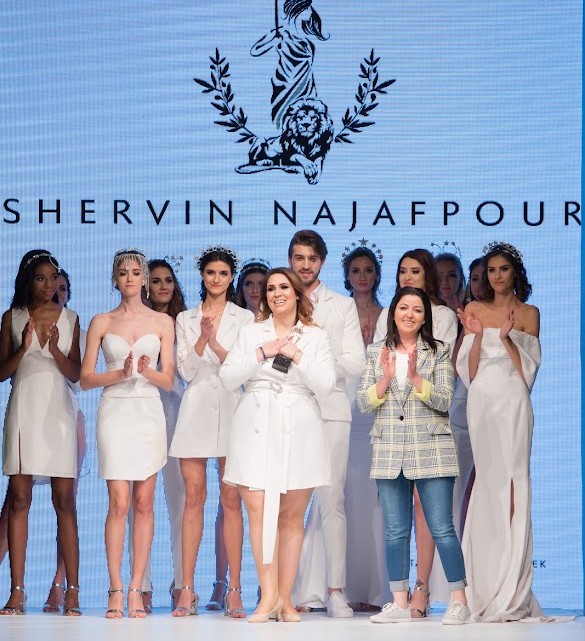 After the show, my life literally changed overnight. Unexpectedly, I found myself in the center of attention of the media of Azerbaijan and Türkiye. By the next morning, calls and messages with congratulations poured in, with many praising the extraordinary step.
Doors that previously seemed closed unexpectedly began to open before me. Along with recognition, however, rumors and misunderstandings appeared. Despite others giving interviews claiming to have funded my project, the truth is different. My father, Atabey, believed in my dream from day one and backed me financially. I often joke that all my work was actually funded by the “Atabey Foundation."
Honestly, I never expected such a reaction. I couldn't imagine an independent project causing such a wide public response. For weeks, media interest didn't fade. I gave 21 interviews to TV and press in just a few days. Though exhausted and overwhelmed, I was, above all, deeply grateful.
Just two weeks after the show, I was already flying to Baku, to fulfill one of most cherished dreams: visiting Garabagh for the first time.
— I understand your dream came true?
— It came true! Together with member of Milli Majlis Ganira Pashayeva and other members of the delegation, I visited the village of Jojug Marjanly to celebrate Novruz holiday with servicemen and families who returned to their native lands. In 2019, the village was in close proximity to the contact line, so we were accompanied by the military.
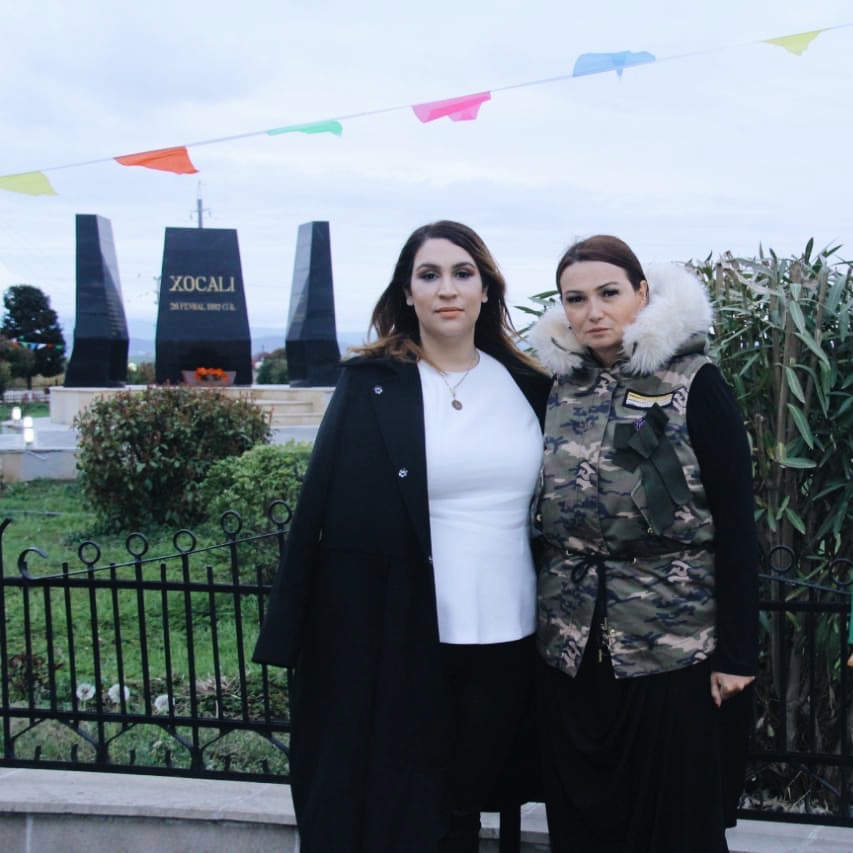 This trip was one of the most significant events in my life. After celebrations at the village school, I visited several displaced families and was deeply moved by their warmth and hospitality. They welcomed me like family, sharing tea, homemade sweets, and their personal stories, leaving me in tears.
Imagine me, born and raised in Norway, untouched by the horrors of war, loss, or displacement, sitting alongside those who had endured it all. Yet, simply because I tried to share their stories of longing and hope with the world, they embraced me as one of their own.
During those meetings, they kept asking me for one thing, to continue talking about Garabagh. And I kept my promise. In subsequent years, I implemented a whole series of projects dedicated to Garabagh. Among them is a two-week information campaign within which 200 billboards were installed in the center of Oslo, as well as cultural evenings aimed at promoting the rich heritage of Garabagh. All this time, I kept in my memory the meetings with its residents, their stories, words of gratitude, and prayers.
The theme of the Great Return to Garabagh has become a key focus of my professional activity.
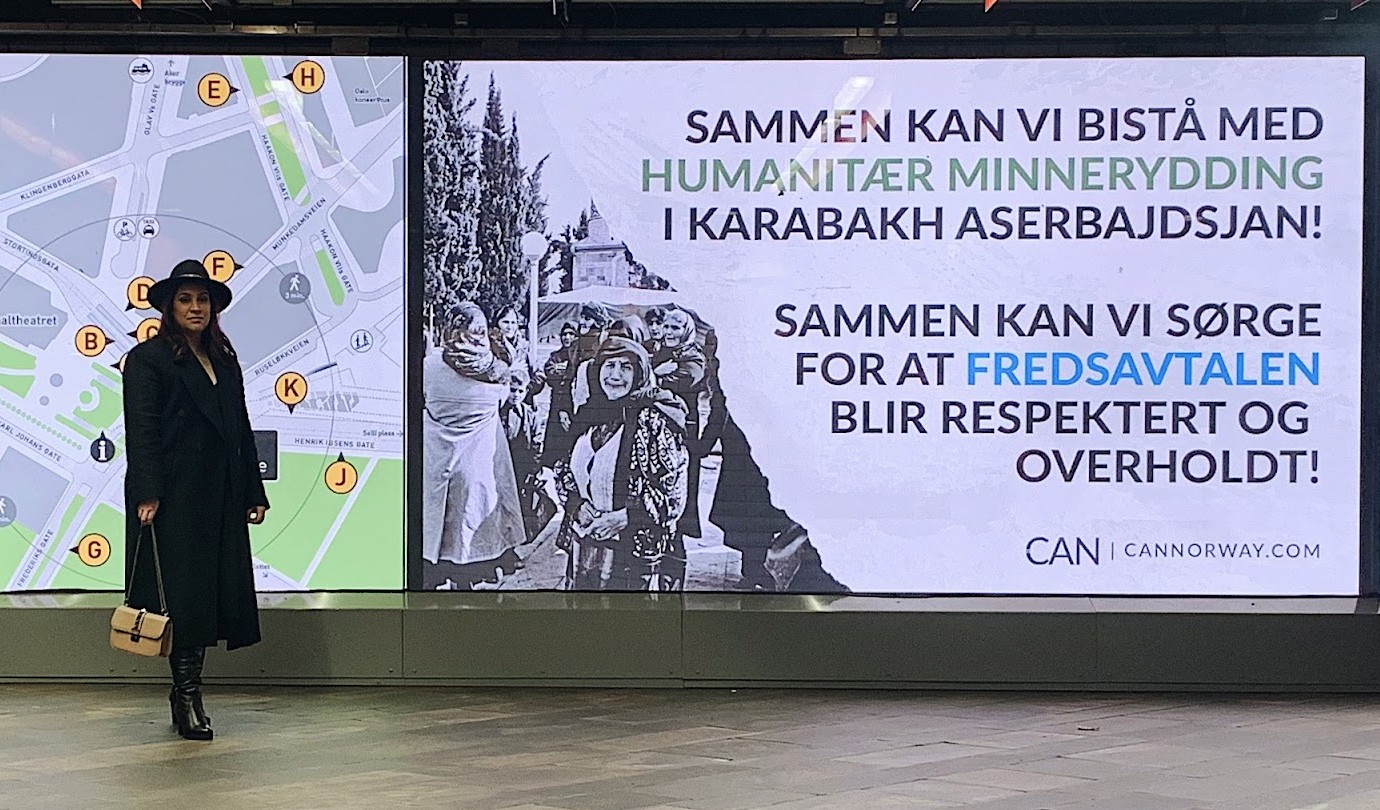
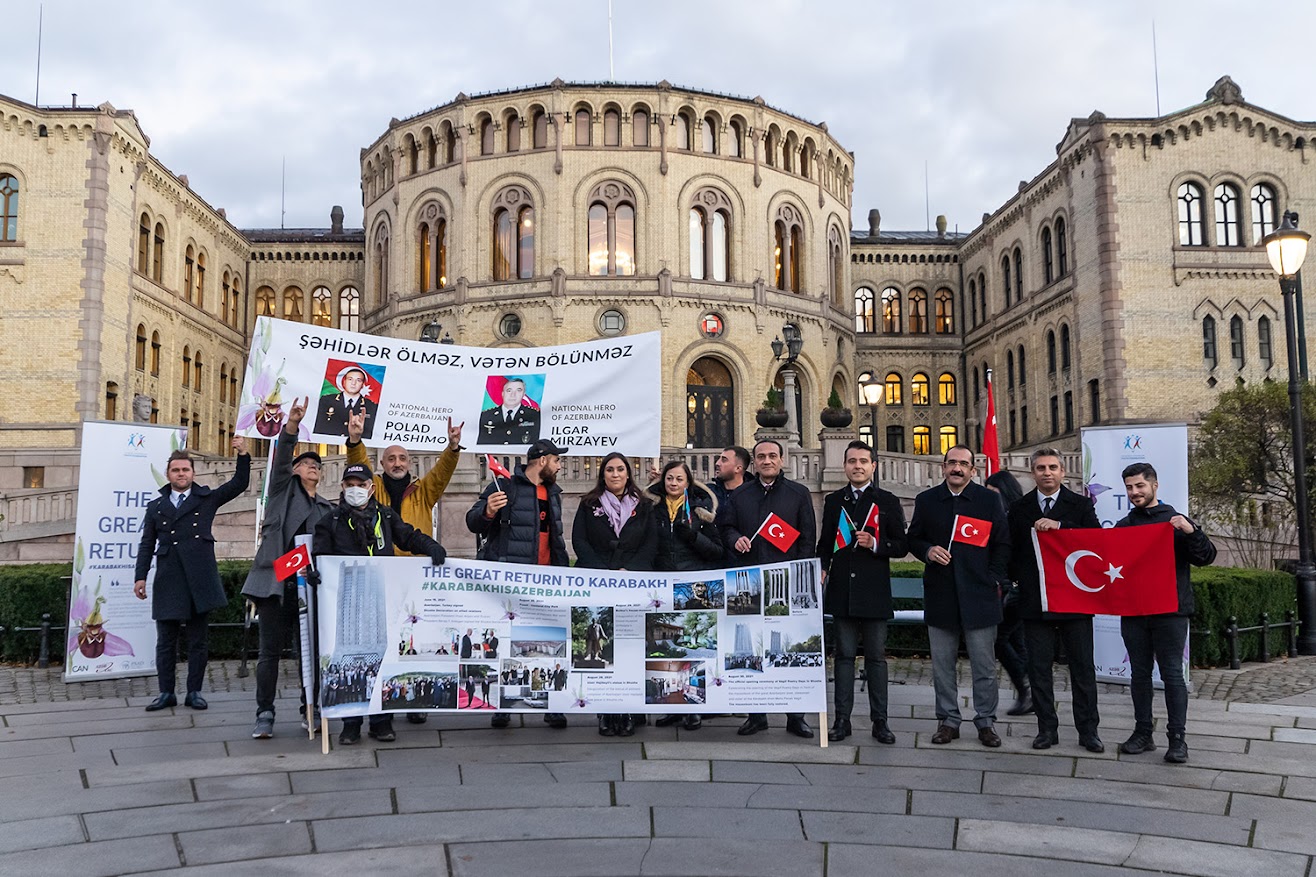 — Ms. Shervin, you are also the Chairperson of CAN organization. How did the idea of its creation arise and what projects have you managed to implement over the years of its activity?
— I founded CAN in 2018. From the very beginning, I wanted to create something greater than just an association of compatriots. My aim was to build cultural bridges, showcasing both Azerbaijani culture and the rich heritage of the Great Silk Road.
I wanted to go beyond traditional diaspora meetings, when people gather predominantly in the circle of their compatriots. I wanted to create opportunities for a real cultural dialogue, to establish ties between peoples and leading cultural institutions of Norway.
Over the years of CAN's activity, we managed to implement many interesting projects. And today I can proudly say that our efforts have delivered results. We maintain cooperation with influential cultural institutions of Norway, we are invited to significant events and offered to act as partners in various projects. For me, this is especially valuable, as it testifies to the fact that our activity has received recognition, becoming a part of the cultural life of the country.
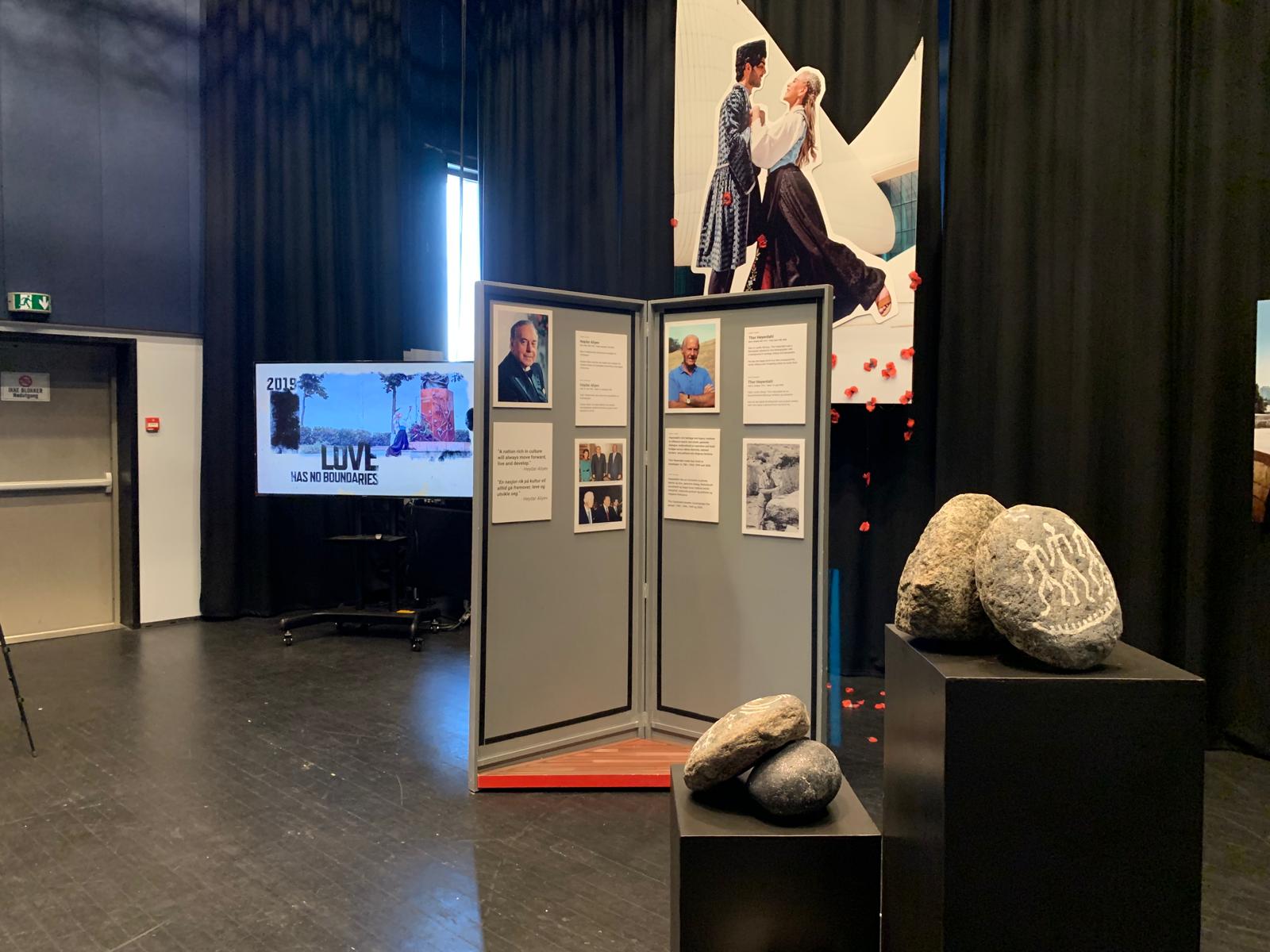
One of the most significant projects for me was the exhibition dedicated to National Leader of the Azerbaijani people Heydar Aliyev and his warm friendship with the famous Norwegian traveler and researcher Thor Heyerdahl. This exhibition aroused great interest, and its solemn opening ceremony was hosted by the then Mayor of Oslo Marianne Borgen.
The book “Jyrtdan in Oslo”, implemented jointly with Honored Artist Bahram Baghirzada, also holds a special place in my heart. Introducing our beloved folktale hero to Norway goes beyond cultural exchange; it is a story about childhood, memory, cultural roots, and a sense of belonging.
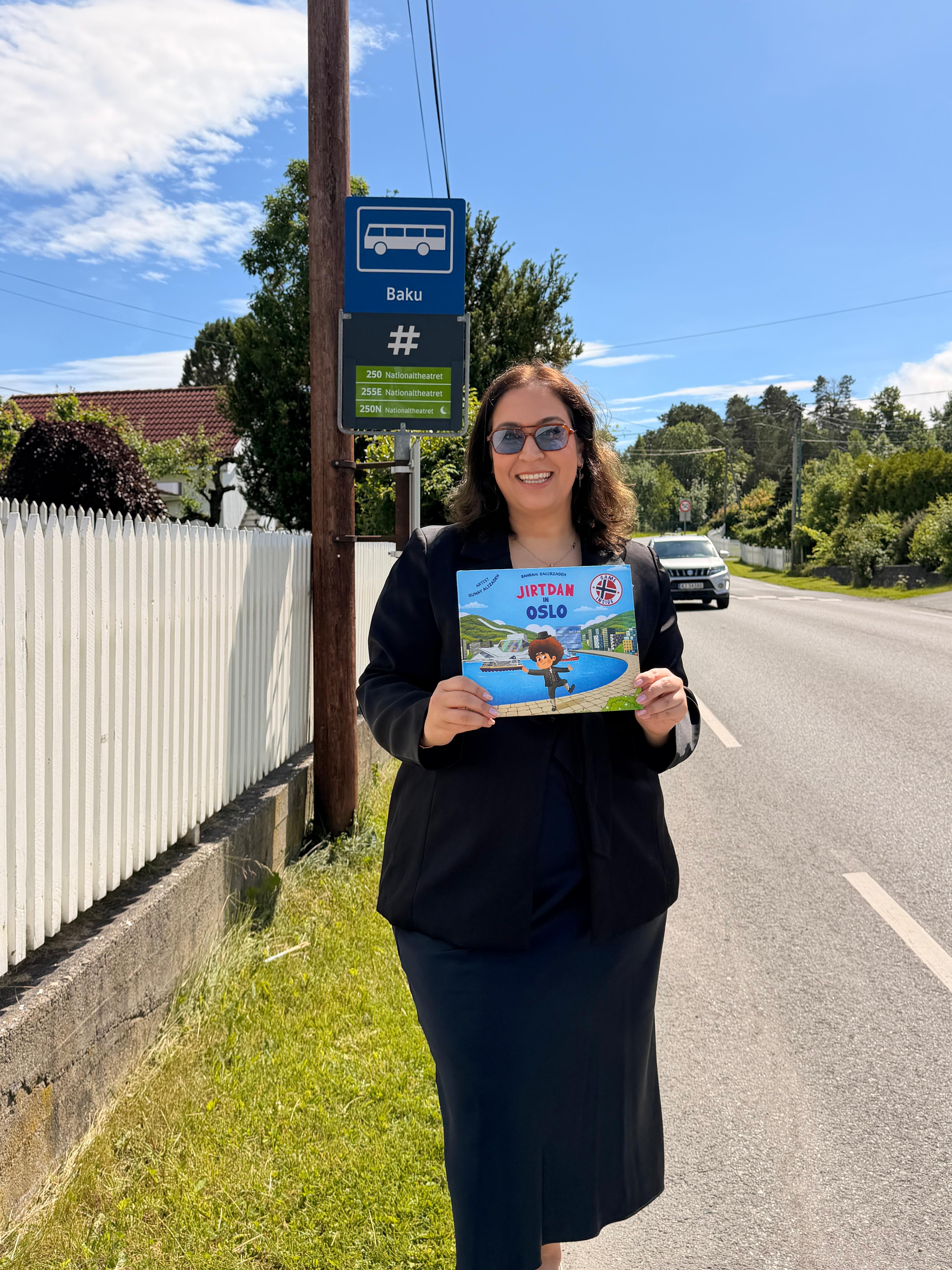
The same can be said about the "Baku" bus stop in Norway. At first glance, this is the most ordinary stop. But it bears the name "Baku," and thanks to this, a small piece of Azerbaijan becomes part of the Norwegian landscape.
Someone passes or drives by daily without even paying attention to the name. And someone, perhaps, will stop one day and think: "Why is this place called Baku? What story is hidden behind this name?" It is from such simple curiosity that acquaintance with another culture begins. And that means another bridge between our countries is born.
To me, this is the true beauty of cultural diplomacy. It thrives not just in official halls, but through a painting, a song, a children’s book, a fashion collection or event an ordinary road sign in Norway.
Perhaps this is why building cultural bridges has become my true vocation. After all, there are still so many untold stories in the world, so many people who have yet to meet each other, and so many cultural ties that are still waiting for their discovery.
I want to introduce Norway to the Land of Fire, and Azerbaijan to the land of the Vikings.
— Ms. Shervin, thank you for such an inspiring conversation. We wish every success in your further projects.
— Thank you. At the conclusion of our conversation, I would like to express one more sincere wish. I would very much like more Azerbaijani sponsors to recognize the importance of the cultural initiatives implemented abroad and to support unique projects capable of exerting a long-term impact.
President Ilham Aliyev has repeatedly emphasized the importance of cultural diplomacy and the preservation of the native language abroad. In this context, I would like to particularly note the significance of supporting cultural initiatives implemented abroad. I am convinced that investing resources in such projects strengthens cultural ties and leaves a legacy for future generations.
Above all, the message I wish to pass to the next generation is simple - you don’t need to be born on the land of your ancestors to be part of its history.
Other news in this section


