Google Pixel’s face-altering photo tool sparks AI manipulation debate
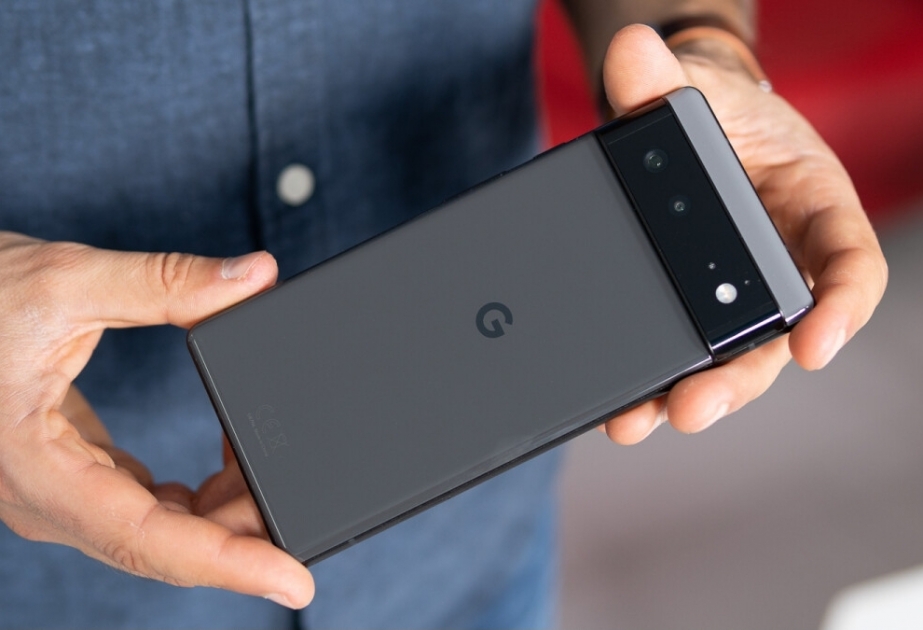
Baku, October 23, AZERTAC
The camera never lies. Except, of course, it does - and seemingly more often with each passing day.
According to BBC, in the age of the smartphone, digital edits on the fly to improve photos have become commonplace, from boosting colours to tweaking light levels.
Now, a new breed of smartphone tools powered by artificial intelligence (AI) are adding to the debate about what it means to photograph reality.
Google's latest smartphones released last week, the Pixel 8 and Pixel 8 Pro, go a step further than devices from other companies. They are using AI to help alter people's expressions in photographs.
It's an experience we've all had: one person in a group shot looks away from the camera or fails to smile. Google's phones can now look through your photos to mix and match from past expressions, using machine learning to put a smile from a different photo of them into the picture. Google calls it Best Take.
The devices also let users erase, move and resize unwanted elements in a photo - from people to buildings - "filling in" the space left behind with what's called Magic Editor. This uses what's known as deep learning, effectively an artificial intelligence algorithm working out what textures should fill the gap by analysing the surrounding pixels it can see, using knowledge it has gleaned from millions of other photos.
It doesn't have to be pictures taken on the device. Using the Pixel 8 Pro you can apply the so-called Magic Editor or Best Take to any pictures in your Google Photos library.
For some observers this raises fresh questions about how we take photographs.
Google's new AI technology has been described variously by tech commentators and reviewers as potentially "icky" (The Verge), "creepy" (Tech Radar) and having the potential to "pose serious threats to people's (already fragile) trust of online content" (Cnet).
Andrew Pearsall, a professional photographer, and senior lecturer in Journalism at the University of South Wales, agreed that AI manipulation held dangers.
"One simple manipulation, even for aesthetic reasons, can lead us down a dark path," he said.
He said the risks were greater for those who used AI in professional contexts but there were implications to for everyone to consider.
"You've got to be very careful about 'When do you step over the line?'.
"It's quite worrying now you can take a picture and remove something instantly on your phone. I think we are moving into this realm of a kind of fake world."
Speaking to the BBC, Google's Isaac Reynolds, who leads the team developing the camera systems on the firm's smartphones, said the company takes the ethical consideration of its consumer technology seriously.
He was quick to point out that features like Best Take were not "faking" anything.
Camera quality and software are key to the company competing with Samsung, Apple and others - and these AI features are seen as a unique selling point.
And all of the reviewers who raised concerns about the tech praised the quality of the camera system's photos.
The physical limitations of smartphones mean they rely on machine learning to "fill in" information that doesn't exist in the photo.
This helps improve zoom, improve low light photographs, and - in the case of Google's Magic Editor feature - add elements to photographs that were either never there or swapping in elements from other photos, such as replacing a frown with a smile.
Manipulation of photographs is not new - it's as old as the art form itself. But never has it been easier to augment the real thanks to artificial intelligence.
Earlier this year Samsung came in for criticism for the way it used deep learning algorithms to improve the quality of photos taken of the Moon with its smartphones. Tests found it didn't matter how poor an image you took to begin with, it always gave you a useable image.
In other words - your Moon photo was not necessarily a photo of the Moon you were looking at.
The company acknowledged the criticism, saying it was working to "reduce any potential confusion that may occur between the act of taking a picture of the real Moon and an image of the Moon".
Other news in this section


