August 9 marks International Day of World's Indigenous Peoples
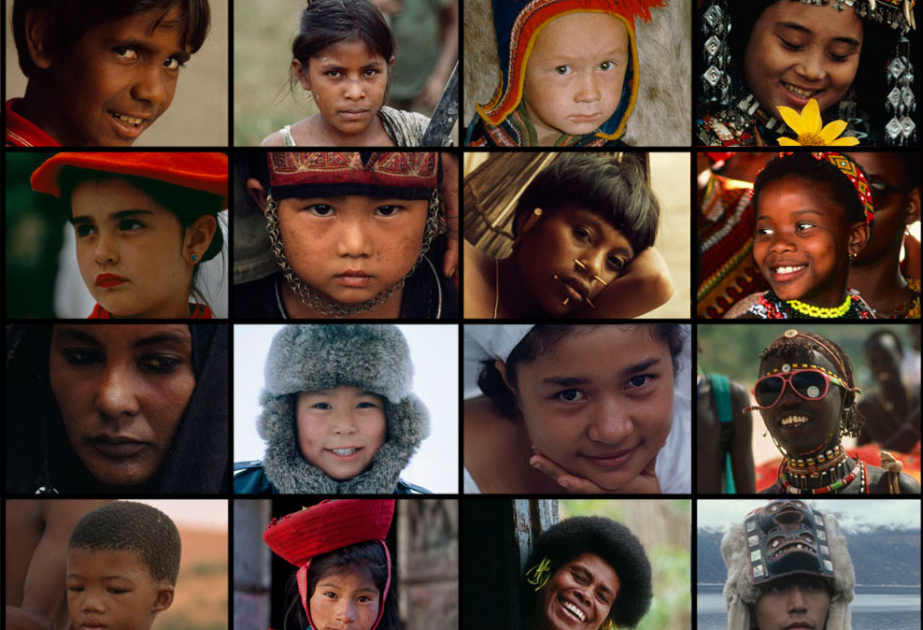
Baku, August 9, AZERTAC
In order to raise awareness of the needs of these population groups, every 9 August commemorates the International Day of the World’s Indigenous Peoples.
According to the UNESCO official website, this date, adopted in December 1994 by UN General Assembly resolution 49/214, marks the date of the first meeting of the UN Working Group on Indigenous Populations of the Sub-Commission on the Promotion and Protection of Human Rights held in Geneva in 1982.
UNESCO supports Indigenous Peoples and local communities study and articulate the importance of their knowledge systems, and foster transdisciplinary knowledge cooperation through science, culture and communication and information programmes.
Indigenous Peoples live in all regions of the world and own, occupy or use some 22% of global land area. Numbering at least 370-500 million, Indigenous Peoples represent the greater part of the world’s cultural diversity. They speak an overwhelming majority of the world’s estimated 7,000 languages and represent 5,000 different cultures. Despite their cultural differences, Indigenous Peoples from around the world share common problems related to the protection of their rights as distinct peoples. Many Indigenous Peoples continue to be confronted with marginalization, extreme poverty and other human rights violations.
The United Nations General Assembly (Resolution A/RES/74/135) proclaimed the period between 2022 and 2032 as the International Decade of Indigenous Languages (IDIL 2022-2032), to draw global attention on the critical situation of many indigenous languages and to mobilize stakeholders and resources for their preservation, revitalization and promotion.
The proclamation of an International Decade is a key outcome of the 2019 International Year of Indigenous Languages, for which the United Nations Educational, Scientific and Cultural Organization (UNESCO) lead global efforts. The Organization will continue to serve as lead UN Agency for the implementation of the International Decade, in cooperation with the United Nations Department of Economic and Social Affairs (UNDESA) and other relevant UN Agencies.
Other news in this section


