Moscow discussions focus on South Caucasus energy projects under “3+3” framework
Moscow, October 16, AZERTAC
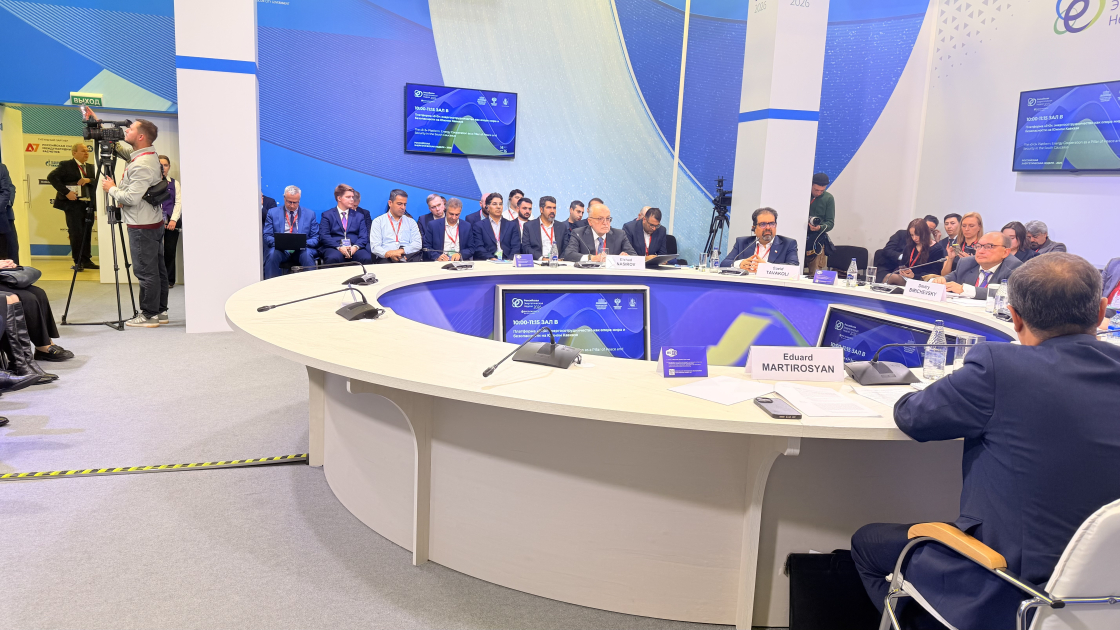
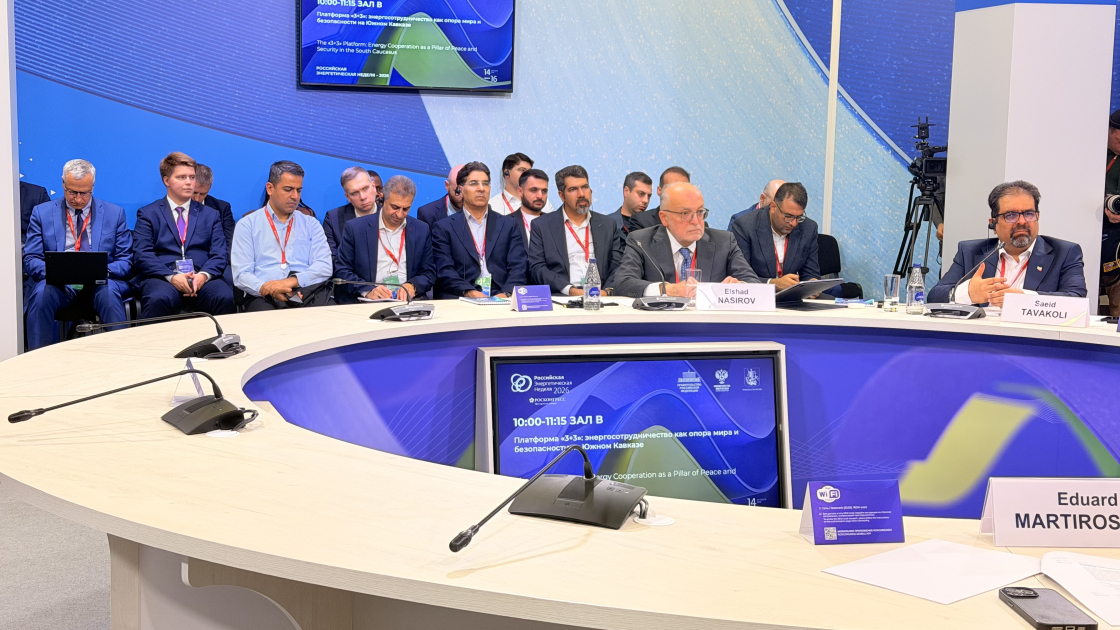
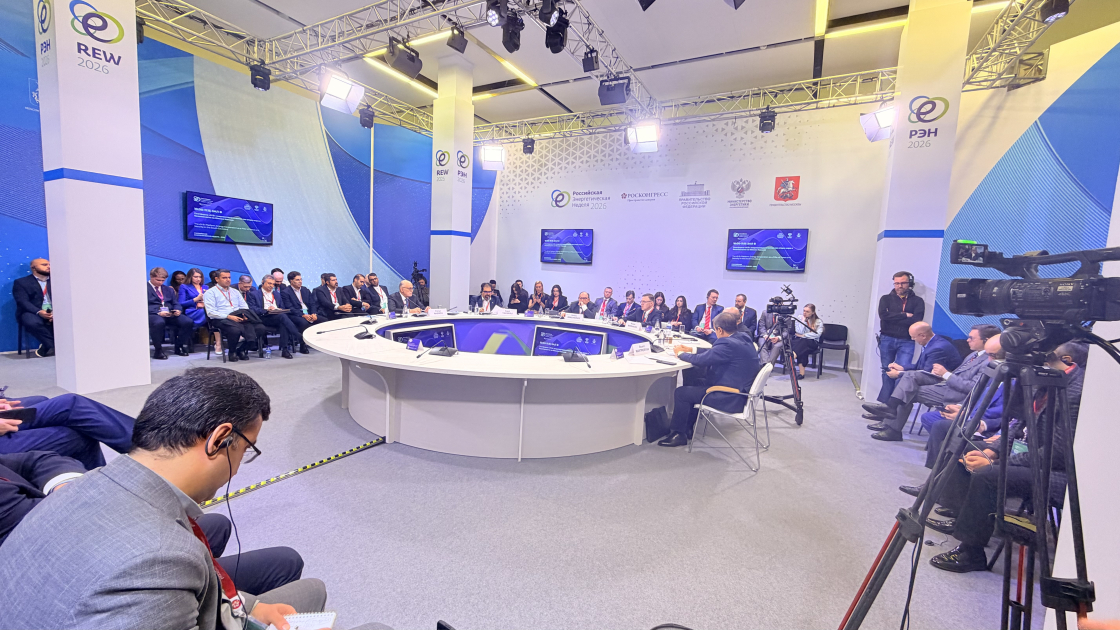
A roundtable titled “The 3+3 Platform: Energy Cooperation as a Pillar of Peace and Security in the South Caucasus,” held in Moscow during Russian Energy Week, focused on prospects for electricity trade and coordination of regional energy strategies.
Participants also discussed the use of existing infrastructure, the development of economic ties in the region, and joint projects aimed at strengthening stability.
In his remarks, SOCAR Vice President Elshad Nasirov stressed the importance of using pipelines efficiently and expanding regional cooperation to ensure reliable energy supplies. He highlighted Azerbaijan’s close energy ties with Türkiye and Georgia, as well as its gas swap agreement with Iran to supply the Nakhchivan Autonomous Republic.
Nasirov described the launch of Azerbaijani petrol and diesel fuel supplies to Armenia last December as an example of how practical cooperation in the energy sector can contribute to peace in the South Caucasus.
Russian Deputy Energy Minister Roman Marshavin proposed that the member states of the “3+3” regional platform exchange energy strategies and consider developing a joint industrial development strategy extending to 2050 and beyond.
Saeid Tavakoli, Iran’s Deputy Oil Minister and head of the National Iranian Gas Company, said the “3+3” platform could help develop a new energy agenda. He emphasized the importance of making more efficient use of existing pipelines, taking seasonal fluctuations in supply into account, and jointly developing underground gas storage facilities.
Eduard Martirosyan, director general of the Armenian Nuclear Power Plant, discussed prospects for energy cooperation with neighboring countries. He referred to fuel supplies already secured from Azerbaijan and said electricity transit could also become possible in the future.
“Armenia intends to develop energy cooperation with its neighbors, Iran and Georgia, and, in the long term, with Azerbaijan,” Martirosyan said.
Archil Sikharulidze, founder and director of the Tbilisi-based SIKHA Foundation research institute, did not rule out the possibility of Georgia joining the platform in the future.
The event was organized by Russia’s Ministry of Foreign Affairs and Ministry of Energy, with support from the Roscongress Foundation and the Institute of China and Contemporary Asia of the Russian Academy of Sciences.
Other news in this section


