Japan researchers turn discarded udon noodles into biodegradable paper
Baku, June 4, AZERTAC
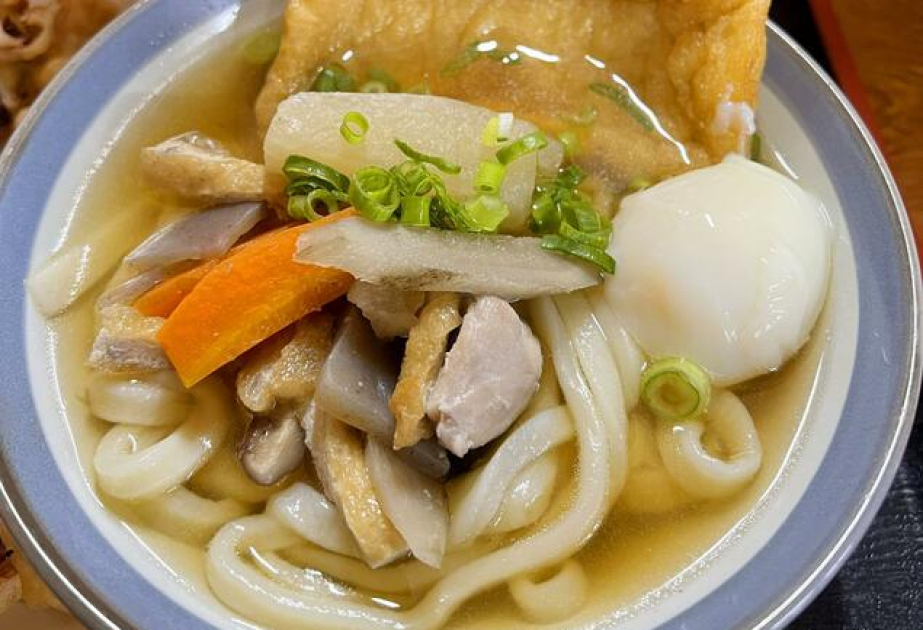
A university in Kagawa is turning one of the western Japan prefecture's most famous foods into an unlikely new material, using discarded udon noodles to create biodegradable "paper", according to Kyodo News.
Researchers are using microorganisms to transform unwanted wheat noodles from local restaurants into thin sheets of cellulose with a texture similar to traditional Japanese "washi" paper, in an initiative aimed at reducing food waste and creating new local products.
The project was developed by Professor Naotaka Tanaka of Kagawa University's Faculty of Agriculture, who established the technology by applying research into microorganisms and cellulose-producing bacteria.
Kagawa Prefecture is widely known for Sanuki udon, a regional noodle specialty that attracts visitors from around the country. But large quantities of noodles also go unsold or are discarded after losing their flavor once boiled and left sitting for too long.
"With large amounts of udon noodles being discarded in Kagawa Prefecture, I thought repurposing them could help reduce food waste," Tanaka said. "The process of converting discarded udon into sugar was relatively simple, so I decided to put the idea into practice."
To make the paper-like material, the discarded noodles are first blended with water in a mixer. Enzymes are then added to break down the starch into glucose. When acetic acid bacteria are cultivated in the mixture, they gradually produce a membrane of cellulose over several days.
The membrane is then transferred to trays and air-dried, eliminating the need for a conventional papermaking process.
A single serving of udon can produce between five and 10 sheets of A4-sized paper. According to Tanaka, the material is more resistant to water and tearing than ordinary paper and naturally decomposes in soil through the action of other microorganisms.
Tanaka began making the microbial paper around 16 years ago as a way to help students better understand how microorganisms produce cellulose membranes.
He said he was surprised by how light and durable the finished material proved to be, and later began exploring whether the technique could also help address food waste in Kagawa Prefecture.
"I wanted to contribute to society by making use of the region's unique characteristics," he said.
Around 2020, the university shared its manufacturing know-how free of charge with a social welfare corporation in the prefecture after Tanaka suggested the process could provide light work opportunities for people with disabilities.
The effort initially encountered problems because bacteria contaminated the developing sheets and mold formed on the cellulose film at the busy facility. Production later stabilized after the materials were cultivated inside temperature-controlled boxes.
The welfare facility now produces about 100 sheets per month, according to the organization.
The university purchases the finished paper from the facility, creating a small local production cycle linking restaurants, researchers and welfare workers. Partner restaurants provide noodles that would otherwise be discarded, including batches that have lost their flavor after being boiled and left sitting.
The finished sheets have already been used to produce promotional goods and artworks, while researchers are also exploring whether the biodegradable material could eventually be used in artificial fishing bait and other products that would benefit from decomposing naturally after disposal.
In return for supplying the noodles, the university provides participating restaurants with data on daily food waste volumes and weather conditions -- information researchers hope can help businesses better predict demand and reduce waste in the future.
"I hope the initiative can serve as a model for reducing food waste," said Tanaka.
Other news in this section


