“Knight’s Move” in Prague
Prague, March 14, AZERTAC
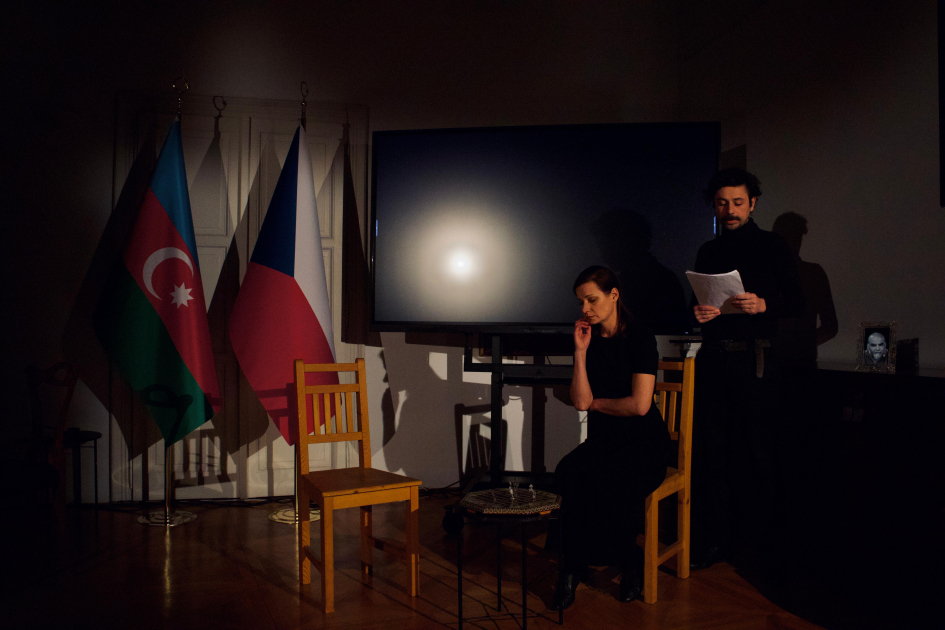
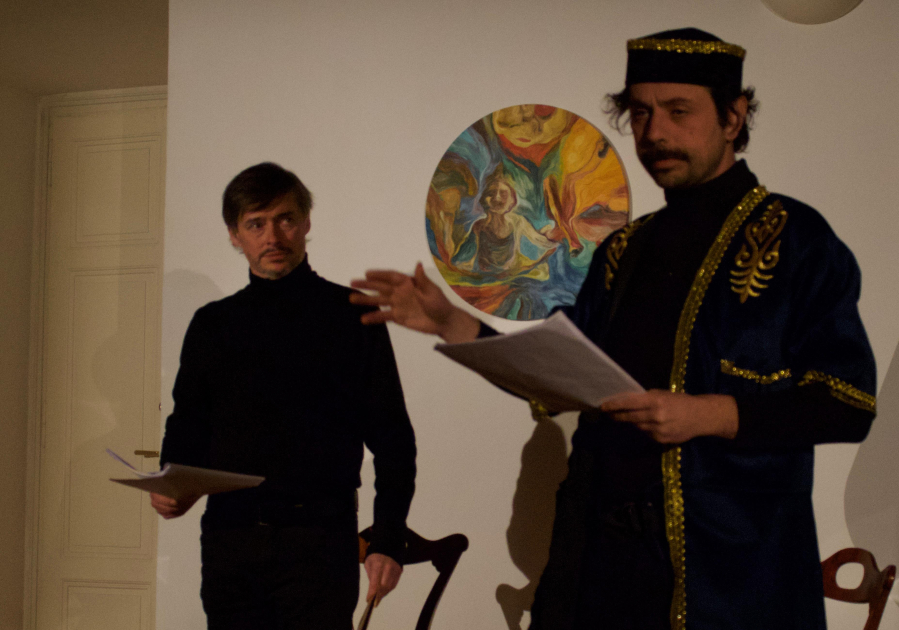
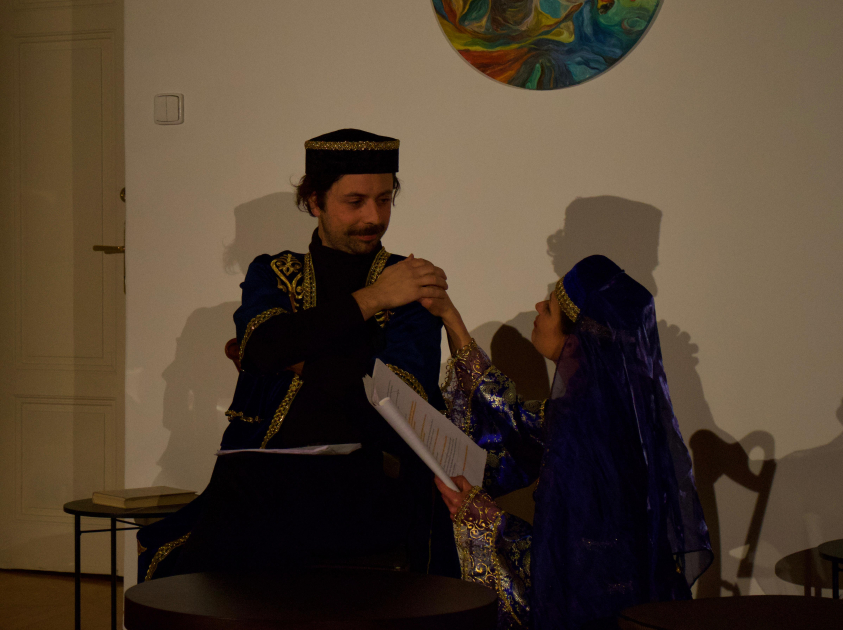
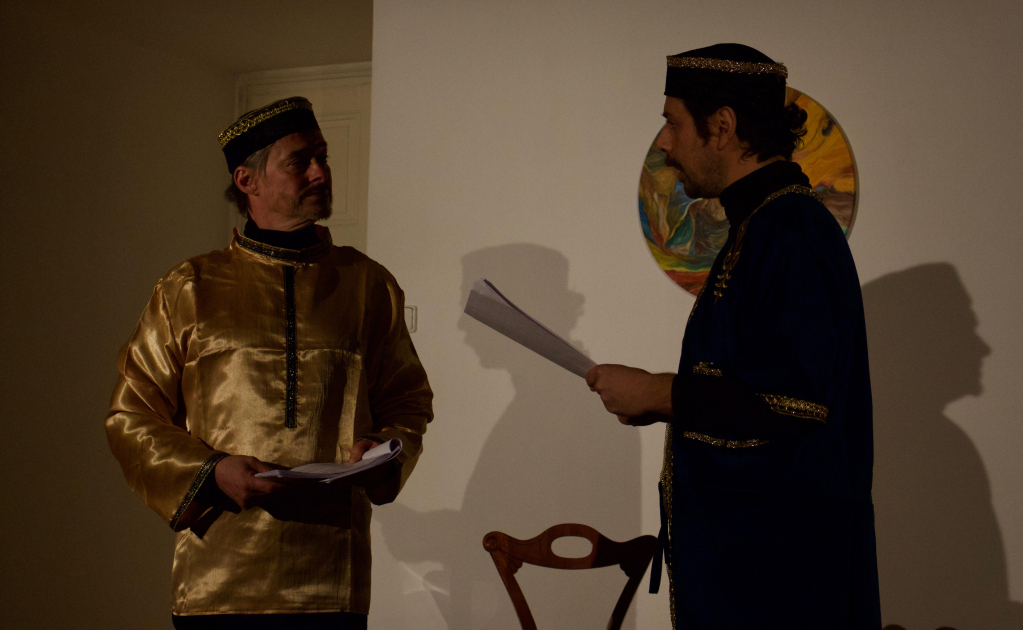
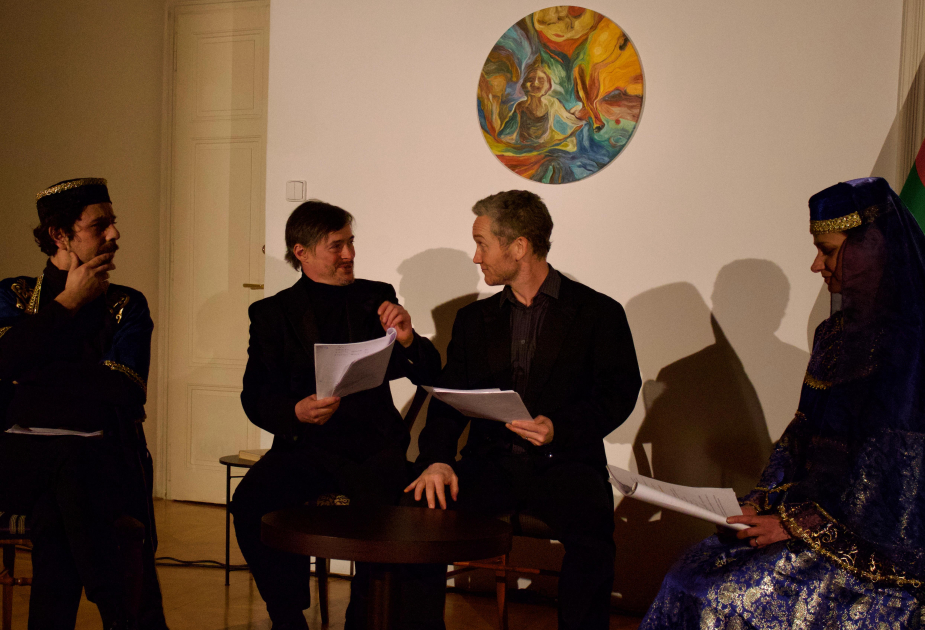
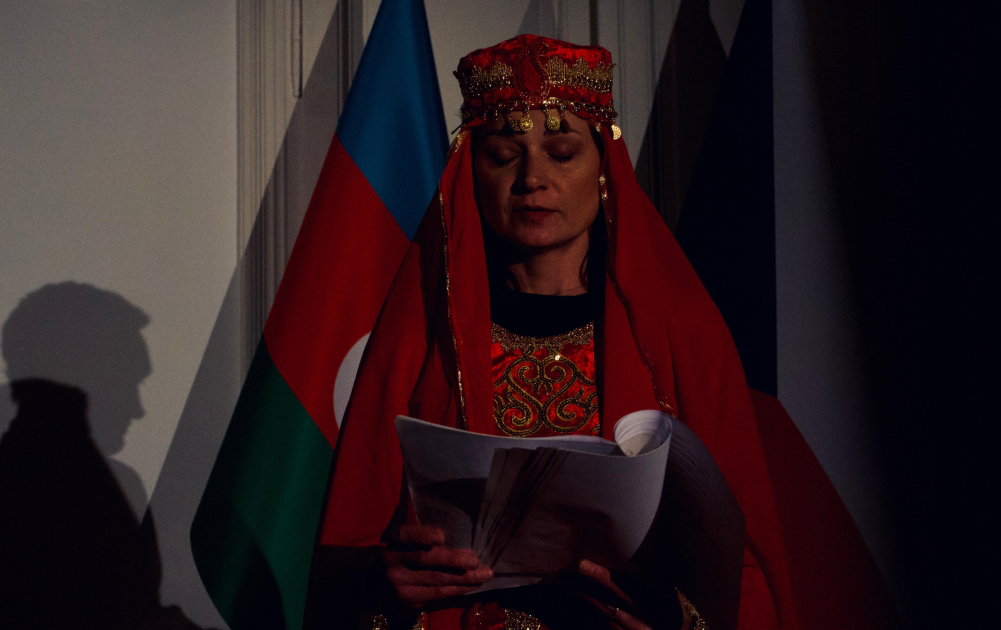
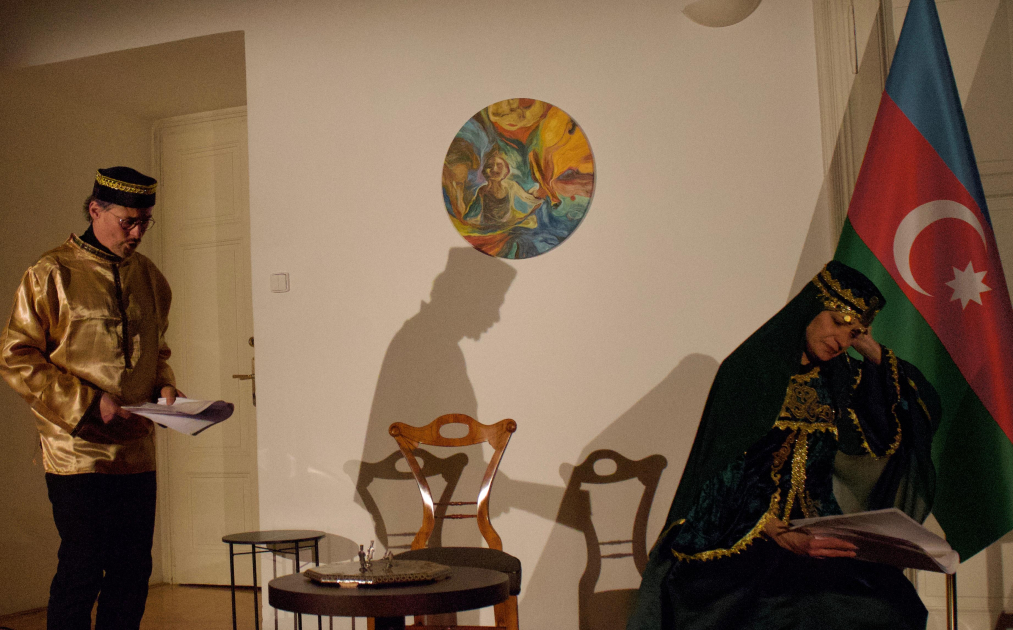
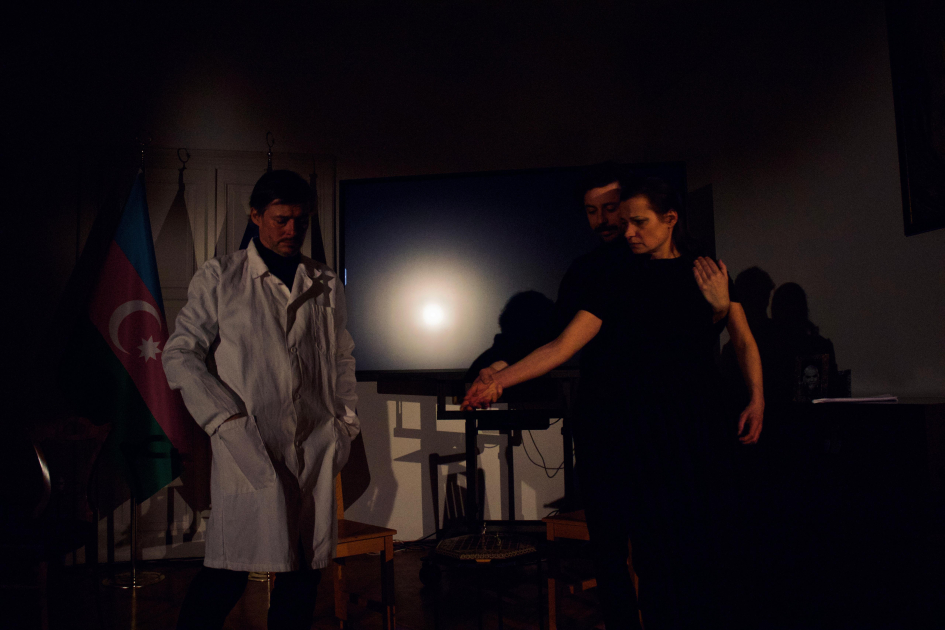
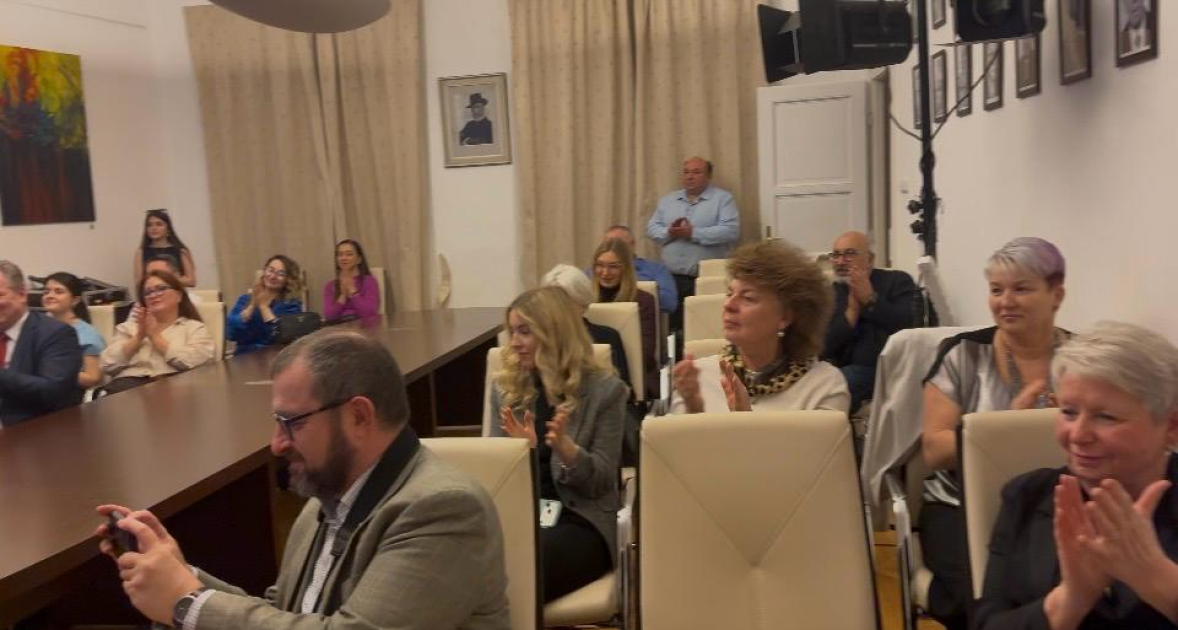
A staged reading of the play “Knight’s Move” by Azerbaijani poet and playwright Leyla Begim was held in the historic center of Prague, in the hall of the Czechoslovak Foreign Institute.
The author of the work told AZERTAC about the event.
The talented direction and expressive acting deeply moved the Czech audience – among the spectators were diplomats, writers, and representatives of the creative intelligentsia.
The venue added special symbolism to the event. The Czechoslovak Foreign Institute was founded in 1928 by the country’s first president, Tomáš Masaryk. For nearly a century, the institute has remained a space for cultural dialogue and a reflection of humanistic traditions.
At the beginning of the staged reading, Leyla Begim expressed her gratitude to the chairwoman of the institute, Hana Hlaváčková, for her appreciation of the production and for initiating and organizing the staged reading at the institute.
This was the second premiere organized for members and guests of the Czechoslovak Foreign Institute. The first took place in November at the Azerbaijan Cultural House in Prague with the support of the State Committee on Work with Diaspora.
The play “Knight’s Move” is structured as a tragedy-metaphor of a chess game. Its action begins with the news of the killing of journalists in the Central African Republic, among whom was Orkhan Dzhemal.
This tragedy becomes a kind of mirror reflecting the 19th century and the fate of the outstanding Azerbaijani poetess Khurshidbanu Natavan, of whom Dzhemal was a paternal descendant.
The story takes the audience to Tbilisi, Baku, and Shusha. At the center of the plot is the story of Prince Khasay Khan Utsmiyev, Natavan’s first husband, who, after receiving an order from the tsar to relocate, in effect exile, his people from their native lands, makes an unexpected “knight’s move.”
However, in the grand game of politics, even a victorious move can sometimes prove fatal.
The staged reading was directed by Krystof Nohýnek. Czech actors Gabriela Pyšná, Richard Fiala, Vítek Maštalíř, and Krystof Nohýnek took part in the performance. The artistic design of the space was prepared by artist Heyran Mustafazade.
The Czech translation of the play was completed by the well-known poet-translator Milan Dvořák.
Vugar Seyidov
Special correspondent
Other news in this section


