New immune cell mechanism could inspire targeted cancer and tissue treatments
Baku, June 18, AZERTAC
Israeli and U.S. scientists have identified a previously unknown type of immune cell that defends the body through a rapid self-destruction mechanism, in which the cell ruptures in a highly controlled way and releases toxic compounds into its immediate surroundings, according to TPS-IL. The findings suggest that the immune system may rely not only on conventional white blood cells, but also on a faster, more aggressive local defense strategy to eliminate threats within minutes.
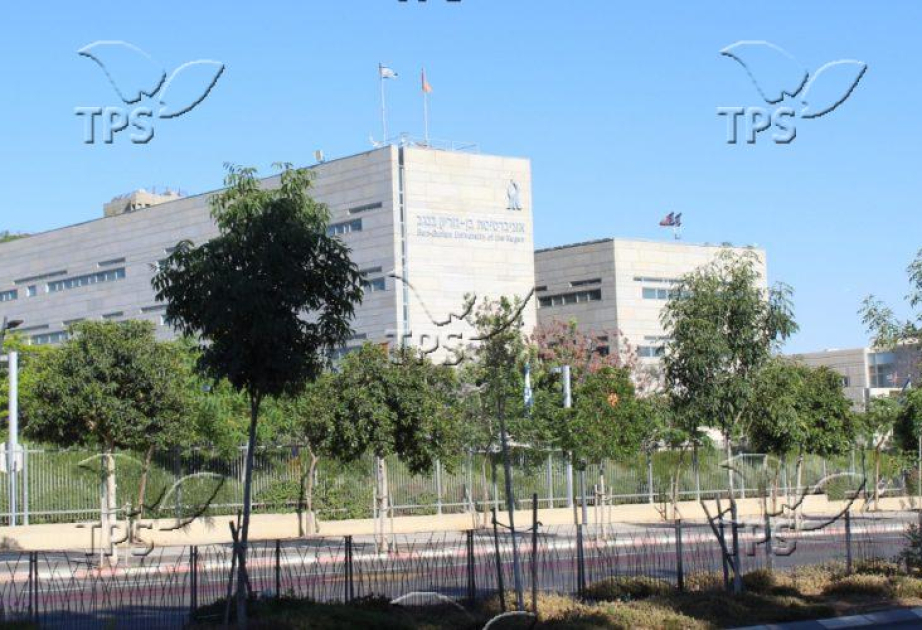
“These findings reveal an entirely new strategy that directly links hormonal signals to innate immune defense. They show how diverse nature can be when inventing ways to fight infection, and could ultimately inspire new ways to engineer cellular therapies to target harmful bacteria or abnormal cells,” said Prof. Benjamin Rosenthal of Ben-Gurion University of the Negev.
Until now, immune defense has been understood primarily in terms of white blood cells and related pathways circulating through the bloodstream and tissues to detect and eliminate threats. The new research challenges this framework by identifying a distinct class of immune cell that appears to operate outside conventional blood-based immunity and uses a different mechanism: localized cellular rupture.
The study, published in the peer-reviewed journal Cell, found that these cells—called raptoblasts—are activated when they detect a sharp increase in the hormone activin, a signal associated with tissue stress. This trigger initiates a tightly regulated biochemical cascade involving calcium release and breakdown of the cell’s structural cytoskeleton, culminating in rapid rupture of the cell membrane. The result is a short-lived but intense release of toxic compounds that can kill nearby cells within about two minutes.
Importantly, the process is not random cell death but a controlled biological response. Researchers describe it as a precise biochemical switch that responds only to strong activin signals, reducing the likelihood of accidental activation. After the event, the toxic effect dissipates within roughly 15 minutes, limiting collateral damage while still allowing for rapid elimination of pathogens or abnormal cells.
In laboratory experiments, a single raptoblast was able to kill up to 70 surrounding cells. The effect was observed across a range of targets, including bacteria, flatworms, and mammalian cells such as human cancer cell lines.
To examine whether this mechanism exists beyond mammals, the researchers studied flatworms (planaria), which are known for their ability to regenerate entire bodies from small tissue fragments. Despite lacking traditional antibody-based immunity, planaria displayed raptoblast-like activity during immune responses. When exposed to bacteria, nearby cells released activin signals that activated raptoblasts, leading to rapid destruction of invading microbes.
Further experiments examined how the system behaves during tissue fusion in regeneration. When tissues from two different flatworms were combined, the interaction caused elevated activin levels, triggering widespread raptoblast activation and resulting in significant tissue damage. However, when researchers genetically removed raptoblasts, this destructive rejection response disappeared. The compounds released during activation were also found to be potent enough in vitro to destroy mammalian cells, including human tissue samples.
The most immediate potential application of the findings is in cancer treatment. Because raptoblasts can rapidly destroy nearby cells within a localized area, researchers suggest they could provide a model for therapies that mimic this rapid cytotoxic mechanism to eliminate tumors. Instead of relying solely on drugs that slow cancer growth, engineered cells could potentially be designed to trigger a controlled, localized cell-killing response within or around a tumor.
In regenerative medicine and tissue engineering, the findings may also help explain how immune-like responses influence tissue repair. The flatworm experiments suggest this mechanism may play a role in tissue acceptance or rejection during regeneration. If better understood and controlled, it could help improve graft integration, reduce rejection, and support more stable healing outcomes.
However, the researchers caution that the mechanism is extremely powerful and can damage surrounding tissue if not tightly regulated.
Prof. Bo Wang of Stanford University emphasized the intensity of the response, saying: “The speed and completeness of the cell destruction surprised us greatly. This explosion releases a wave of powerful, broad-spectrum killing agents, which instantly destroy everything in the immediate area.”
Other news in this section


