Thailand strengthens response to risk of prolonged El Nino
Baku, June 17, AZERTAC
The Thai Government is stepping up response measures after international climate agencies warned that the country faces a high risk of being affected by a prolonged El Niño event from mid-2026 to early 2027, with the strongest intensity possibly occurring late this year, the Vietnam News Agency (VNA) reported.
Recent assessments by the National Oceanic and Atmospheric Administration (NOAA) of the US, the International Research Institute for Climate and Society (IRI), and the European Centre for Medium-Range Weather Forecasts (ECMWF) indicate that the probability of global climate conditions shifting to El Niño during June–July 2026 could reach 96–98%, with the phenomenon likely to continue into early 2027.
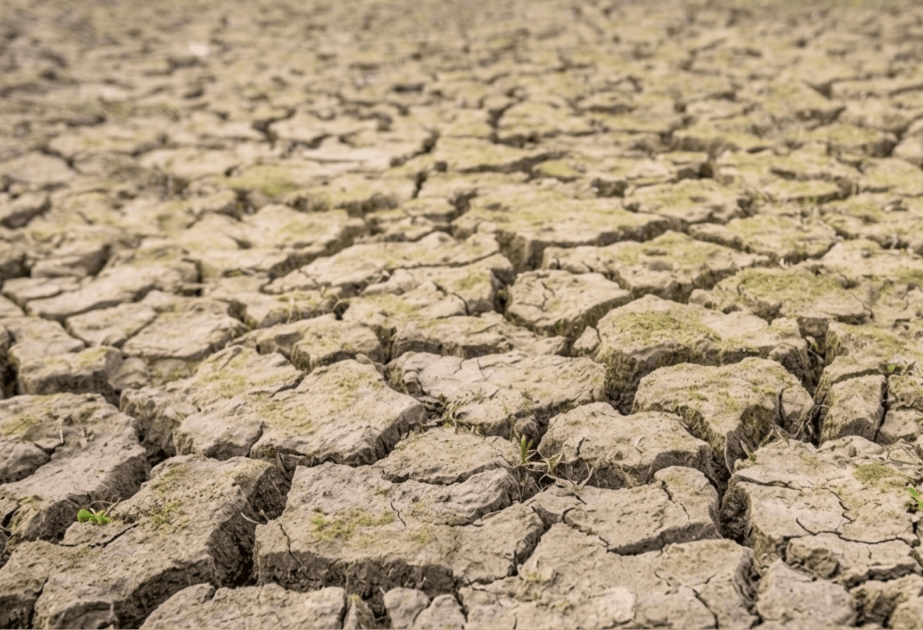
Forecast models show that El Niño may peak between November 2026 and January 2027, increasing risks of drought and affecting agriculture, water resources, and socio-economic activities.
In response, the Thai Government has identified climate change adaptation and disaster prevention as one of the top priorities. Its action plan focuses on managing water resources, establishing a national disaster insurance system, promoting the goal of net-zero emissions by 2050, and strengthening resilience to climate impacts.
The country's Department of Climate Change and Environment (DCCE) has been tasked with implementing proactive measures to reduce El Niño-related risks, including developing climate databases for forecasting, drought management, and long-term planning.
DCCE director-general Pirun Saiyasitpanich said Thailand must closely monitor potential impacts from El Niño, particularly changes in rainfall and temperature patterns.
Authorities said that improved forecasting tools and climate data will support socio-economic planning, food security, water resource management, and the development of climate-resilient infrastructure.
According to Thai climate experts, strengthening forecasting capacity will help the Southeast Asian country shift from a reactive approach to proactive prevention in dealing with increasingly frequent extreme weather events caused by climate change.
Other news in this section


