UK trial launches to transform Alzheimer’s diagnosis with simple blood test
Baku, September 10, AZERTAC
Today, one in three people are living with dementia without a formal diagnosis, according to Alzheimer`s Research UK. This is preventing them from being able to plan, having the support and treatments they need and taking part in research.
Getting a dementia diagnosis can be a long and worrying wait for many people, despite the hard work of healthcare professionals.
At the moment, people are diagnosed by using pen and paper memory tests, brain scans and sometimes a lumbar puncture.
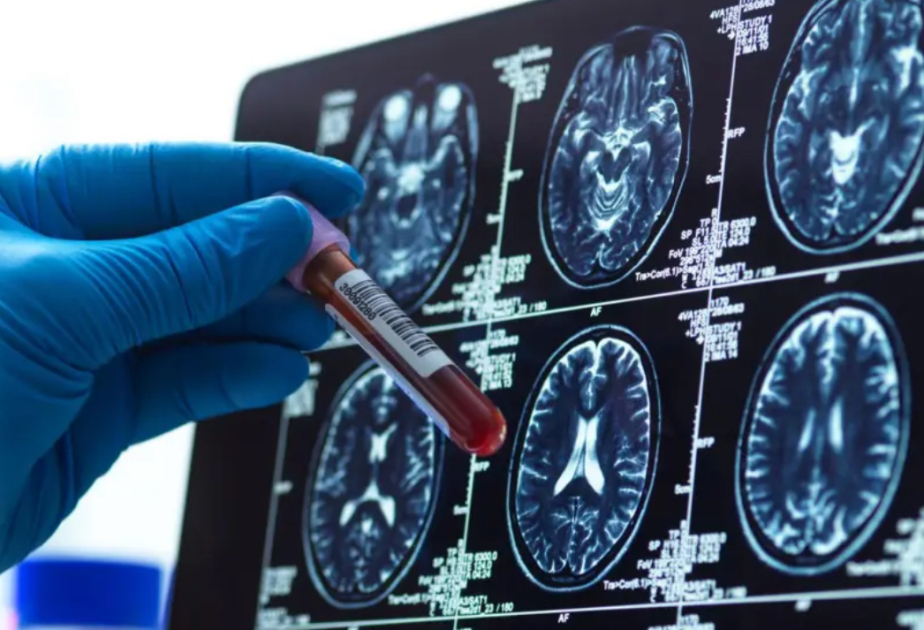
But a clinical trial is now underway that will show if a blood test can help diagnose Alzheimer’s earlier and as accurately as current tests.
Blood tests like this have many advantages. They offer a less invasive, more accessible, and cost-effective alternative to standard methods.
But there is still more we need to know.
The ADAPT trial forms part of the Blood Biomarker Challenge, a multi-million-pound programme supported by Alzheimer’s Research UK, Alzheimer’s Society and players of the People’s Postcode Lottery. This groundbreaking initiative aims to revolutionise dementia diagnosis by bringing in blood tests into the NHS by 2029.
Experts says the trial comes at critical time, as a timely diagnosis is crucial to changing the outlook for people with dementia. “Currently only about 2% of people diagnosed with Alzheimer’s have access to one of these gold-standard diagnostic tests,” says Prof Jonathan Schott, Chief Medical Officer at Alzheimer’s Research UK and one of the study leads.
“While identifying Alzheimer’s disease early and accurately is already important for enabling access to current therapies and planning care, it will become even more critical as a new generation of treatments emerge that can slow down the decline of memory and thinking.”
“The ADAPT trial gives us a tremendous opportunity to overhaul the way people are diagnosed with dementia across the UK, and how they are supported after they receive the results,” says Dr Sheona Scales, Director of Research at Alzheimer’s Research UK. “It also shows how decades of sustained investment in research is finally going to lead to breakthroughs people with dementia so desperately need.”
Prof Schott and Dr Ashvini Keshavan at the University College London (UCL) Institute of Neurology and the National Hospital for Neurology and Neurosurgery at UCLH are leading the trial. The study will evaluate whether a blood test measuring a protein called p-tau217 can help to diagnose Alzheimer’s disease earlier and more accurately than standard tests.
The team will also see if giving people their blood test results near the start of an assessment helps guide doctors with diagnosis.
The study will include people who have been referred to memory clinics across the UK, ensuring there is a diverse range of participants, including those living with other health conditions.
“We know the p-tau217 has shown a lot of promise in research settings and we have already assessed and validated the accuracy and performance of the test in the established in our clinical laboratory,” says Prof Schott. “But we don’t know if this works for the broader population and if its suitable to be rolled out within the NHS.
“We are absolutely thrilled to welcome participants onto the ADAPT trial where we hope to gather more evidence around the accuracy of the test, and if it’s cost-effective and should be part of the standard of care more widely in NHS memory services.”
Research is critical but it is only one part of the puzzle. Unless the NHS and Government act now to speed up trials and approvals, innovations in dementia research risk being stuck in the lab instead of helping people.
We know the NHS and its workforce is under huge pressure, and any innovation must be introduced in a way that supports the system, not burdens it.
And introducing blood tests will take planning. That’s why research like ADAPT is so important as its building the evidence for how these tests could be used effectively in NHS settings. With the right investment and workforce planning, blood tests could ultimately relieve pressure on the system rather than add to it.
And this is why we launched our Dementia Unseen campaign earlier this year. It calls for ambitious reform from the Government over the next 10 years to make sure the NHS is ready to deliver faster, more accurate dementia diagnoses.
Other news in this section


