2,100-year-old luxury tableware unearthed from ancient shipwreck off Türkiye
Baku, September 28, AZERTAC
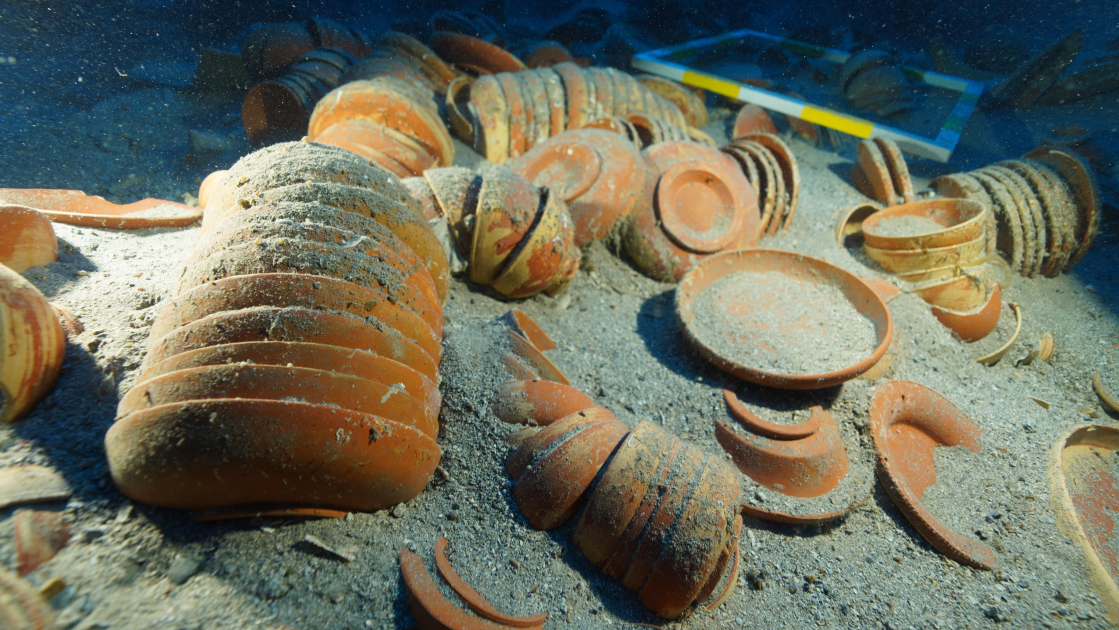
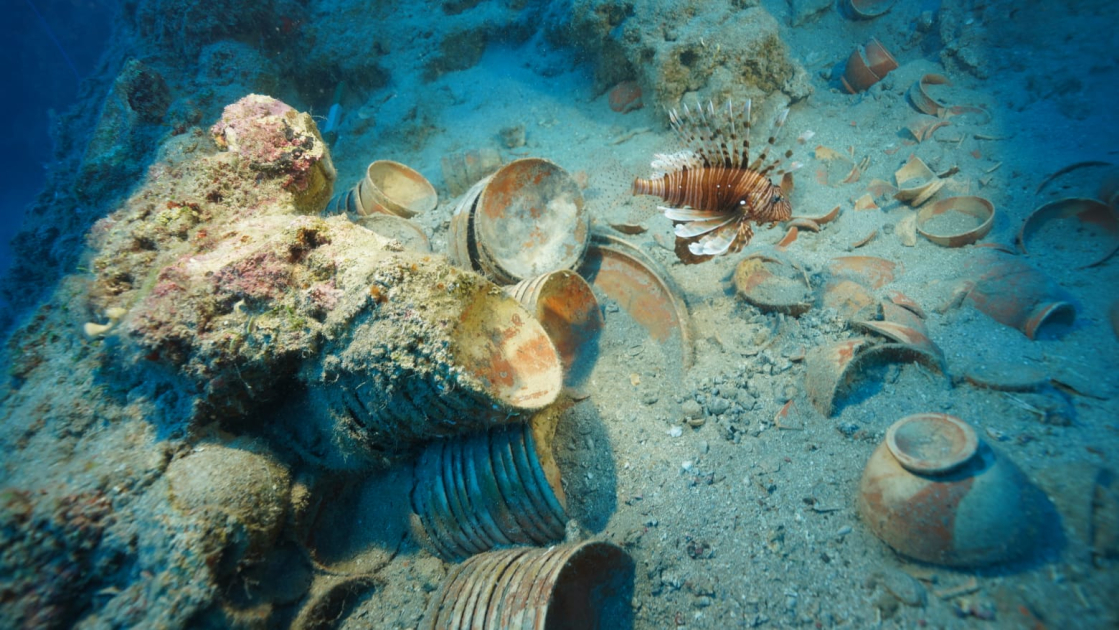
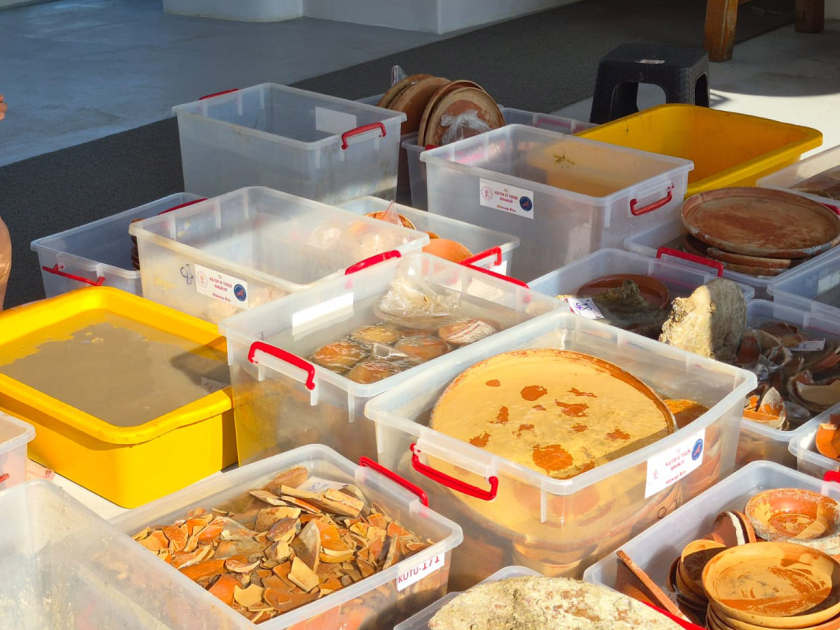
Archaeologists have recovered thousands of ceramic artifacts, including 122 different forms and sizes of plates, bowls and trays, from a roughly 2,100-year-old shipwreck off Adrasan on Türkiye’s Mediterranean coast, Anadolu Agency reported, citing the Culture and Tourism Ministry.
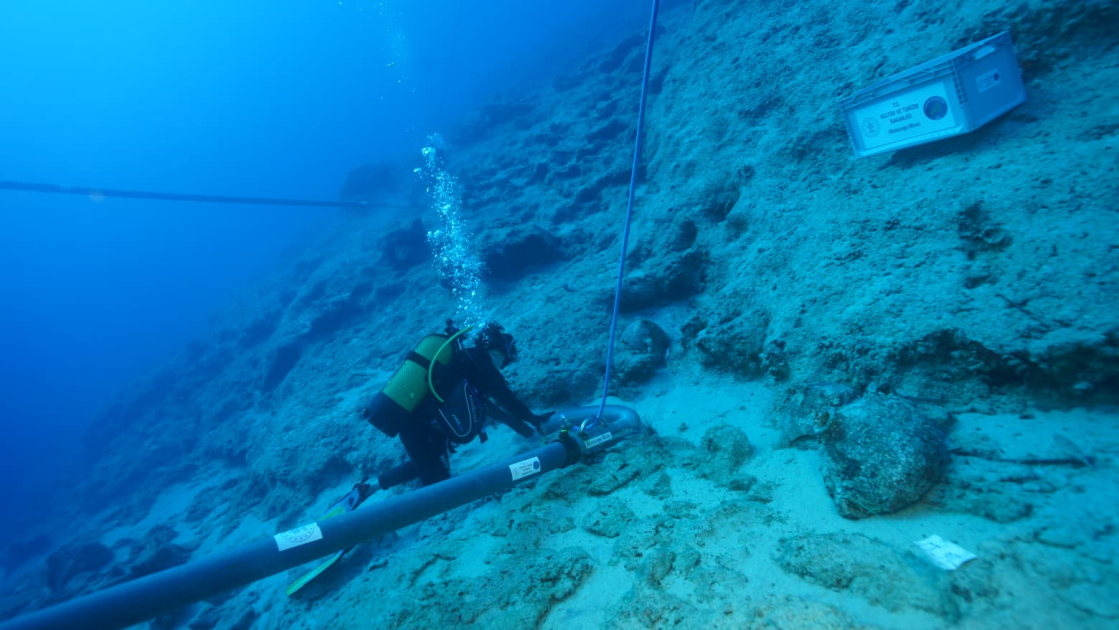
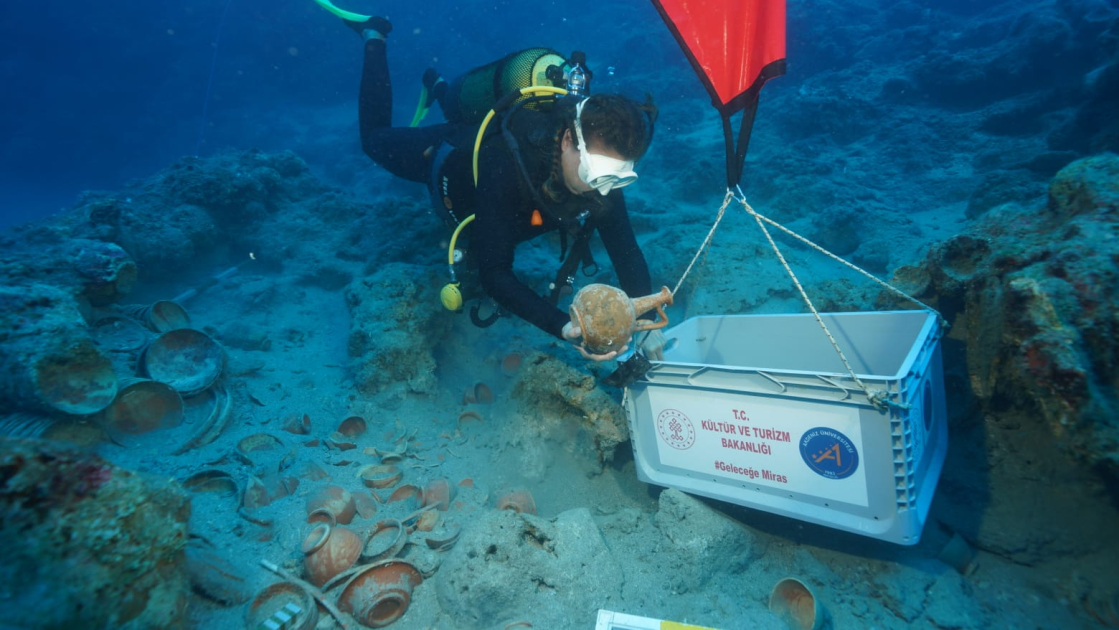
The underwater excavation, which began in 2025 off Adrasan in Antalya province, has uncovered the remains of a cargo ship carrying ceramic tableware from the ancient Mediterranean world.
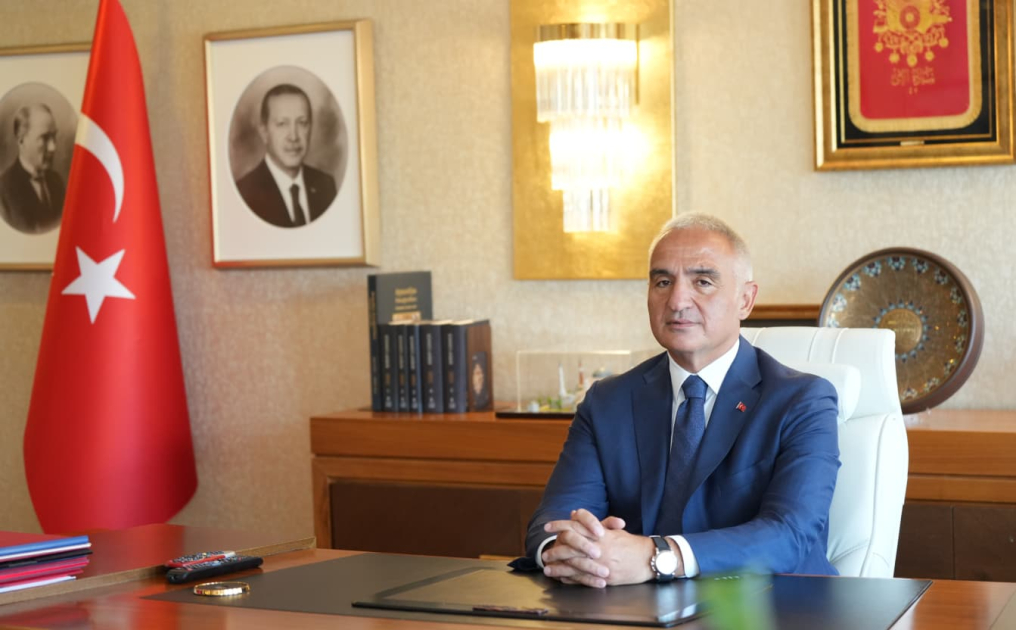
Culture and Tourism Minister Mehmet Nuri Ersoy said in a social media post that the artifacts offer a glimpse into the elaborate dining culture of the period.
“We are bringing 2,100-year-old tableware to light from the depths of the Mediterranean,” Ersoy said.
“The 122 different forms and sizes of plates, bowls and trays reveal the luxury dining culture of the period,” he said.
The main cargo consists of plates and bowls believed to have originated from the ancient settlement of Rhosus, in what is now Arsuz district in southern Türkiye’s Hatay province.
The finds include plates for nuts, soup bowls, fish plates and trays of various sizes.
The ministry said such products were particularly sought after in Rome and were among the luxury tableware traded across the Mediterranean.
Amphorae believed to have been produced on some Aegean islands were also found at the wreck, indicating that the ship carried goods from different production centers.
The Rhosus ceramics are also mentioned in the correspondence of Marcus Tullius Cicero, the Roman statesman and orator.
In a letter to his friend Atticus in 50 B.C., Cicero wrote that he had ordered ceramic vessels from Rhosus for him, according to the ministry.
The reference indicates that tableware produced in the region was known in the Roman world.
Researchers say identifying ceramics associated with Rhosus at the Adrasan wreck could provide further insight into their role in ancient Mediterranean maritime trade.
The condition of many of the plates and bowls is partly attributed to how the cargo was packed before the ship sank.
The ceramics were placed in wooden crates with clay between them.
The method helped protect the pieces from breaking during the sinking and contributed to their preservation for more than two millennia.
“These artifacts, which have survived in good condition to the present day because of the clay placed between them when they were packed into crates, preserve evidence of Anatolia’s production expertise and the Mediterranean’s trading history,” Ersoy said.
Other news in this section


