Diri Baba Mausoleum: A centuries-old monument VIDEO
Gobustan, September 24, AZERTAC
The latest feature in AZERTAC’s “If I Were a Tourist” column turns the spotlight on the Diri Baba Mausoleum.
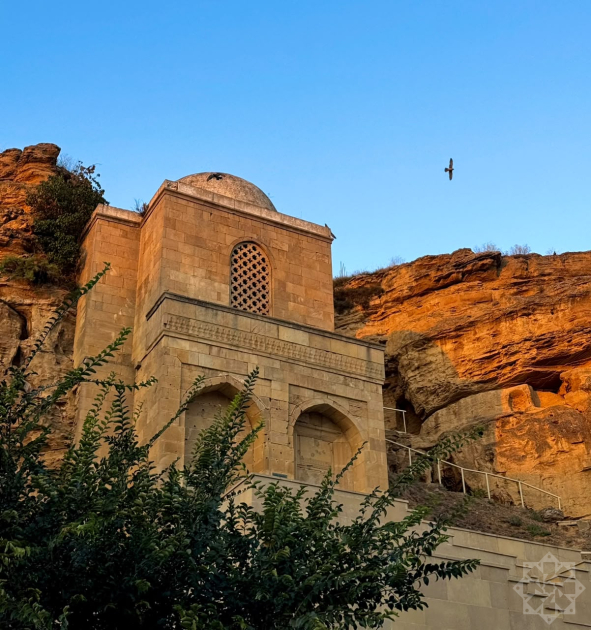
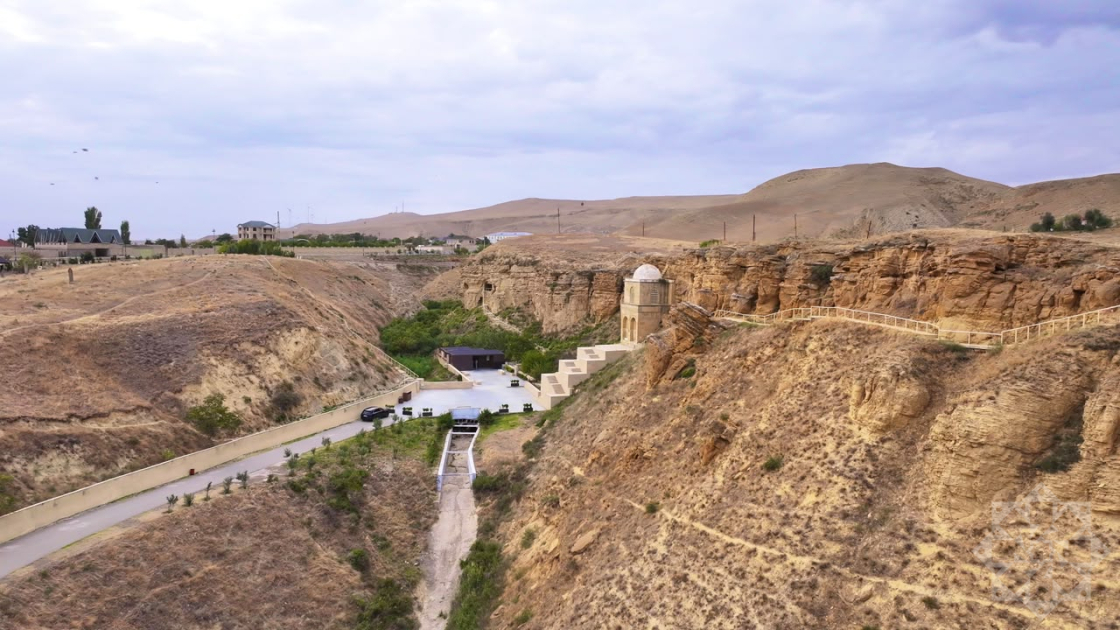
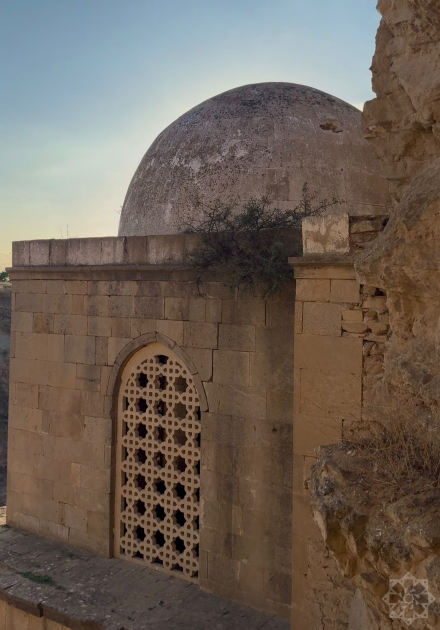
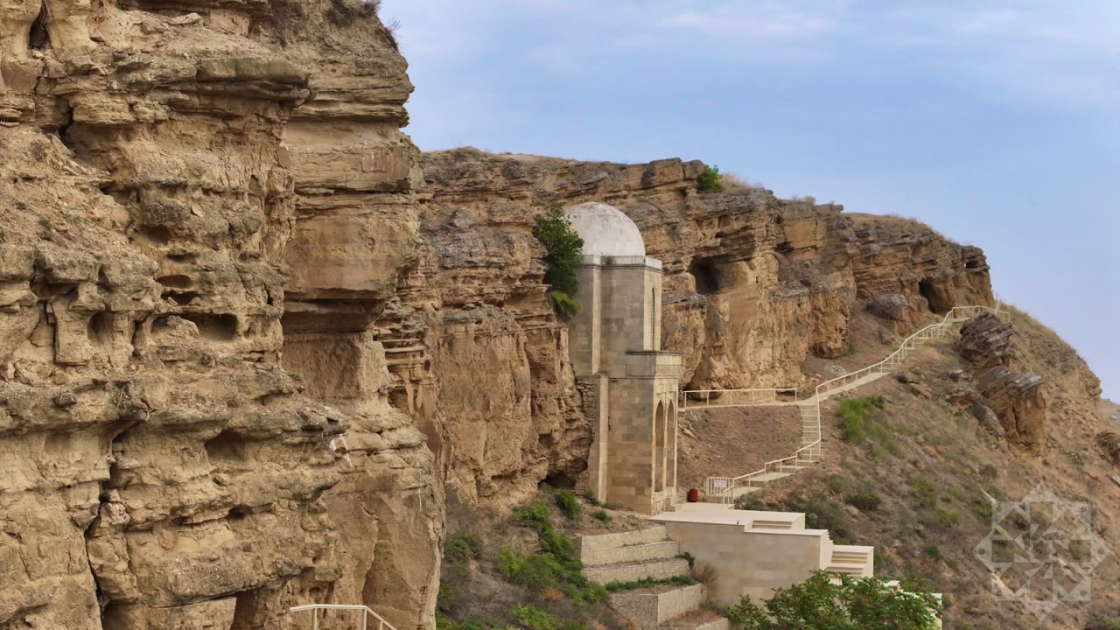
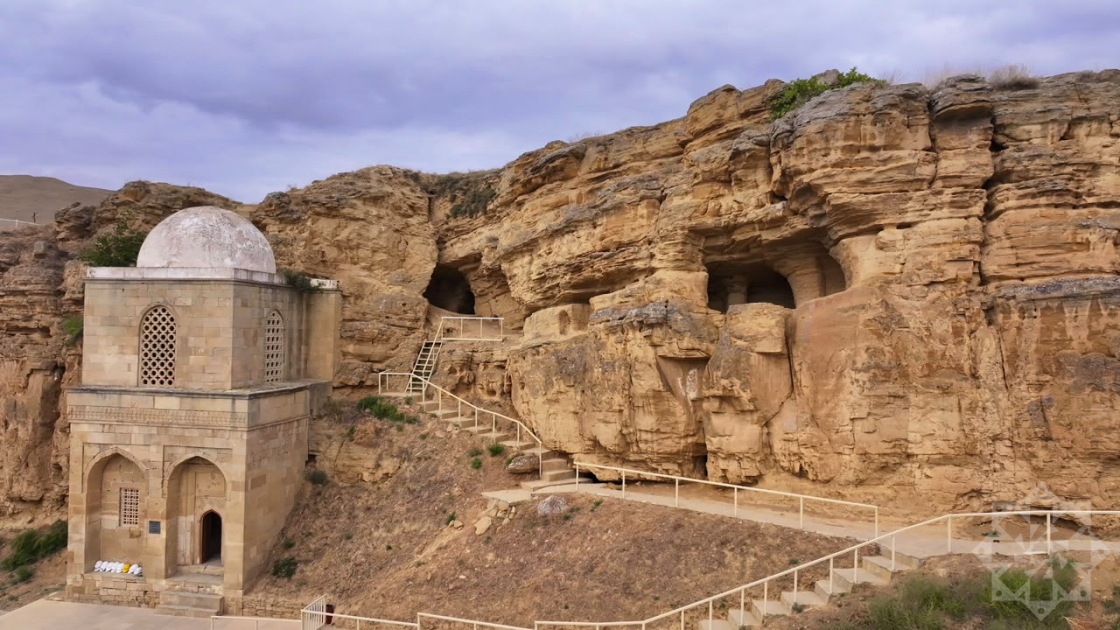
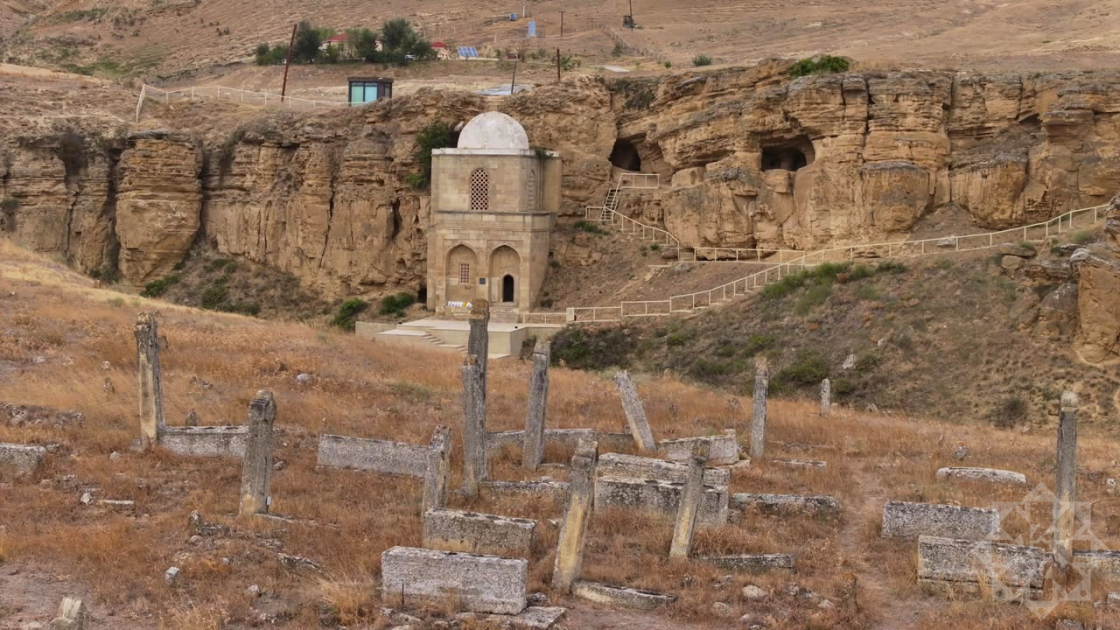
The state-protected Diri Baba Mausoleum, an architectural monument of national significance, stands in Gobustan along Azerbaijan’s northwestern tourism corridor, one of the country’s key tourist routes, just 1.5 kilometers from the Baku–Shamakhi highway.
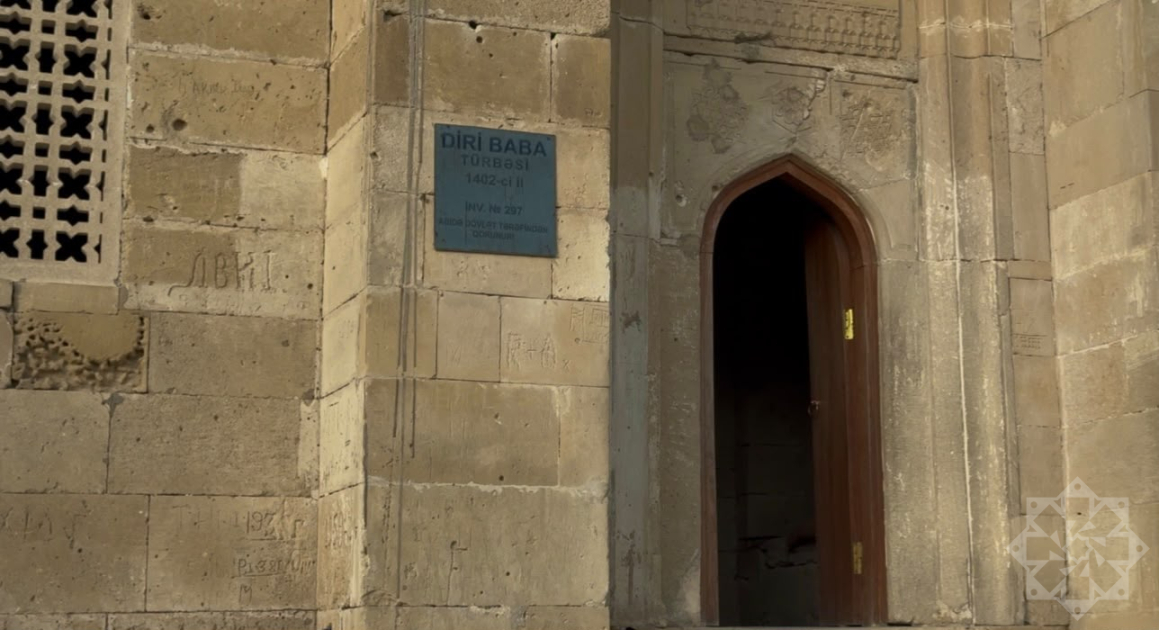
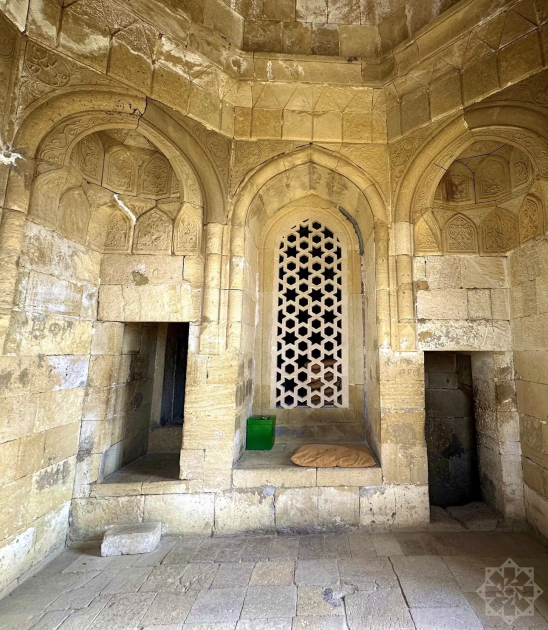
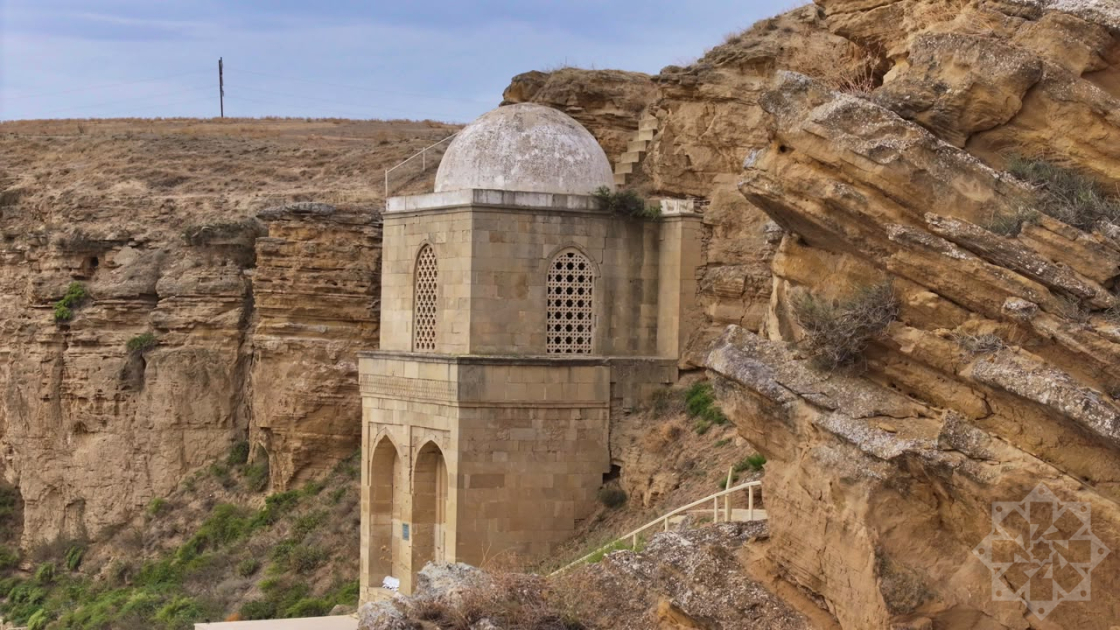
An inscription on the Diri Baba Mausoleum states that it was built in 1402 (805 AH) on the orders of Shirvanshah Ibrahim (1382–1417), ruler of the Shirvanshah state. The inscription “Ustad bin Haji” (“Ustad, son of Haji”) can also be seen on the interior walls.
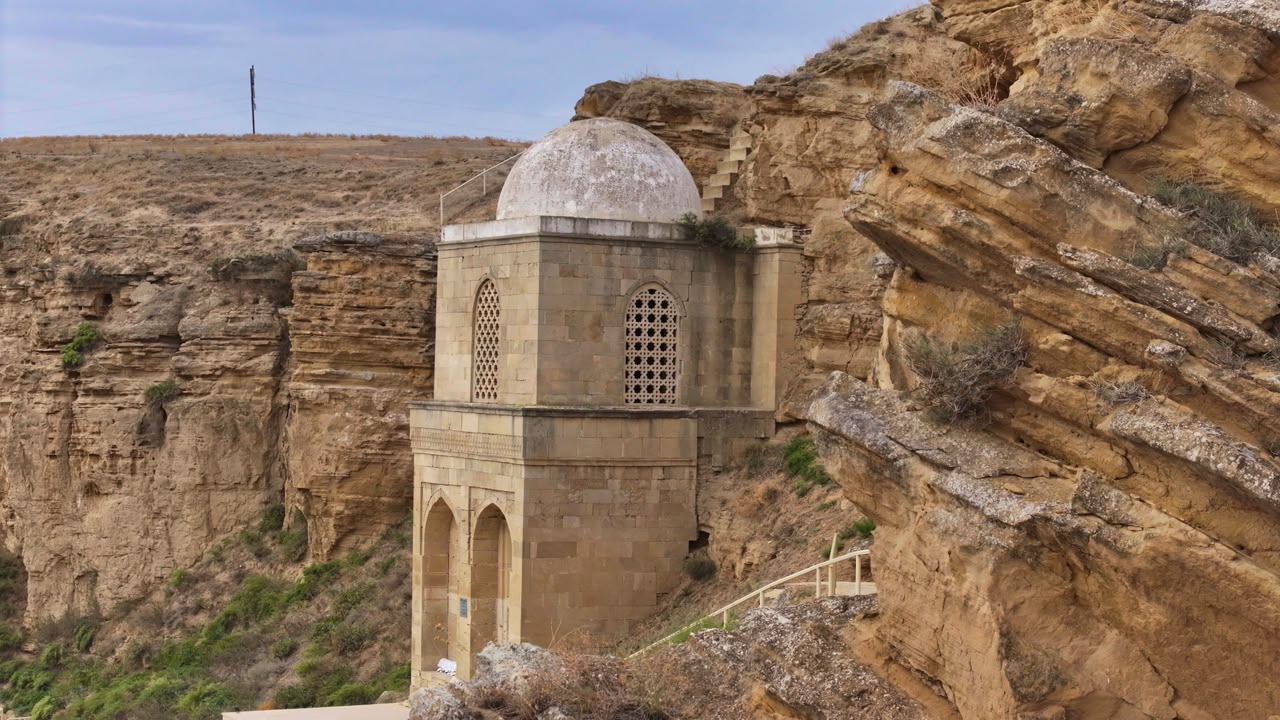
The monument, which houses the grave of an unidentified Sufi sheikh, is regarded by local residents as a sacred pilgrimage site.
Located along the historic Silk Road, the Diri Baba Mausoleum has attracted the attention of European diplomats and travelers who journeyed through the Shirvan region for centuries. Among those who visited the monument were the 17th-century European traveler Adam Olearius and Ottoman traveler Evliya Çelebi, as well as Cornelis de Bruijn in the early 18th century. Their engravings are valuable historical sources that shed light on the monument’s appearance in the past.
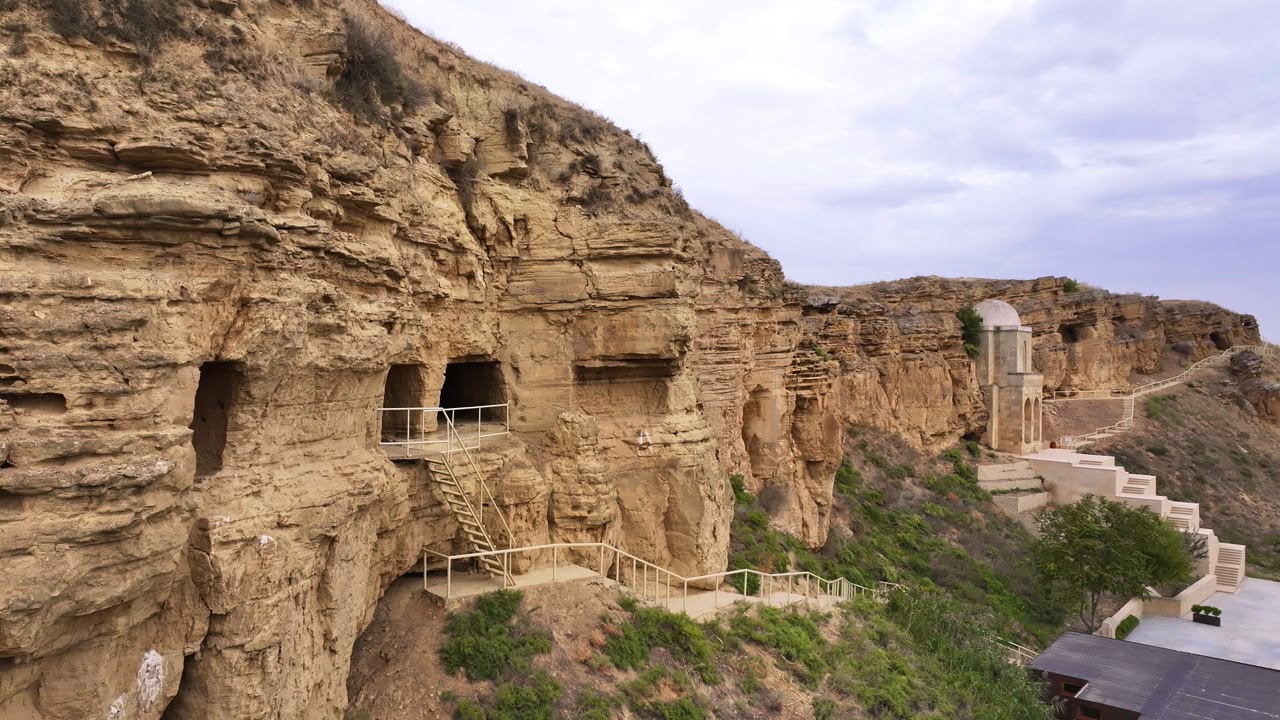
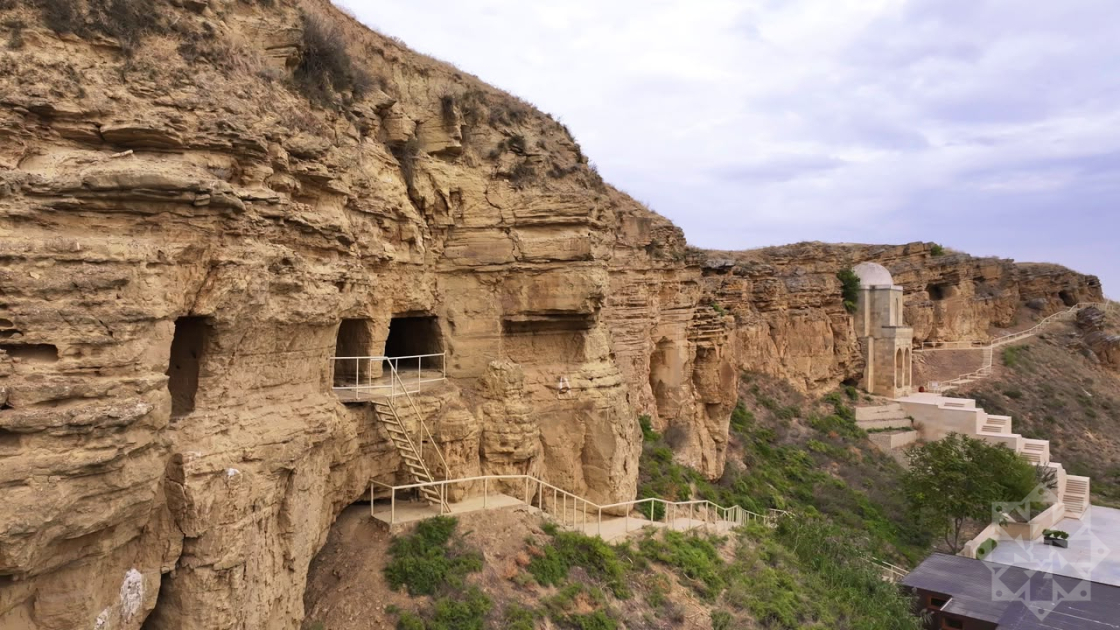
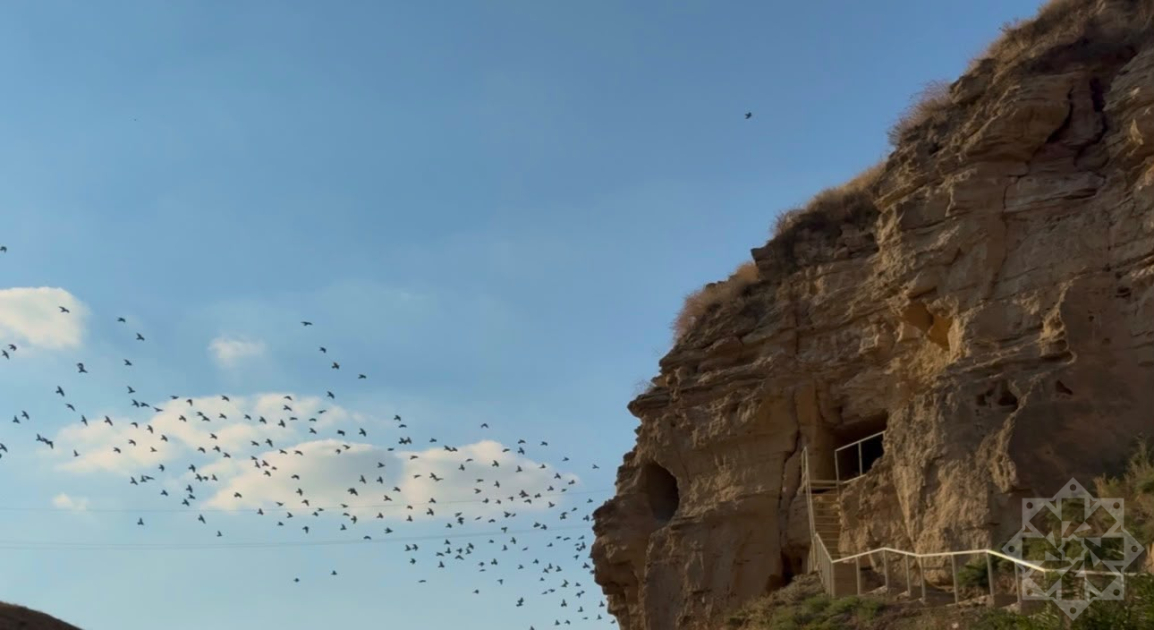
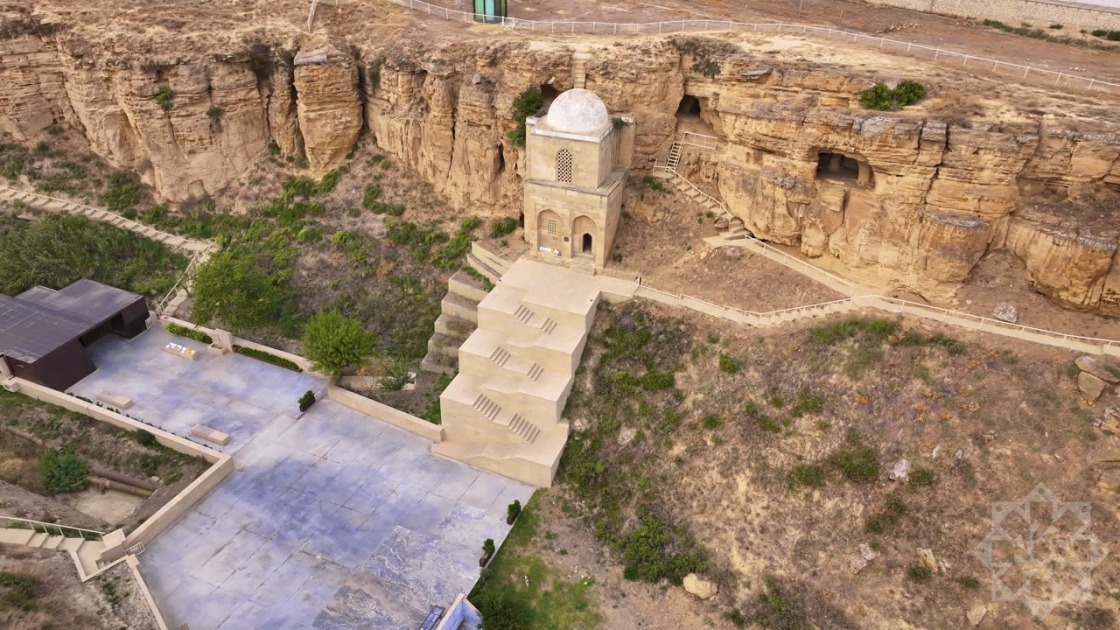
Regarded as one of the rarest examples of the Shirvan architectural school, the Diri Baba Mausoleum stands out as a unique monument in the Caucasus thanks to its distinctive architectural features. Notably, part of the structure is situated in a cavity naturally carved into the rock.
Sufi mausoleums in Azerbaijan attract visitors with their rich religious heritage and remarkable architecture. The Diri Baba Mausoleum currently welcomes tens of thousands of domestic and international tourists each year.

Other news in this section


