President Ilham Aliyev received security officials of OTS member states VIDEO
Baku, September 17, AZERTAC
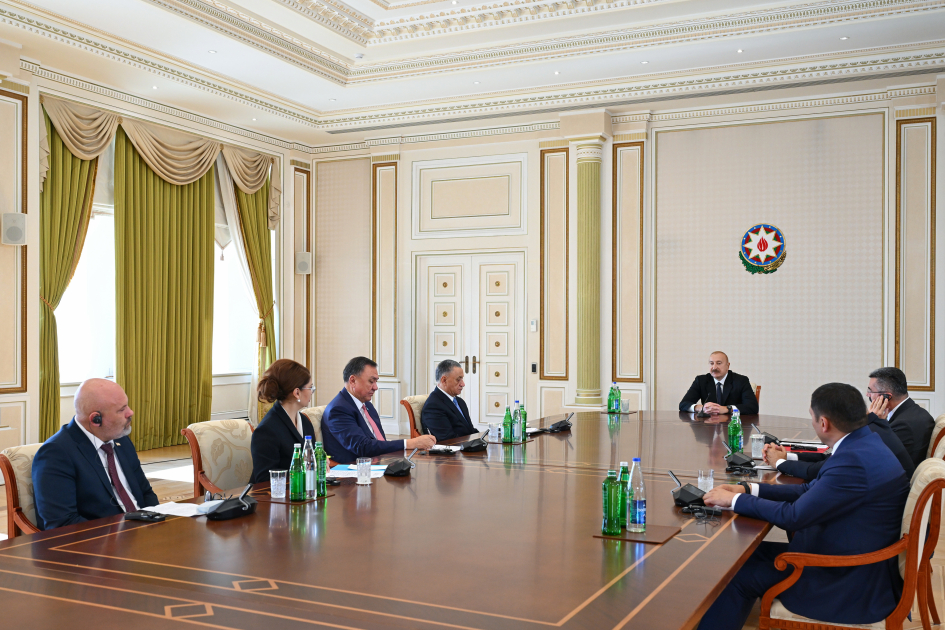
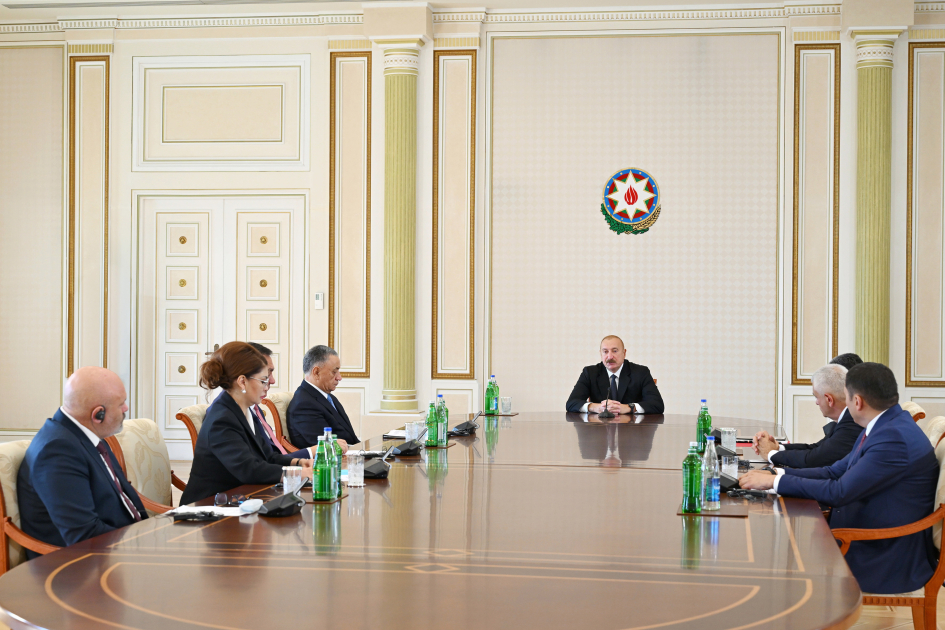
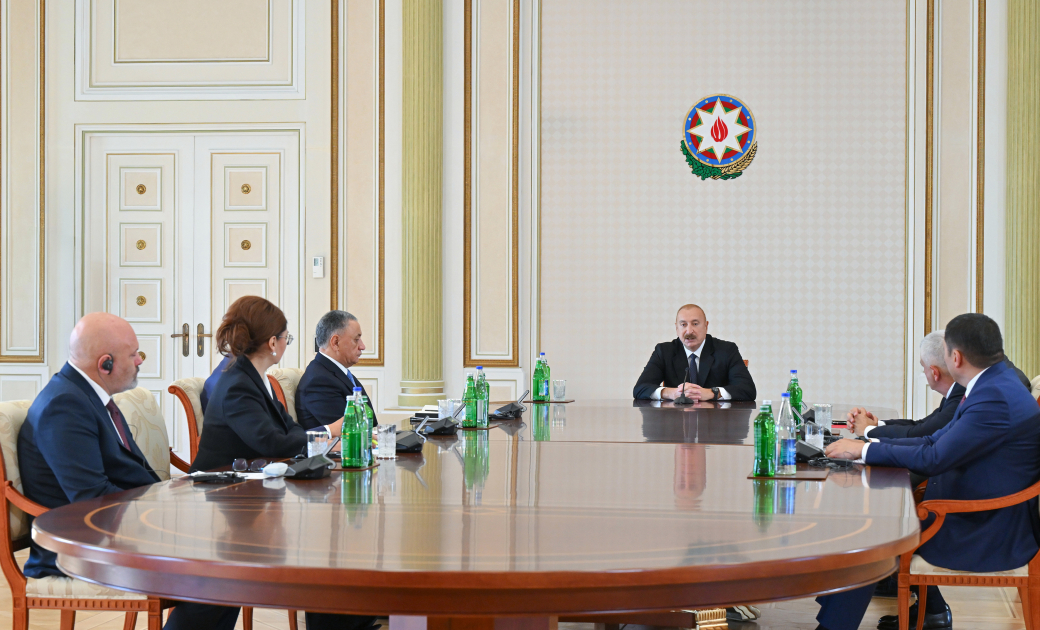
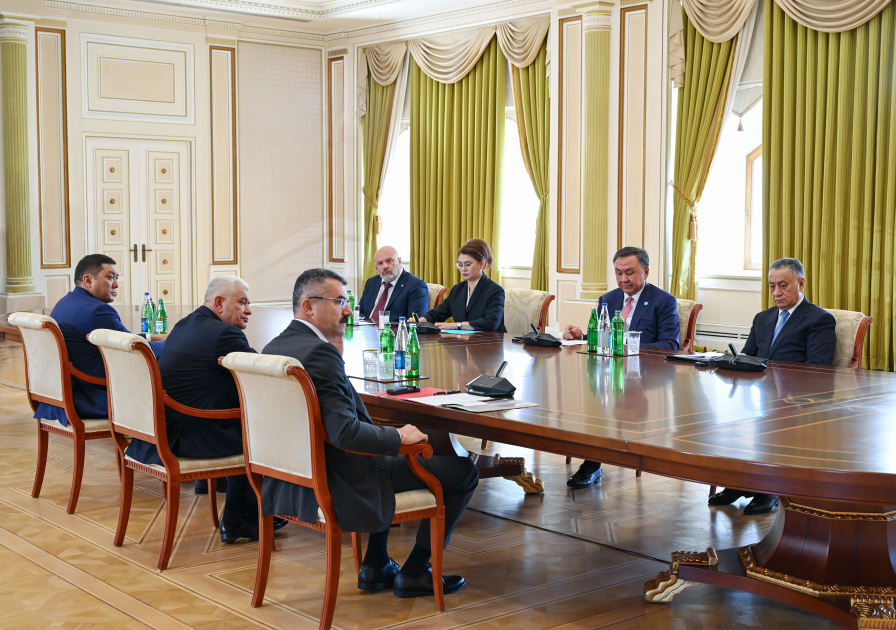
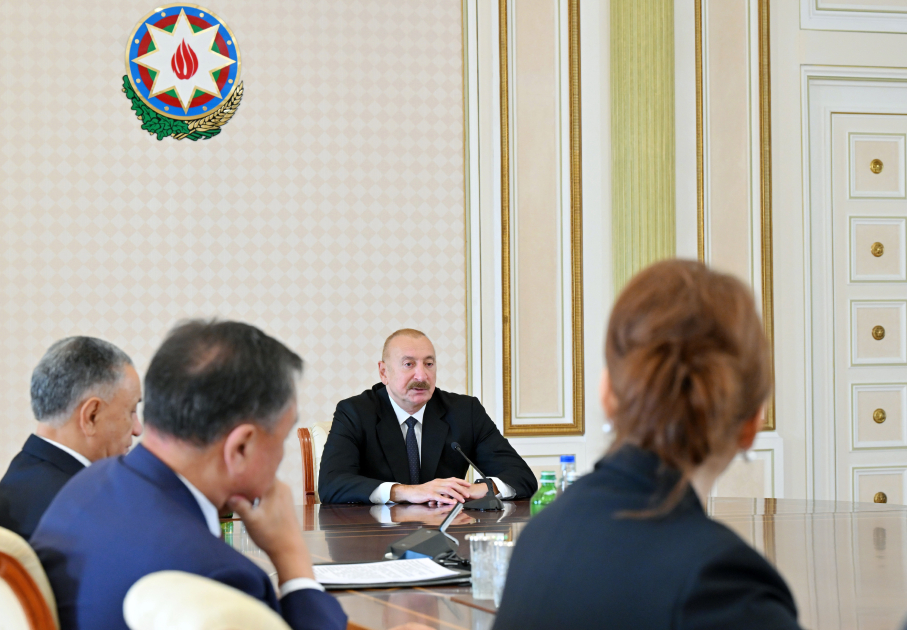
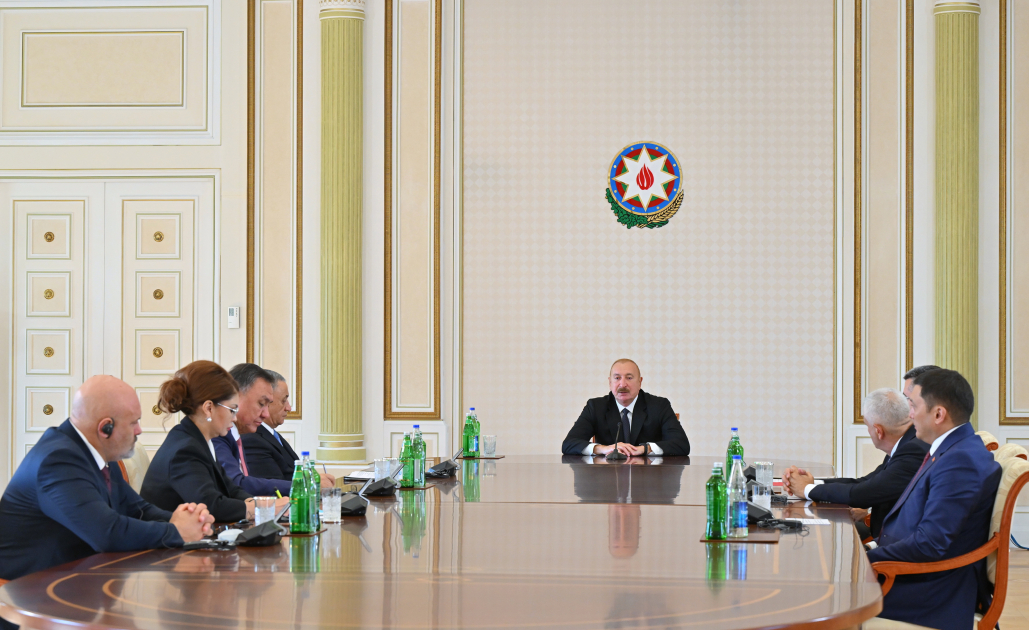
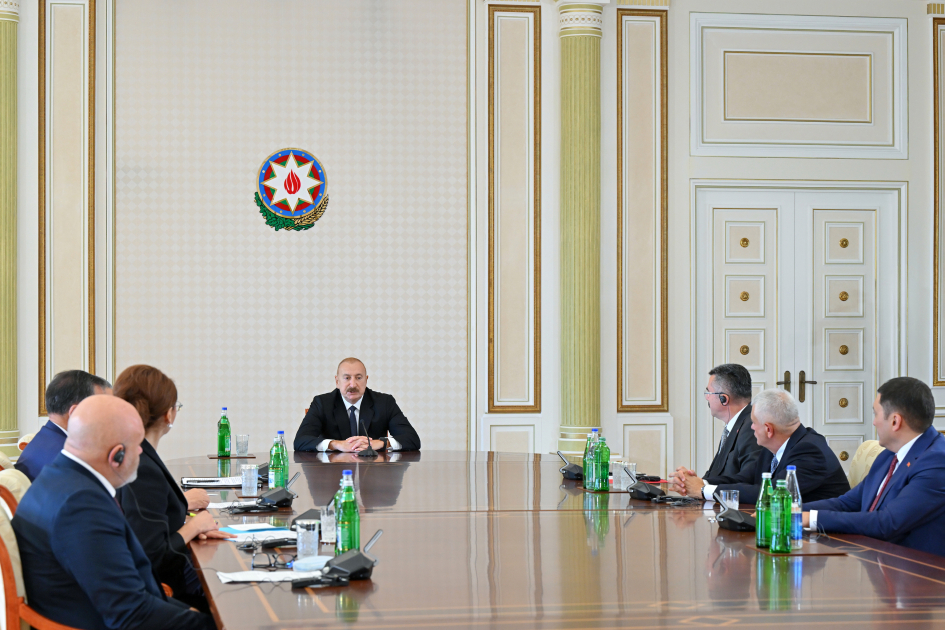
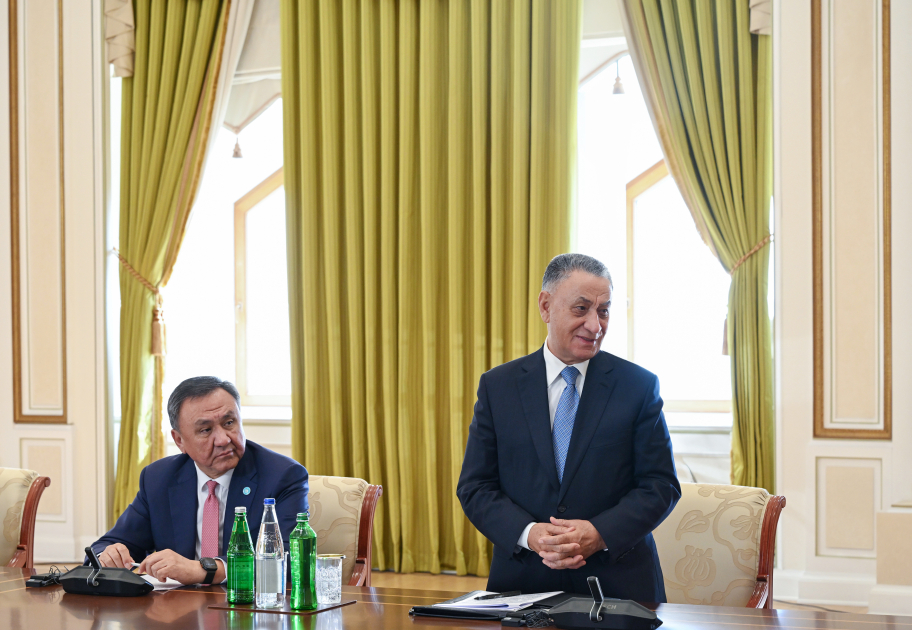
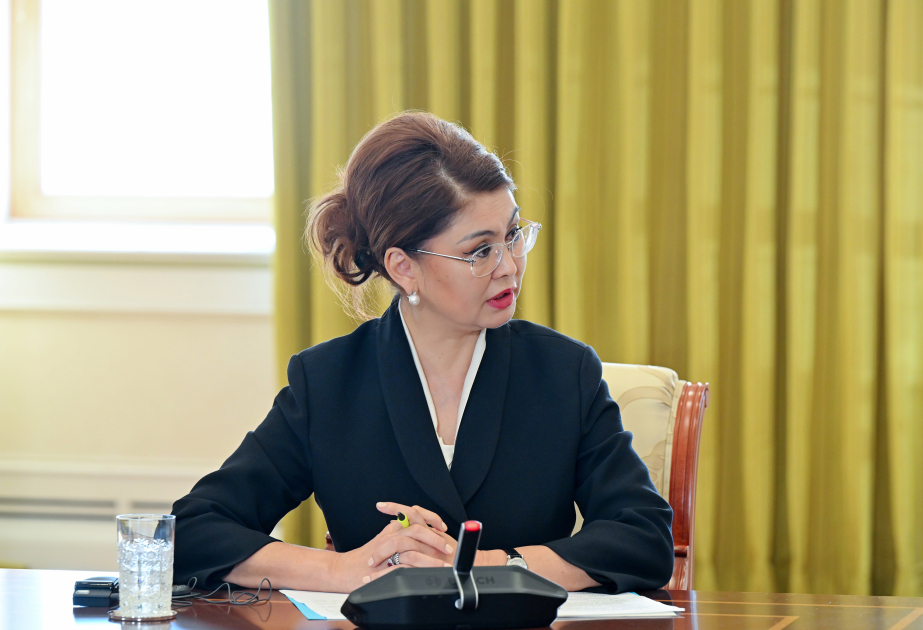
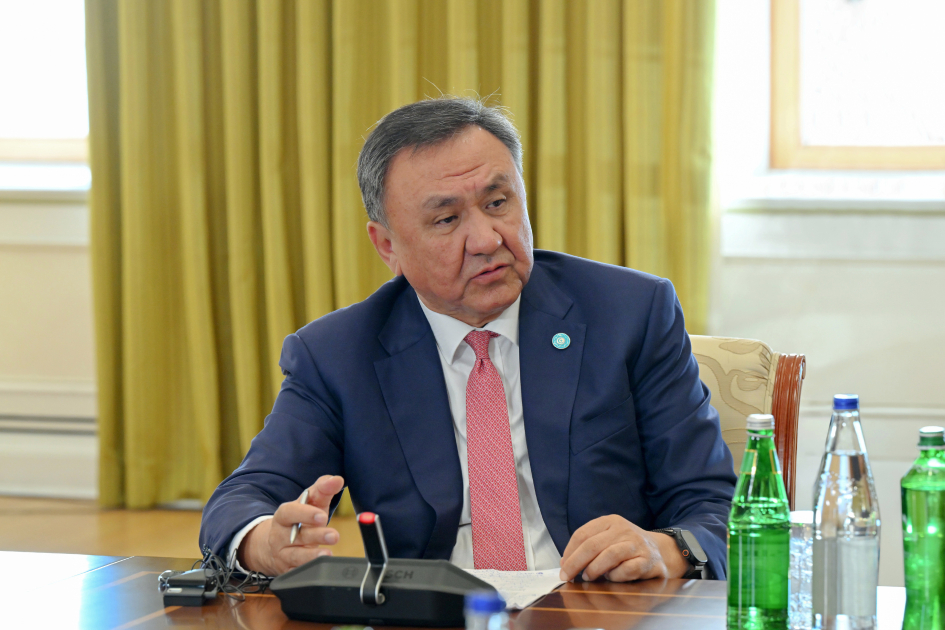
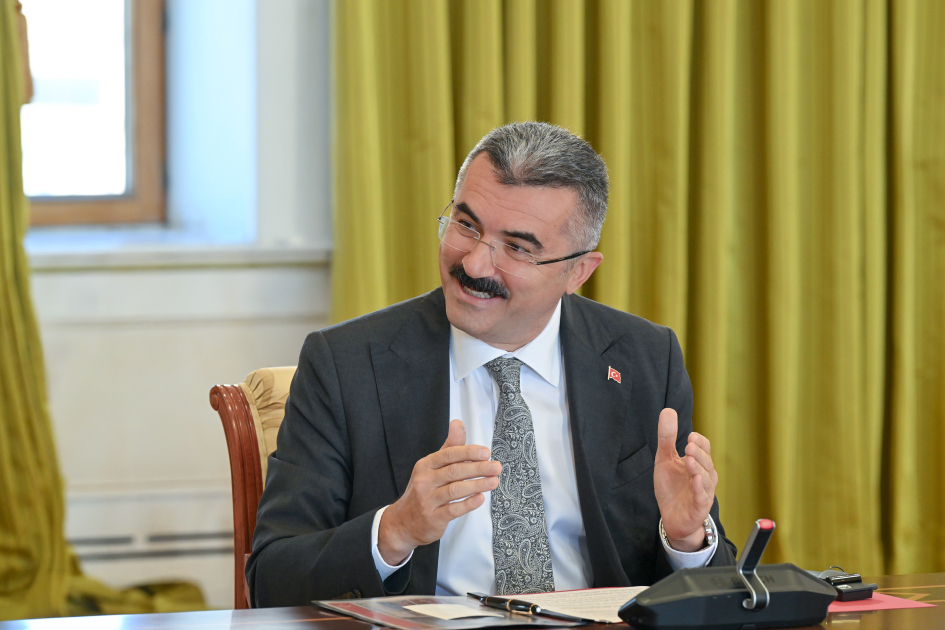
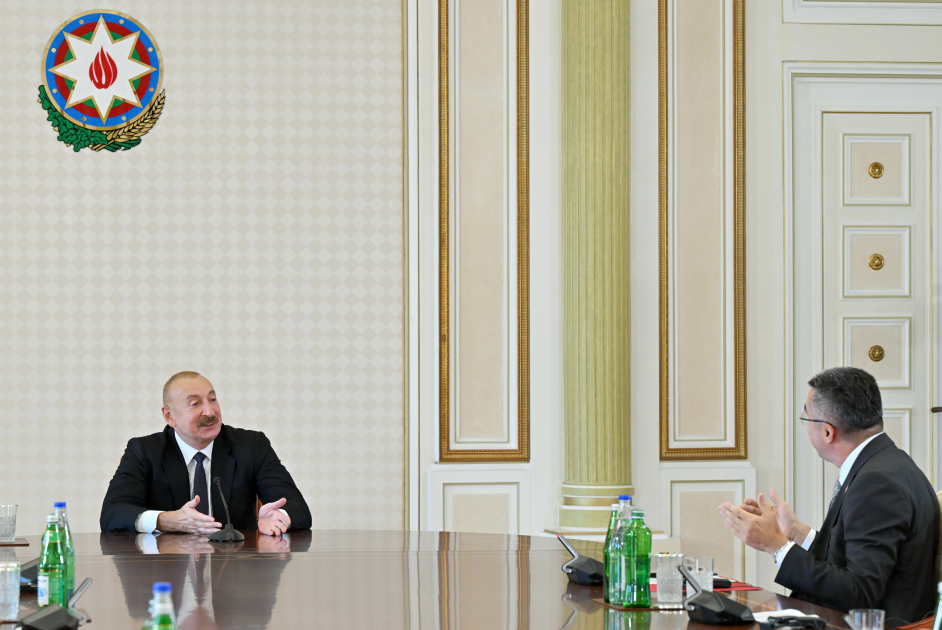
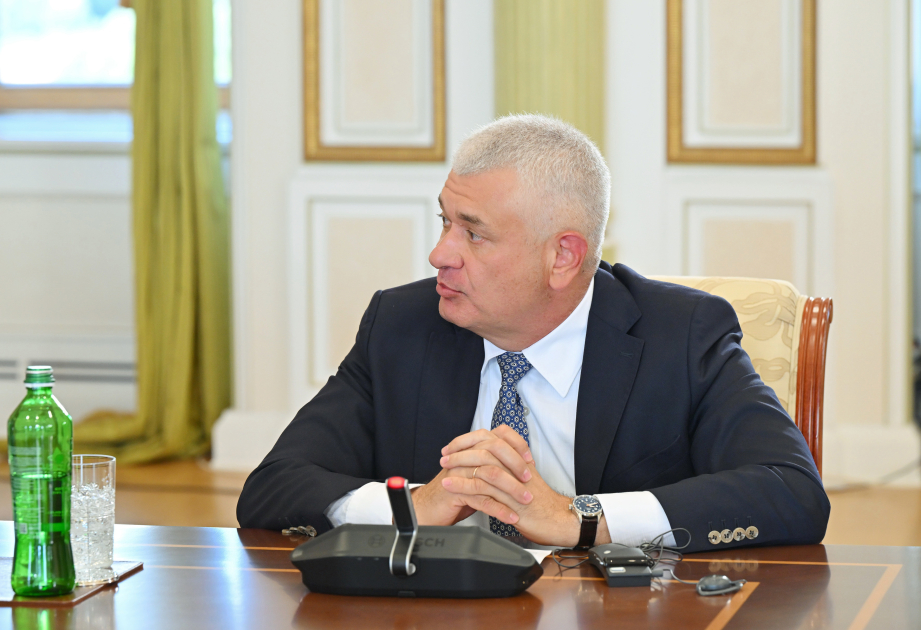
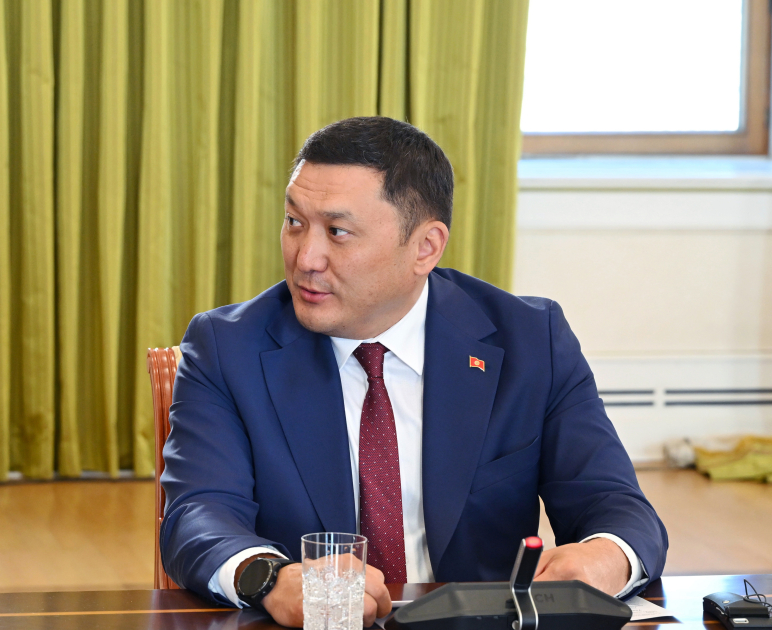
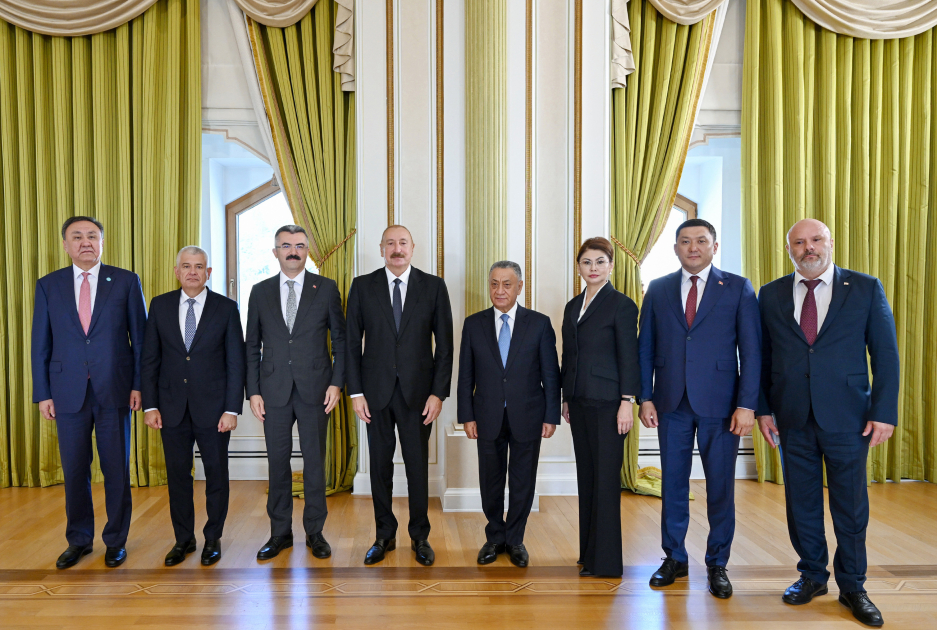
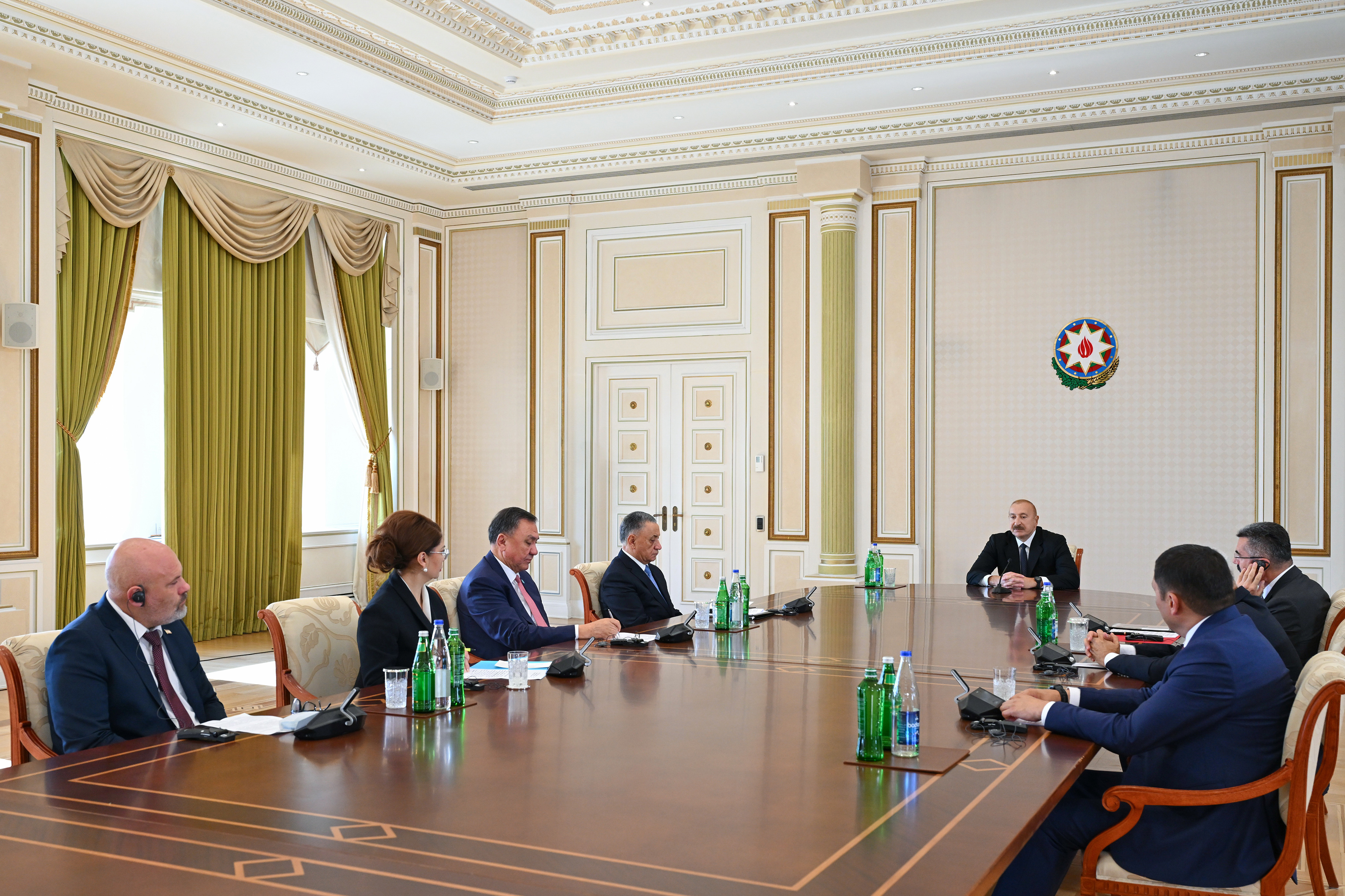
On September 17, President of the Republic of Azerbaijan Ilham Aliyev received Secretary General of the Organization of Turkic States (OTS) Kubanychbek Omuraliev, Secretary General of the National Security Council of the Republic of Türkiye Okay Memiş, Secretary of the Security Council under the President of the Republic of Uzbekistan Viktor Makhmudov, Secretary of the Security Council of the Kyrgyz Republic Adilet Orozbekov, Deputy Chairwoman of the Security Council of the Republic of Kazakhstan Aida Balayeva, and Advisor to the Prime Minister of the Turkish Republic of Northern Cyprus Mehmet Ağa.
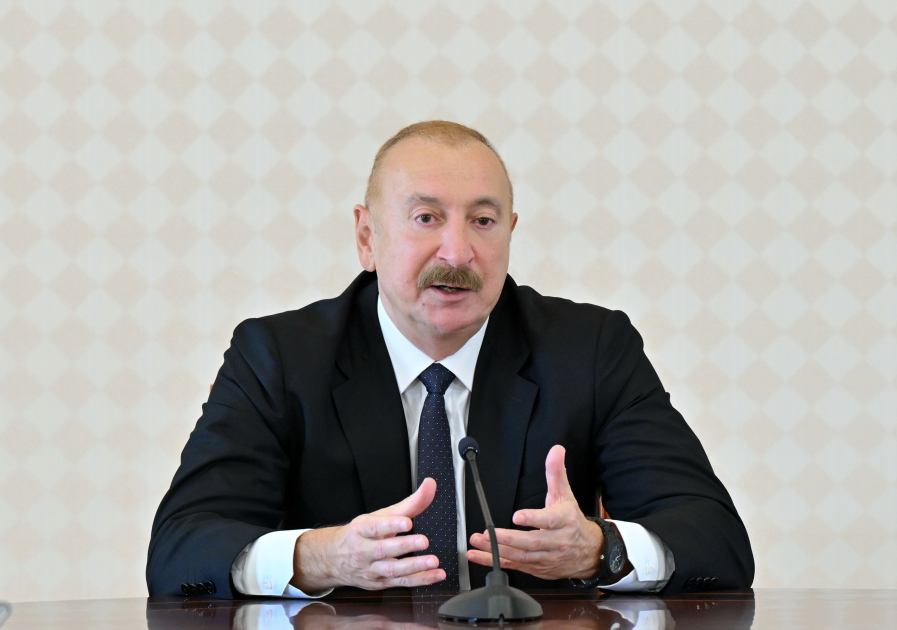
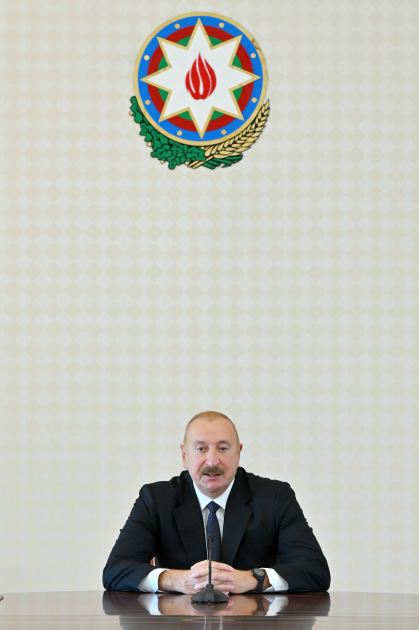
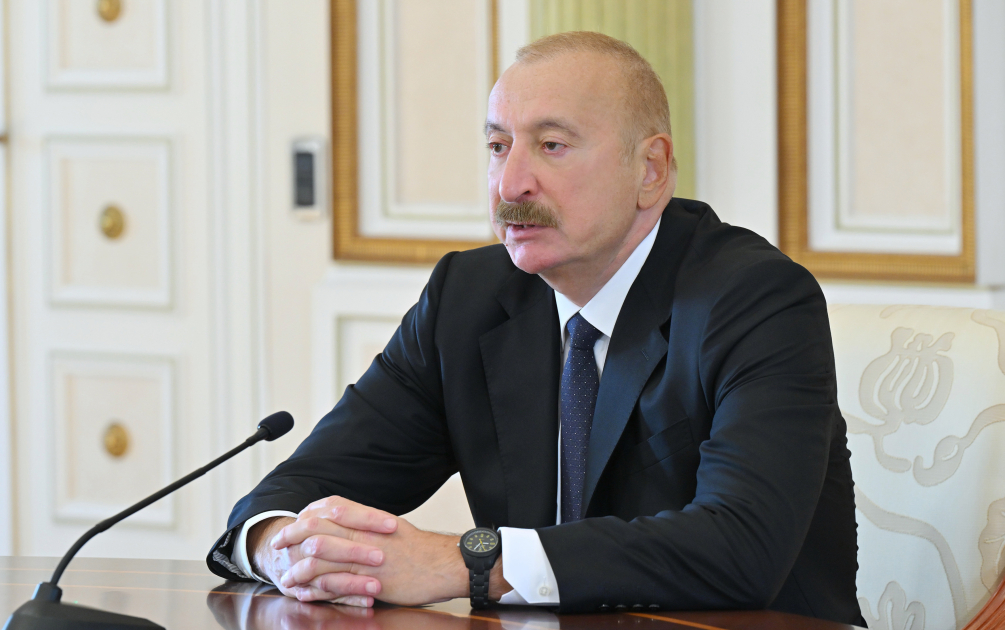
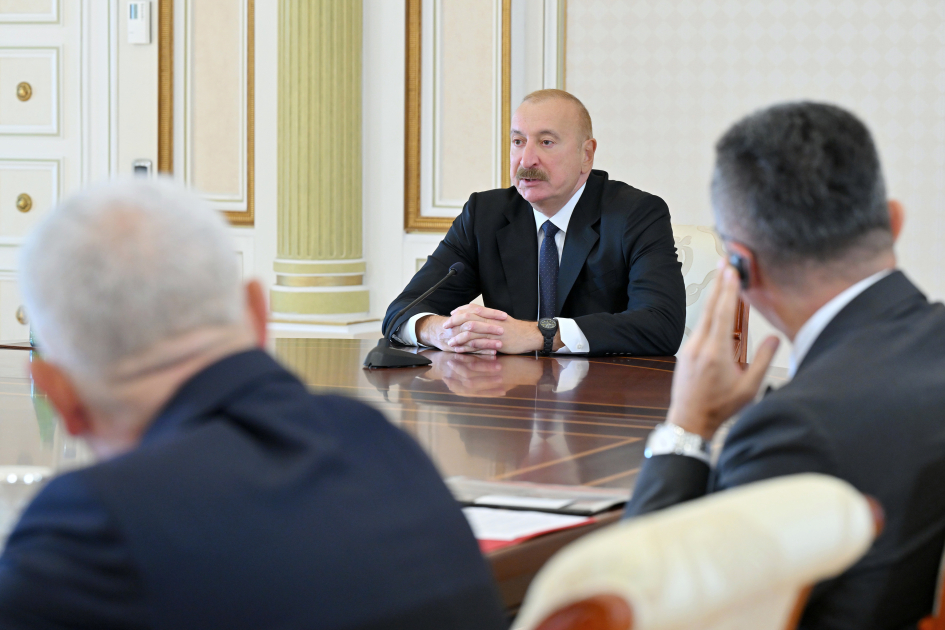
The head of state addressed the event.
Speech by President Ilham Aliyev
- Salam Aleykum. Today, Baku is hosting another event within the framework of the Organization of Turkic States. Just a couple of days ago, I received religious leaders representing our member states. Today, the secretaries of the security councils of the member states have gathered in Baku for the 5th meeting of their council. All of this is evidence of the active interaction taking place within our organization and demonstrates that the Organization of Turkic States is an entity that enjoys a very high standing in the international arena.
The issues discussed in various formats encompass international affairs, international security, multiculturalism, trade, transport, and humanitarian cooperation in general. Therefore, it can be said with confidence that, after nearly twenty years of activity and following the historic summit in Nakhchivan in 2009, when the organization was established, the Organization of Turkic States is using its potential to the fullest to address key issues, foster interaction among its member states, and define and strengthen its position on the international stage.
We all share a common interest in this. The overall position of the leaders of the member states is clearly focused on strengthening the role and position of the OTS on the international stage. We have all the necessary capabilities to achieve this. The potential of our countries is quite substantial and continues to grow. We are located across a vast geographical expanse. Crucial energy and transport routes and corridors pass through our territories, playing an important role not only for our countries today, but also for the broader region.
To the west and east of the OTS region, our organization is being closely followed with great interest as it strengthens its positive role in international affairs, including in matters related to connectivity, transport security, energy security, and security in general. Therefore, I am confident that these issues will also be discussed at today’s council meeting, because today, without energy security and transport connectivity, it is virtually impossible to speak of overall security.
Our countries are endowed with abundant natural resources, which constitutes a significant advantage. These natural resources serve to strengthen our states, enhance the well-being of our peoples, and play an important role not only for our countries, but for the world as a whole. Especially in the current environment along our borders, issues related to energy security have acquired particular significance.
As for Azerbaijan, we are both suppliers of energy resources to the global economy and a transit country for energy resources from Central Asian countries, across the Caspian Sea, and onward to international markets. Thus, Azerbaijan’s geographical position—at the crossroads of Europe and Asia, with active ties both to the Central Asian member states of the OTS and to Türkiye—naturally underscores the role we play in advancing transport and energy security projects to the greatest benefit of all our countries.
I must also note that, in a bilateral format, Azerbaijan actively cooperates with the member states of the OTS. My numerous visits to the member countries of the organization and the visits of the heads of the OTS member states to Azerbaijan stand as clear evidence of this. Furthermore, Azerbaijan has signed declarations and treaties on allied relations with Türkiye, Kazakhstan, Kyrgyzstan, and Uzbekistan. This represents the highest level of bilateral cooperation, and these agreements are being successfully implemented.
With Kazakhstan, Uzbekistan, and Kyrgyzstan, we have established joint investment funds, and an active process of attracting and mobilizing mutual investments is underway. In other words, our country’s bilateral agenda is primarily focused on the Turkic world. This is our main foreign policy priority, as I have repeatedly stated in my public speeches. I have also said that the Turkic world is our family, and we have no other family.
Another advantage of our organization is that it brings together countries with common ethnic origins. There are not many organizations of this kind in the world. If you look at the landscape of international organizations, it is rare to find a similar example. This is an important factor in our consolidation, because not only economic and political interests, but also people-to-people ties and relations among the peoples of our countries, play an important role in strengthening our cooperation. Thus, this spiritual affinity, the similarity of our cultures and languages, and common ethnic roots all bind our organization together and give it particular significance.
Another key factor behind the successful development of the OTS is that, in today’s turbulent world, as it is often described, stability, peace, and security prevail across the territories of our countries. In today’s political and foreign policy realities, this is an important factor for development, because it is well known that no country can develop without stability and security. Neither investment, technology, nor innovation will come to a country if there is no stability or political and economic security there. Therefore, this is also a key factor that distinguishes our countries today from many of the surrounding regions in which we are located.
Our countries are also demonstrating strong economic growth, especially at a time when we see opposite trends in various parts of the globe, including stagnation, economic decline, and other economic and social difficulties—these are, by and large, the realities of the world today. However, across the OTS space, we observe positive dynamics: growth in industrial production, strong economic performance, and stable financial systems. All of this is also a major achievement of our countries and of the policies pursued by our governments.
And, of course, it is also very important to highlight another commonality between our countries and peoples: our commitment to our national and moral values. In our countries, national values and the principles of national identity prevail over other principles that are sometimes sought to be imposed on us from outside. It is equally essential that the younger generations in our countries be raised in the spirit of patriotism and devotion to national values and moral principles. In this context, this is a major area where the OTS should work actively, including through initiatives related to youth policy.
Furthermore, the fact that the population of our countries is young and our demographic trends are positive is also an advantage, because we see what is happening in many countries where populations are rapidly declining. Some nations are already raising the alarm that, if this continues, their populations will fall to critical levels. In our countries, the opposite process is taking place—population growth. Yes, at a certain stage, this can lead to certain economic and even social challenges if it is not supported by an active economic policy, including the creation of social infrastructure and additional employment opportunities. But in our countries, we see that economic growth and issues related to the well-being of our peoples are being addressed very successfully.
As you know, I frequently visit OTS member states; just last month, I visited Uzbekistan and Kyrgyzstan, and I often visit Türkiye and Turkmenistan. Therefore, I personally witness the positive transformations taking place throughout the OTS region. All of this fills me with a sense of joy and pride in the achievements of our brothers.
And, of course, the main topic you will be discussing concerns security, an issue that requires constant attention. Once again, the advantage of our countries is that across this vast geography, public order remains under control and various terrorist threats are being effectively contained, but that does not mean we should let down our guard. Wars are raging around us, and there is no end in sight to these conflicts. The geography of the wars is expanding. Mutual hostility between the warring parties is becoming increasingly pronounced. All of this can lead, and in fact is leading, to the expansion of conflict zones along the perimeter of our countries. In our case, speaking of Azerbaijan, our neighbors to both the north and the south are countries at war. In this context, issues related to regional security naturally become of paramount importance.
Without this, as I have already said, there can be no talk of any development. In this context, coordination between the services responsible for state security is extremely important. Information sharing, the exchange of operational information, joint action, and stronger coordination in countering—and, most importantly, preventing—potential threats are, I believe, vital for all of us. I am confident that within the framework of the council meeting in Baku, all these issues will be discussed, but they are also under the constant attention of the leadership of our countries.
As you know, summits of the Organization of Turkic States are held on a regular basis. On Azerbaijan’s initiative, we have recently begun holding informal summits as well, because we felt that meeting once a year at the level of heads of state in this format was not sufficient. Although, as I said, each of our countries has a fairly active bilateral agenda with fellow member states, we gather together only once a year, and we considered that insufficient. Our colleagues supported the initiative, and the first informal summit was held in Shusha, followed by subsequent summits in other member states.
So, at the leadership level, there is a shared understanding of our common interests and plans, the implementation of which, again, will largely depend on how well our countries are protected against existing and potential threats.
As for the fact that today’s threats are not only physical but also ideological, I believe there is no need to elaborate on this; we are all well aware of it. In order to ensure the steady development of our countries and protect the constitutional order, it is necessary to jointly counter all forms of ideological subversion directed against our countries and peoples. This includes subversion carried out through various media outlets, which are usually located far beyond our borders but, for some reason, receive funding from well-known centers. This funding is directed at undermining our statehood, disrupting social cohesion, and imposing alien narratives and values on our societies. In Azerbaijan, we are actively countering these efforts, and I must say that we have achieved significant results.
Traitorous, anti-national, and corrupt structures in Azerbaijan are, in essence, highly marginalized. Most importantly, they are condemned by the overwhelming majority of our people. This is because commitment to spiritual values, traditions, and our way of life is the mainstream and dominant trend in Azerbaijan. Anything that attempts to harm this is received extremely negatively by our society. However, this does not mean that our work is complete, as attempts to destabilize our countries will continue.
I am confident that each of you is well aware of the situation in your respective countries. Naturally, conditions are not identical in all our countries, but the methods used by certain international centers to undermine the state interests of our nations remain unchanged. Their approaches and attempts to achieve their goals are quite standardized—I would even say primitive. So, I would say our detractors lack creativity. Of course, they focus the bulk of their efforts on the younger generation—a generation that has not yet fully matured, is still in the process of developing, and is therefore much easier to manipulate. That is why I say that while active youth policies are being pursued across our countries, I believe that within the OTS framework, we should pay even greater attention to strengthening interaction among our youth organizations. We should host regular events, forums, and conferences so that our young citizens can communicate with one another. They must feel the same sense of kinship toward our fraternal peoples that our generation does. We must pass this on to them through our example, through successful work, by strengthening our organization, and through sound ideological guidance.
Thus, the tasks before you as heads of the security councils of your countries are naturally quite extensive. I believe that during this 5th meeting, there will be a valuable exchange of information and experience. It will be useful to identify where our vulnerabilities lie—where there are so-called gaps through which alien elements attempt to penetrate and harm us.
And I will conclude with one final point. For most OTS member states, our modern statehood dates back only some 35 years. This is not counting, of course, our ancient history—ancient states existed on our territories, our peoples possess a rich tradition of statehood, and we are rightfully proud of it. But as for the recent period, 1991 was the year Azerbaijan regained its statehood. Naturally, this is a factor we must keep in mind. Not much time has passed since Azerbaijan, Kazakhstan, Kyrgyzstan, and Uzbekistan regained their independence, but this period has been both challenging and honorable. Every country faced its own difficulties; Azerbaijan faced its own, but we all emerged with honor from the most difficult trials. Today, we have essentially left most of those challenges behind—when I say challenges, I mean the major global problems that confronted us. Ahead of us lies joint work, stronger cooperation, even closer ties between our countries and peoples, and the further strengthening of the OTS’s role on the international stage. Through joint efforts, we must strive to transform the OTS into one of the leading international institutions and organizations. The points I have outlined clearly demonstrate that we have every opportunity to achieve this.
I wish you productive work, welcome you to Azerbaijan, and say to you: Welcome!
x x x
Ramil Usubov, Secretary of the Security Council of the Republic of Azerbaijan, addressed the meeting.
x x x
Aida Balayeva, Deputy Chairwoman of the Security Council of the Republic of Kazakhstan, also spoke at the event.
x x x
President Ilham Aliyev said:
- Thank you very much. First of all, I would like to congratulate you on your appointment to this important and responsible position. You have visited Azerbaijan many times, including accompanying President Kassym-Jomart Kemelevich on his visits to our country, as well as during our visit to Garabagh. So, first of all, I would like to thank you for your work in your previous capacity toward strengthening humanitarian cooperation between our countries, and to wish you every success in this new and important position.
Now, regarding our relations: as you noted, they are strategic, allied, and brotherly in nature. Just recently, we met with Kassym-Jomart Kemelevich in Bishkek, and we look forward to welcoming him again next month. Of course, the project you mentioned—the fiber-optic cable, which is practically ready to be commissioned—is of great importance both for our countries and for a broader geographical area, including the Organization of Turkic States (OTS) space.
So, I am confident that we will continue to actively interact and work for the benefit of the peoples of Kazakhstan and Azerbaijan. And of course, I would like to express my special gratitude to you for your assistance with the reconstruction of Garabagh. You were present at the opening of the Kurmangazy Children’s Creativity Center. Many young Garabagh residents are now studying there, recognizing it as a gift from a brotherly people, which only deepens their affection for Kazakhstan. Thank you very much, and I wish you every success.
x x x
Kubanychbek Omuraliev, Secretary General of the Organization of Turkic States (OTS), addressed the event.
x x x
Okay Memiş, Secretary General of the National Security Council of the Republic of Türkiye, delivered remarks at the event.
x x x
President Ilham Aliyev said:
- Thank you very much. Welcome.
As you also noted, you have been to Azerbaijan many times, and Azerbaijan is your homeland, just as Türkiye is. All Turkic republics are our homeland.
Naturally, Azerbaijan-Türkiye relations occupy a special place and play a special role. I can say that there are no similar relations anywhere in the world. It is impossible to find a second pair of countries that are so closely bound to each other. All factors converge here—historical ties, cultural connections, political interests, security issues, energy, transport, and people-to-people relations. That is to say, Azerbaijan-Türkiye relations today constitute a vital factor in our region and the wider world as a unified space. Our joint activities further strengthen stability in our region and beyond, especially in the current difficult geopolitical situation.
The Shusha Declaration, which I signed with esteemed President Recep Tayyip Erdoğan in the city of Shusha in 2021, represents the pinnacle of our relations and the crowning achievement of our partnership. In fact, we were allies before that as well, but the Shusha Declaration formally established our alliance. More than five years have passed since that day, and with every passing year and month, our unity grows stronger and our role in the world is further reinforced.
As you also noted, we all recognize the primacy of international law, and today there is no other mechanism in the world other than international law. However, it is also a fact that international law is violated in many instances, and the principle of “might makes right” prevails. It is very difficult to fight this alone. Therefore, the atmosphere and stance within our organization, as well as the position of the member states in ensuring that the norms of international law are upheld as supreme principles throughout the world, are of paramount importance. I am confident that you will also discuss this today.
Once again, I welcome you. You are most welcome here.
x x x
Viktor Makhmudov, Secretary of the Security Council under the President of the Republic of Uzbekistan, addressed the meeting.
x x x
President Ilham Aliyev said:
- Thank you for the kind words. Please also convey my best wishes to Shavkat Miromonovich and my gratitude once again for the hospitality he extended to me and the members of my family during my state visit to Uzbekistan.
As you know, we visit each other regularly, and I have already had the opportunity to visit many of Uzbekistan’s historical cities: Samarkand, Khiva, and now Bukhara as well. Along with being deeply impressed by the rich historical and cultural heritage of Uzbekistan, I was also particularly struck by the rapid pace of development in the regions.
Tashkent—yes, Shavkat Miromonovich pays great attention to the development of Tashkent, including the “New Tashkent” (Yangi Tashkent) project that he initiated. We visited it together, and I saw the immense scale of the urban development underway there. But the fact that the regions are also developing so rapidly while preserving their historical appearance and cultural traditions, alongside modern infrastructure, is a vivid testament to Uzbekistan’s steady progress. And, of course, special thanks are due for the erection of a monument to Nizami Ganjavi in Tashkent, in front of the university building. We unveiled this monument together. This once again demonstrates the strength of our historical roots. A monument to Alisher Navoi was erected in Baku long ago, and now there is a monument to Nizami Ganjavi in Tashkent. These are great representatives of our peoples. Although they lived in different eras, they share a profound spiritual connection, and, most importantly, the mark they left on the history of our peoples remains indelible.
Therefore, please convey my best wishes to Shavkat Miromonovich. We also look forward to welcoming him next month to an international event in Azerbaijan.
I wish you all the best and a pleasant stay in Azerbaijan.
x x x
Adilet Orozbekov, Secretary of the Security Council of the Kyrgyz Republic, delivered remarks at the event.
x x x
President Ilham Aliyev said:
- Thank you. As you know, last month I visited Kyrgyzstan twice at the invitation of esteemed Sadyr Nurgozhoevich—both to Issyk-Kul Lake for the informal summit of the Heads of State of Azerbaijan and Central Asian countries and on a state visit. Please convey my best wishes and gratitude to him once again for his hospitality.
I would also like to congratulate you on all the achievements in the country’s socio-economic development and on the rapid pace of Kyrgyzstan’s development.
It was my second visit to Issyk-Kul Lake. The first time was quite a long time ago. Naturally, it is impossible not to be impressed by and pleased with how rapidly this pearl—I believe, not only of Kyrgyzstan but of the world—is developing. Modern infrastructure, modern recreation areas, hotels, and a wonderful golf club, whose opening we attended—all of this demonstrates that the current leadership of Kyrgyzstan is deeply committed to its roots and is doing a great deal to make up for the ground lost prior to Sadyr Nurgozhoevich’s tenure.
It is harder for him than for us, because he had to start from a very low base. However, the pace of the country’s development and the scale of the events being organized are truly impressive—considering that events within the SCO framework represent a major international undertaking, organized at the highest level in terms of venue, accommodation, organization, and the magnificent ceremony held at the new stadium. All of this requires substantial resources. It means that the economy must be functioning effectively; without that, no projects can be implemented. Therefore, I would like to once again congratulate you and the entire brotherly people of Kyrgyzstan.
During the visit, a treaty on allied relations was signed between Kyrgyzstan and Azerbaijan. As I have mentioned, we have established allied relations with virtually all the countries of the Turkic world—Türkiye, Uzbekistan, Kazakhstan, and Kyrgyzstan. As our colleague noted, we signed a treaty on eternal friendship with Uzbekistan, which represents the highest level of interstate relations. Beyond the bilateral format, all of this also strengthens our organization. Through joint efforts, we must ensure that the OTS plays an even greater role in international affairs, in matters related to international security, international trade, energy security, and transport connectivity. All of this is in our hands. Everything that is important for the world today is unfolding across our region. Therefore, we should make maximum use of this potential to raise the organization’s standing and enhance its ability to influence international processes, and, as we discussed, to do so through the prism of international law—safeguarding the primacy of international law and preventing situations in which violations of international law continue for many years.
As you know, Azerbaijan faced this situation for 30 years. We had to win back our rights on the battlefield. However, if international mechanisms had worked and if the UN system had functioned normally—a point I also touched upon in my brief statement at the SCO meeting, given that the theme was related to the UN and international organizations—we would not have had to liberate our territories by force, and there would not have been so many casualties. International law simply proved to be paralyzed—not by itself, but because those responsible for implementing it failed to act. The UN Security Council simply proved incapable, or, more likely, there was a lack of political will to act. When double standards and preferences for certain countries prevail over principles, conflicts occur.
Therefore, to prevent conflicts or to resolve them peacefully if they have already occurred, what mechanism is available? Only international law. A mechanism must be devised within the United Nations that ensures the implementation and enforcement of its resolutions. Otherwise, we end up with a selective approach. When it suits the major powers and permanent members of the UN Security Council, they enforce resolutions within a matter of days. When it does not serve their interests, or when they deem it disadvantageous to their interests—as was the case with us—those resolutions remain unimplemented for 30 years. Ultimately, we came and took back what belongs to us.
Thus, these issues carry broader global significance. However, I want to emphasize once again that, through joint efforts, we must strengthen the potential of our organization to a point where it can not only articulate its position from the highest international platforms, but also defend it. All of this is in our hands, in the hands of our countries. Through joint efforts, we will achieve this. So, once again, welcome, I wish you a productive stay, and please visit us more often.
Other news in this section


VIDEO

