Airline and travel industries see no immediate relief from Iran ceasefire
Baku, April 8, AZERTAC
U.S. President Donald Trump's two-week ceasefire with Iran is unlikely to provide immediate relief to the global aviation industry as it reels from its worst crisis in years, executives said on Wednesday, even as airline shares rallied after the deal, according to Reuters.
Willie Walsh, director general of the International Air Transport Association (IATA), warned it would take months for jet fuel supply to recover even if Iran reopened the Strait of Hormuz, given disruptions to Middle East refining capacity.
Delta Air Lines forecast lower-than-expected profit for the second quarter and said it would cut capacity across the board to make up for the $2 billion in extra fuel costs it expects to book in the second quarter.
Fuel is the second-largest expense for airlines after labour, typically accounting for about 27% of operating expenses.
Iran's closure of the Strait of Hormuz has choked supplies of jet fuel globally, and news of a ceasefire and the possibility of safe passage through the Strait sent airline stocks soaring.
Oil fell below $100 per barrel after Trump said he had agreed to a two-week ceasefire with Iran, subject to the Strait's immediate and safe reopening.
But comments from executives and experts across the industry highlight deepening pain for airlines facing a doubling of jet fuel prices and worries about constrained supplies.
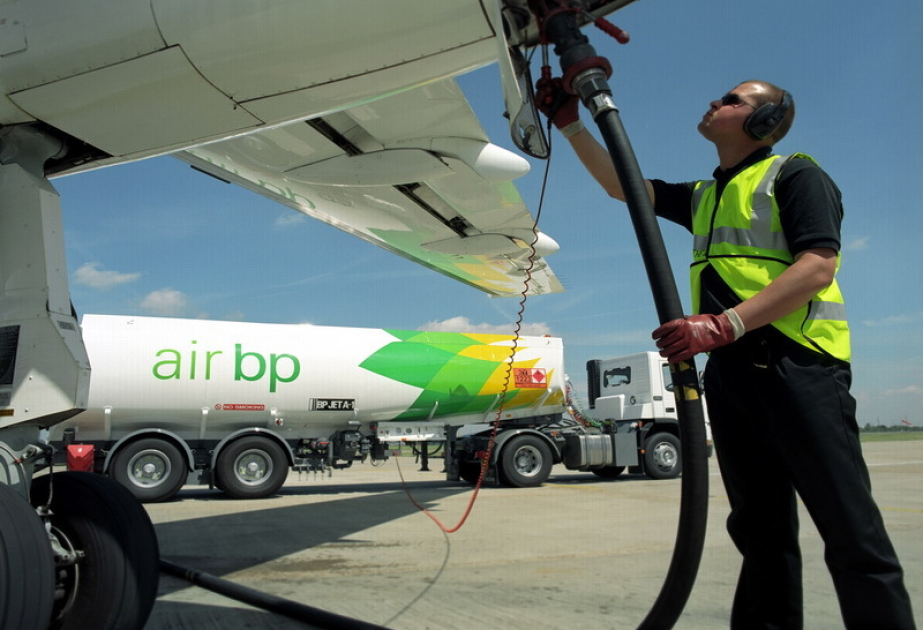
Carriers across the world have been hiking fares, cutting flights, carrying extra fuel from home airports and adding refueling stops as the Middle East conflict squeezes supply.
Walsh told reporters that while he expected crude oil prices to fall, jet fuel costs were likely to remain slightly elevated due to the impact on refineries.
"If it were to reopen and remain open, I think it will still take a period of months to get back to where supply needs to be given the disruption to the refining capacity in the Middle East," Walsh said.
Other news in this section


