Rahil Mammadov: Strengthening relations between Azerbaijan and Sweden forms the basis of my activities INTERVIEW
Stockholm, August 16, AZERTAC
The Sweden Students & Alumni Network Azerbaijan (SSANA) has in recent years become one of the largest platforms bringing together Azerbaijani students and graduates studying at Swedish universities. The organization supports new students, implements educational and cultural projects, and contributes to the strengthening of relations between Azerbaijan and Sweden.
In an interview with AZERTAC, SSANA co-founder Rahil Mammadov spoke about the establishment of the organization, his educational and professional activities, work experience in Sweden, the development of international cooperation, and why he considers it important to support the new generations of Azerbaijani students.
— You started your professional career in Azerbaijan and later continued it in Sweden. How did you decide to move abroad and study there?
— I started my professional career in Azerbaijan. After graduating from the Academy of Public Administration under the President of the Republic of Azerbaijan, I began my career as a corporate lawyer at “Baku Electronics,” one of the largest consumer electronics retail companies in the Caucasus. Later, I joined “GRATA International,” an international law firm providing legal services in the CIS and Eastern European countries.
Over time, I decided to continue my education abroad in order to strengthen my academic knowledge and gain experience in an international academic environment focused on innovation and cooperation. As a result, my choice was Sweden. At that time, obtaining a prestigious scholarship to study abroad was not yet widespread among Azerbaijani law students. As a result of long-term preparation and persistent efforts, I won the Swedish Institute scholarship, then known as the “Visby” scholarship, and was admitted to the Master’s program in European Business Law at Lund University.
I became the first Azerbaijani citizen to receive a Swedish Institute scholarship and be admitted to that Master’s program. Later, many of my friends and other law students from Azerbaijan joined this program; some of them studied with a scholarship, while others did so without one. To this day, approximately twenty Azerbaijani lawyers have completed that program or are currently continuing their studies there. Seeing that many other people have also chosen this path over time gives me a particularly pleasant feeling.
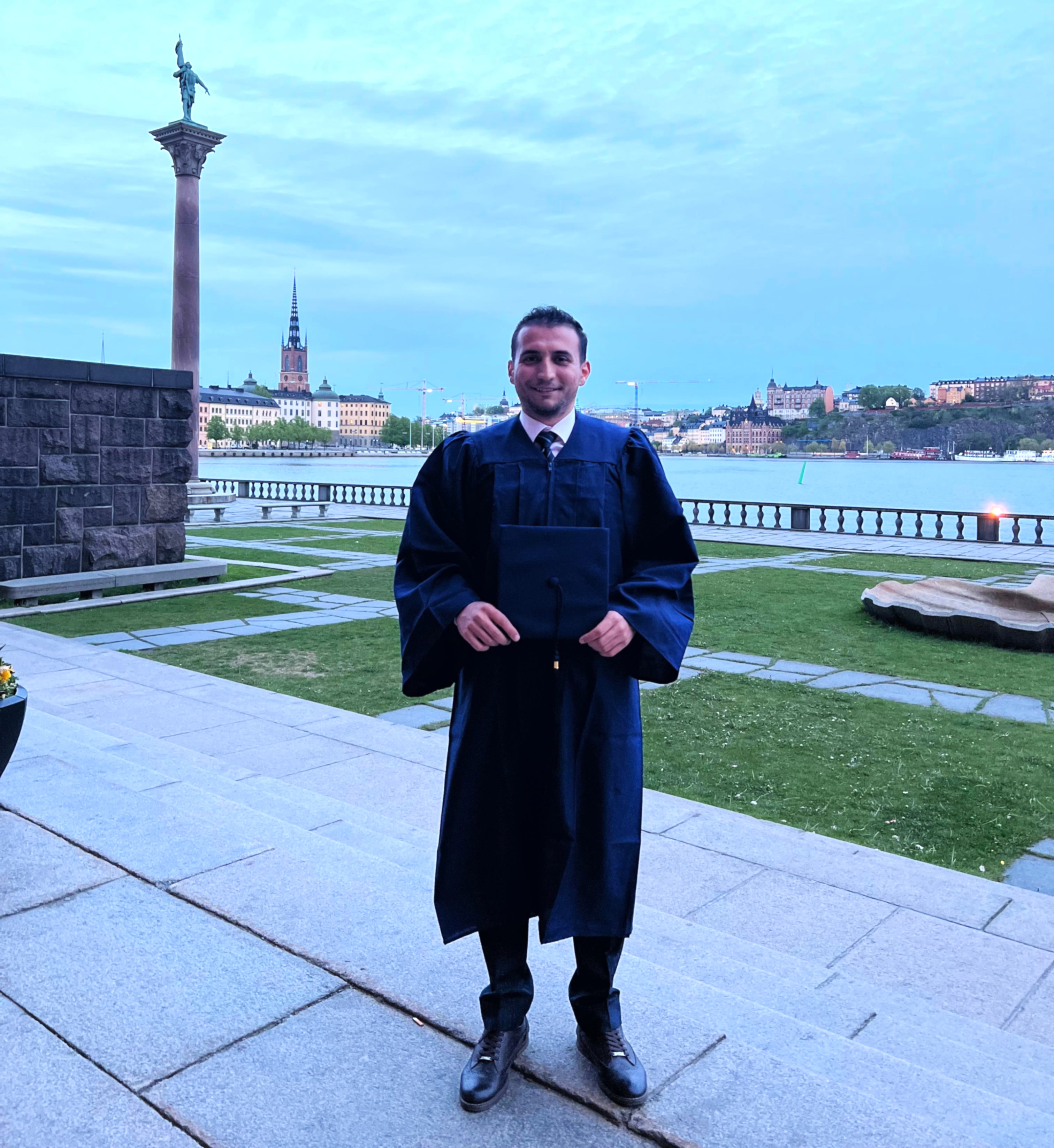
The years of study became a period of serious academic and personal growth for me. The program gave me the opportunity to study European business law, competition law, and the legal foundations of the functioning of the European Union’s internal market more deeply. At that time, issues related to the regulation of digital markets and modern technologies particularly interested me. My Master’s thesis was devoted to pricing algorithms in the context of European Union competition law. In addition, I prepared scientific articles devoted to the mechanism of merger control for online platforms in the European Union, as well as to the protection of copyright in the EU’s Digital Single Market.
— In addition to your studies, you were actively involved in student life and worked on the development of legal projects. Can you tell us more about this?
— During my Master’s studies in Sweden, I actively participated in the activities of student organizations. I held the position of Vice-President for Seminars and Conferences at the Lund branch of the European Law Students’ Association (ELSA), and I also took part in the activities of the Law Society (Juridiska Föreningen). Working in these organizations gave me the opportunity to become part of the Swedish student community, establish connections with Swedish law students, and participate in organizing academic and social events for both Swedish and international students.
At the same time, I continued to develop the LAWELS legal platform, which I co-founded in July 2019 together with my lawyer colleagues from Azerbaijan. We created this platform as a space for publishing analytical materials, articles by practicing lawyers, reviews of legislative changes, and professional commentaries on various areas of law. Thanks to our consistent work, we were able to implement the “Academic Essay” project, through which many young lawyers gained the opportunity to write and publish their scientific articles.
This period gave me the opportunity not only to integrate more deeply into Sweden’s academic and student environment, but also to continue working on initiatives aimed at developing Azerbaijan’s legal community.
— What opportunities opened up for you after obtaining your Master’s degree?
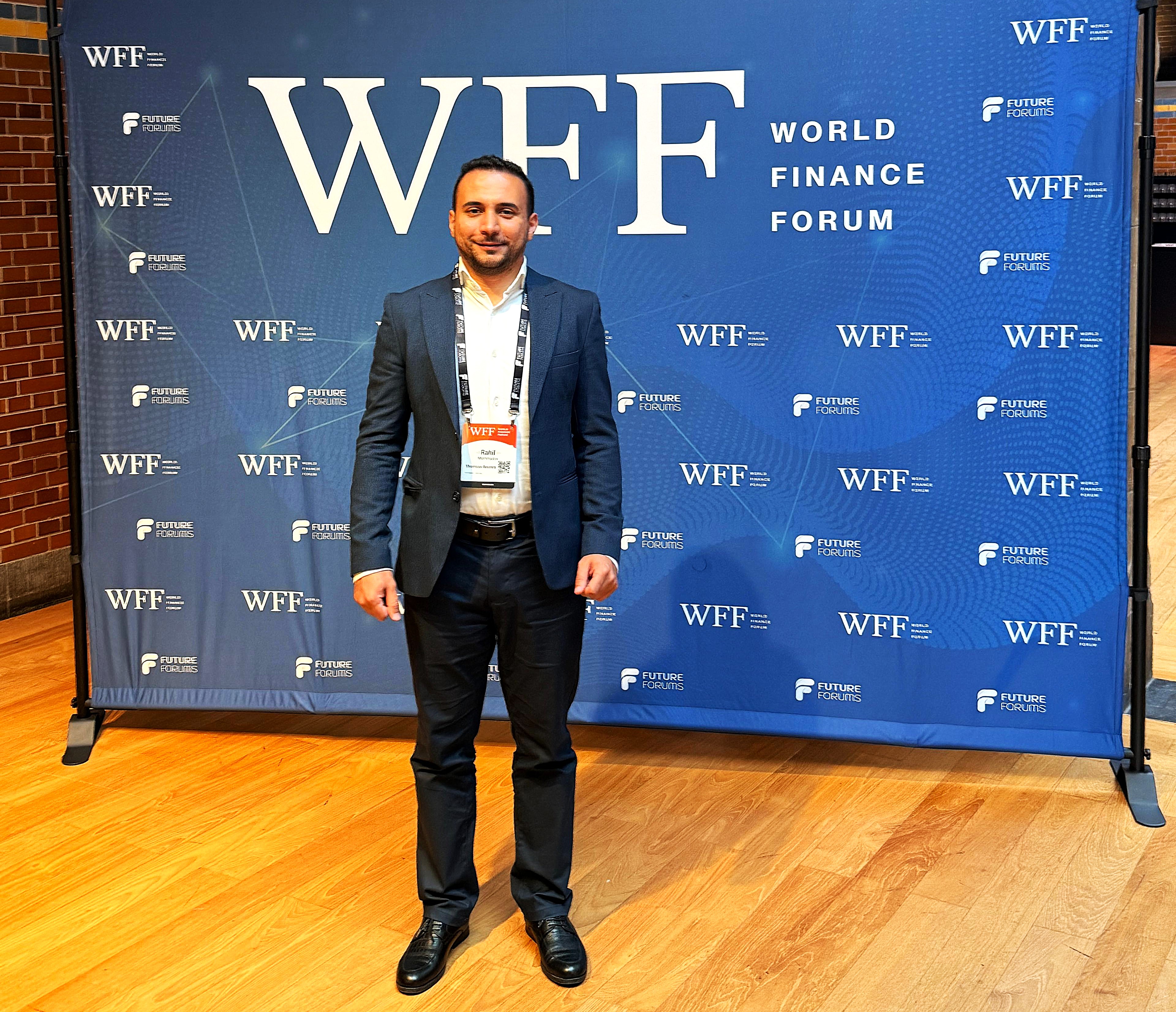
— After completing my studies in Sweden, I continued my activities in the field of tax law and the digitalization of tax administration. I joined Pagero, a company based in Gothenburg. The company later became part of Thomson Reuters, one of the world’s leading technology companies providing information solutions for specialists in the fields of law, taxation, and accounting. Currently, I work as a leading specialist in indirect taxation and the digitalization of the tax field.
Working in Sweden and being part of the activities of one of the world’s leading technology companies gave me valuable experience working in an international business environment. This experience allowed me to see how work processes are organized in global organizations, how innovative solutions are applied, and how a culture of cooperation is developed. It had a significant impact on my professional development and expanded my understanding of modern approaches to management, technology, and international interaction.
— You are the co-founder of the Sweden Students & Alumni Network Azerbaijan (SSANA). Please tell us about how the idea of creating this organization arose and what activities it is currently engaged in.
— The idea of creating SSANA was simple yet ambitious — to bring together Azerbaijanis studying in or having completed their studies in Sweden and to create a community that contributes to the development of relations between Azerbaijan and Sweden.
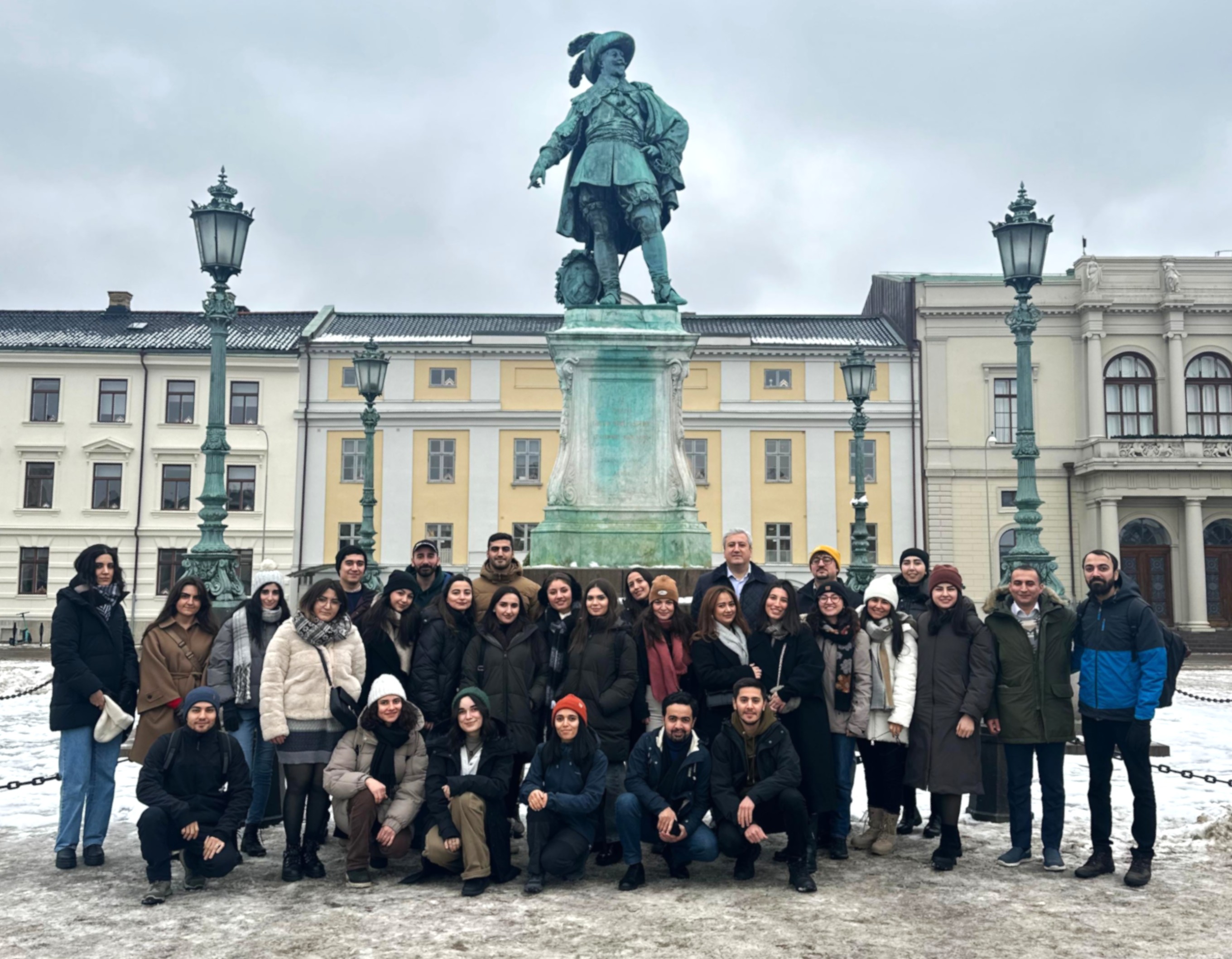
Over time, SSANA has become an actively developing organization implementing projects in the fields of education, professional development, and cultural cooperation. One of our main priorities was to support new students arriving in Sweden. We organized meetings and events in various cities across the country, helped new students adapt more quickly, and worked to build a strong community of Azerbaijani students and graduates. At the same time, we saw SSANA not only as an organization uniting graduates, but also as a platform for developing cooperation between Azerbaijan and Sweden in the fields of education, youth policy, and professional development.
We managed to establish cooperation with the Embassy of Azerbaijan in Sweden. The Embassy supported the development of the organization, as well as its activities among students and graduates. For my part, I was the initiator of the first meeting of graduates of Swedish universities held in Baku on April 30, 2021. Later, during my first meeting with Azerbaijan’s Ambassador to Sweden Zaur Ahmadov, we discussed joint initiatives and opportunities for more active involvement of students and young specialists in the development of academic, cultural, and professional relations between the two countries.
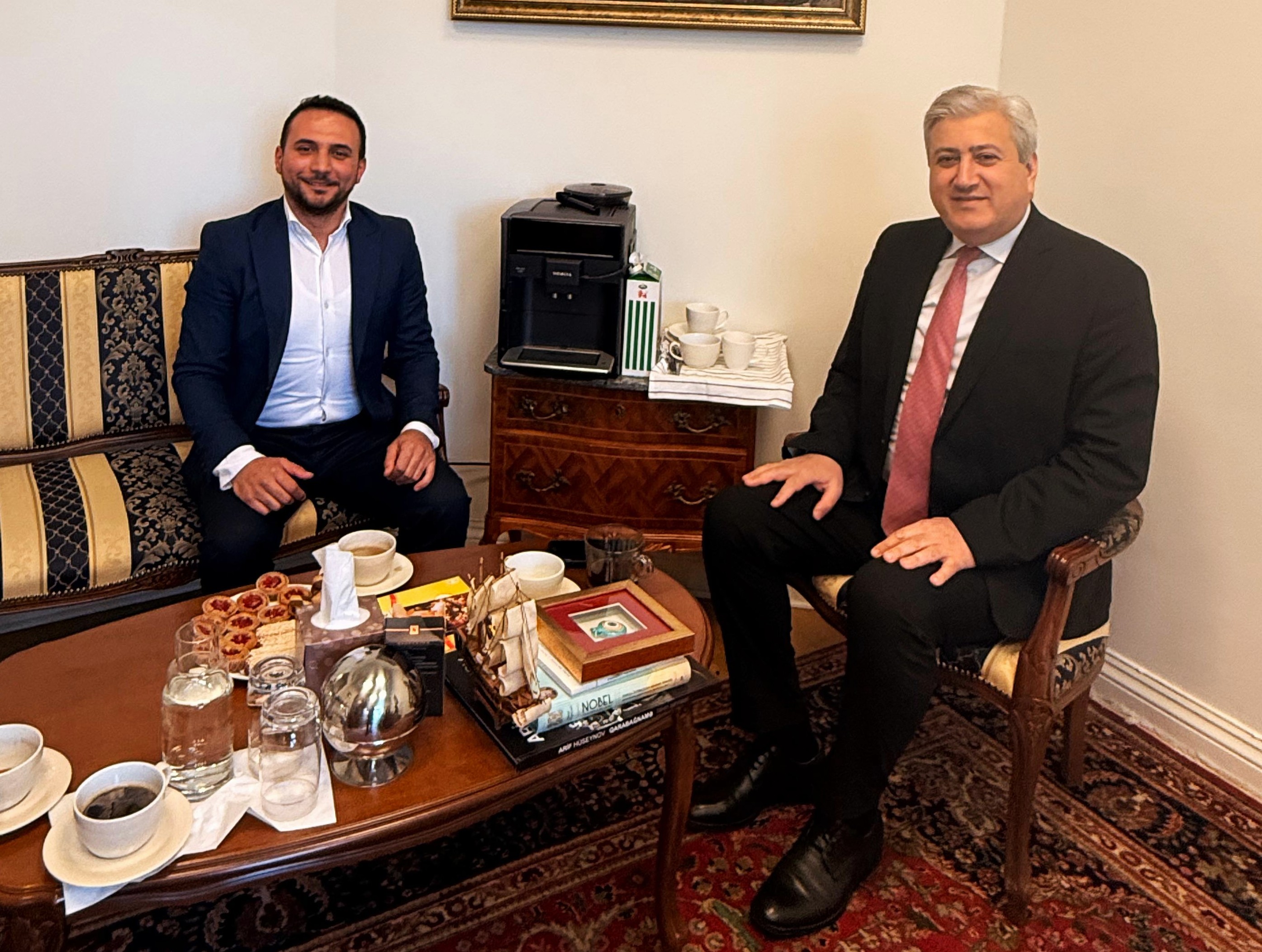
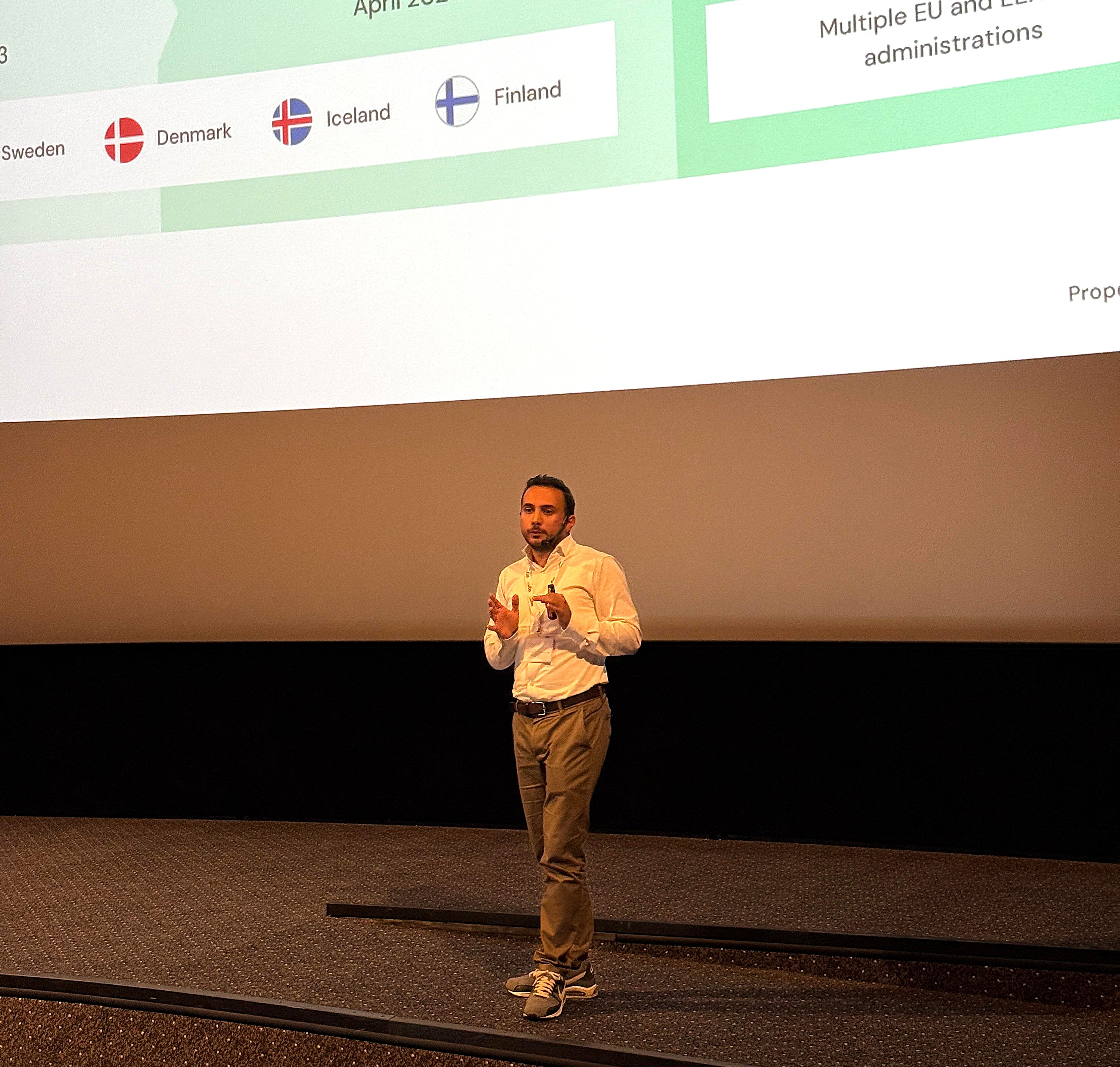
To this day, I continue to support students and young specialists who plan to study or build a career in Sweden. I regularly participate in informational meetings and discussions, where I provide information about scholarship programs, the Swedish labor market, opportunities for obtaining work and residence permits, and also share my personal experience of life and professional development in Sweden.
Speaking about the main idea of SSANA, it can be expressed very simply — if someone once helped you take the first step and you were able to achieve success through your own efforts, then one day you should also be ready to help those who choose to follow the same path after you.
— It seems that for you, achieving one goal always becomes the beginning of the next goal. What stands behind this approach?
— I think that is indeed the case. After completing my Master’s studies in European Business Law, I decided to obtain a second Master’s degree in European and International Tax Law at the School of Economics of Lund University. For me, education does not end with obtaining a diploma. In a world where law, technology, and state regulation are constantly changing, education must be a continuous process.
Travel also occupies an important place in my life. To date, I have visited 40 countries and 158 cities. For me, this is not just an opportunity to see new places, but also a chance to meet people, better understand different cultures, listen to other people's stories, and see how different societies live and develop.
Looking back at my professional journey, I see that there is one idea that unites it — the desire to build bridges. I strive to strengthen relations between Azerbaijan and Sweden, create new opportunities for students, connect legal knowledge with business practice, and show that personal development can go hand in hand with contributing to the common good.
Other news in this section


