Baku hosts 83rd meeting of CIS Railway Transport Council
Baku, November 27, AZERTAC
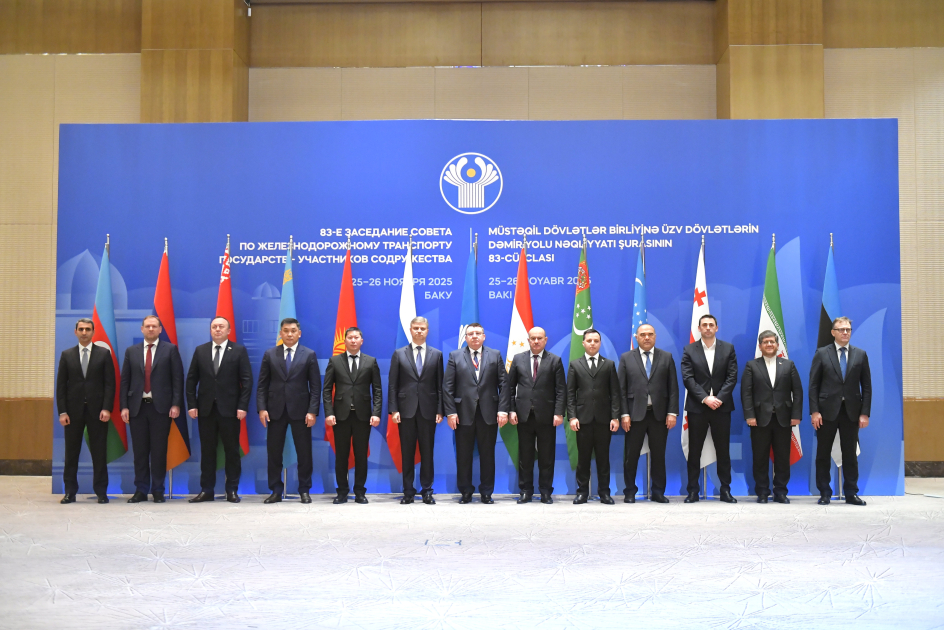
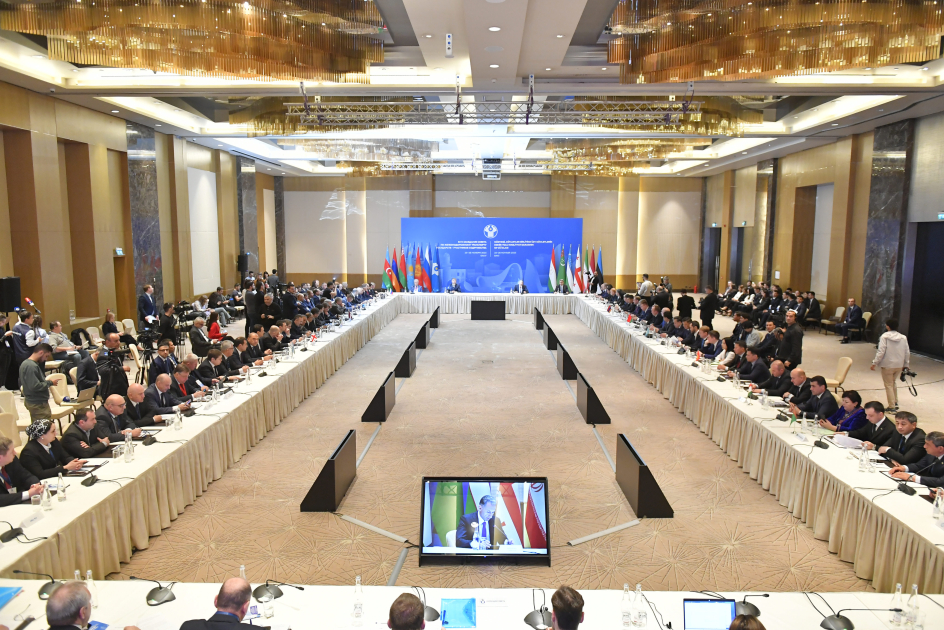
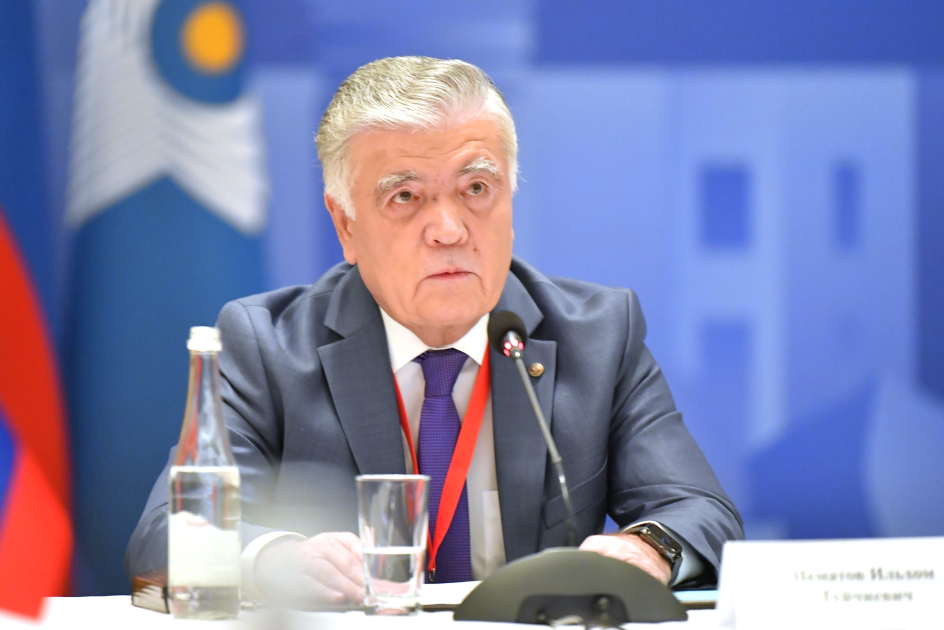
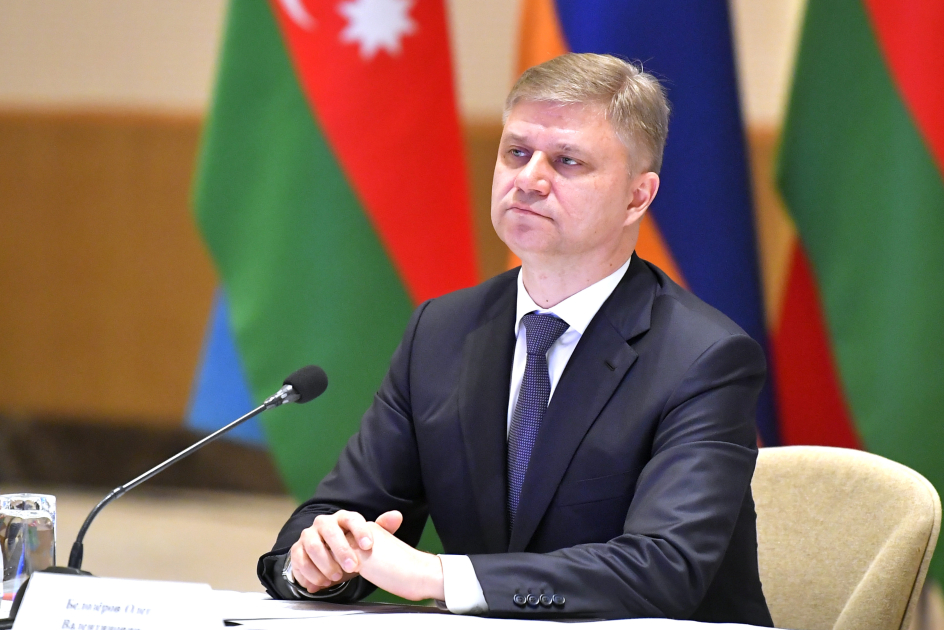
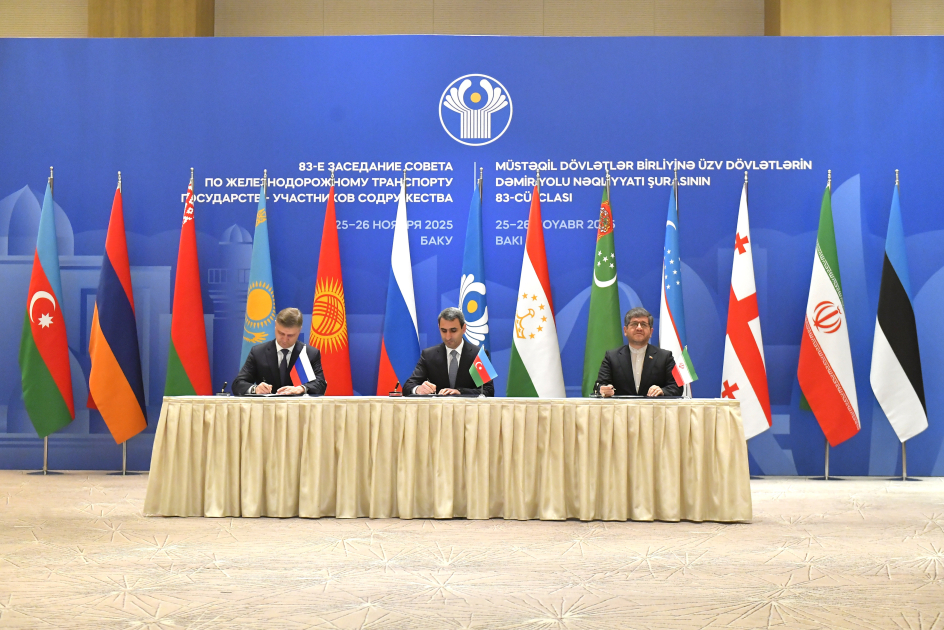
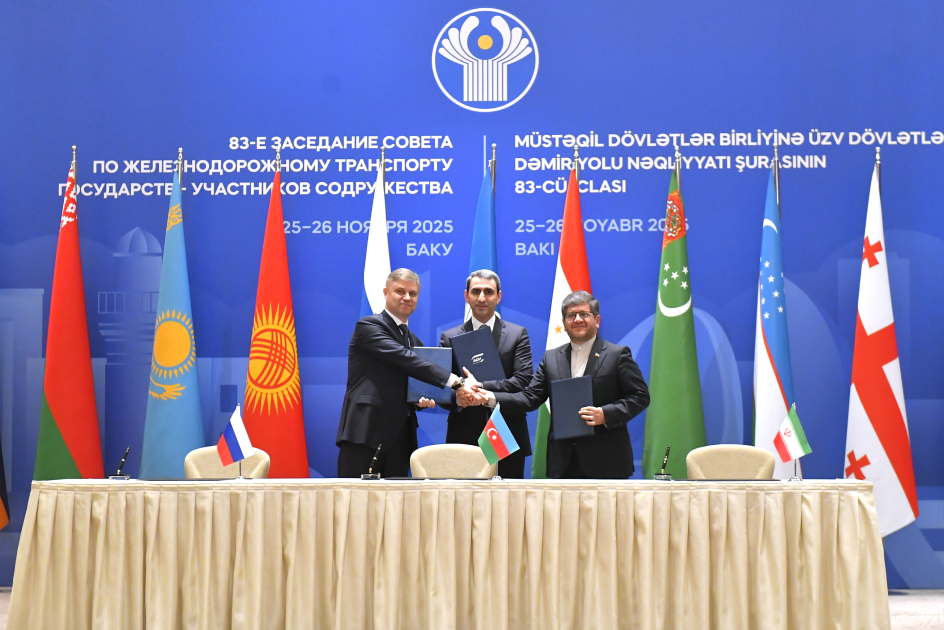
The 83rd meeting of the CIS Railway Transport Council was held in the Azerbaijani capital, Baku.
The event brought together the heads of the railway administrations of Azerbaijan, Russia, Belarus, Kazakhstan, Kyrgyzstan, Tajikistan, Turkmenistan, Uzbekistan, Georgia, Iran, Latvia, and Estonia, as well as representatives of the Organization for Cooperation between Railways (OSJD), the CIS Executive Committee, and the International Confederation of Railway Workers' Trade Unions.
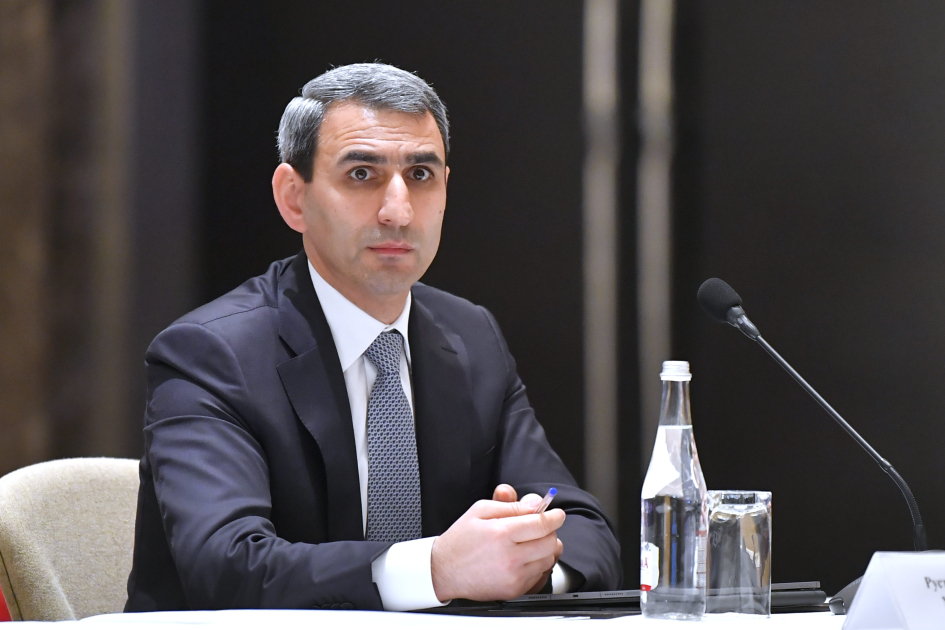
In his opening remarks, Rovshan Rustamov, Chairman of Azerbaijan Railways CJSC (ADY), underlined that cooperation among CIS countries in the fields of transport and logistics remains one of the key drivers of regional economic integration. He added that strengthening interaction in railway transportation is essential for ensuring the stable development of the region as a whole.
The ADY Chairman also highlighted the ongoing large-scale efforts aimed at enhancing international transport corridors passing through Azerbaijan.
Speaking about the Baku International Sea Port, which was integrated with Azerbaijan Railways this February to form a multimodal hub connecting the region to global trade, Rustamov emphasized that the port’s cargo throughput capacity is expected to increase from 15 million to 25 million tons per year.
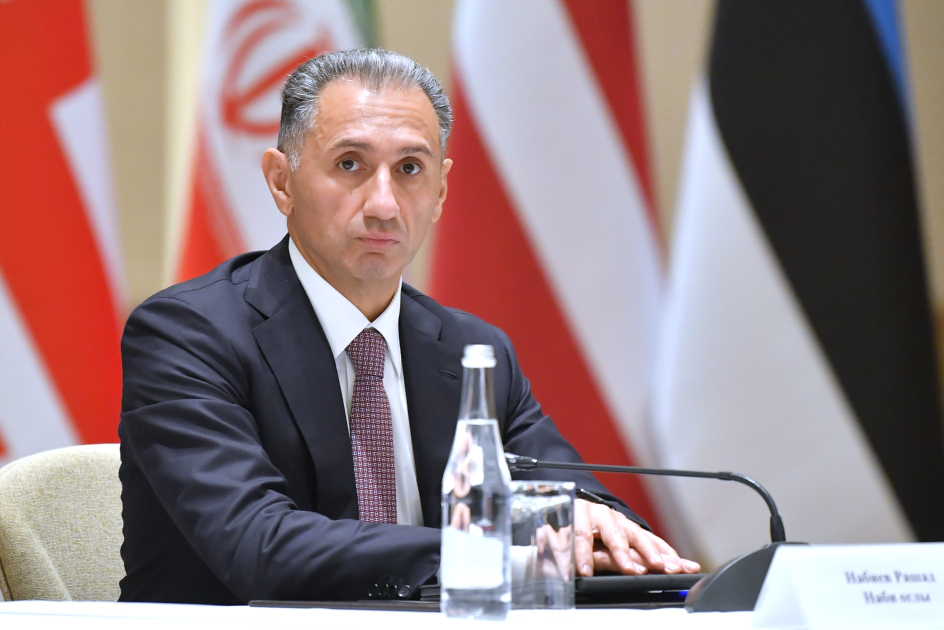
In his remarks, Rashad Nabiyev, Azerbaijan’s Minister of Digital Development and Transport, stressed that the country attaches great importance to developing a joint transport policy with partner nations, enhancing the competitiveness of logistics chains, and establishing new routes.
Speakers also noted that large-scale infrastructure projects implemented in recent years — including renewed railway lines, modern terminals, and advanced digital systems – have significantly reshaped the regional transit landscape and improved the efficiency and safety of transportation in Azerbaijan.
The meeting participants addressed issues on the agenda, underscoring the need for greater transparency and synchronization in logistics to enhance efficiency and competitiveness. They highlighted the strategic importance of coordinating the 2026 tariff policy to boost international freight transportation and optimize transit routes.
In conclusion, the protocol of the meeting was signed.
Other news in this section


