Nizami Ganjavi’s bust in Marneuli restored
Tbilisi, August 13, AZERTAC
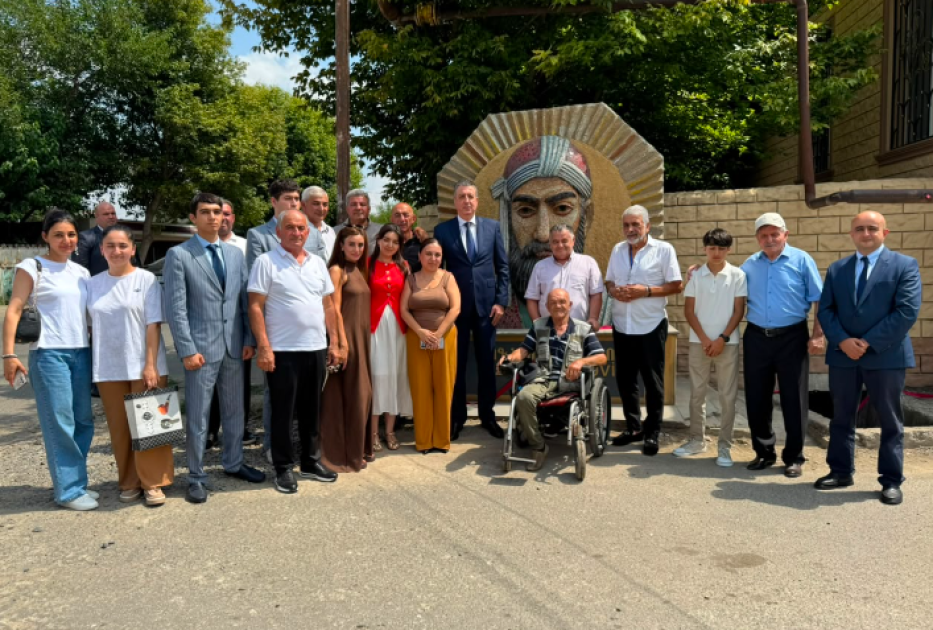
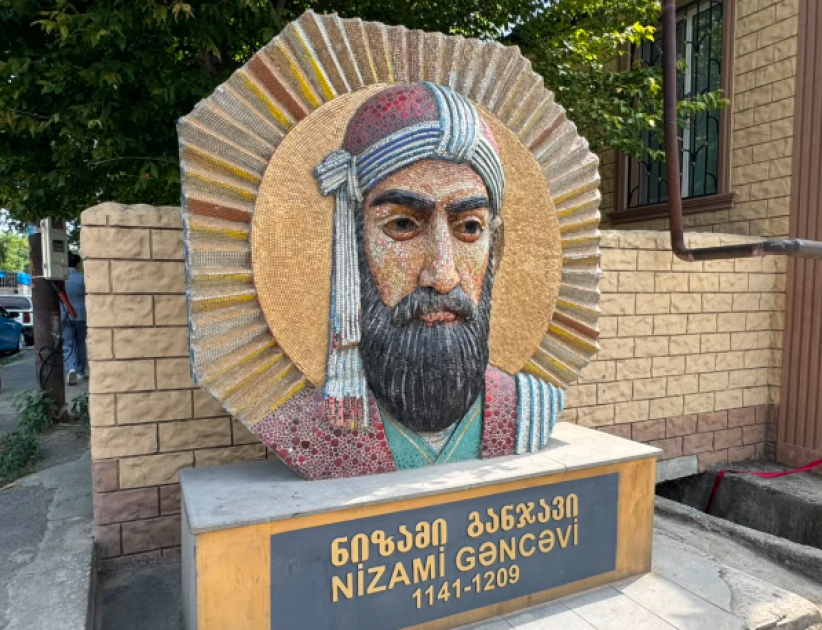
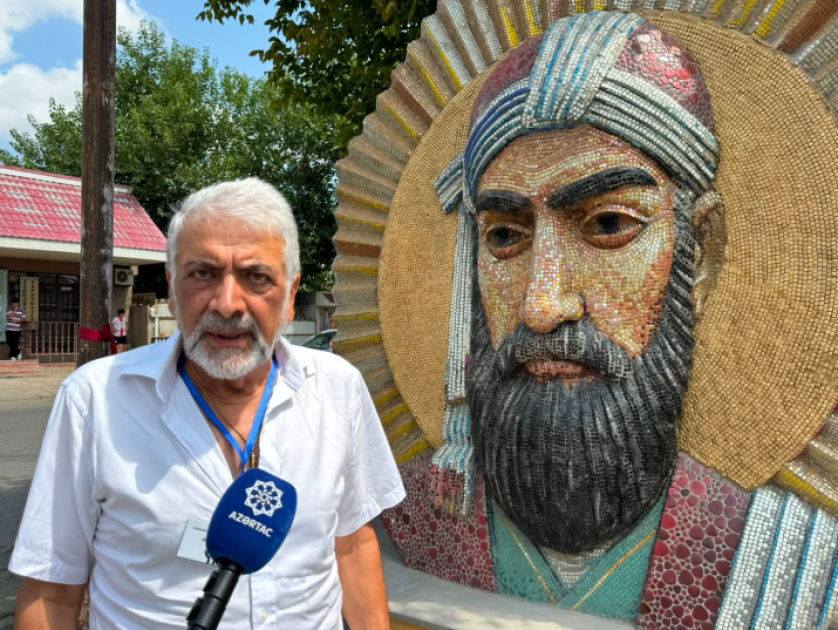
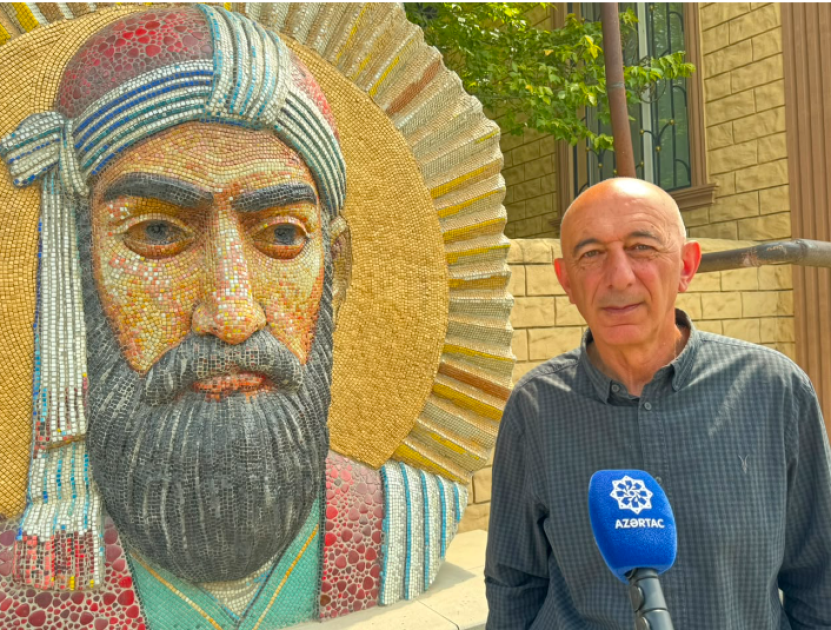
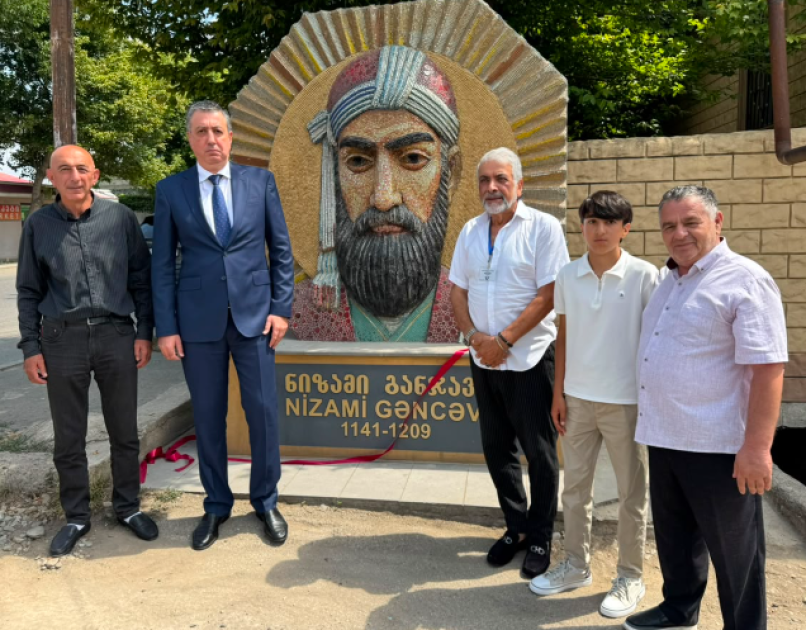
The bust of prominent Azerbaijani poet and philosopher Nizami Ganjavi in the Georgian city of Marneuli has been restored.
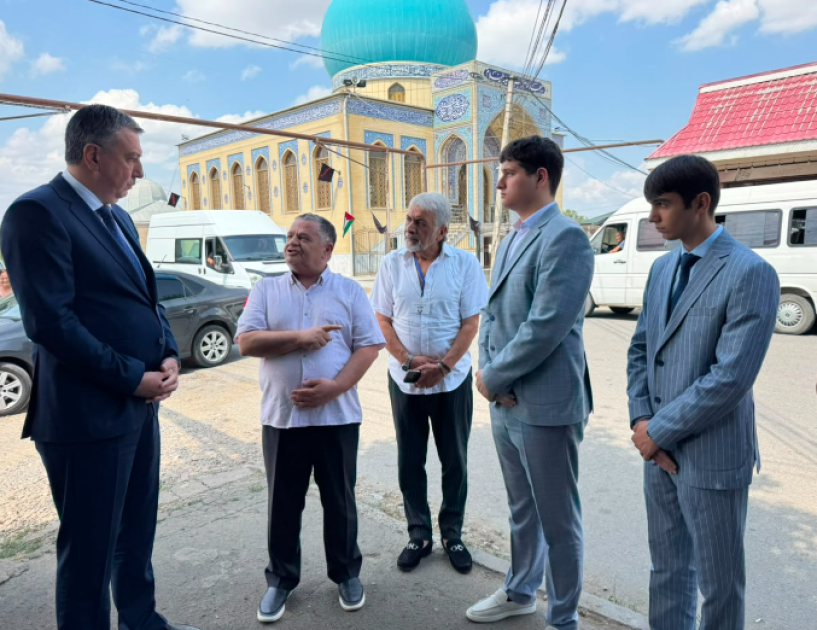
Located at the intersection of N. Narimanov and N. Ganjavi streets, the bust was unveiled on August 13 following its restoration.
At the opening ceremony, it was noted that the bust had been vandalized and damaged some time ago, necessitating its restoration. With the support of the Embassy of Azerbaijan in Georgia and at the initiative of the Congress of Georgian Azerbaijanis, the monument has been restored to its original appearance.
Azerbaijani Ambassador to Georgia Faig Guliyev thanked those involved in the restoration and emphasized the importance of preserving Azerbaijani heritage, culture, and art in Georgia.
The ambassador also highlighted the importance of strengthening cultural ties between the two countries, noting that a large delegation of Azerbaijani artists will visit Georgia on August 17. He emphasized that cultural cooperation also contributes to the development of political and economic relations between the two countries.
Nizami Ganjavi’s bust in Marneuli was erected in 2012 and restored 14 years later by artist and woodcarving master Gasham Suleymanov. He carried out the restoration free of charge over 20 days, returning the bust to its original appearance.
“I restored the bust in 20 days and returned it to its original appearance. I am very pleased with the result. Restoring the bust of such a prominent poet was a great honor and a source of pride for me,” Suleymanov said.
Artist Ali Isayev, who took part in the restoration initiative, described the work as a fulfillment of a duty to the cultural heritage of the Azerbaijani people.
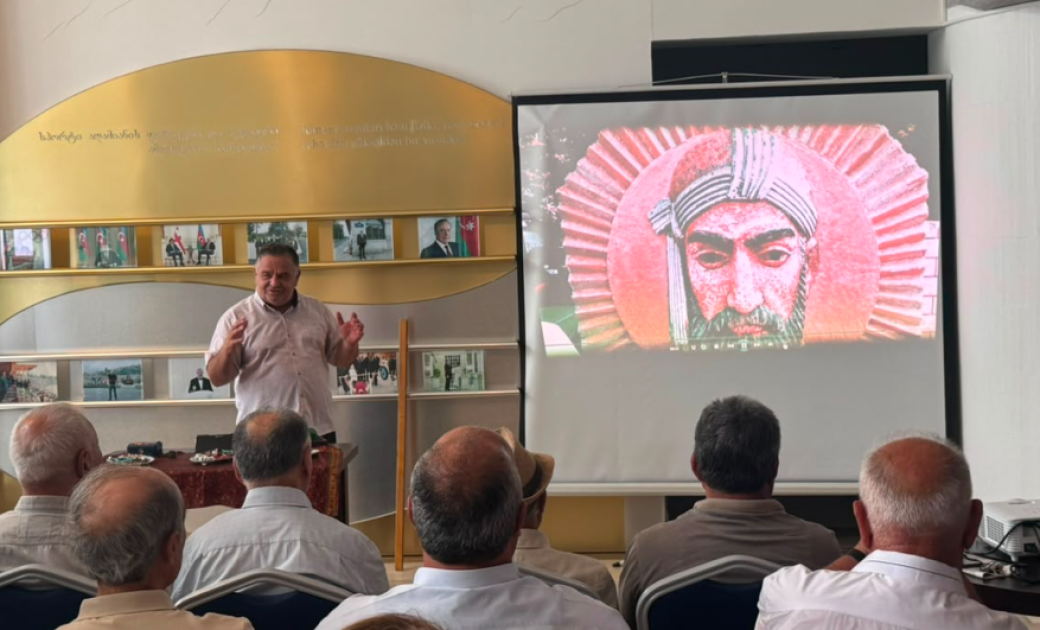
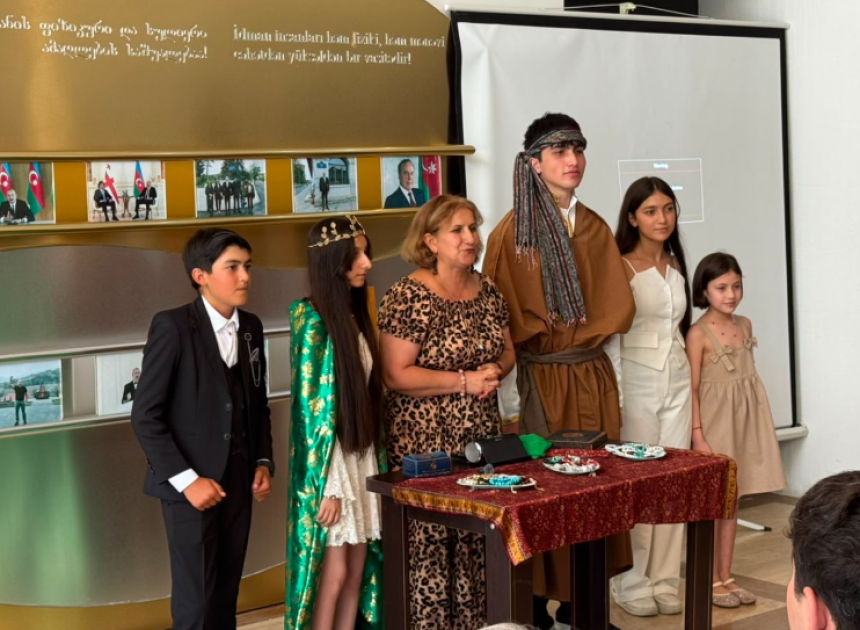
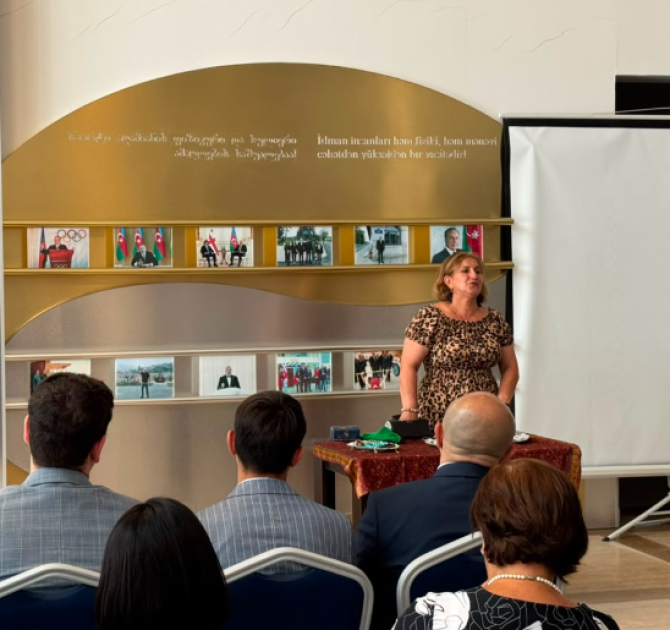
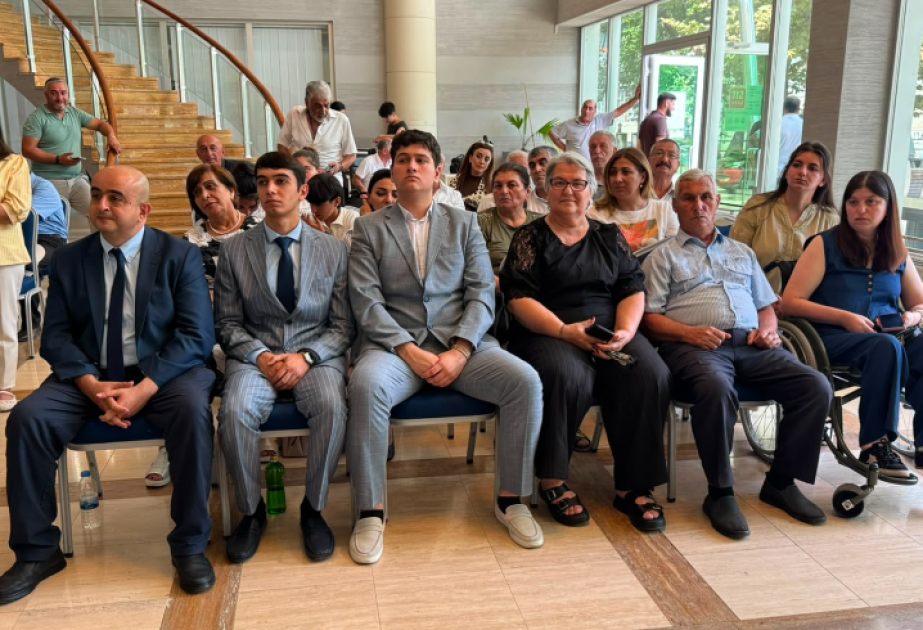
The event continued at the “Azerbaijan House” in Marneuli with performances based on Nizami Ganjavi’s works. Speakers discussed his life and literary legacy, while children recited his poems. The event also highlighted Ganjavi’s role in strengthening Azerbaijani-Georgian cultural ties.
The importance of literary and cultural cooperation, joint cultural projects, and related initiatives between the two countries was also emphasized.
Other news in this section


