Guivami Rahimli: Ilham Aliyev’s handprint at Sangachal terminal becomes Iron Fist
Baku, April 8, AZERTAC
Garabagh War veteran and Baku State University professor Guivami Rahimli, who teaches energy security, multilateral and regional diplomacy at the Faculty of International Relations and Economics, has authored the article “From Symbol to Strength: The Handprint That Became an Iron Fist.”
Guivami Rahimli highlights how Azerbaijan’s oil strategy became a cornerstone of national strength, - fueling economic growth, bolstering defense capabilities, and ultimately enabling the liberation of its territories in the 44-day war that restored the country’s territorial integrity.
AZERTAC publishes this article, highlighting these perspectives and underscoring Azerbaijan’s role in global energy security as a trusted partner in Europe’s energy future.
The early years of Azerbaijan’s independence was an incredibly challenging time with multiple, complex crises, - the occupation of its territory by Armenian military forces, post-independence instability, and the subsequent economic decline.
During these tough times, Heydar Aliyev returned to the political arena and introduced a pragmatic foreign policy, balancing the interests between global powers and powerful neighbors. Azerbaijan’s multi-vector policy became a state strategy, avoiding allying with any geopolitical bloc but opting for economic, energy and military cooperation with both sides. Heydar Aliyev was the one who had the vision to see the benefit of the oil and gas project developments which resulted in signing contracts with foreign oil companies. It set Azerbaijan on a path of stability and economic growth.
President Ilham Aliyev has successfully sustained and deepened the multi-vector foreign policy initiated by Heydar Aliyev, anchoring Azerbaijan’s sovereignty in balanced diplomacy between global powers and regional actors. Ultimately, this strategy laid the foundation for the vibrant and prosperous nation Azerbaijan has become today.
Since 2006, the substantial revenues generated from energy exports have been strategically channeled into accelerating economic growth, diversifying the economy, and fostering the dynamic expansion of the non-oil sector. At the same time, these resources were instrumental in strengthening Azerbaijan’s military capabilities, ultimately paving the way for the liberation of its territories that had long remained under Armenian occupation.
Under the leadership of Supreme Commander-in-Chief Ilham Aliyev, the Azerbaijani Army achieved a historic victory, liberating the lands of Garabagh and restoring Azerbaijan’s internationally recognized territorial integrity.
Today, Caspian oil and gas developments are the largest energy developments in the world. They unlock Caspian reserves and deliver them to global markets. Sangachal terminal is a strategic hub for the Caspian. It is unique in terms of being the greatest integrated oil and gas terminal where all export pipelines from bp operated offshore fields originate. It plays a vital role in global energy security.
Currently, there are 3 major oil and gas pipelines in the region, with its roots embedded at Sangachal terminal, bypassing Russia and Iran: BTC pipeline, which runs from Azerbaijan through Georgia and Türkiye and then to the outside world through the Mediterranean; Baku-Supsa pipeline, which carries oil from the Caspian Sea to Supsa terminal in Georgia on the Black Sea for shipment to global markets; and Southern Gas Corridor (SGC) which includes SCPX, TANAP and TAP pipelines, crosses six countries, coming ashore in Southern Italy.
“With this project, we are creating a new energy map of Europe,” said President Ilham Aliyev at SGC inauguration ceremony.
SGC serves as a cornerstone of Europe’s energy security architecture, providing a vital new supply route while ranking among the most significant projects in the global oil and gas sector. These supplies are a blessing to southeastern Europe, which was almost dependent on the pipelines from Russia and as a result of the Russian - Ukrainian war, EU cut off the energy flow with Moscow and had to look for alternatives.
European Commission President Ursula von der Leyen commended Azerbaijan’s significance as a pivotal energy partner: - “You are indeed a crucial energy partner for us, and you have always been reliable. You were a crucial partner not only for our security of supply, but also in our efforts to become climate neutral.”
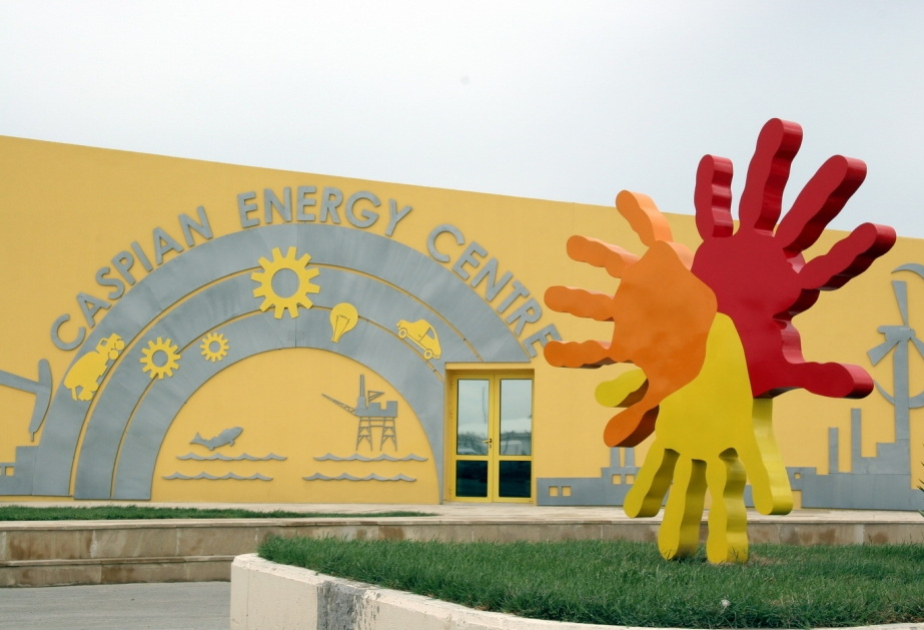
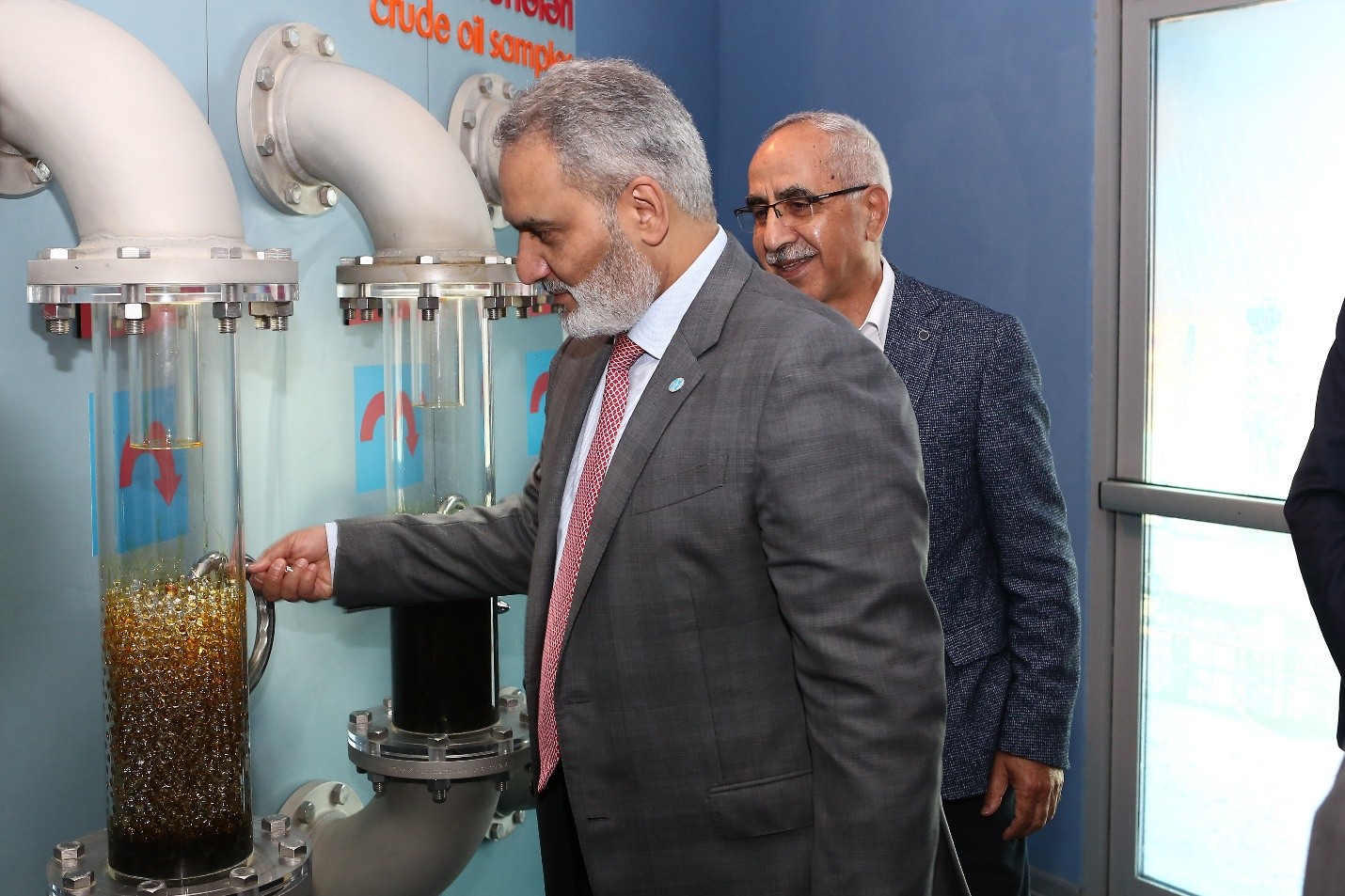
Sangachal Terminal, bp operated largest onshore asset worldwide, offers visitors a vivid insight into the scale and significance of this facility. Acquaintance with the terminal starts at Caspian Energy Center, where visitors are introduced to the historical evolution of oil production in Azerbaijan.
Caspian Energy Center was inaugurated on May 25, 2005, by President Ilham Aliyev and Prince Andrew - British royal family member, together with Presidents of Türkiye, Georgia, Kazakhstan, bp’s CEO Lord John Brown and senior officials from partner countries, during the opening ceremony of Baku-Tbilisi-Ceyhan pipeline.
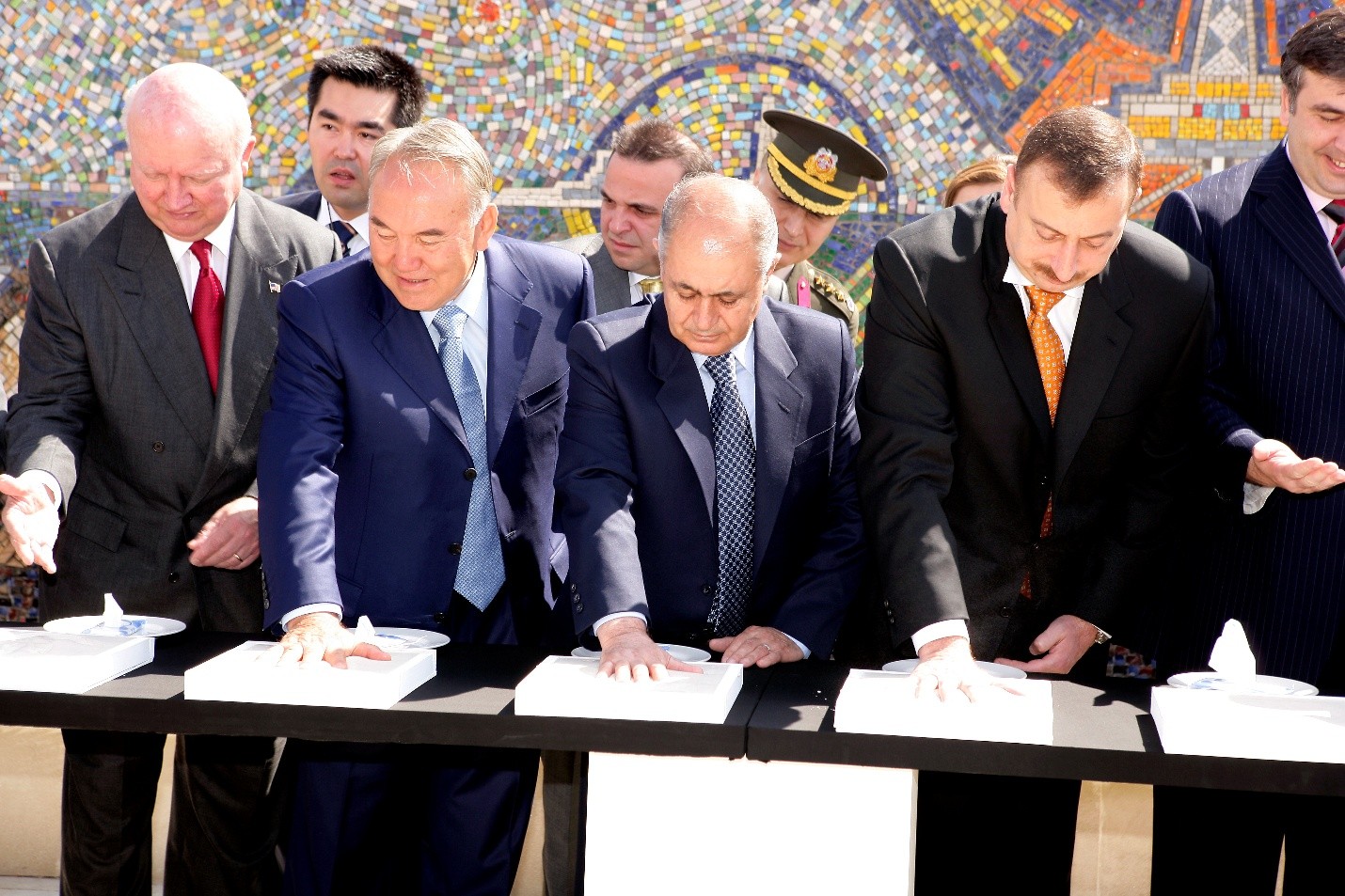
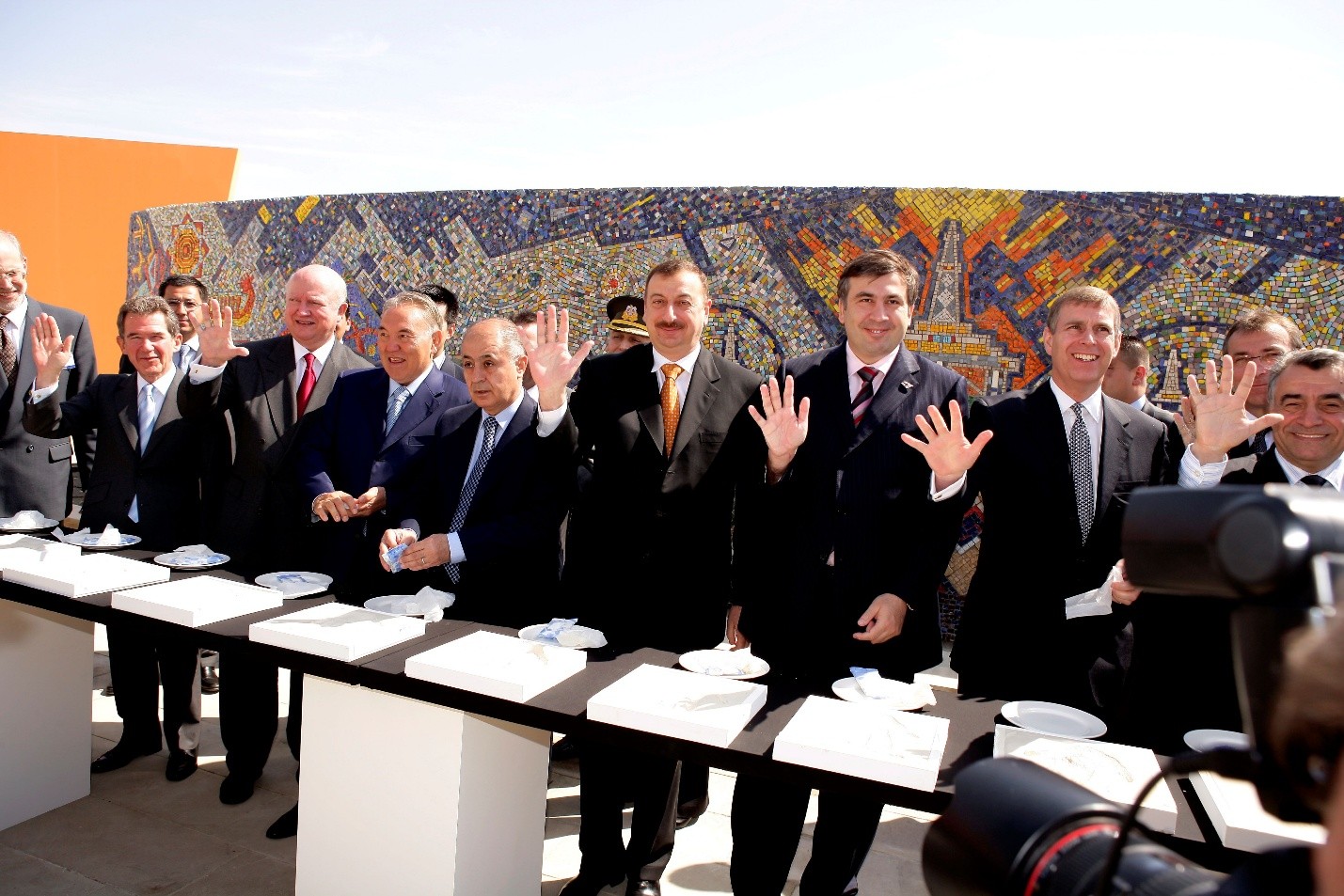
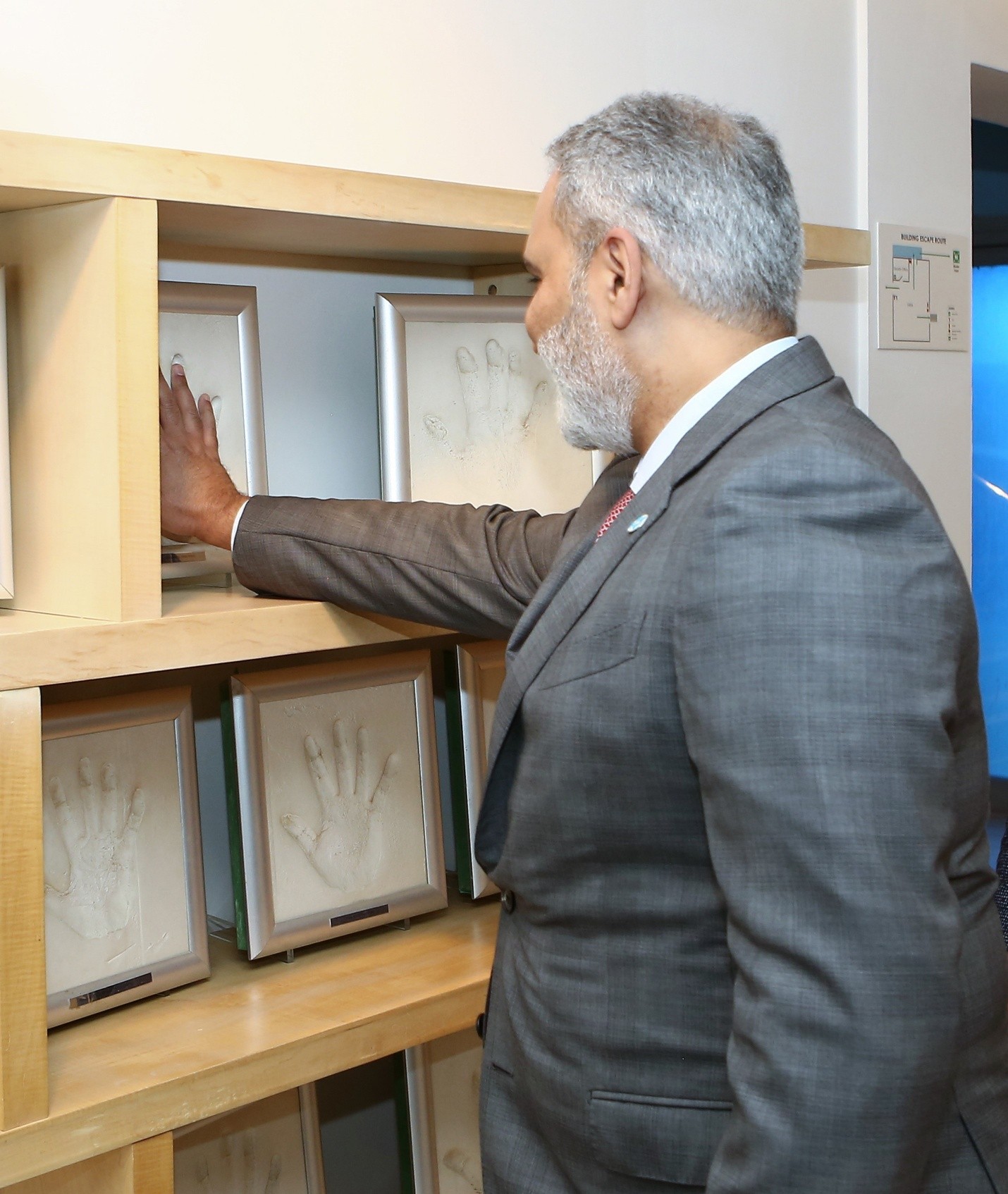
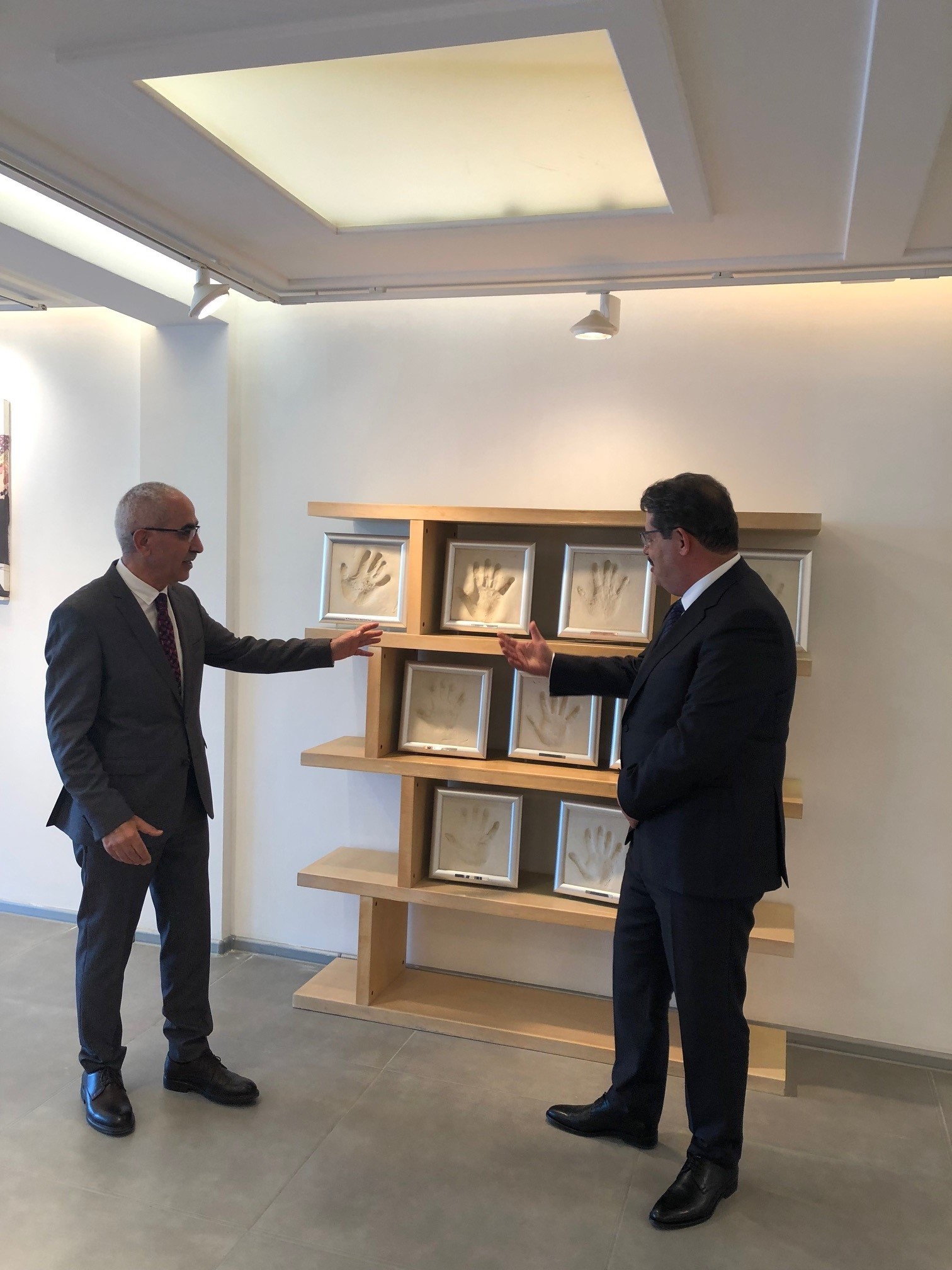
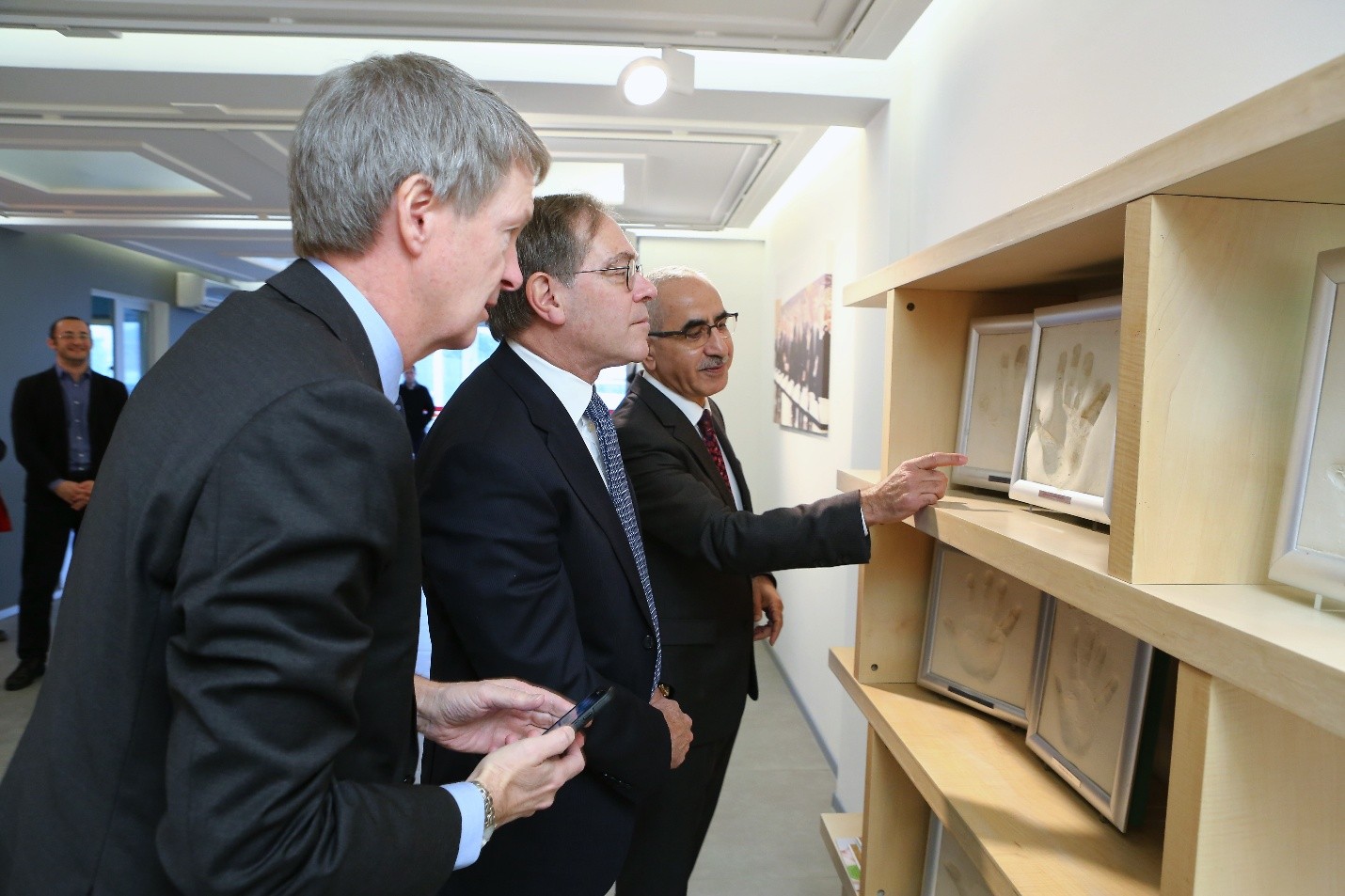
The high-ranking officials who participated in this event left their handprints on plaster bricks as the opening ceremony gesture, standing for global cooperation and new beginnings.
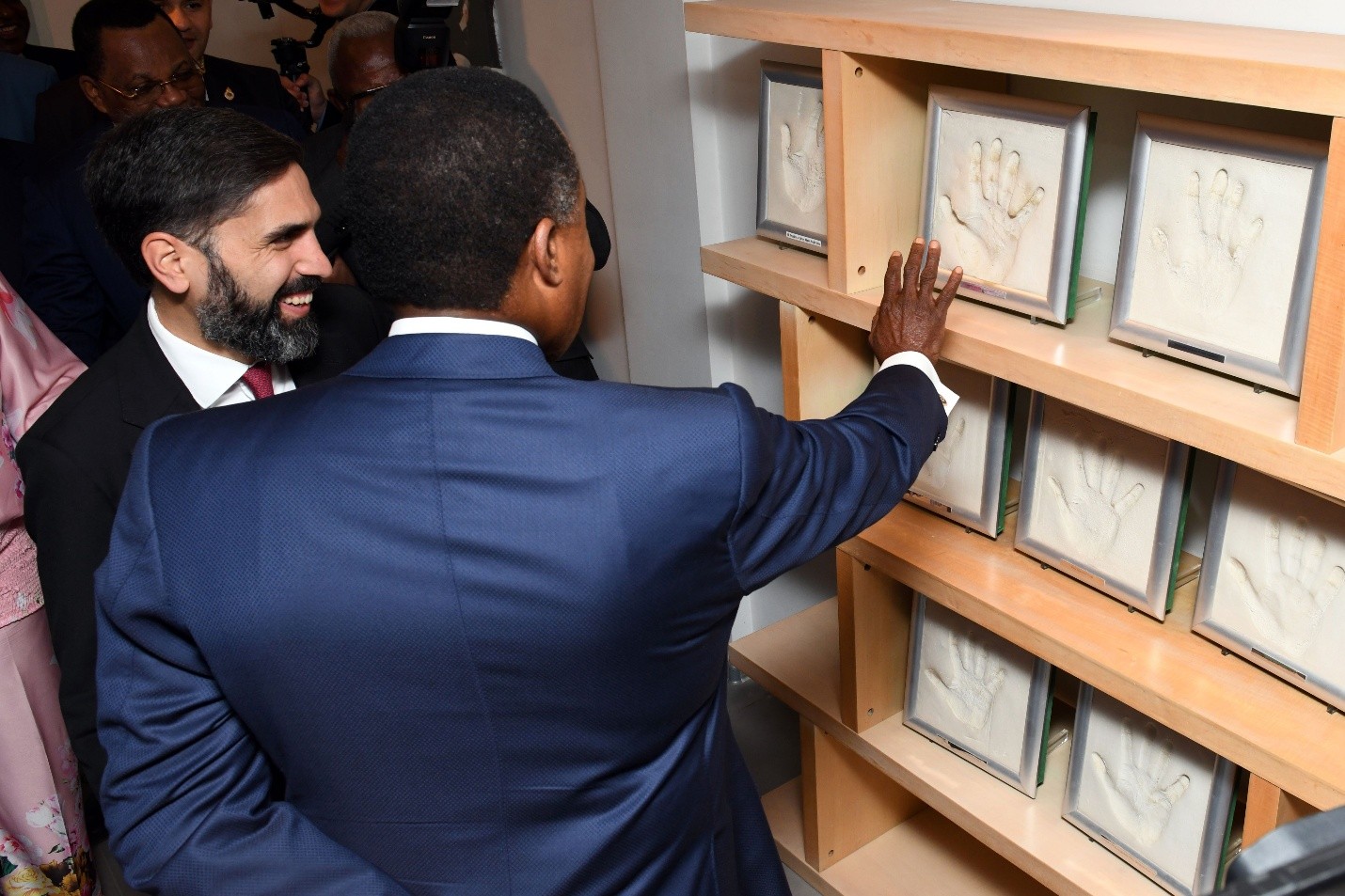
Among these iconic handprints, President Ilham Aliyev’s handprint stands out for its remarkable size and commanding presence and has become a symbol of Azerbaijan’s success story. There is a famous expression in Azerbaijani that is said to a person who has achieved great success, - "put your right hand on my head", - which is believed to pass on similar success to the receiver of this hand gesture. Visitors to the terminal, inspired by Azerbaijan’s achievements, often place their right hand on the brick bearing President Aliyev’s handprint and then touch their heads, embracing this symbolic tradition.
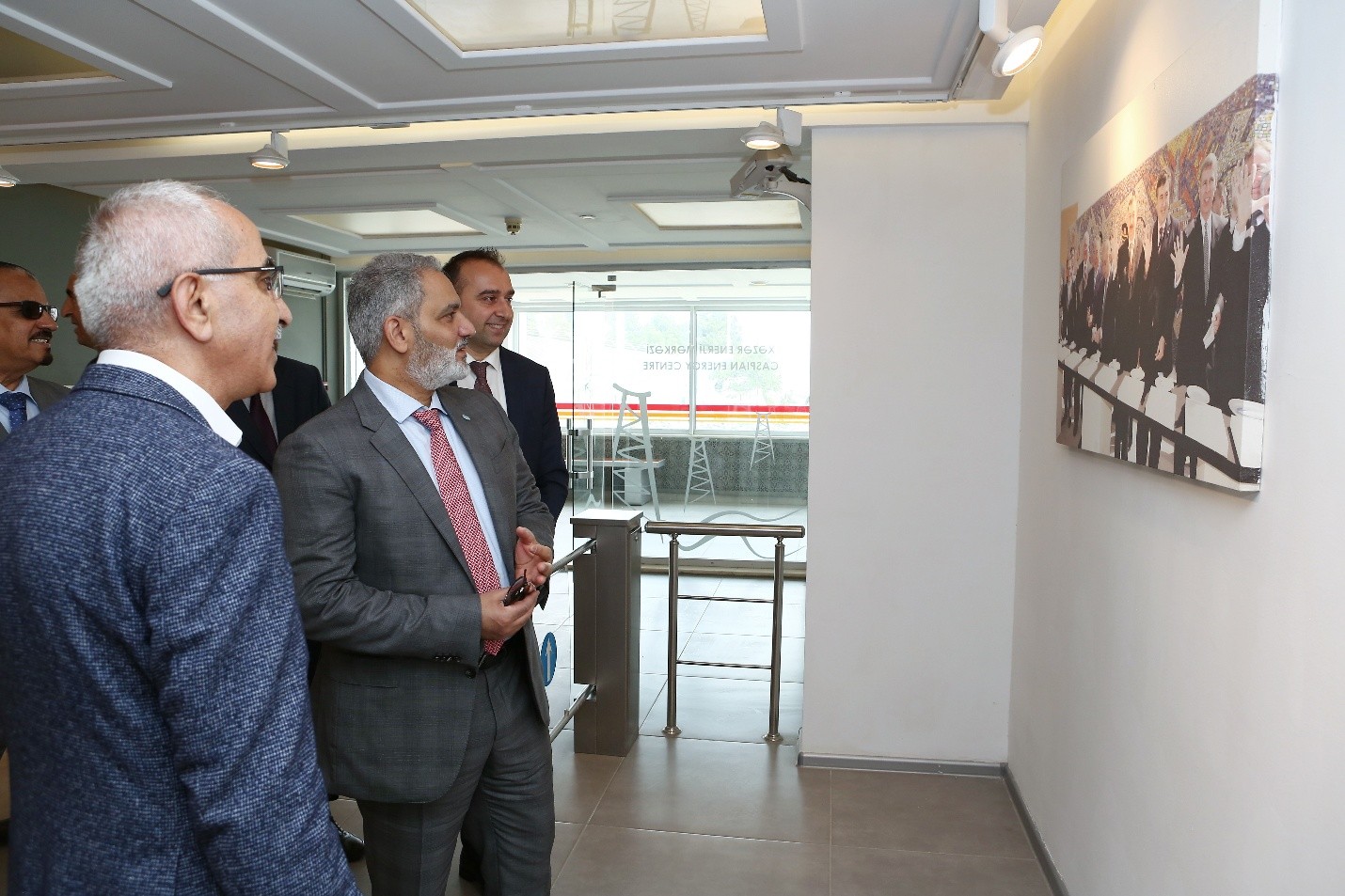
OPEC Secretary General Haitham Al Ghais at Caspian Energy Centre
Mohamed Hamel, Secretary General of Gas Exporting Countries Forum
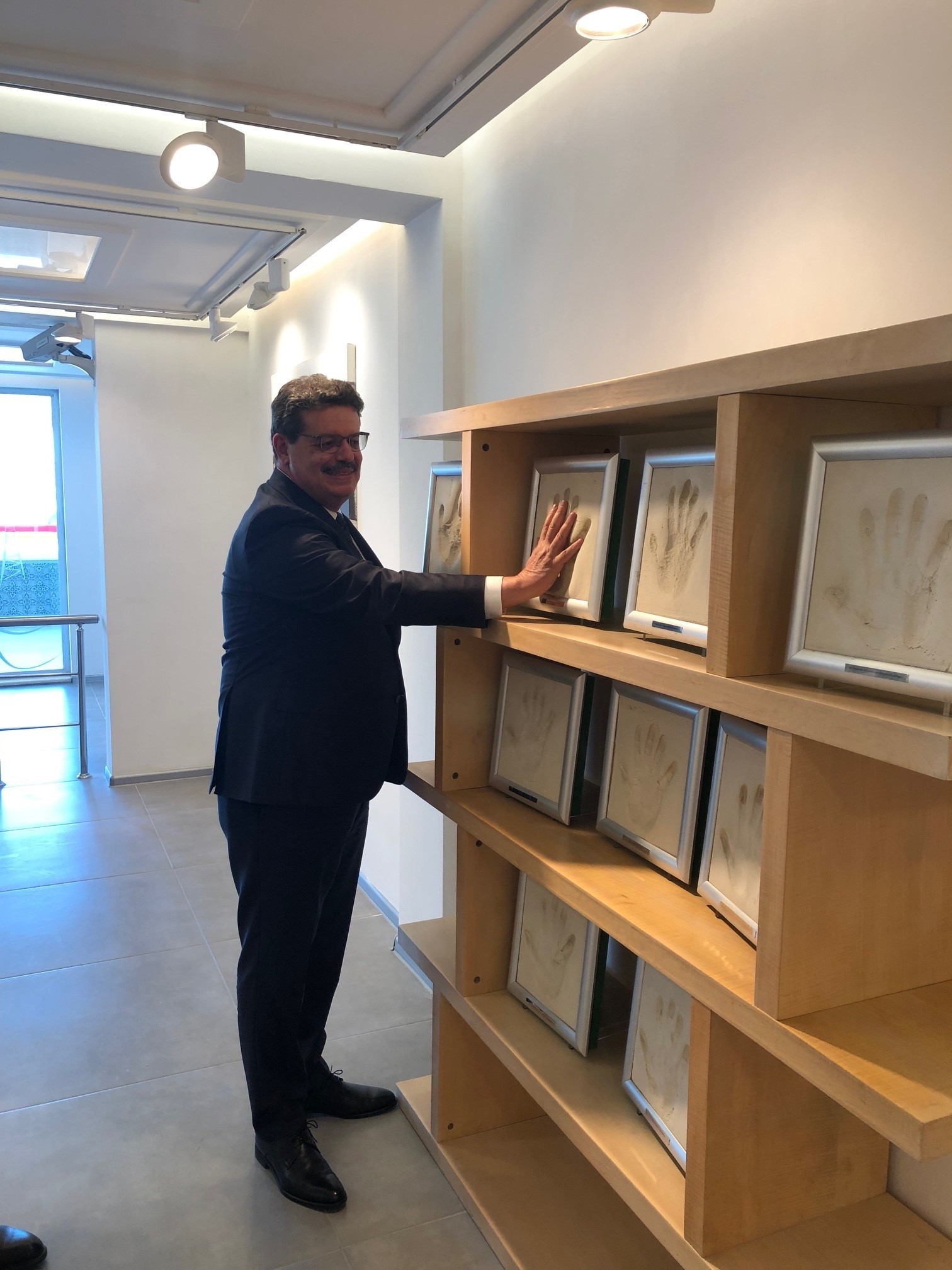
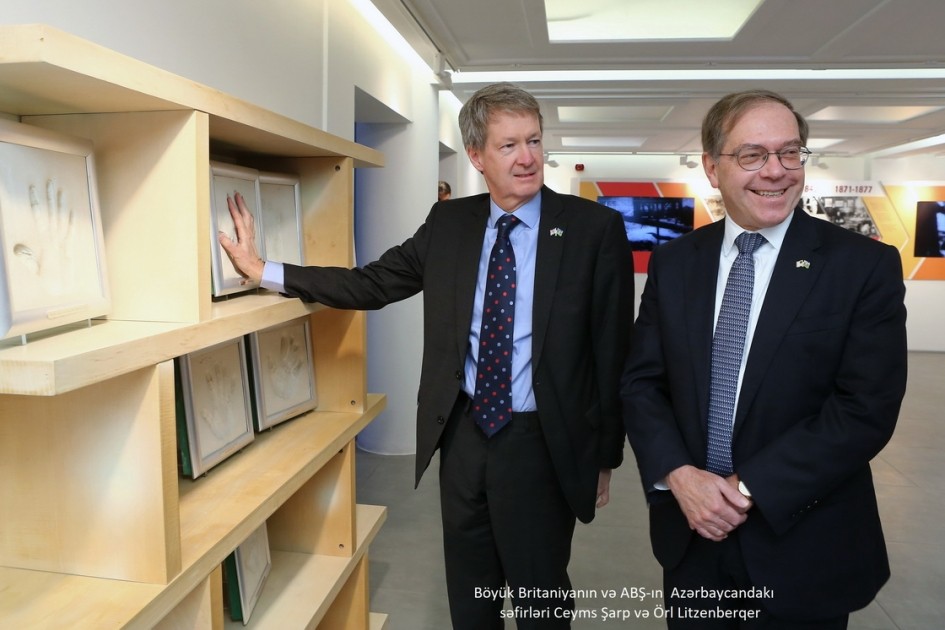
British Ambassador James Sharp and US Ambassador Earl Litzenberger
These handprints became the symbol of Caspian Energy Center and the most exciting part of the terminal visits relate to the iconic handprints.
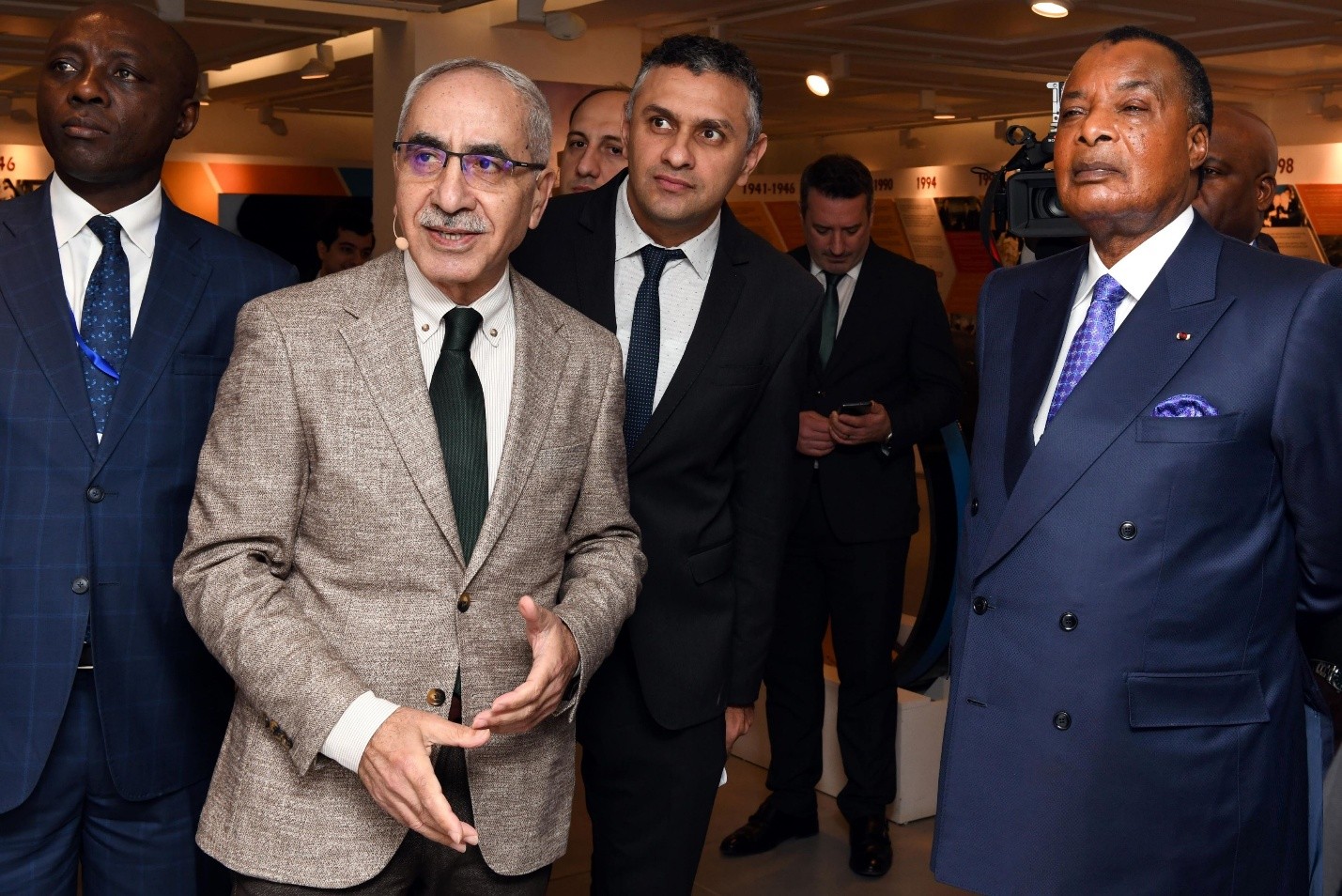
President of the Republic of the Congo, Denis Sassou Nguesso
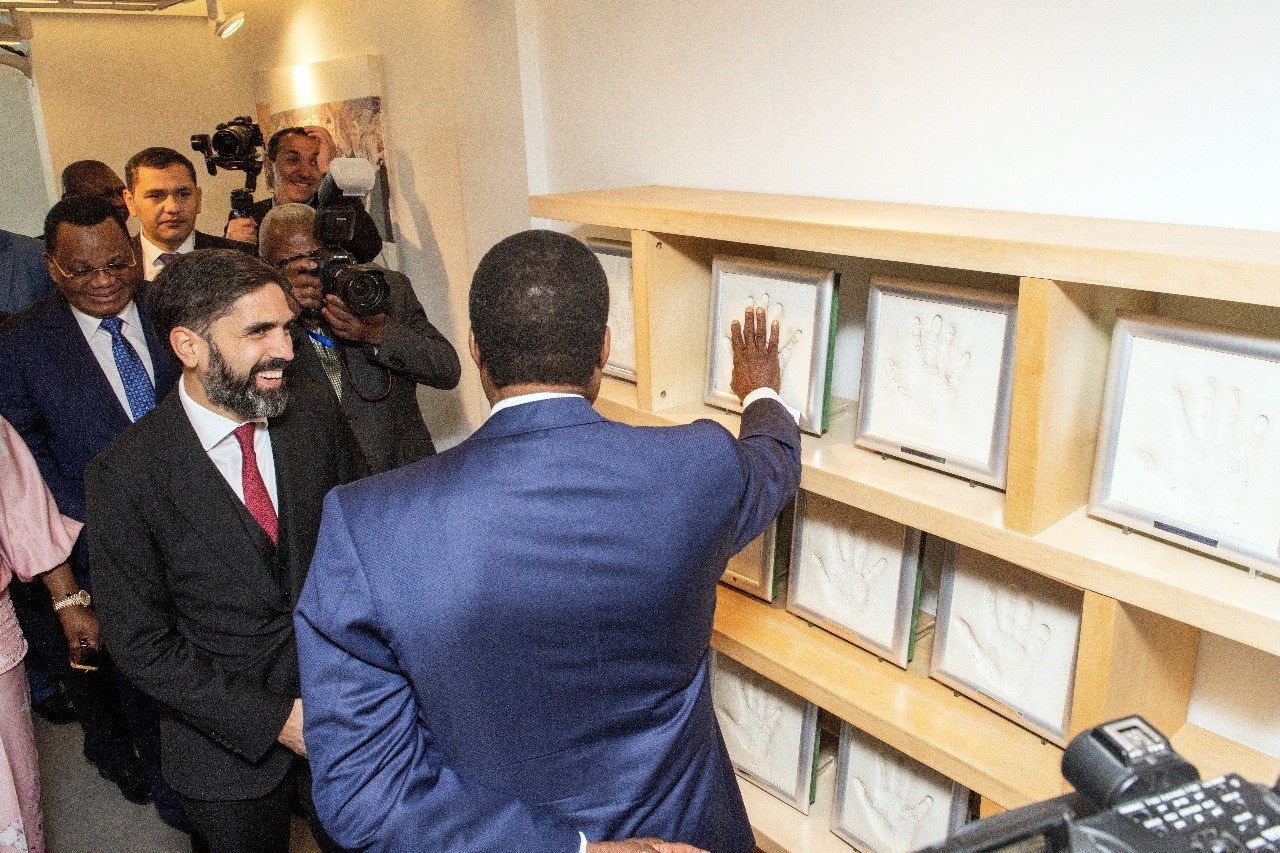
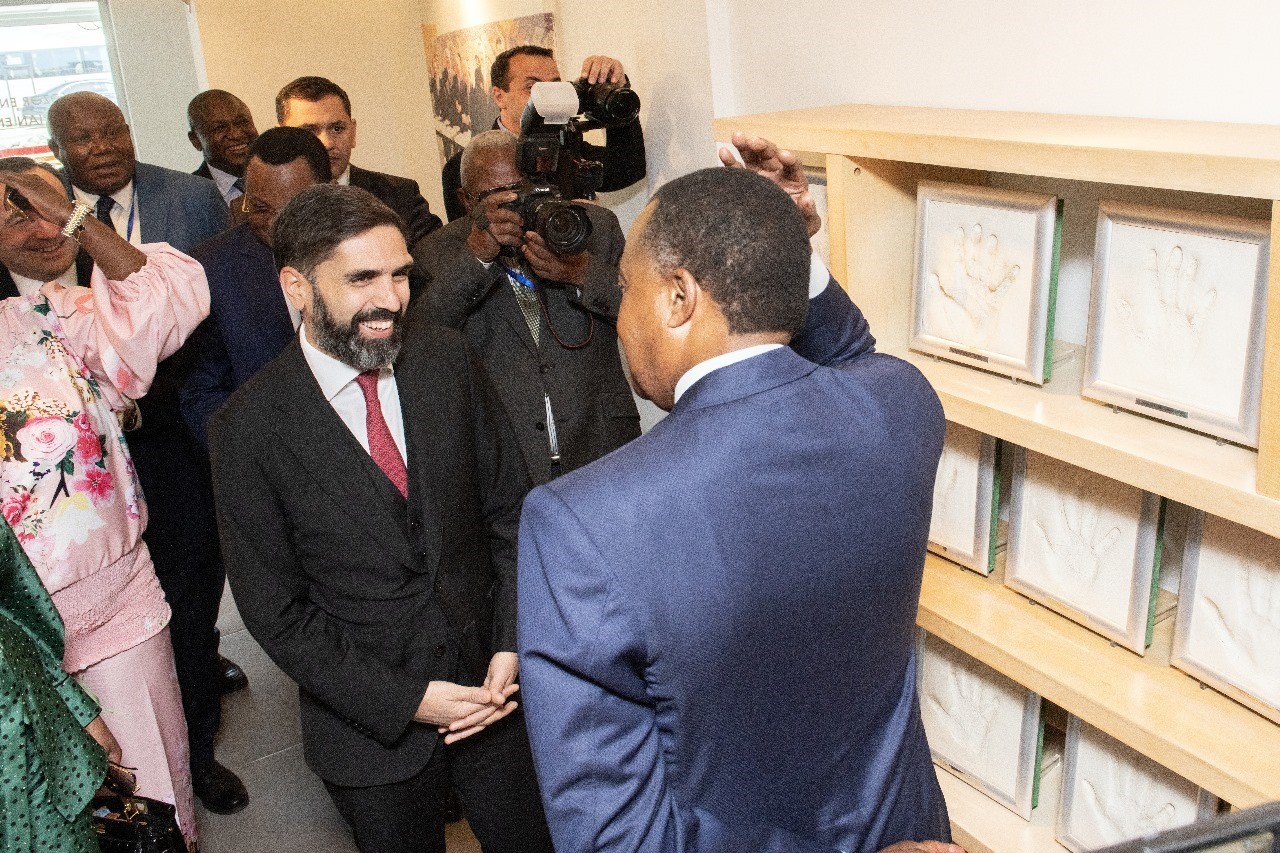
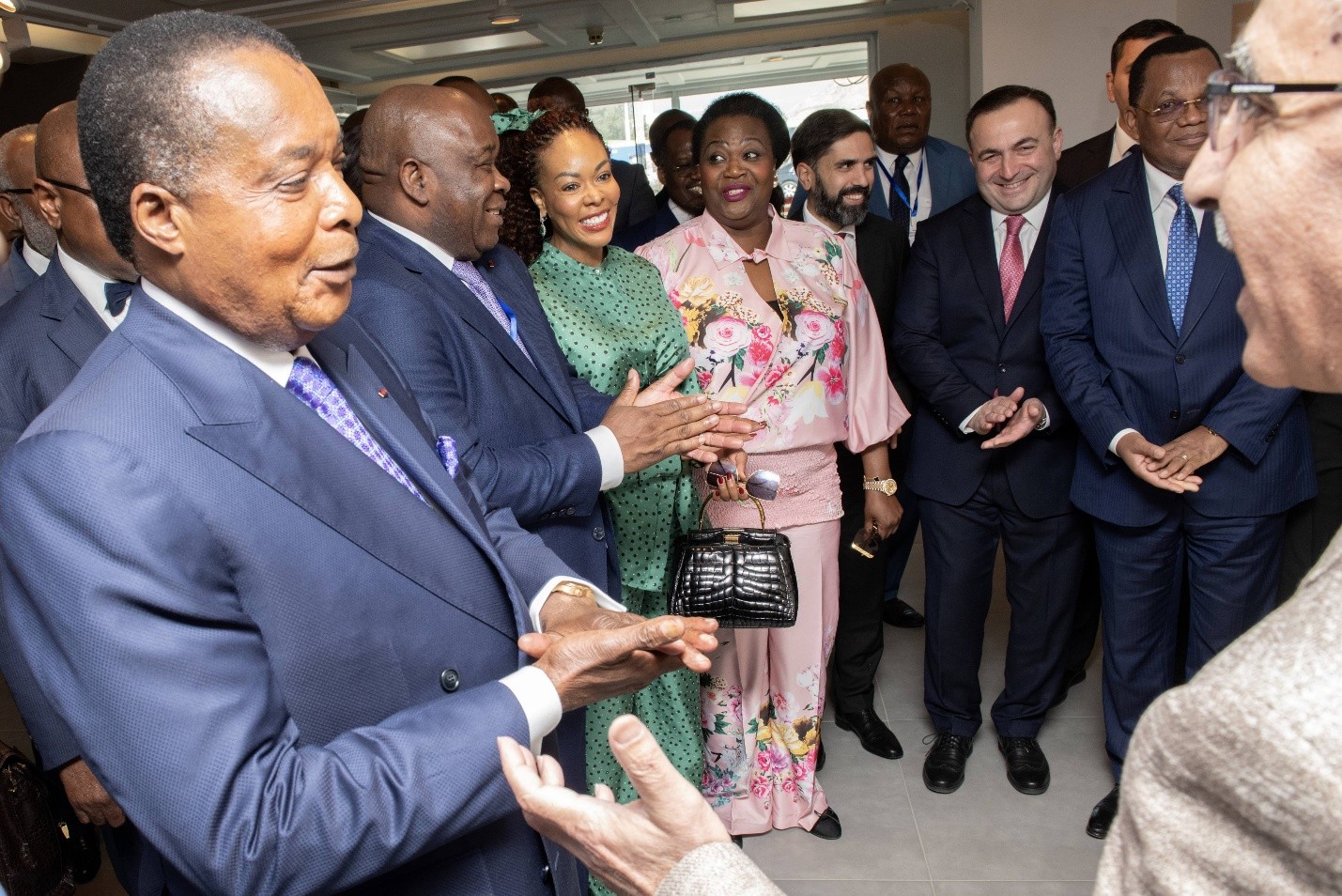
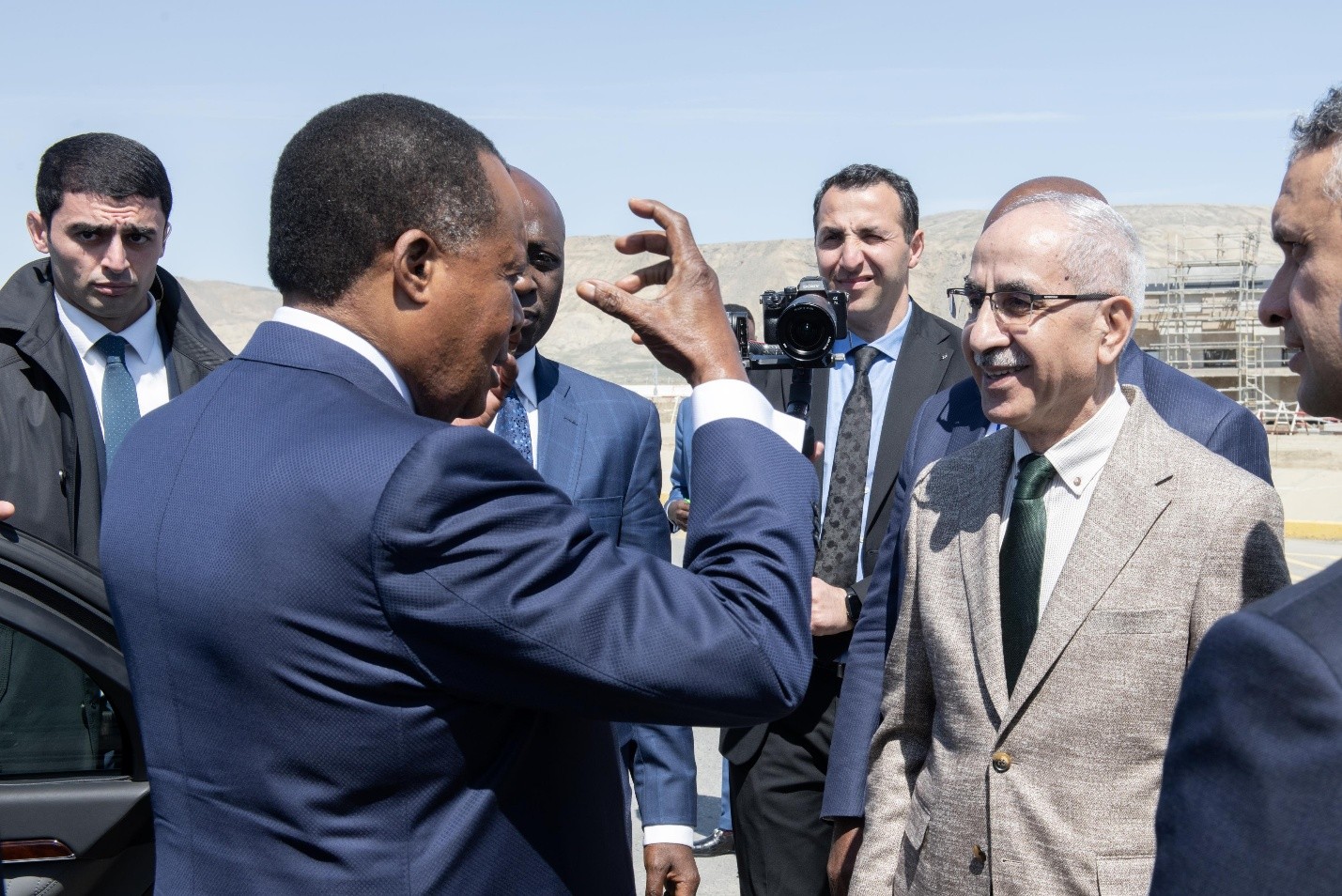
Among the many distinguished guests, I have had the honour of hosting at Sangachal Terminal, the 2024 visit of Denis Sassou Nguesso, President of the Republic of the Congo, stands out as the most memorable, who was very keen to hear and see Azerbaijan’s tremendous successes firsthand.
I briefed him about President Ilham Aliyev’s success stories, including a symbolic representation of Azerbaijan’s pivotal role in the success of creating a critical new source of supply, meeting the energy demands of vast oil-hungry regions in the West, one that required deep understanding of the intricate intersections of business, politics, and technology.
Hearing this, Congolese President Sassou Nguesso, placed his right hand on the brick with Ilham Aliyev's handprint and pulled it on his head. All guests and accompanying officials warmly applauded President Denis Sassou Nguesso for his sincere gesture, commending Azerbaijan’s remarkable achievements.
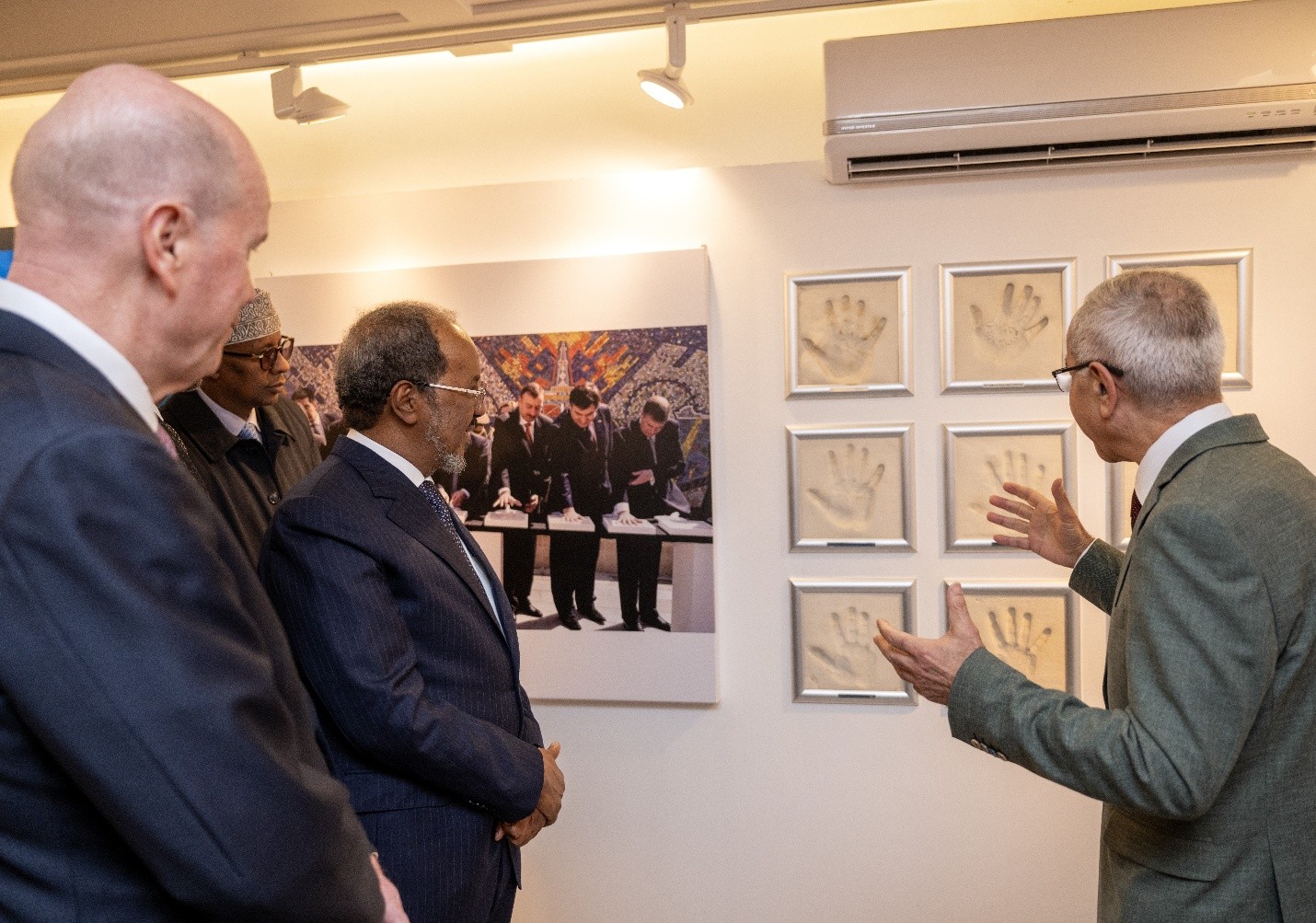
President of Somalia, Hassan Sheikh Mohamud
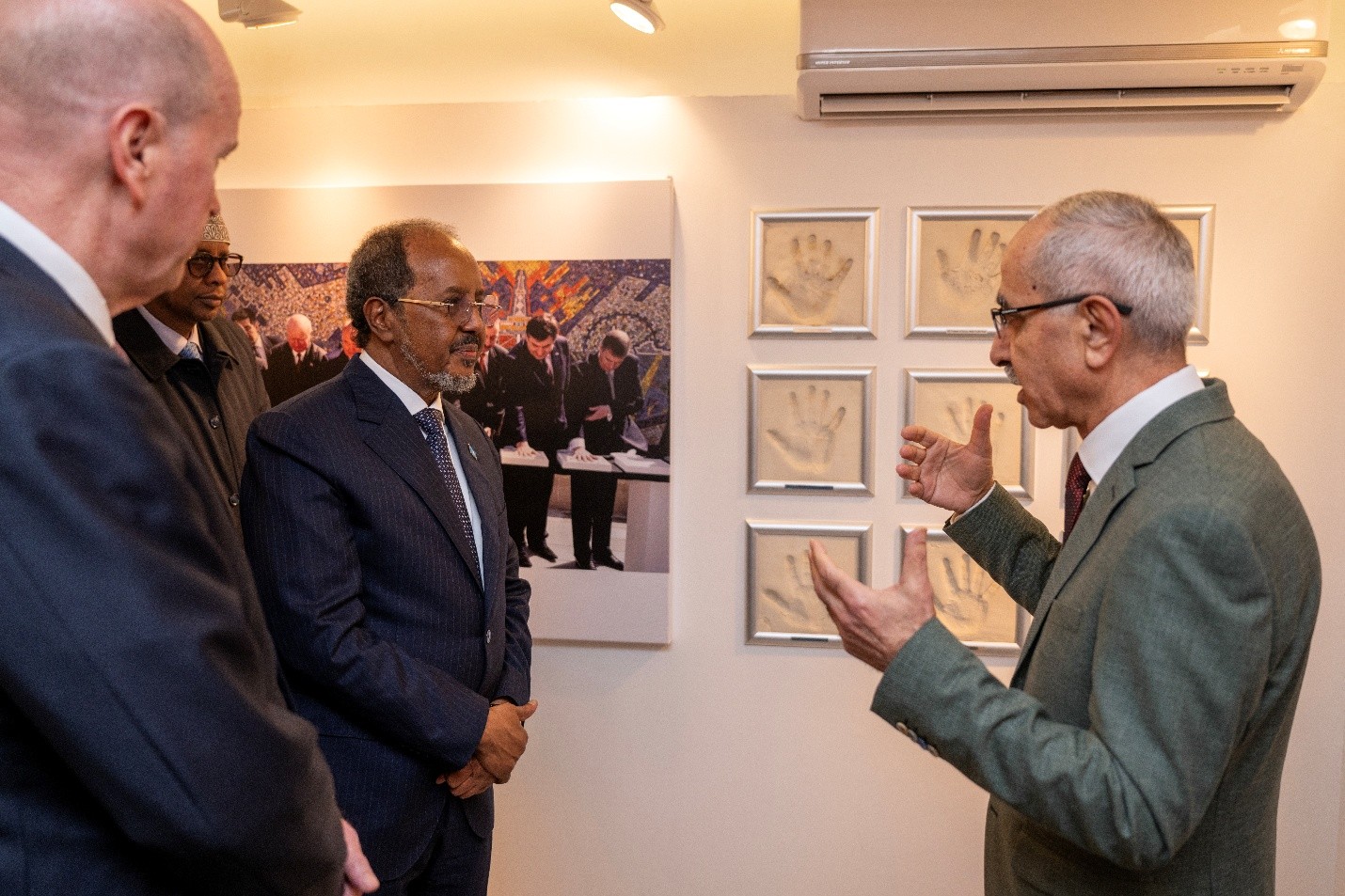
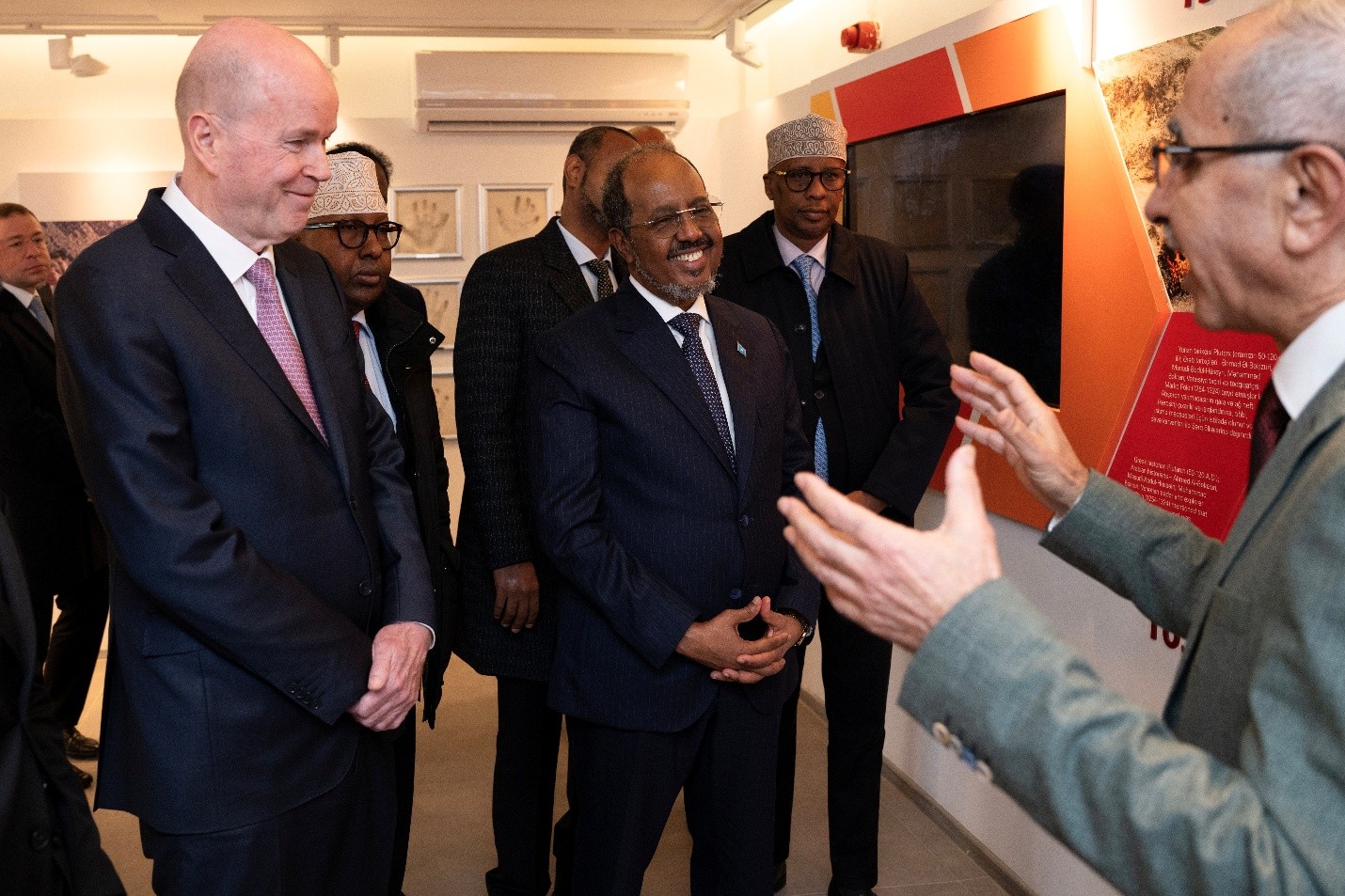
I witnessed another instance of such keen interest in symbolic handprints reflecting Azerbaijan’s success stories during the 2025 visit of President of Somalia, Hassan Sheikh Mohamud, to Sangachal terminal.
President Mohamud saw in Azerbaijan’s lasting achievements a source of inspiration for Somalia’s future. As I recounted the well-known expression connected to Ilham Aliyev’s handprint, he reacted with genuine admiration, exclaiming “Mashallah” with conviction.
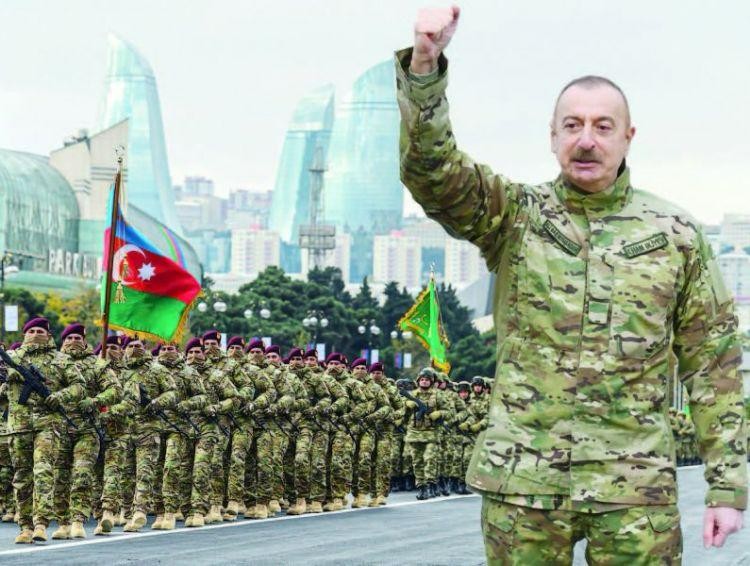
Thus, the handprint placed by Ilham Aliyev at Sangachal Terminal evolved into an iron fist, demonstrating the military strength of Azerbaijan and the determination of its people, who secured a historic victory in the 44-day Patriotic War. It stands as a compelling testament to how a symbolic gesture can transform into a manifestation of national power.
Other news in this section


