Novel by Aziza Jafarzade "Baku 1501" published in English in Sweden

Stockholm, December 24, Nargiz Jafarli, AZERTAC
On December 15, in Sweden, the publishing house Lava released in English the work of the distinguished Azerbaijani writer, Doctor of Philological Sciences, translator, and professor Aziza Jafarzade, whose creativity is marked by pronounced patriotic themes and deep respect for historical heritage.
The translation and editorial preparation of the edition were carried out by Azerbaijani scholar residing in Sweden, Associate Professor at the University of Gothenburg, Doctor of Sciences Saadat Karimi. The book was published at the request of the writer’s son, Turan Ibrahim. The cover design, reflecting the spirit of the work, was created by the artist Fuad Tahir Manafov, whose oeuvre includes numerous pieces dedicated to old Baku.
The novel “Baku 1501” portrays events of the early 16th century—a period when Azerbaijan already existed as a historical and political reality. It depicts the wars and religious conflicts of that time, the rise of the Safavid dynasty, the Qizilbash army’s campaign on Shamakhi and the Baku fortress, as well as the multifaceted image of the first Safavid ruler, Shah Ismail Khatai, presented as a sovereign, commander, and poet.
This new edition opens for European readers one of the key chapters of Azerbaijan’s history and offers an opportunity to explore the artistic heritage of a writer whose name holds a special place in national literature. In January, Lava publishing house plans to hold an official presentation of the book for the general public.
AZERTAC contacted three participants of the project to learn more about the work on the book and its release to an international audience.
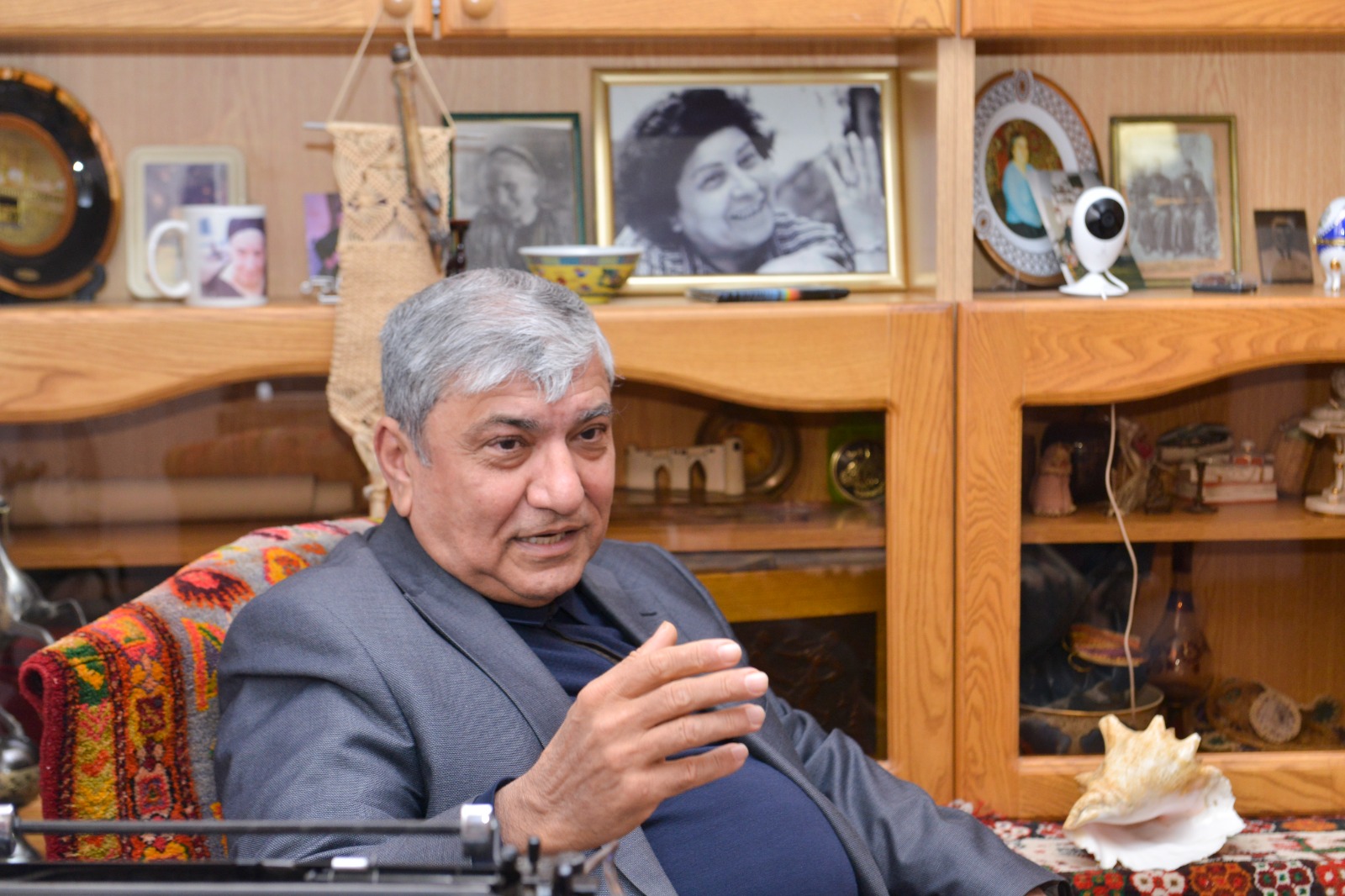
Turan Ibrahim: The news of my mother’s novel being published in English in Sweden greatly pleased me. I would like to highlight that Saadat Khanum has repeatedly organized events dedicated to Aziza Jafarzade’s creativity. In 2021, during a visit to the Aziza Jafarzade house-museum in Baku, she openly expressed her intention to translate “Baku 1501” into English. At that time, it seemed a sincere wish, and today we see its realization.
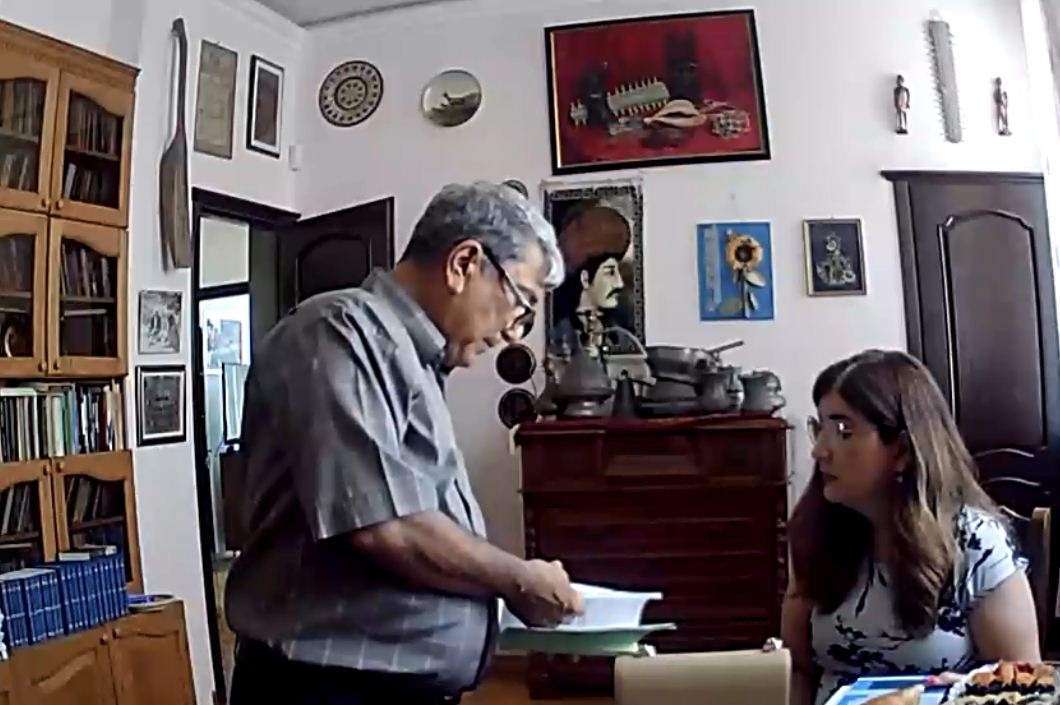
The visual image of the covers is based on two works by Fuad Tahir Manafov, which complement the artistic concept of the edition. This is already the fifth book by Aziza Khanum whose covers he has designed.
“Baku 1501” is perhaps the most criticized, yet also one of the most frequently published, praised, and beloved works of Aziza Khanum. I believe this is what gives it its unique literary fate.
When preparing the book for its first edition, the “Yazıchı” publishing house submitted it for review to our prominent historian, academician Ziya Bunyadov. He highly appreciated the novel and supported its publication, an important professional recognition for the author.
The work was first published in 1981 with a print run of 40,000 copies. Following the book “Aləmdə səsim var mənim,” it marked a new stage in the writer’s career and brought her wide recognition.
Since 2015, the novel has been published in Azerbaijan by various publishers, and since 2016, on a permanent basis by “KHAN” publishing house, continuing to be released in Azerbaijani and Russian. In 1989, it was published in Russian with a print run of 50,000 copies. Between 2019–2021, it was published twice in Iran in Azerbaijani using the old alphabet, and in 2023, in Türkiye.
In 2022, on the initiative of the late deputy, journalist, and socio-political figure Ganira Pashayeva, the book was published in Uzbekistan in Uzbek, with Ganira Khanum personally visiting the country for the edition’s presentation.
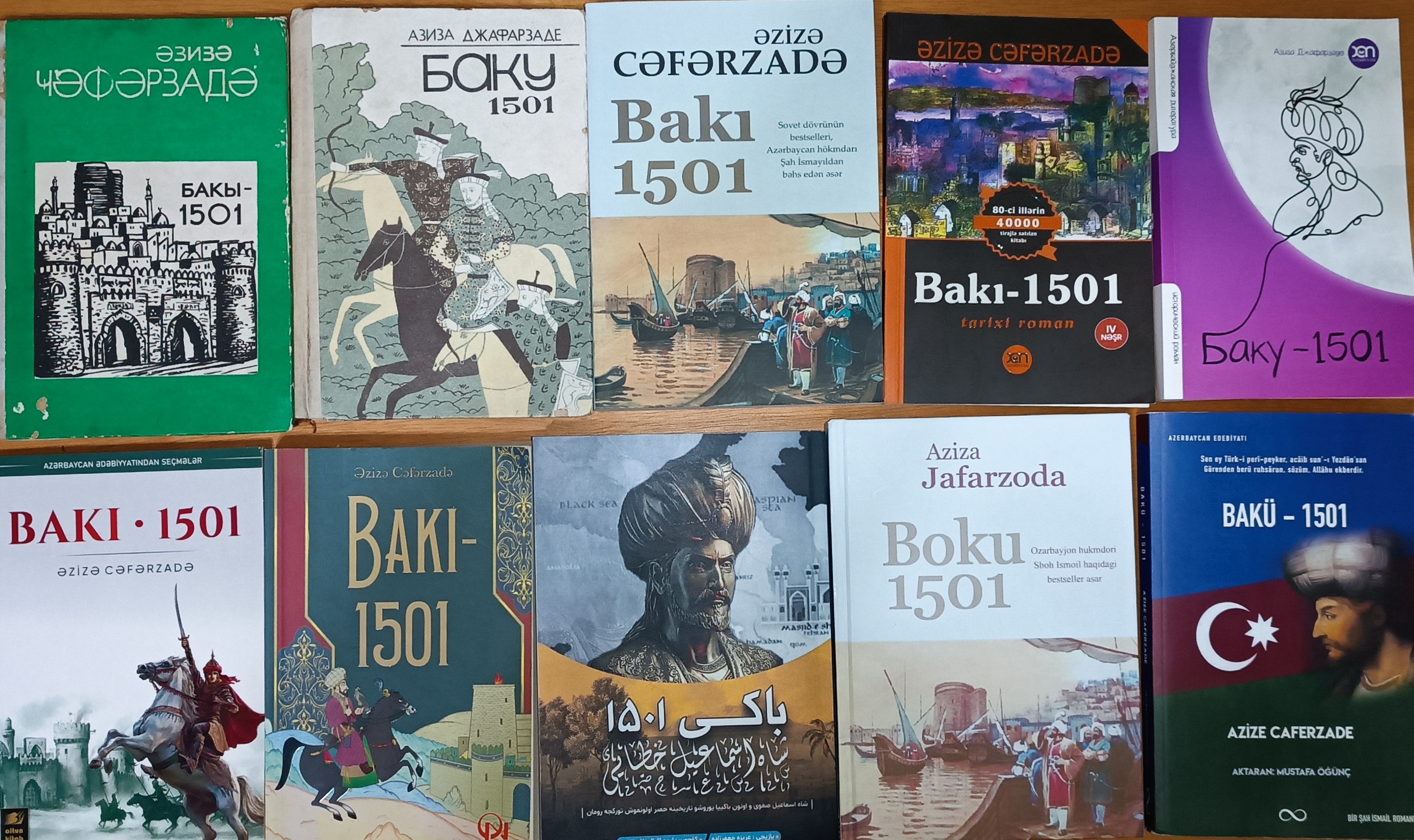
I would also note that the novel was published in Azerbaijani in a simplified form for children. Additionally, the work has been translated into Arabic in Egypt, where a scientific study has been written based on it. Although the Arabic translation is fully prepared, it has not yet been published, and we are currently seeking a publisher.
Saadat Karimi: I tried to preserve all key terms used by Aziza Jafarzade and the outstanding poets represented in the novel—Khatai, Nasimi, and Fuzuli. For the convenience of European readers, explanations of these terms are provided in parentheses and footnotes.
I am confident that the clarity of the language and style of “Baku 1501,” the originality of the author’s writing, and the internal dynamics of the events and plot lines, saturated with national and ethnic content, will deeply impress European readers.
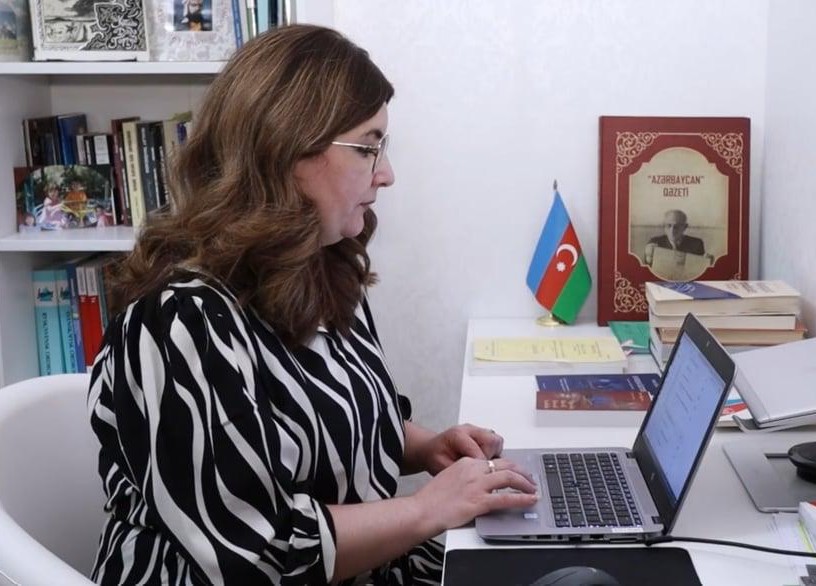
Through this captivating work, European readers can travel to a pivotal period of Azerbaijan’s history and imaginatively participate in numerous events. Aziza Jafarzade presents history not merely through facts and documents but imbues it with the living breath of the era. The novel offers a complete and expressive picture of the time, in which the main lines of the nation’s ethnographic memory are vividly outlined.
With her inherent artistic imagination, the author constructs both the natural landscape and historical panorama of the era, consistently emphasizing Azerbaijani patriotism and the significance of the Azerbaijani language.
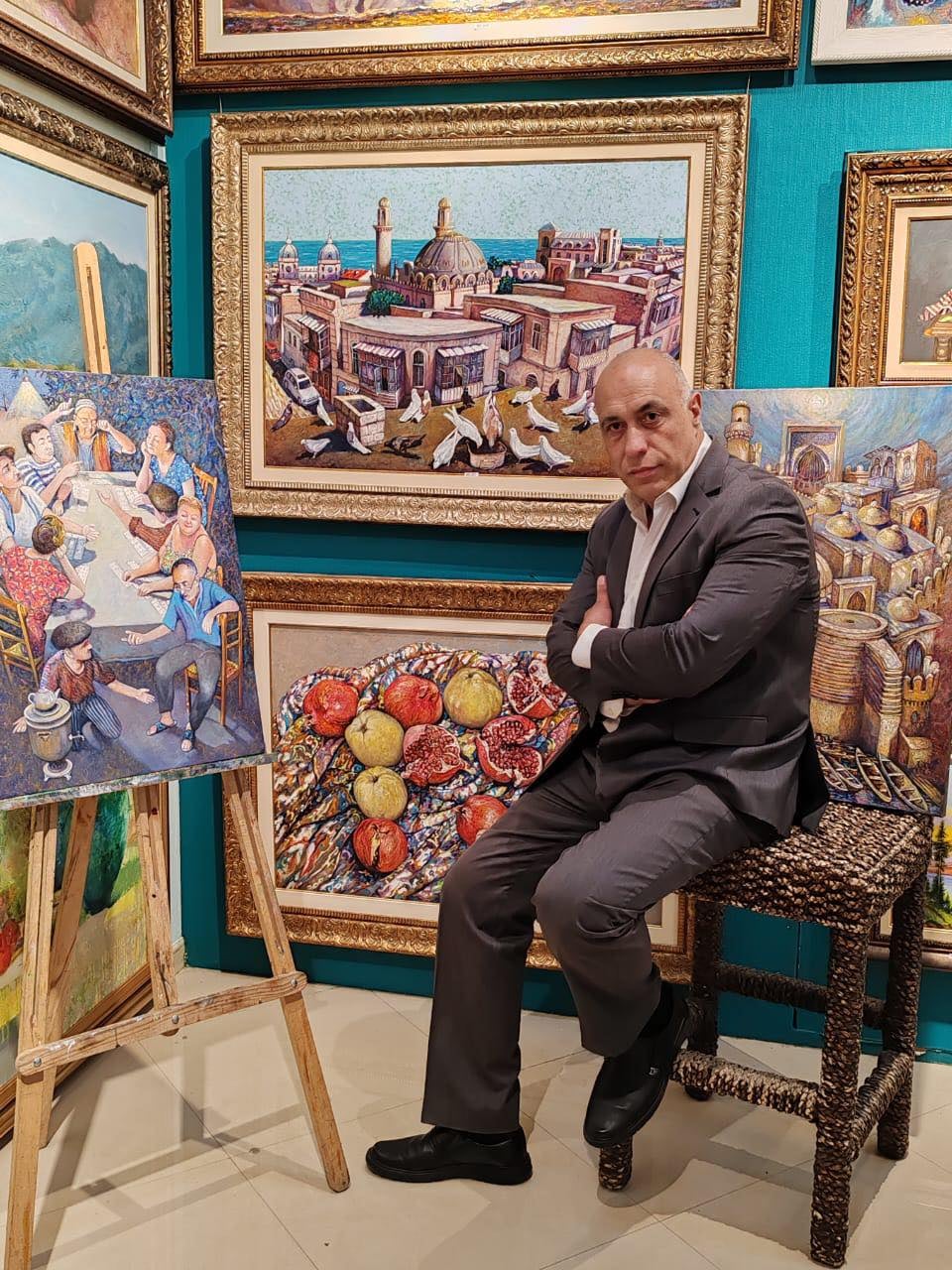
Fuad Tahir Manafov: For a long time, the Fund for Research of National Cultural-Historical Heritage has entrusted me with the reworking and artistic design of Aziza Khanum’s novels, including “Səyyah,” “Cəlaliyyə,” “Aləmdə səsim var mənim,” and “Vətənə qayıt.”
Book design is both interesting and highly responsible. Even if a novel, story, or essay is rich in content, the artistic design is crucial in forming the reader’s first impression.
The first contact a reader has with a book is through its cover. The artist conveys a hidden message about the work, which can accompany the reader throughout the experience.
The struggle for power, secret palace intrigues, confrontations with enemies, love for the land and the Motherland, and key historical events are all conveyed in “Baku 1501” with mastery, which I aimed to reflect in the cover painting.
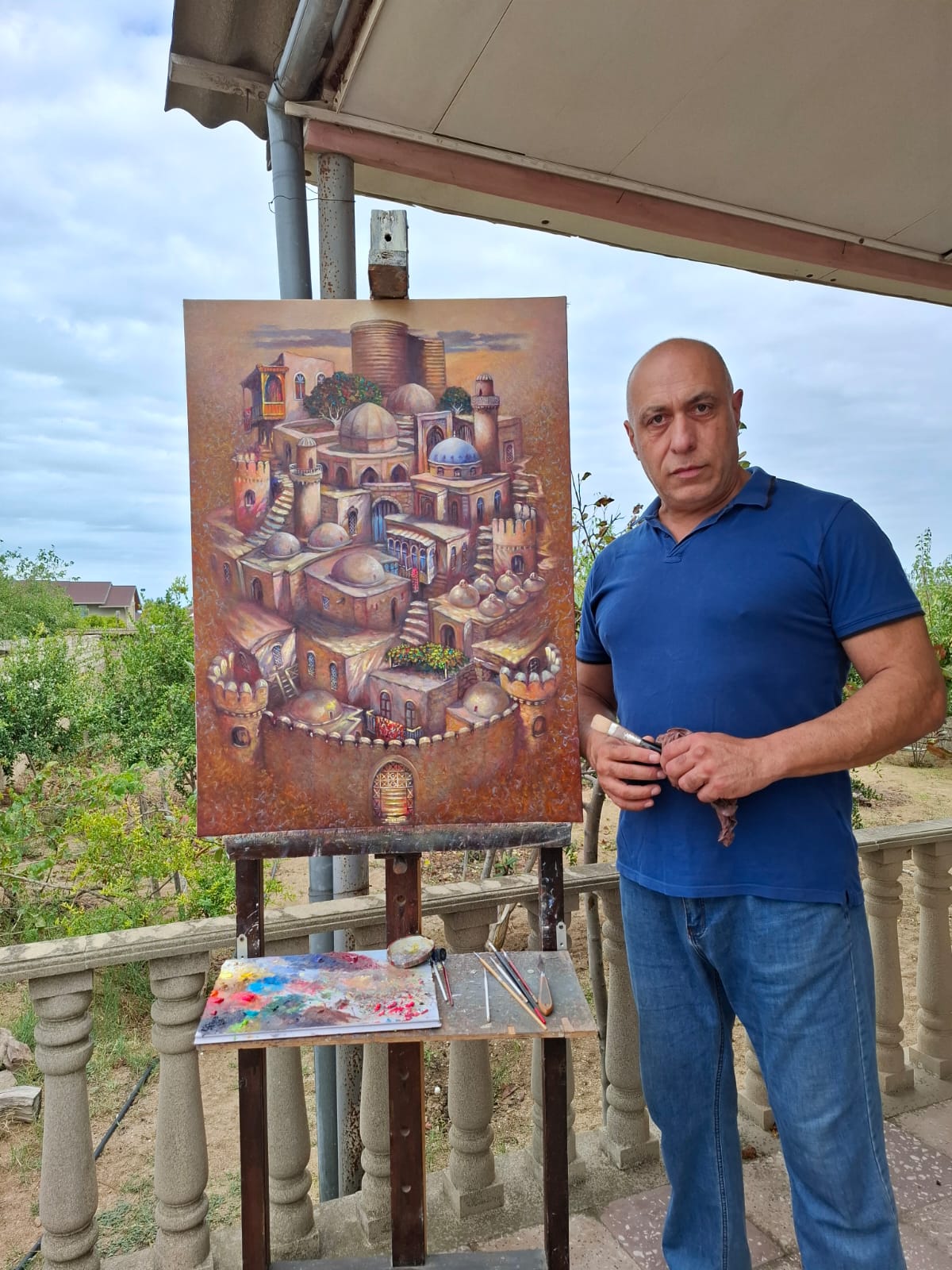
The painting on the back of the book is titled “Gates of the East,” also known as “The East.” The composition depicts the Eastern Gates of Icherisheher. Since the gates face east, this name became associated with them. The vertical composition is characteristic of Eastern architectural style.
Aziza Khanum’s historical novels are written in clear, fluid language, allowing readers to easily immerse themselves in the events. “Baku 1501” is no exception, which is why I accepted the task of designing another of her novels with sincere interest and professional enthusiasm.
Other news in this section


