WUF13 highlights implementation of digital city solutions in Namibia and Ukraine
Baku, May 22, AZERTAC
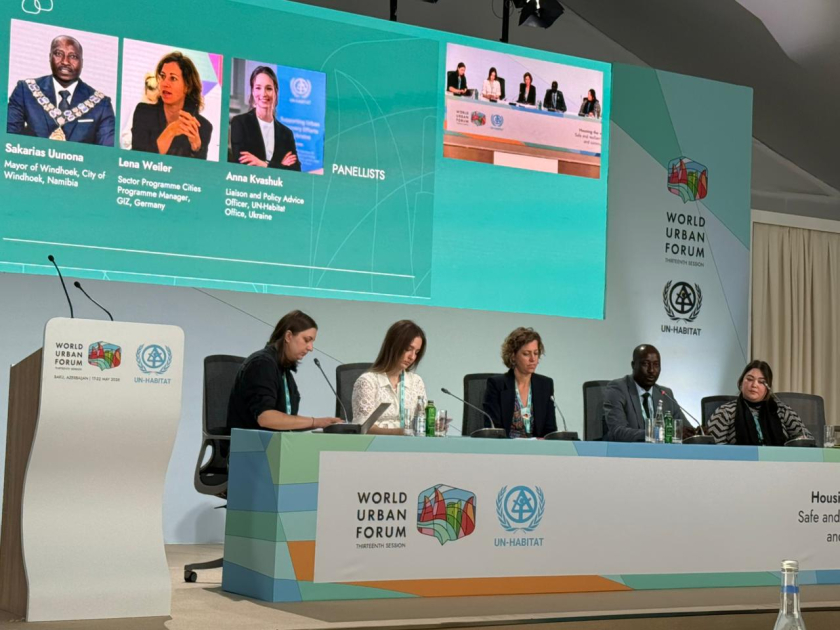
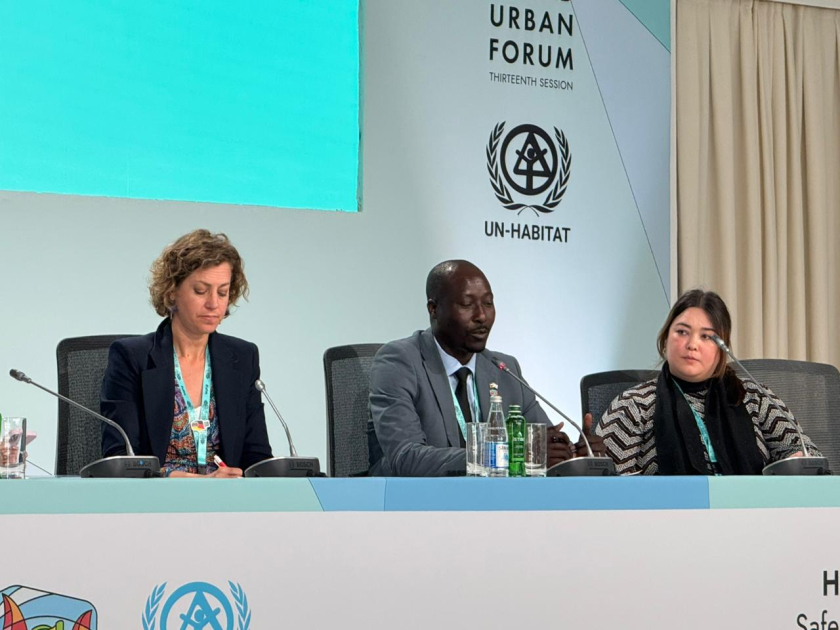
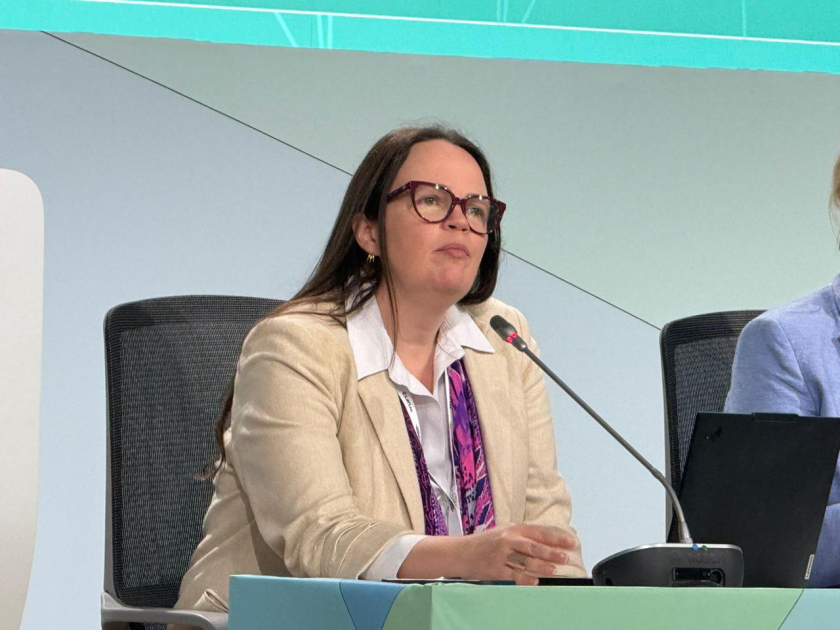
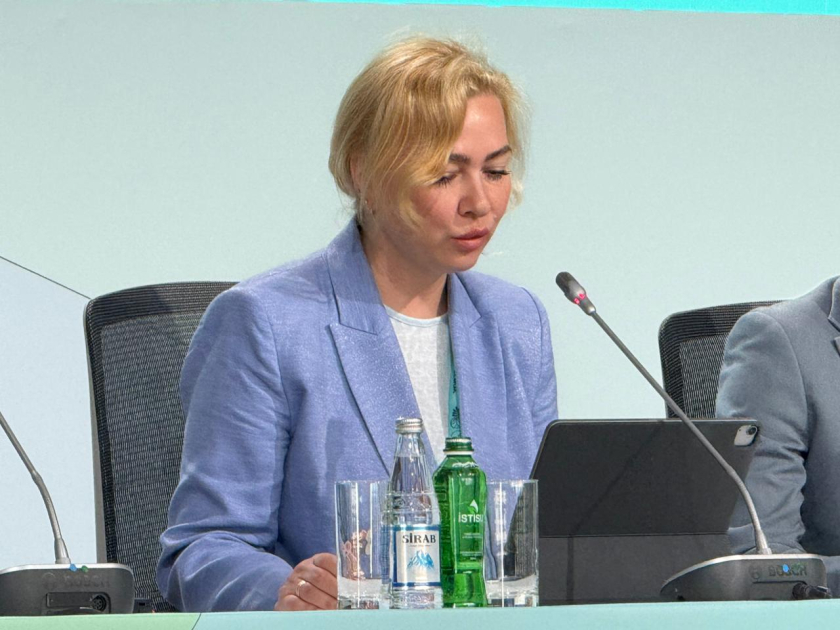
An event titled “Just Transitions in Practice. Co-Creating Digital Tools for Informality and Crisis” was held as part of the 13th Session of the UN World Urban Forum (WUF13).
The event featured discussions on housing and urbanization challenges in modern cities, focusing experiences from Africa and Europe.
The event presented the outcomes of a three-year BMZ-funded project implemented by UNITAC-Hamburg in Namibia and Ukraine. It showcased digital tools tailored to local contexts, demonstrating scalable digital urban interventions, highlighting collaboration modalities tested during implementation, and reflecting on the project’s long-term impact and sustainability model.
The project exemplified effective cooperation between UNITAC-Hamburg and the UN-Habitat Ukraine Urban Lab, enabling robust data collection and integration of digital platforms into municipal planning frameworks.
Participants learned about practical digital tools co-created with local governments, including the Digital Job Card and the Urban Recovery Planning System.
The session also presented feasibility studies from Namibia and Ukraine that feature innovative digital solutions aiming to support urban informality management and future post-war recovery.
In Namibia, partnerships spanned all government levels: nationally, strengthening data management and image-processing capacity within the Namibian Statistics Agency to profile informal settlements; locally, developing a Smart City Strategy with the City of Windhoek and piloting the Digital Job Card with Rehoboth and Rundu town councils.
Implemented in radically different settings, the project generated insights into managing urban informality, mitigating climate impacts, ensuring equitable access to basic services, responding to displacement, and addressing other globally relevant urban challenges.
Other news in this section


