Washington hosts event on “Cholpon-Ata Summit and Next Steps for Trans-Caspian Cooperation”
Washington, August 14, AZERTAC
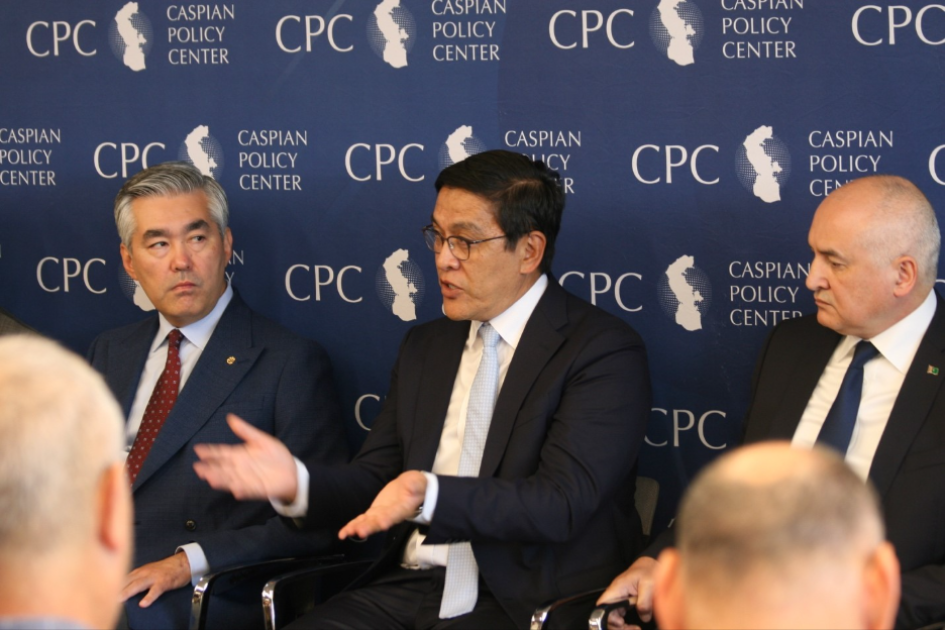
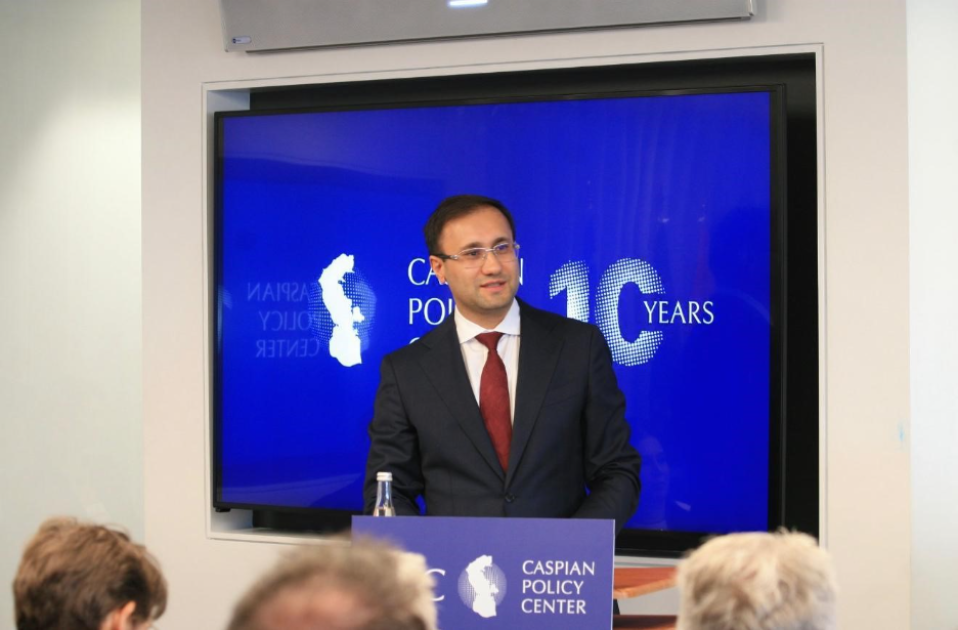
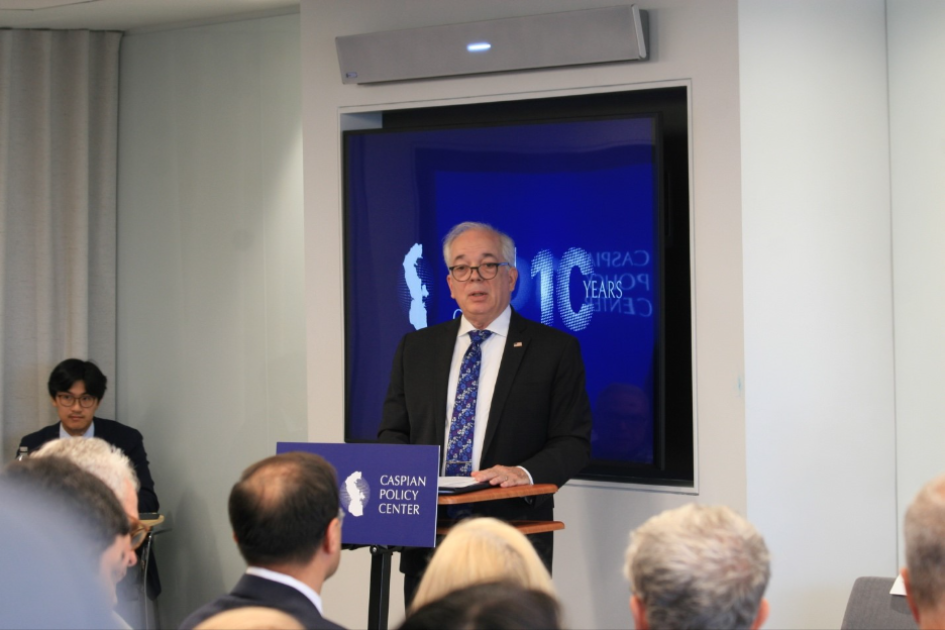
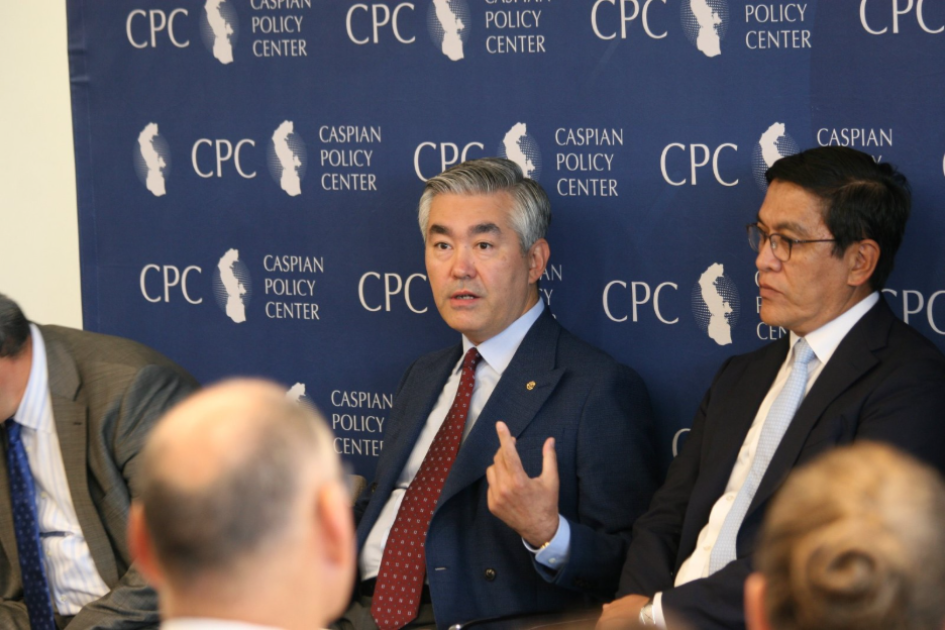
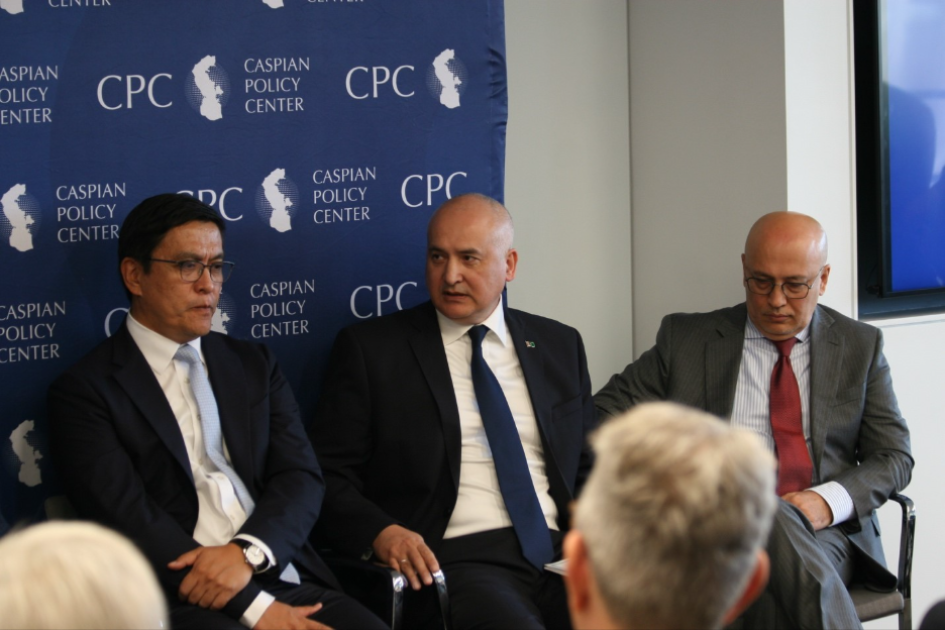
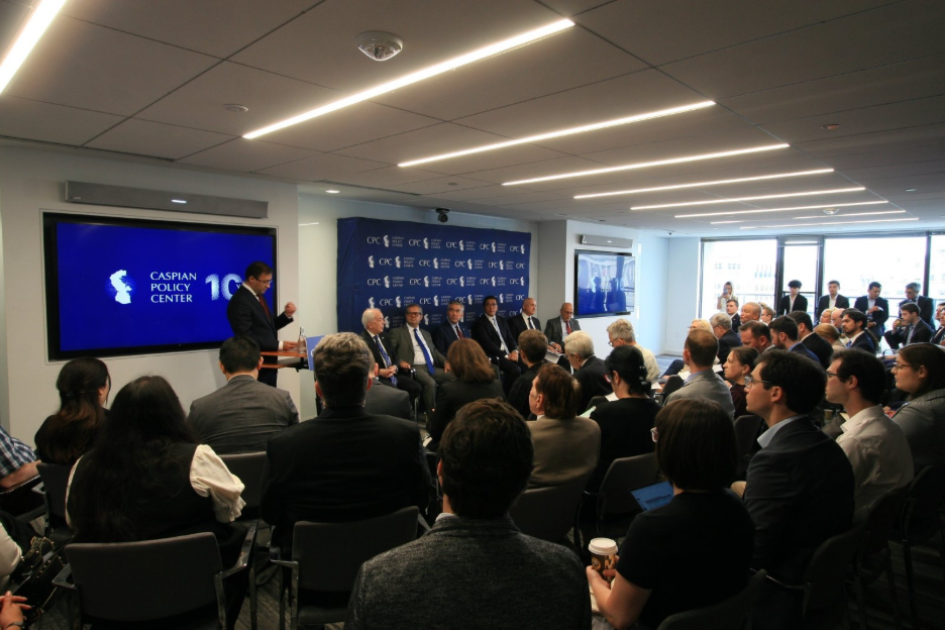
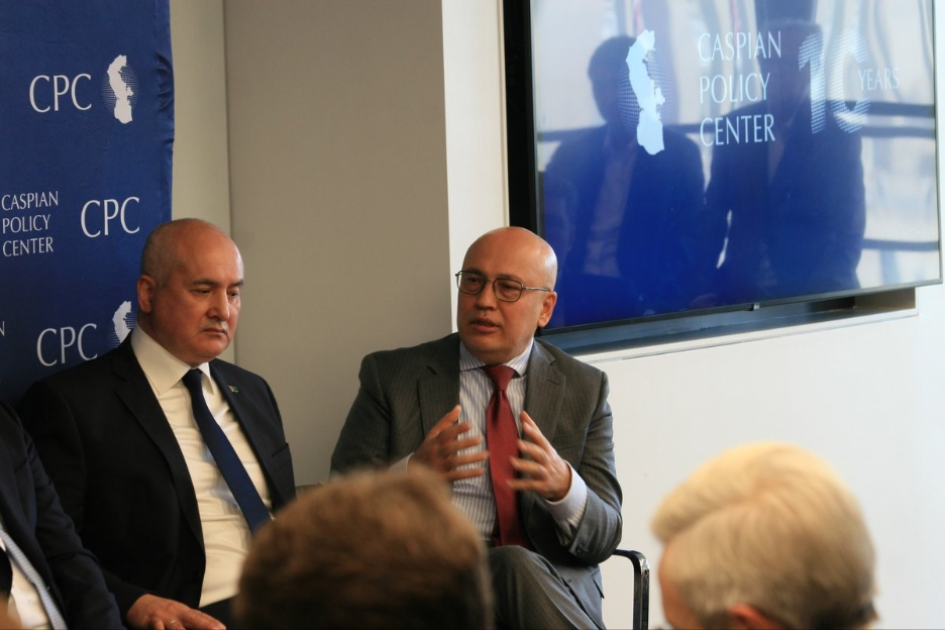
The Caspian Policy Center (CPC) hosted a roundtable discussion on the theme "From Dialogue to Delivery: The Cholpon-Ata Summit and Next Steps for Trans-Caspian Cooperation."
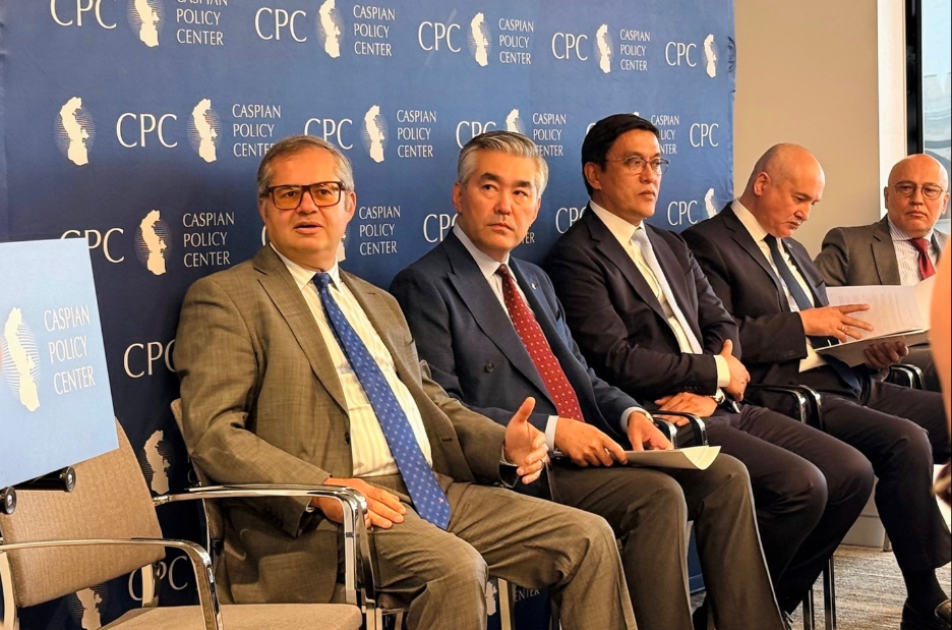
The event brought together regional and U.S. diplomats, policy experts, academics, and business leaders to explore the future of U.S.-Caspian cooperation.
The discussion featured speeches by Khazar Ibrahim, Ambassador of Azerbaijan to the United States; Magzhan Ilyassov, Ambassador of Kazakhstan to the United States; Edil Baisalov, Ambassador of the Kyrgyz Republic to the United States; Esen Aydogdyyev, Ambassador of Turkmenistan to the United States; and Furqat Sidiqov, Ambassador of Uzbekistan to the United States.
CPC President and Chief Executive Officer Efgan Nifti opened the event with welcoming remarks. He noted the region’s transformation from one marked by border disputes, political tensions, and regional concerns to one increasingly defined by dialogue and cooperation, observing that, as demonstrated at the Cholpon-Ata Summit, “the conversation has changed.”
Nifti emphasized Azerbaijan’s growing role in Central Asia’s economic development, noting that “Azerbaijan, once viewed as an external partner, has quickly become an integral part of Central Asia’s broader economic agenda and is a natural gateway linking the Caucasus region to European markets.” He also underscored the important role of the United States in supporting regional stability, highlighting the Trump administration’s leading role in advancing peace between Armenia and Azerbaijan.
Following the opening remarks, CPC Senior Fellow Dr. Eric Rudenshiold launched the moderated discussion by addressing the region’s evolving geopolitical landscape. Rudenshiold described the Cholpon-Ata Summit as “another opportunity and step in this remarkable evolution of relations between the five Central Asian states and Azerbaijan.” He noted that political dialogue among the C6 countries has become increasingly “routinized,” reflecting a growing degree of regional engagement and coordination.
Azerbaijani Ambassador to the United States Khazar Ibrahim underscored the importance of regional agency and unity in shaping the future of the C6 framework. He described the Cholpon-Ata Summit as a reflection of the region’s growing cohesion. He also highlighted Azerbaijan’s role in strengthening the region’s connectivity, noting that it would bring not only greater diversity to the C6 framework but also “practical results.”
Ambassador of Kazakhstan to the United States Magzhan Ilyassov emphasized Kazakhstan’s interest in strengthening regional economic ties and connectivity, noting that the development of an “economically active neighborhood” is a key priority. He specifically highlighted the importance of regular regional dialogue: "We meet on different platforms regularly, and the meetings include almost all of the five Central Asian republics. We’re talking and no one is excluded. That’s important.”
Ilyassov also underscored the growing importance of external interest in Central Asia, noting that the region’s future development will depend not only on its own priorities but also on sustained engagement from international partners. Looking ahead, he expressed hope that the Central Asian and Caspian regions will continue to receive the same level of attention, engagement, and support from the United States that they currently enjoy.
As the Cholpon-Ata Summit’s host country’s representative, Ambassador of the Kyrgyz Republic to the United States Edil Baisalov emphasized the growing importance of regional unity and how to achieve it. He argued that the Central Asian states are increasingly recognizing that they are “enough for each other” and that acting collectively and resolving internal differences independently is becoming a pragmatic national interest. Baisalov described this as a new geopolitical reality and highlighted the spirit of Cholpon-Ata as a commitment to preventing external powers from creating divisions or entanglements within the region.
Ambassador of Turkmenistan to the United States Esen Aydogdyyev stressed the evolving role of the Caspian Sea as a driver of regional connectivity, stating that “the Caspian is neither a limit nor a barrier. It is now a bridge that connects Central Asia with Azerbaijan.”
Ambassador of Uzbekistan to the United States Furqat Sidiqov described the Cholpon-Ata summit as a continuation of President Shavkat Mirziyoyev’s strategy of strengthening political partnerships across Central Asia. He characterized the region as “a political hub that provides new sustainable, predictable supply chains, which are free from conflict zones.” Sidiqov also underlined the importance of expanding Uzbekistan’s access to international markets, noting, “We need a new export market, and I think this platform with Azerbaijan is the beginning for us to be open to European and other markets.”
Following the discussions, attendees participated in an interactive Q&A session with the ambassadors, addressing regional cooperation, investment opportunities, and the future of U.S. engagement in Central Asia.
Other news in this section


