The Juma Mosque in Guba: A masterpiece of ancient architecture VIDEO
Guba, August 13, AZERTAC
The latest feature in AZERTAC’s “If I Were a Tourist” column highlights the Juma Mosque in Guba.
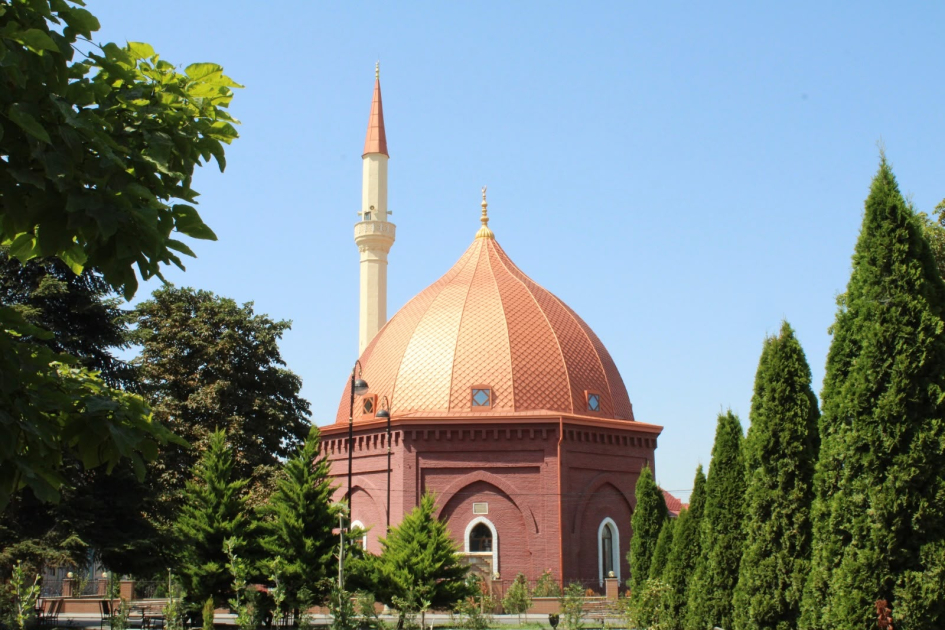
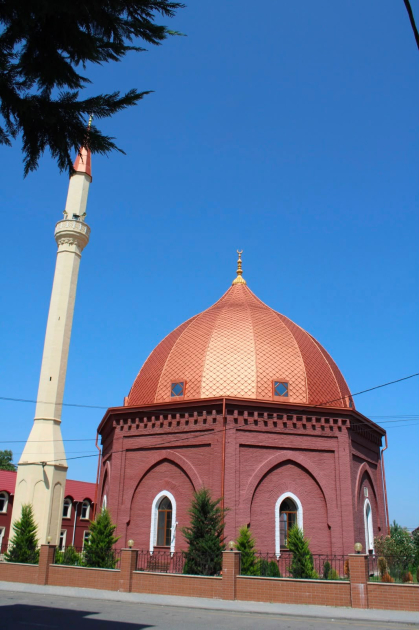
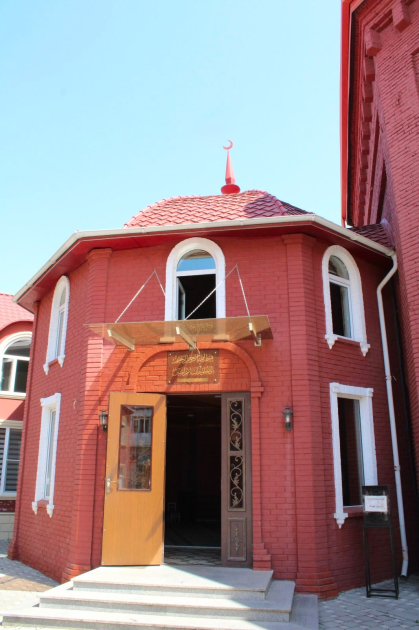
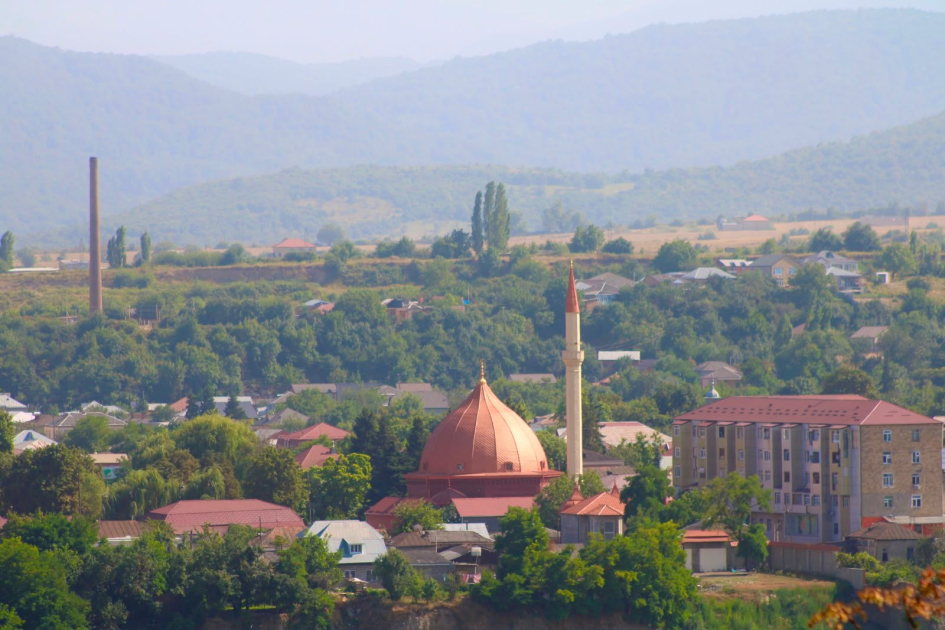
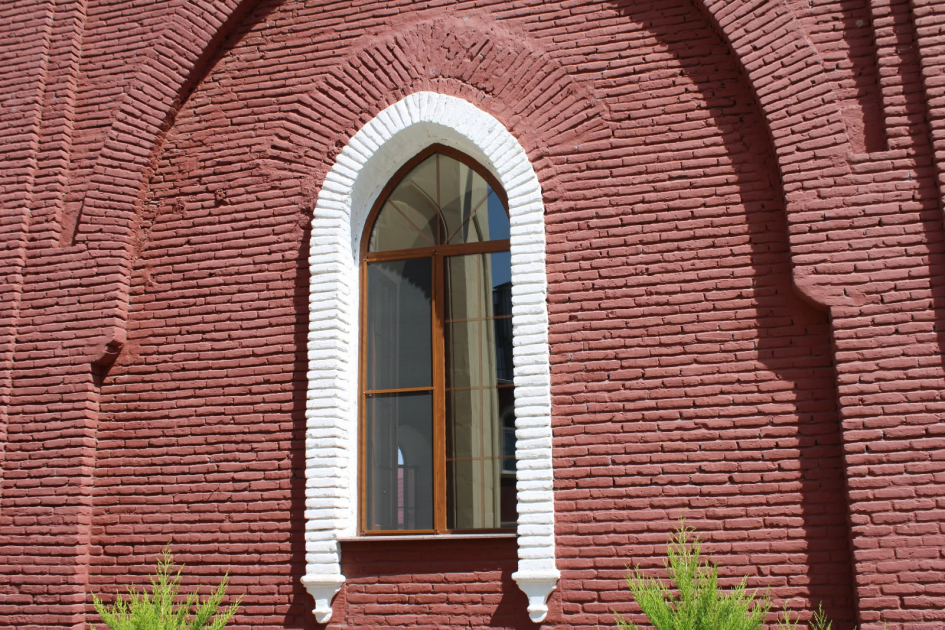
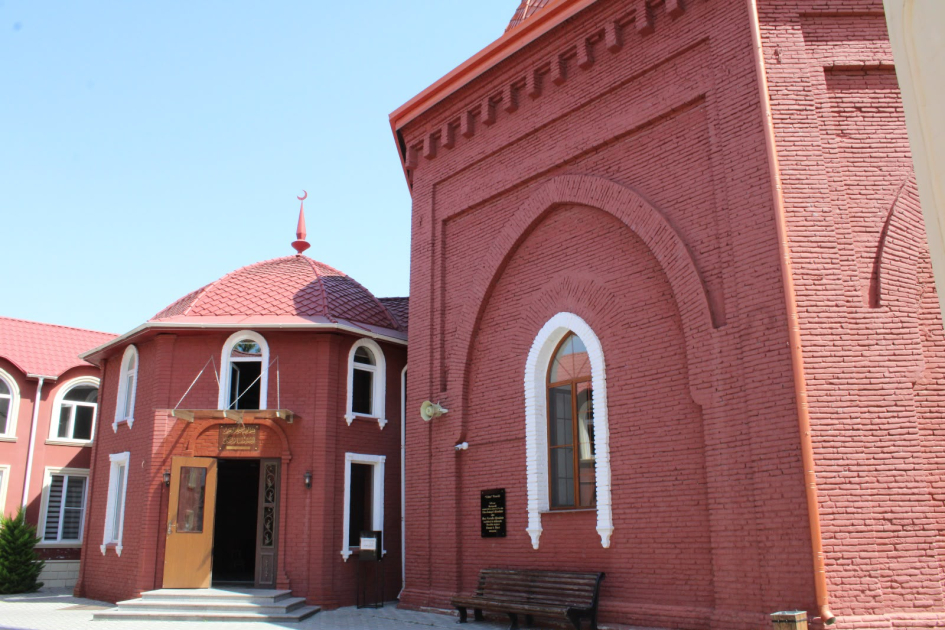
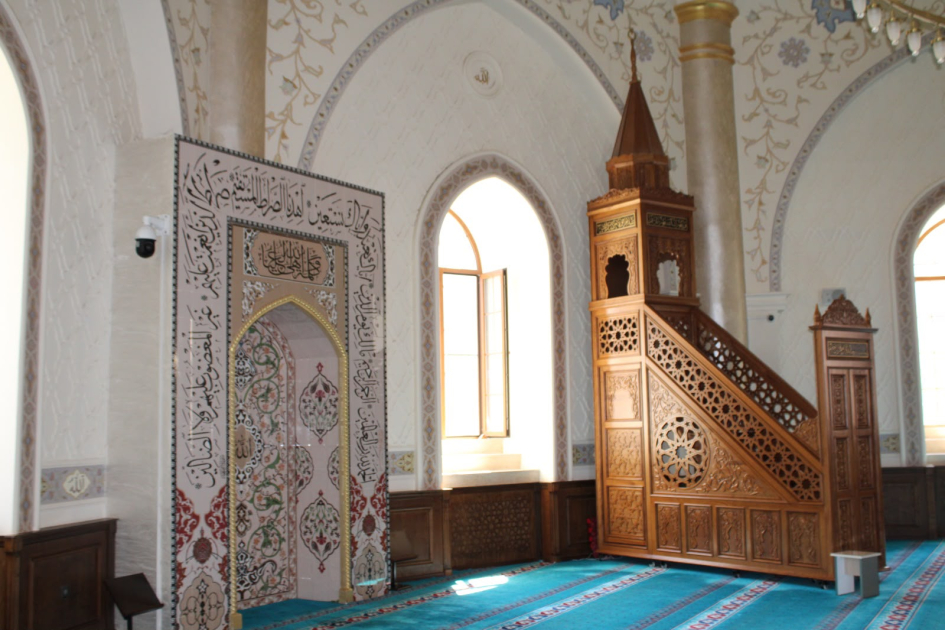
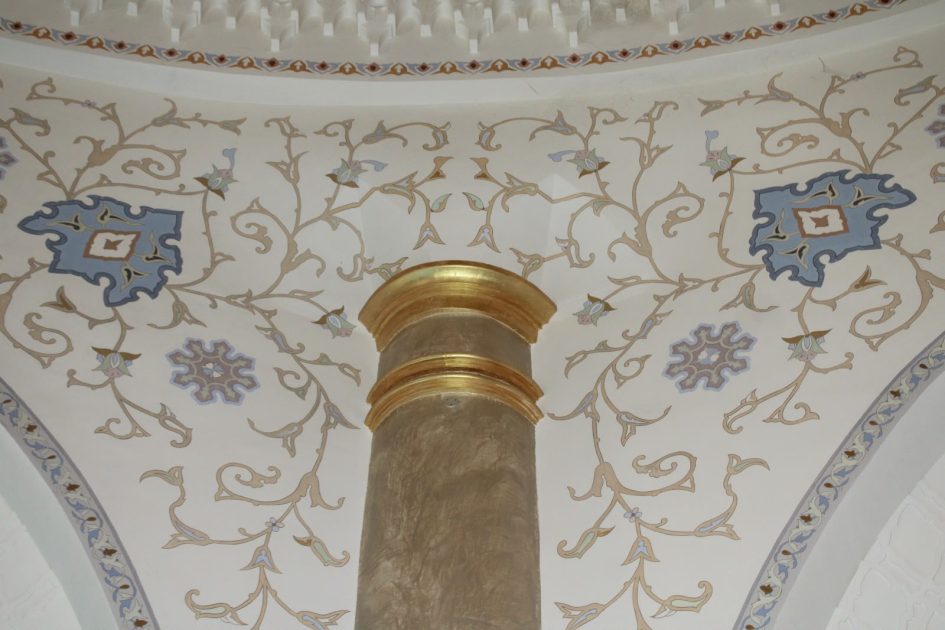
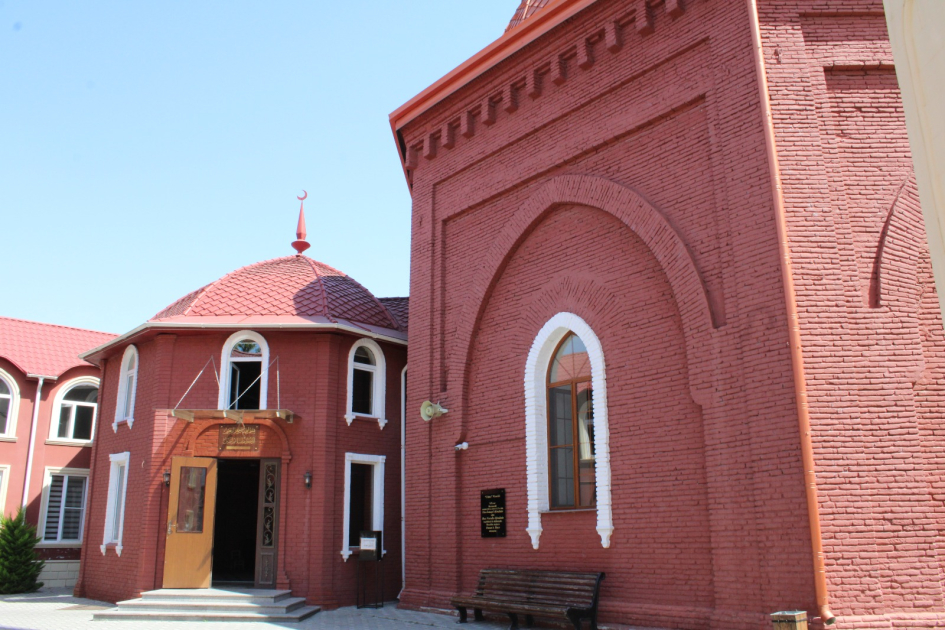
The Juma Mosque in Guba is one of Azerbaijan’s historic mosques and is renowned for its distinctive architectural style. It is considered one of the oldest religious centers in Guba and northeastern Azerbaijan. Built over a period of ten years with occasional interruptions, the mosque was completed in 1802.
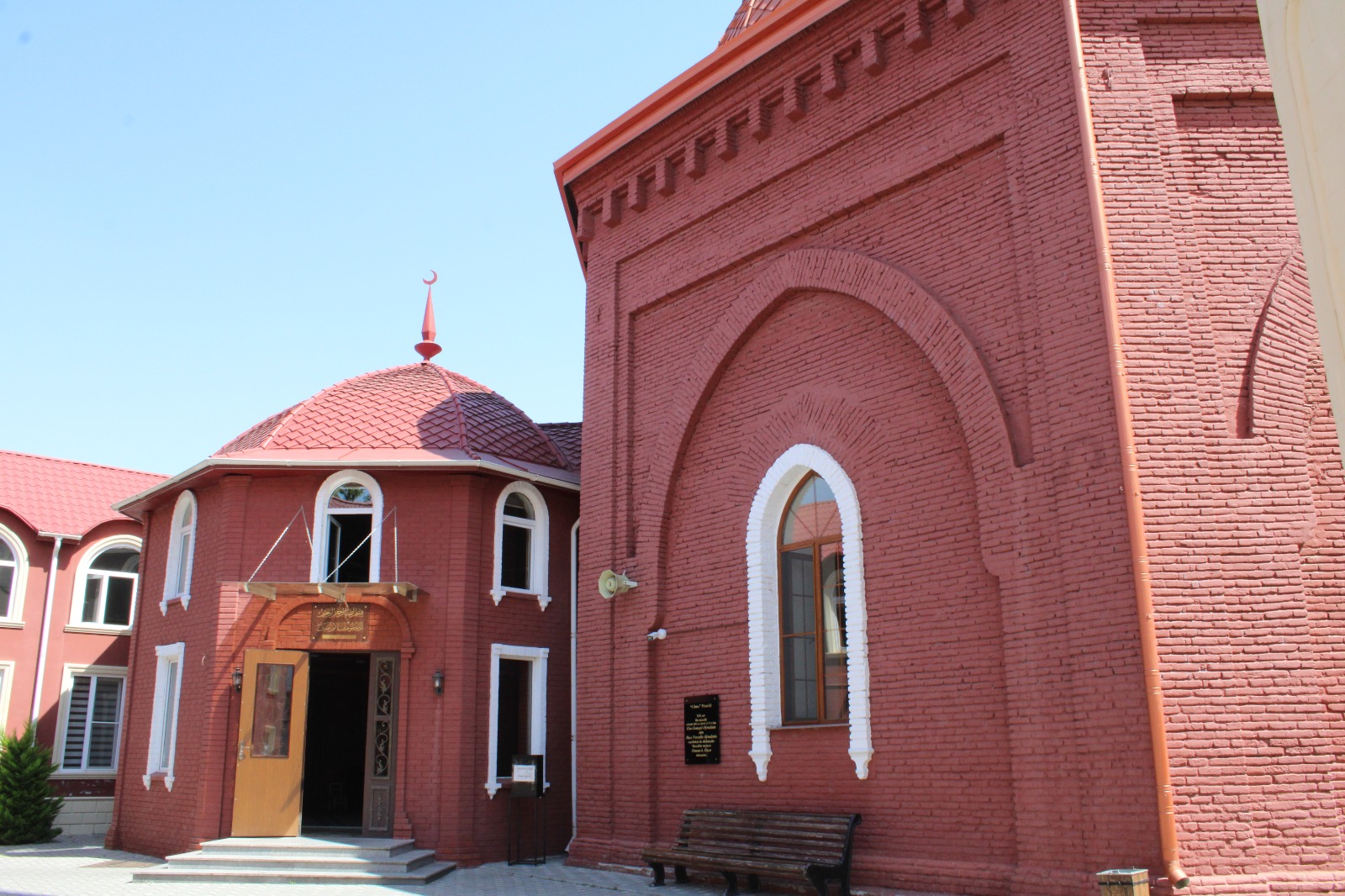
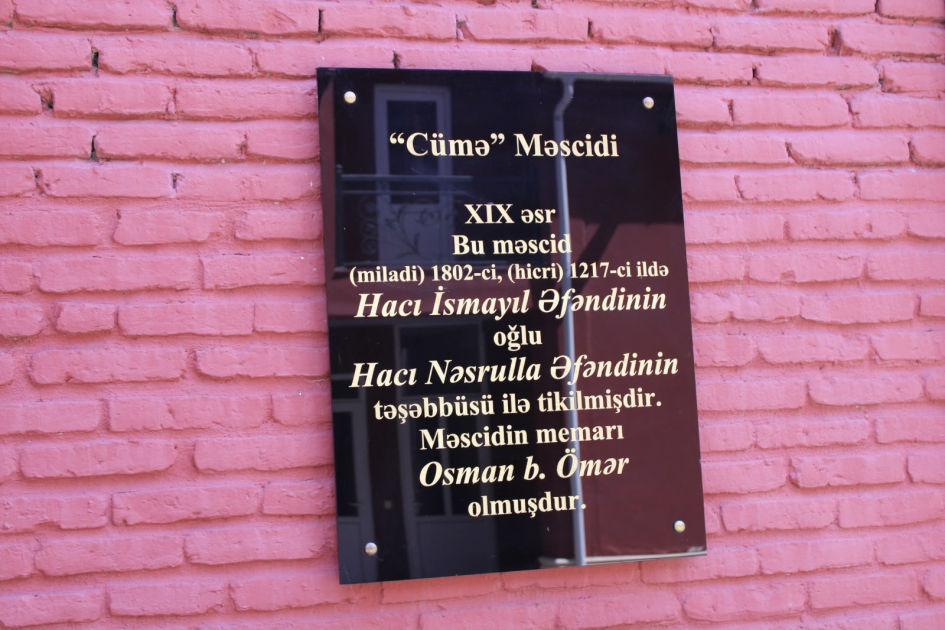
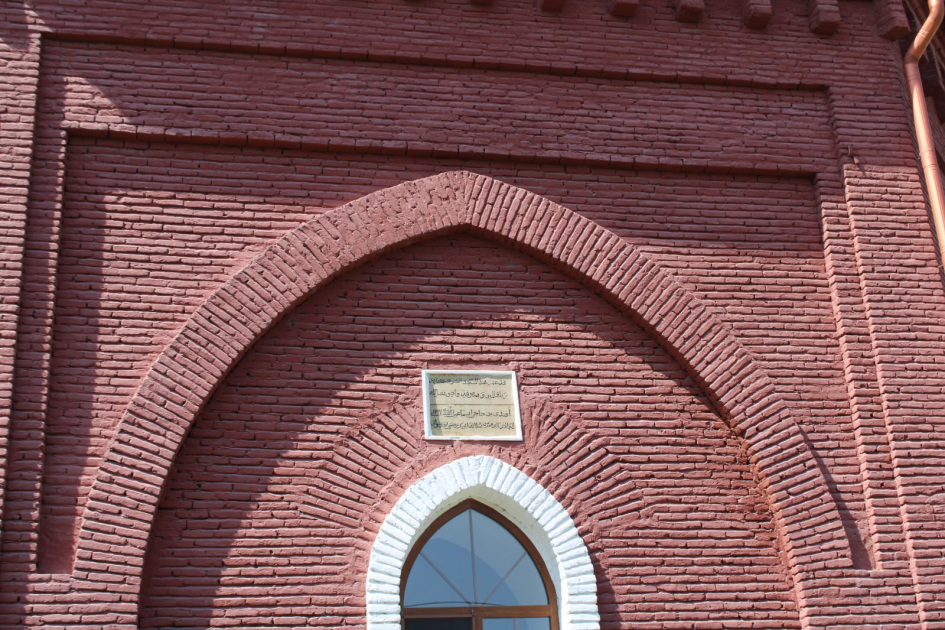
An inscription on the mosque, erected with the financial support of Gazi Ismail Efendi, son of Gazi Nasrullah Efendi, identifies its architect. It reads: “This noble mosque was constructed, by the grace of Allah, the Lord of the Worlds, with the financial support of Gazi Nasrullah ibn Haji Ismail, by the architect Osman ibn Omar, a descendant of the lineage of Abu Bakr Ajami al-Nakhchivani. Dated Hijri 1217.”
The mosque and its affiliated madrasa functioned until 1924. During the Soviet period, its religious activities were banned, as was the case with many other places of worship. In 1933, the madrasa and minaret were demolished, while the remaining buildings were destroyed in subsequent years. Anticipating the mosque’s demolition, local residents secretly transported millstones and sacks of wheat there at night, converting the building into a mill in an effort to preserve it. The structure was later used as a warehouse and subsequently as a carpet museum.
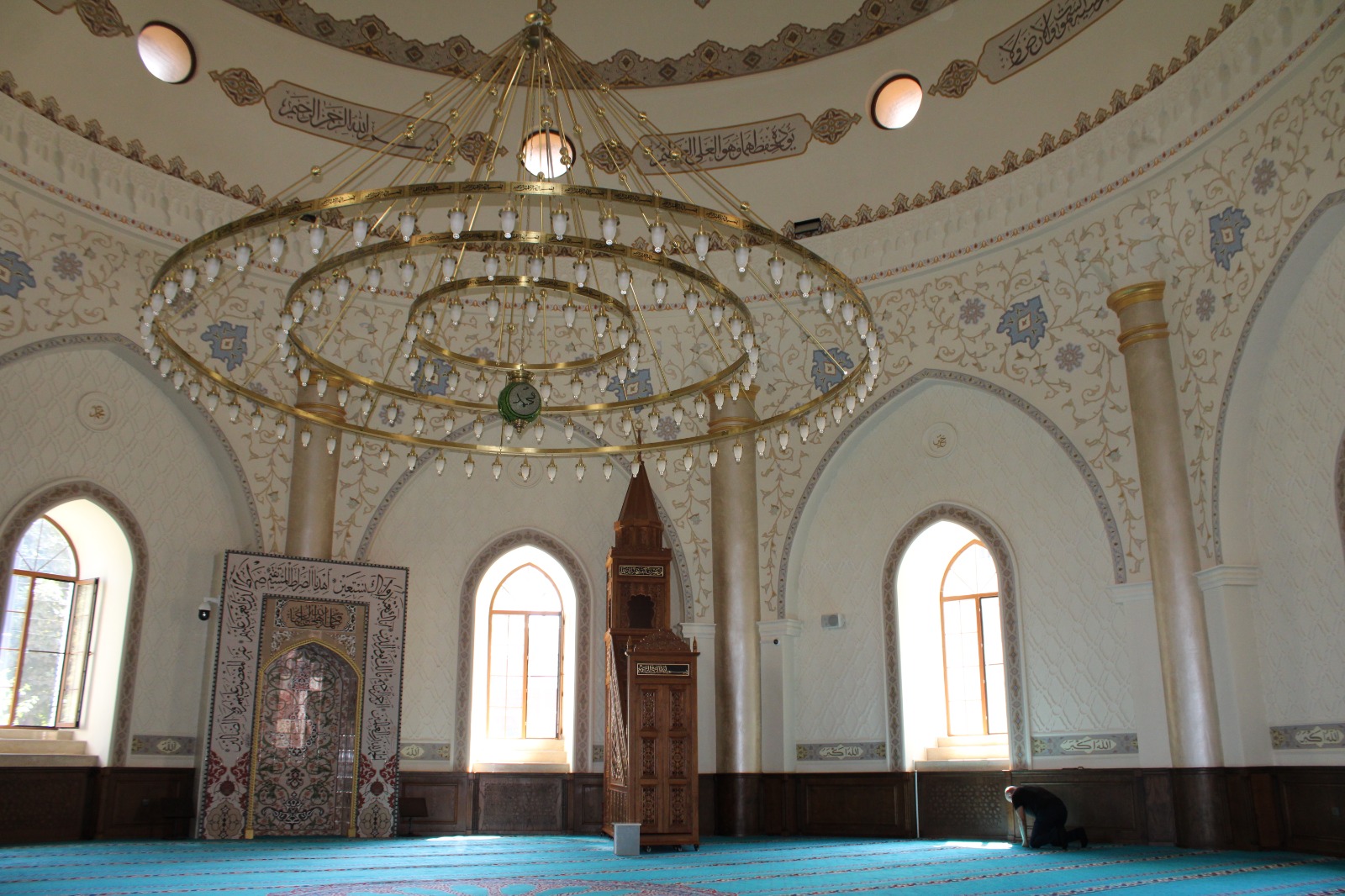
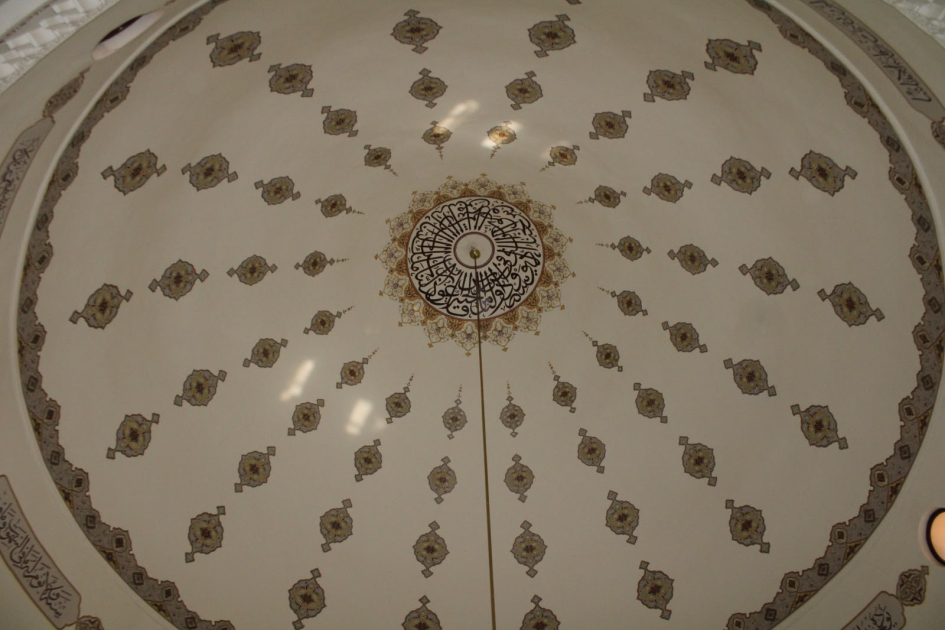
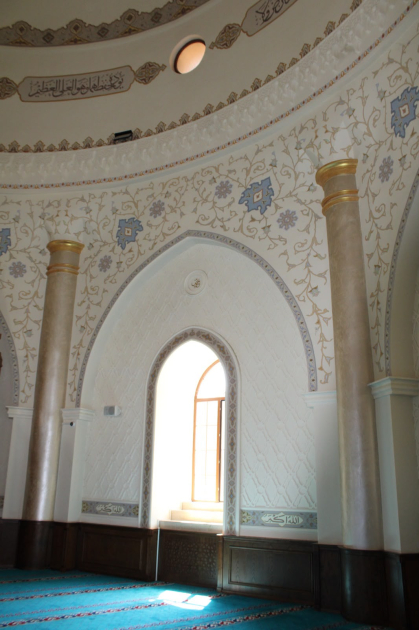
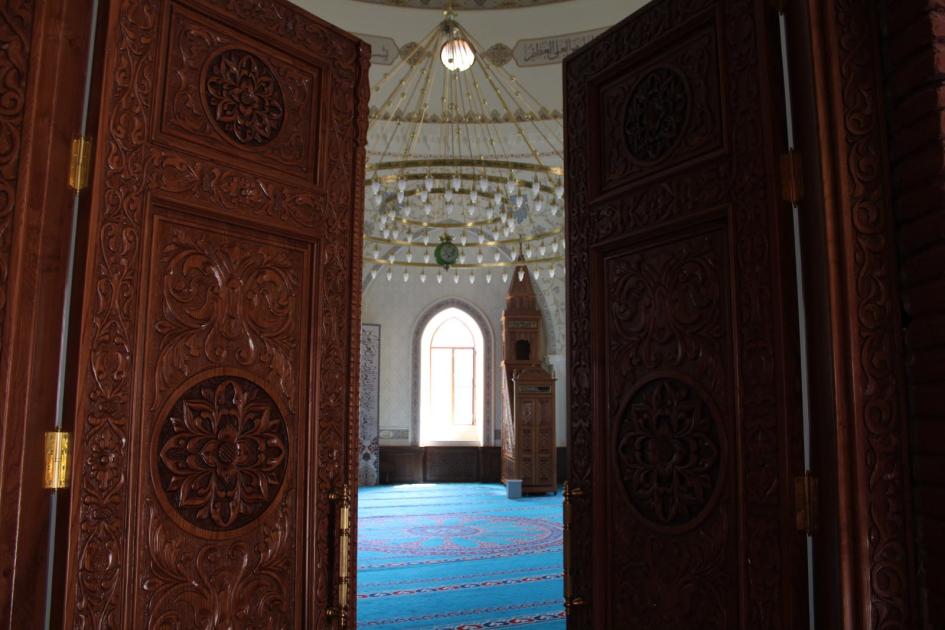
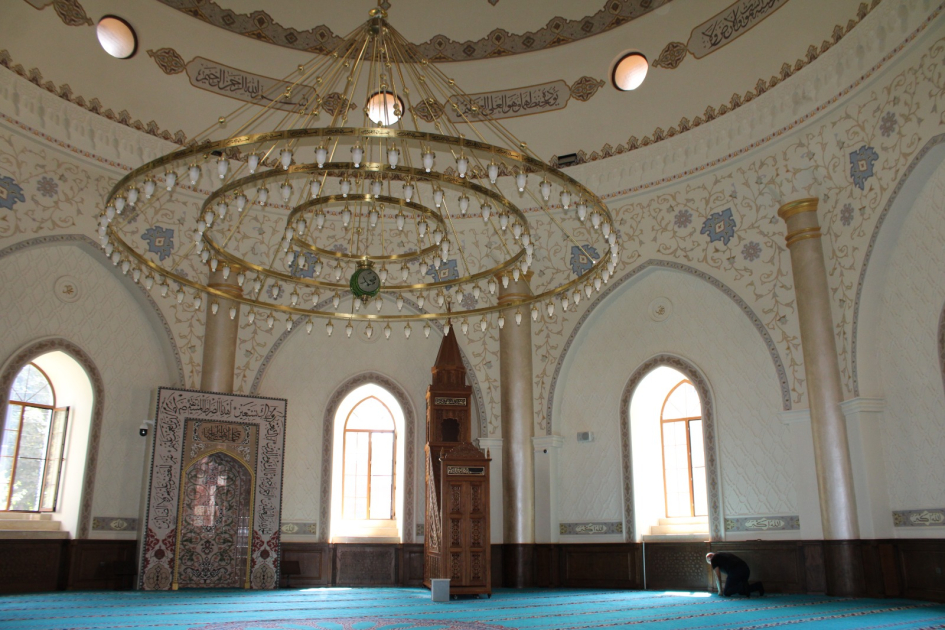
Following the restoration of Azerbaijan’s independence, the mosque was returned to the Muslim community for worship. Classified as an architectural monument of local importance, it is distinguished by its octagonal prism-shaped structure. The interior rises to a height of 18 meters and covers an area of 360 square meters.
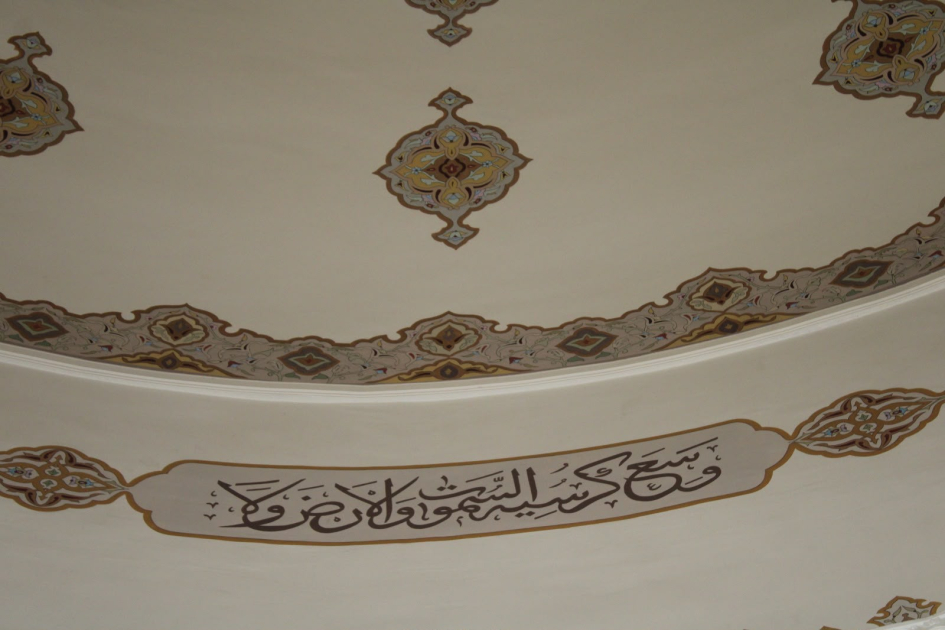
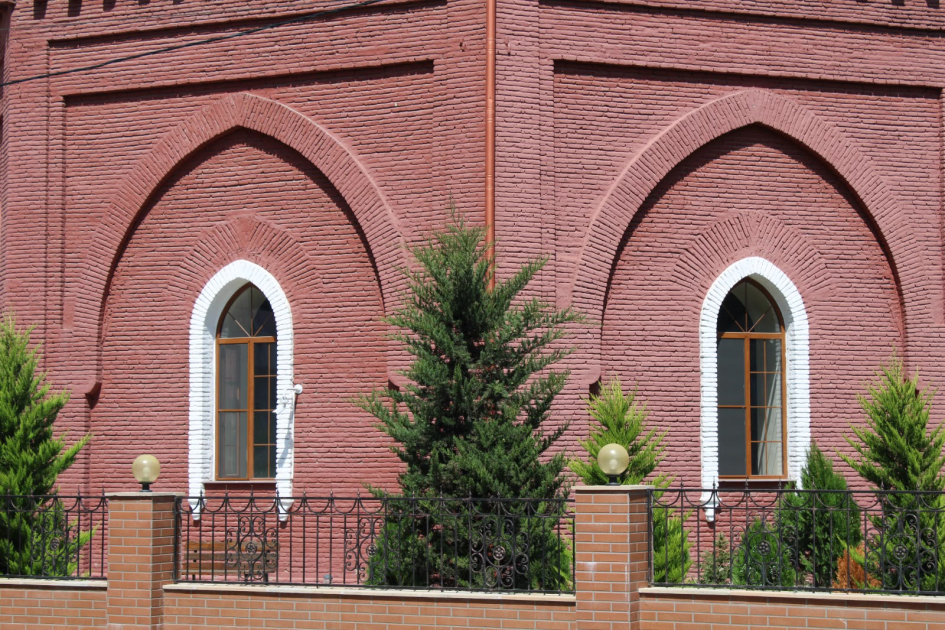
The fired bricks used in its construction were manufactured in the village of Igrigh, 8–10 kilometers from Guba. According to local tradition, the bricks were transported to the construction site by residents passing them from hand to hand. The principal construction materials included flour, eggs, and lime. The mihrab was modeled after that of the Prophet’s Mosque in Medina. The absence of supporting columns in the central interior space is regarded as evidence of the architect’s outstanding technical and professional expertise.
The mosque complex was enhanced with a decorative lattice fence, newly built ablution facilities, and a madrasa, while extensive landscaping and restoration works were carried out across the site.
In the 1990s, a new 50-meter-high minaret was erected within the mosque complex.

Other news in this section


