Expert: Computational social science can serve as a scientific bridge between Azerbaijan and Sweden INTERVIEW
Stockholm, August 15, AZERTAC
The rapid advancement of artificial intelligence (AI) and digital technologies is not only reshaping our daily routines, but also giving rise to new areas of scientific research. Among the most dynamic is computational social science, a field bridging technology and social sciences.
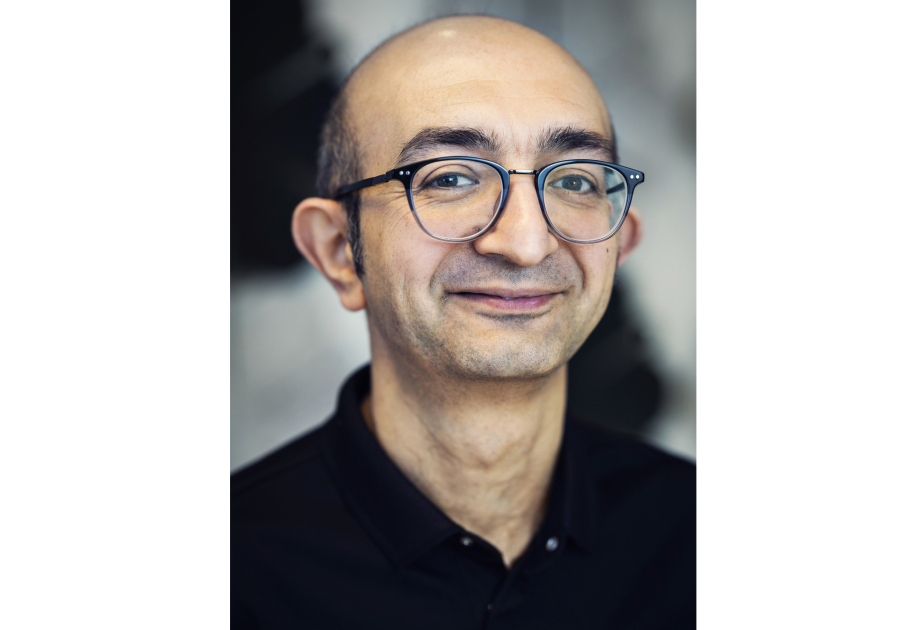
Ilkin Mehrabov, a senior lecturer at the Department of Communication at Lund University specializing in computational social sciences, recently spoke with AZERTAC, sharing his insights into his academic career, ongoing research, international collaborations, and the future of the field.
Specializing in strategic digital communication, Mehrabov focuses his research on algorithmic propaganda, countering disinformation, and the AI in education. In 2026, Lund University designated him a Recognized Teaching Practitioner.
- How did your journey lead you to Sweden and Lund University?
- My academic journey began at Middle East Technical University (METU) in Ankara, where I studied electronics engineering. However, my research interests gradually shifted from traditional engineering toward media and culture. I became deeply interested in how technology influences society and the media landscape, which ultimately led me to focus on media, communication, human-tech interaction, and digital transformation.

Lund University’s strong interdisciplinary culture seamlessly blends engineering sciences and humanities, making it a natural choice for my research. After earning my doctorate at Karlstad University, where experts in communication, computer science, and information systems guided my work on technology and society, I joined an academic environment that aligns perfectly with my research. Here at Lund, I found a culture that encourages crossing disciplinary boundaries, allowing me to combine engineering approaches with media and strategic communication theories. Joining Lund University marked a pivotal step in both my professional and personal growth.
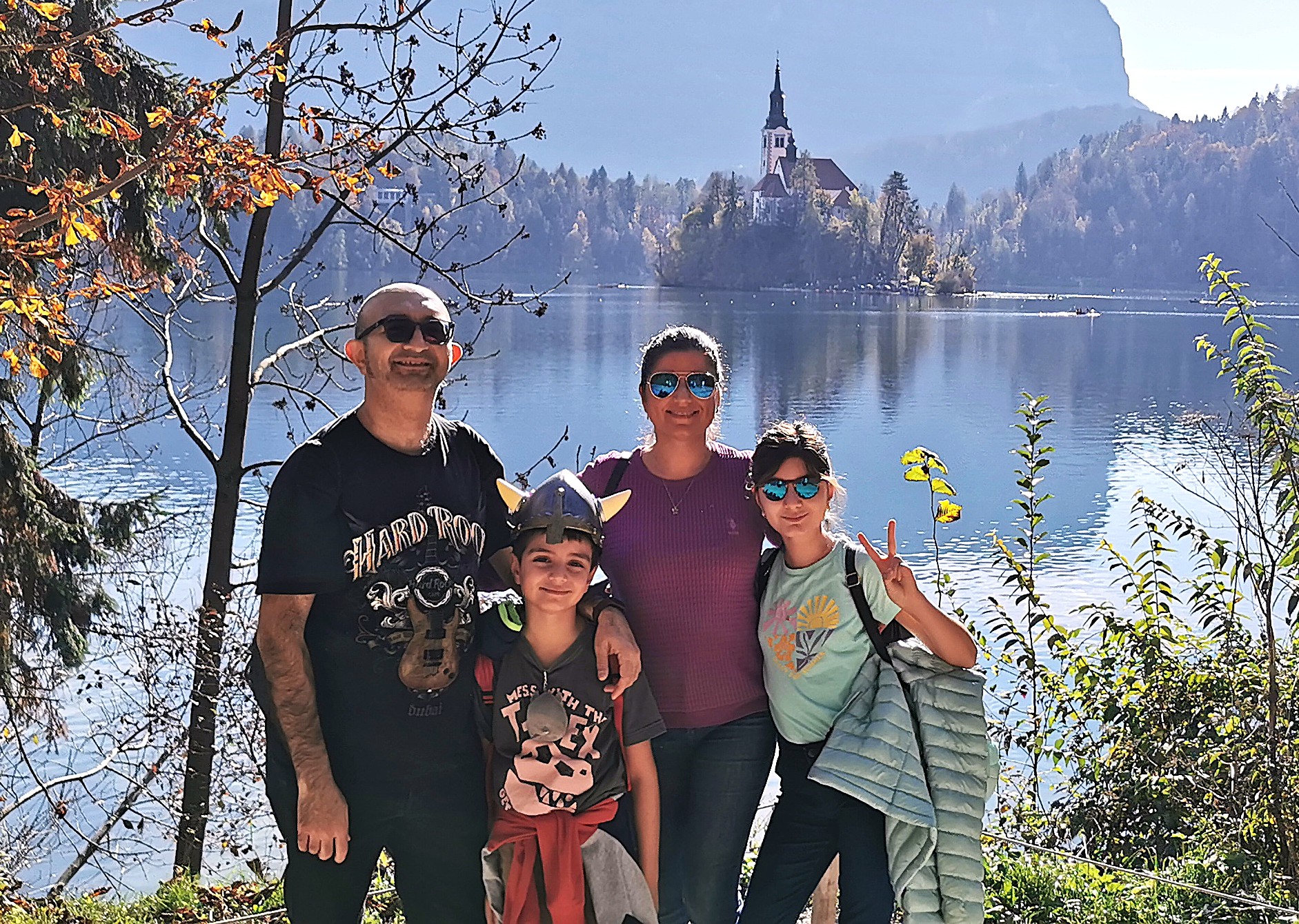
Furthermore, Sweden’s strong work-life balance lets me prioritize what matters most: spending time with my wife, daughter, and son.
— Could you tell us about your current research focus and educational projects at Lund University?
— My research focuses on algorithmic propaganda and countering disinformation, psychological defense, as well as digital marketing, public relations, and the political economy of communication.
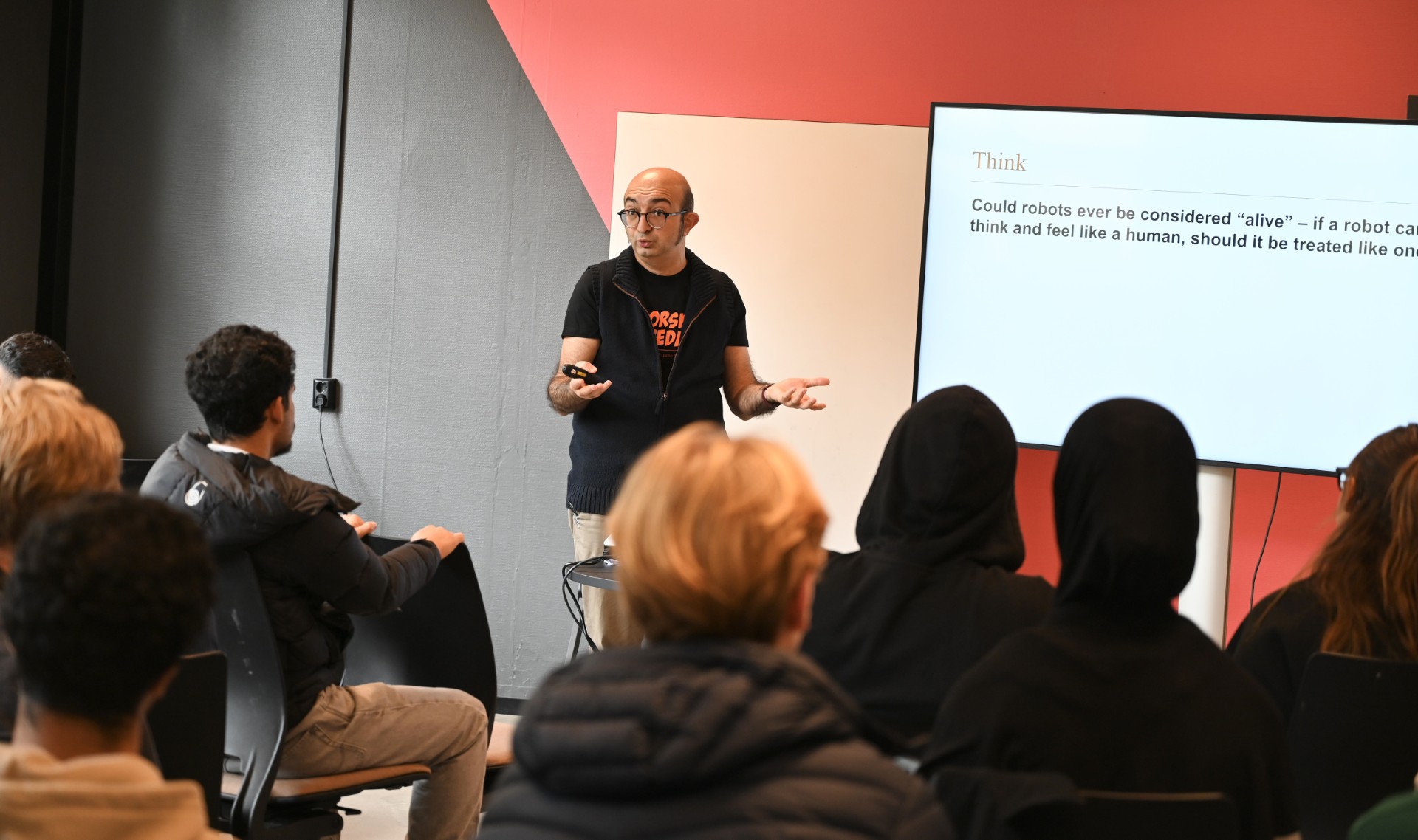
I am also actively involved in educational innovation. In recent years, alongside integrating artificial intelligence into learning, I have been working on projects focused on the use of virtual (VR) and augmented reality (AR) technologies to foster more inclusive educational environments. I also developed one of Lund University's largest massive open online courses (MOOCs) in the field of artificial intelligence, AI Literacy, aimed at building necessary AI knowledge and practical skills.
Additionally, as part of the project launched in 2025, I'm developing interactive methods to teach children aged 8 to 12 the fundamentals of cybersecurity and digital safety. All of these initiatives share the same goal, which is to ensure that AI benefits not only science but also society as a whole.
— Today, people frequently talk about AI, but far less about computational social science. How would you define this field, and why it’s role is becoming so vital?
— In simple terms, computational social science is an interdisciplinary field that combines social theories with computer science methods. It uses tools like network analysis, natural language processing, algorithms, statistical modeling, and big data analysis to study social dynamics.
While traditional disciplines like sociology and media studies ask, "Why do people behave the way they do?" Computational social sciences, adds a crucial dimension: “How that behavior develops within digital environment and how can we measure it?”
Thus, the core difference lies in the methodology and scale. While the goal remains better understanding people and society, research tools and data sources are becoming significantly more diverse and technologically advanced.
— In which fields, such as politics, economics, or media is computational social science seeing the highest demand today?
— Computational social science is widely applied across political science, communication and media studies, with a strong focus on disinformation, social media influence operations, digital marketing, political campaigns, and public opinion formation.
Meanwhile, the reach of this field continues to grow. It plays a growing role in economics—helping analyze consumer behavior and forecast market trends—alongside expanding use in healthcare and education.
Examples from my own practice, such as two AI-focused MOOCs and a children's digital safety program, demonstrate how computational social science and AI technologies can make learning more effective, modern, and broadly accessible.
— How do the opportunities for the development of digital research and social sciences in Azerbaijan compare to those in Europe?
— Azerbaijani youth demonstrate a strong interest in modern technologies, which is a major advantage and a crucial opportunity for the country’s future development.
I believe, the primary challenges don’t stem from a lack of academic preparation or research potential. On the contrary, Azerbaijani universities like UNEC and ADA are significantly improving their positions in global rankings each year. The key priorities must be building research infrastructure, broadening access to modern methodologies, and improving the training of relevant specialists.
In this context, international collaboration, joint research projects, and educational programs are critical to bridging existing gaps. Collaborating closely with colleagues in Scandinavia and the Baltic states has proven invaluable—not just for the research outcomes, but for integrating varied methodologies, cultural perspectives, and scientific traditions into our work.
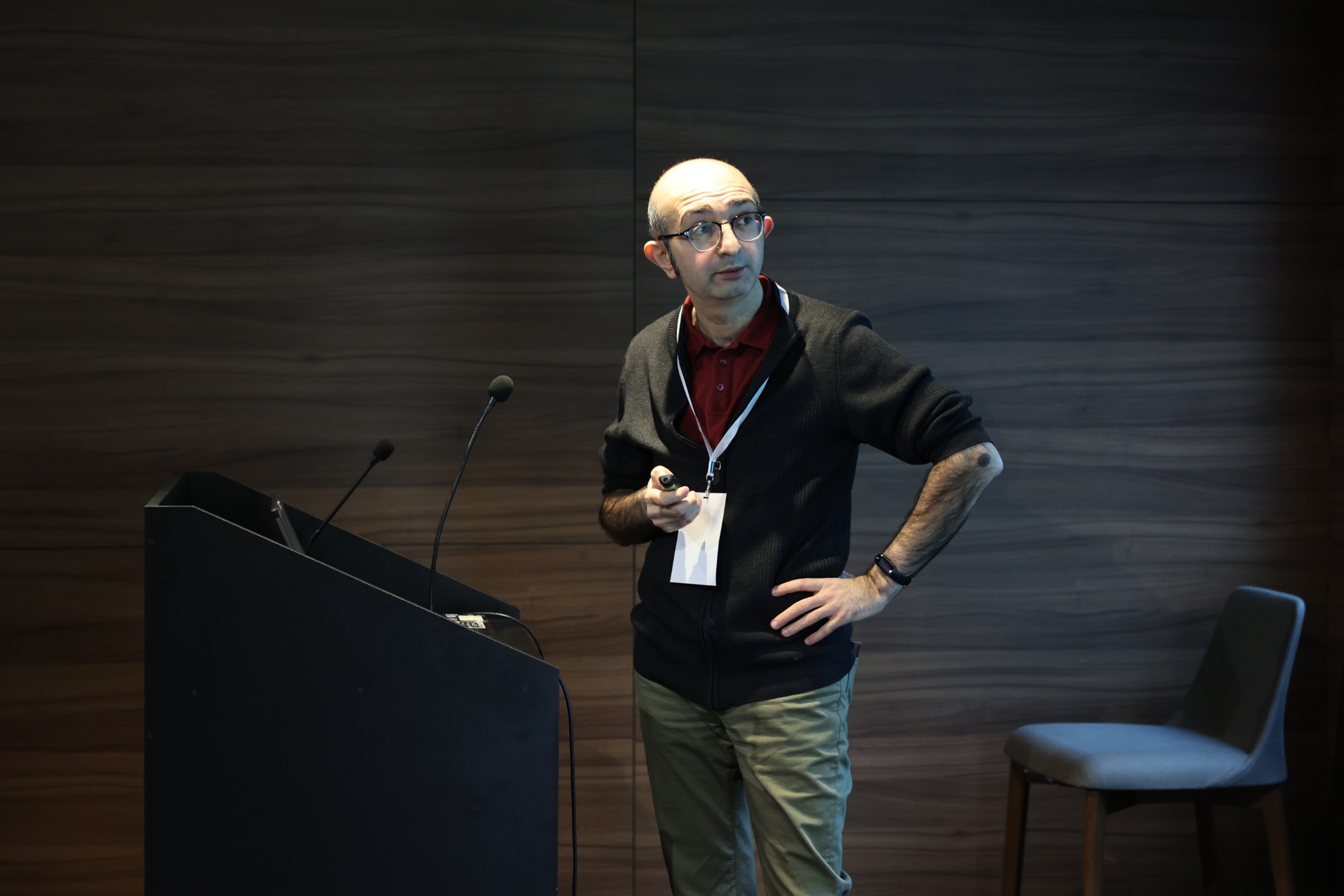
For instance, our current research examines public defense preparedness and counter-disinformation strategies across Northern Europe. International collaboration offers unique opportunities for comparative analysis, yielding a deeper understanding of various societal resilience models. Digital media ecosystems, information flows, and algorithmic influences know no borders.
I would also like to note that Azerbaijan has made remarkable strides in digital transformation in recent years. The Digital Development Concept, approved in 2025 by President of Azerbaijan Ilham Aliyev, identified the digitalization of public administration, strengthening the startup ecosystem, and the introduction of innovative technologies, including AI, as top state priorities. This directly aligns with my research interests, opening exciting avenues for future scientific and professional collaboration with Azerbaijan.
Thanks to the visionary state policy and the country's strategic development, Azerbaijan has successfully navigated numerous global challenges, to enter the top tier of the UN E-Government Development Index, emerging as a regional leader in digital transformation.
For my part, I hope to launch collaborative projects with universities and public institutions in Azerbaijan in the future, which can serve as a strong scientific and cultural bridge between Azerbaijan and Sweden.
- What advice would you give to Azerbaijani students and researchers in Azerbaijan who want to pursue computational social science and build an international career?
- First and foremost, it's essential to develop an interdisciplinary approach, which means combining technical competencies—programming, statistics, data analysis, and other practical skills—with a deep understanding of social theory.
Speaking foreign languages, particularly English and, if possible, Chinese, is essential, as is keeping pace with contemporary international scientific literature. I also recommend actively mastering and applying technologies such as AI, virtual reality (VR), and augmented reality (AR), which not only help solve practical problems but also open up new research opportunities.
Perhaps the single most important advice - never lose your curiosity. Computational social science is advancing rapidly, offering immense opportunities for lifelong learners who stay open to new perspectives and knowledge.
Other news in this section


