August 30 marks International Day of Victims of Enforced Disappearances
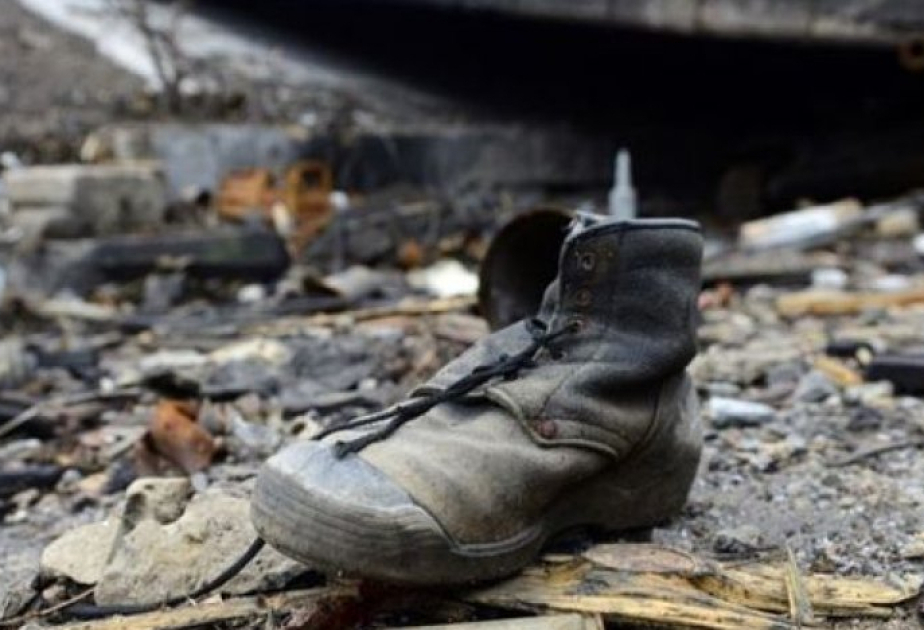
Baku, August 30, AZERTAC
2026 marks the 20th anniversary of the adoption of the International Convention for the Protection of All Persons from Enforced Disappearances, the only universal treaty specifically dedicated to preventing and eradicating enforced disappearances, according to the official website of the United Nations (UN).
Under the slogan “Victims first. Actions now”, the anniversary puts victims and their rights to truth, justice and reparation at the centre, while calling on States and other stakeholders to act to prevent enforced disappearances.
Twenty years after the Convention’s adoption, enforced disappearances continue to occur in every region, making universal ratification and full implementation an urgent priority. Throughout 2026, CED20 will bring together States, victims, civil society, national human rights institutions, UN entities and partners to raise awareness, share concrete actions and strengthen protections.
More than a human rights violation against an individual
Enforced disappearance has frequently been used as a strategy to spread terror within the society. The feeling of insecurity generated by this practice is not limited to the close relatives of the disappeared, but also affects their communities and society as a whole.
Enforced disappearance has become a global problem and is not restricted to a specific region of the world. Once largely the product of military dictatorships, enforced disappearances can nowadays be perpetrated in complex situations of internal conflict, especially as a means of political repression of opponents. Of particular concern are:
the ongoing harassment of human rights defenders, relatives of victims, witnesses and legal counsel dealing with cases of enforced disappearance;
the use by States of counter-terrorist activities as an excuse for breaching their obligations;
and the still widespread impunity for enforced disappearance.
Special attention must also be paid to specific groups of especially vulnerable people, like children and people with disabilities.
Hundreds of thousands of people have vanished during conflicts or periods of repression in at least 85 countries around the world.
Who Is Affected?
The Victims Themselves
The victims are frequently tortured and in constant fear for their lives. They are well aware that their families do not know what has become of them and that the chances are slim that anyone will come to their aid. Having been removed from the protective precinct of the law and “disappeared” from society, they are in fact deprived of all their rights and are at the mercy of their captors.
Even if death is not the final outcome and the victim is eventually released from the nightmare, the physical and psychological scars of this form of dehumanization and the brutality and torture which often accompany it remain.
Friends and Families of the Victims
The families and friends of the victims, experience slow mental anguish, not knowing whether the victim is still alive and, if so, where he or she is being held, under what conditions, and in what state of health. They alternate between hope and despair, wondering and waiting, sometimes for years, for news that may never come. In addition, they are well aware that they, too, are threatened, that they may suffer the same fate themselves and that searching for the truth may expose them to even greater danger.
The family’s distress is frequently compounded by the material consequences of the disappearance. The disappeared person is often the family’s main breadwinner. He or she may be the only member of the family able to cultivate the crops or run the family business. The emotional upheaval is thus exacerbated by material deprivation, made more acute by the costs incurred should they decide to undertake a search. Furthermore, they do not know when —if ever — their loved one is going to return, which makes it difficult for them to adapt to the new situation. In some cases, national legislation may make it impossible to draw a pension or receive other means of support in the absence of a death certificate. Economic and social marginalization is frequently the result.
The serious economic hardships which usually accompany a disappearance are most often borne by women, and it is women who are most often at the forefront of the struggle to resolve the disappearance of family members. In this capacity they may suffer intimidation, persecution and reprisals. When women are themselves direct victims of disappearance, they become particularly vulnerable to sexual and other forms of violence.
Children can also be victims, both directly and indirectly. The disappearance of a child is a clear contravention of a number of provisions of the Convention on the Rights of the Child, including the right to a personal identity. The loss of a parent through disappearance is also a serious violation of a child’s human rights.
Origins of the Day
On 21 December 2010, by its resolution 65/209 the UN General Assembly expressed its deep concern about the increase in enforced or involuntary disappearances in various regions of the world, including arrest, detention and abduction, when these are part of or amount to enforced disappearances, and by the growing number of reports concerning harassment, ill-treatment and intimidation of witnesses of disappearances or relatives of persons who have disappeared.
By the same resolution the Assembly welcomed the adoption of the International Convention for the Protection of All Persons from Enforced Disappearance, and decided to declare 30 August the International Day of the Victims of Enforced Disappearances, to be observed beginning in 2011.
Other news in this section


