Mystical walls of an ancient city: A journey to Naringala VIDEO
Shamkir, May 14, AZERTAC
The next feature in AZERTAC’s “If I Were a Tourist” column turns the spotlight on Naringala.
Shamkir is among the most favored destinations for both domestic and international tourists, particularly those following the traces of ancient civilizations. The Ancient Shamkir city site, which preserves the region’s centuries-old heritage, feels like a time machine, carrying visitors back through centuries. Anyone who steps inside can almost hear the whispers of ancient walls and explore the deep layers of history face to face with the past.
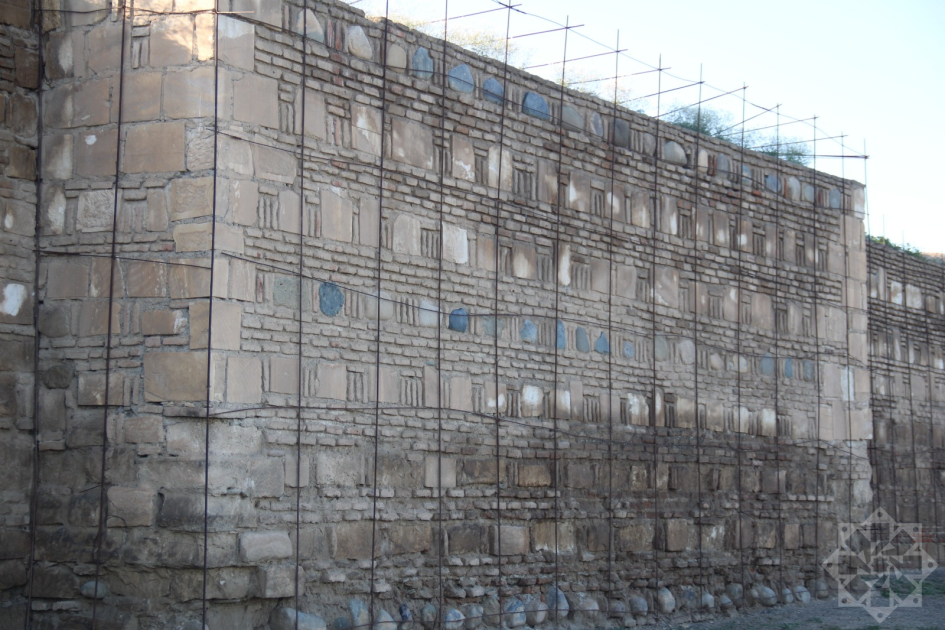
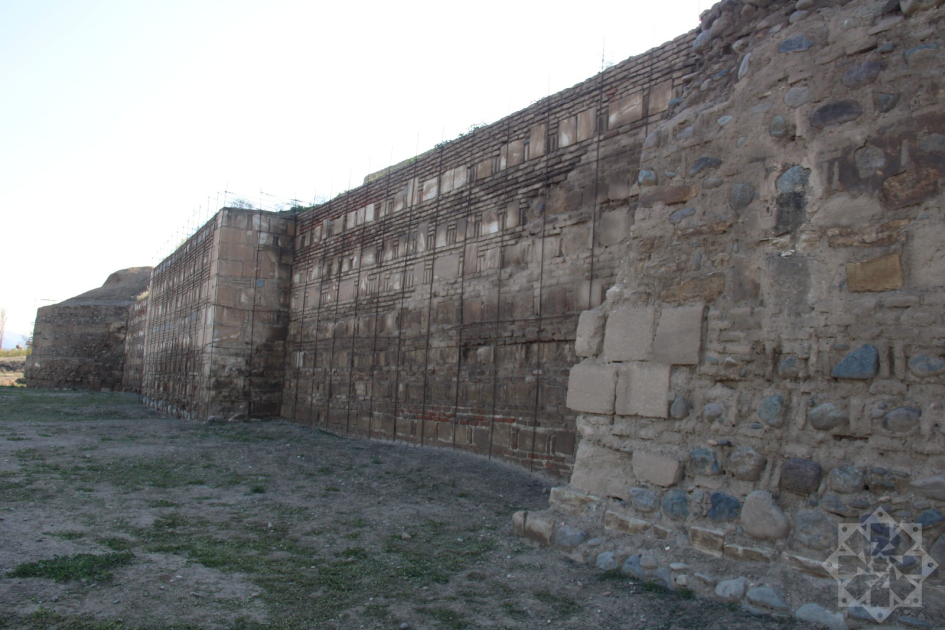
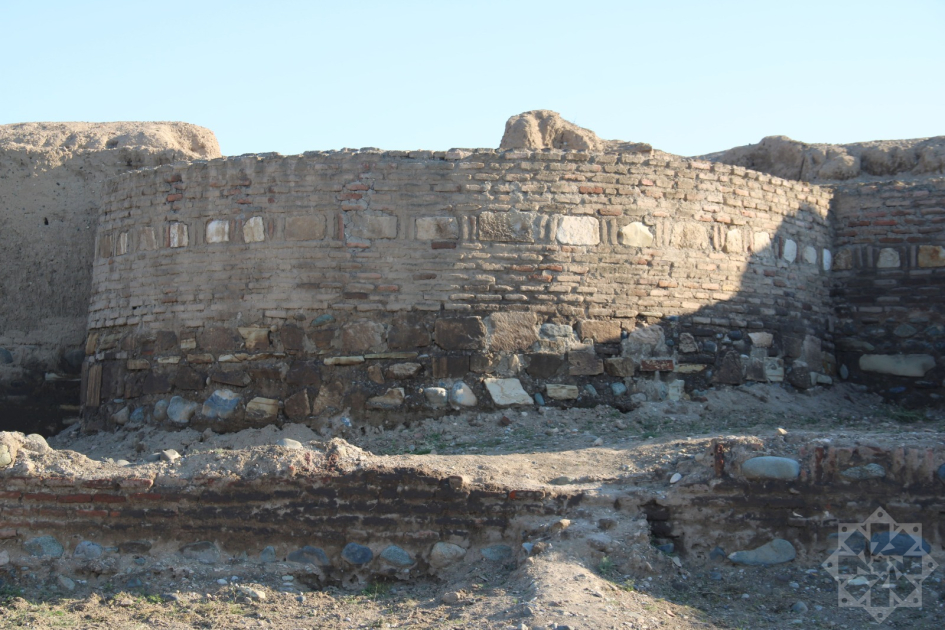
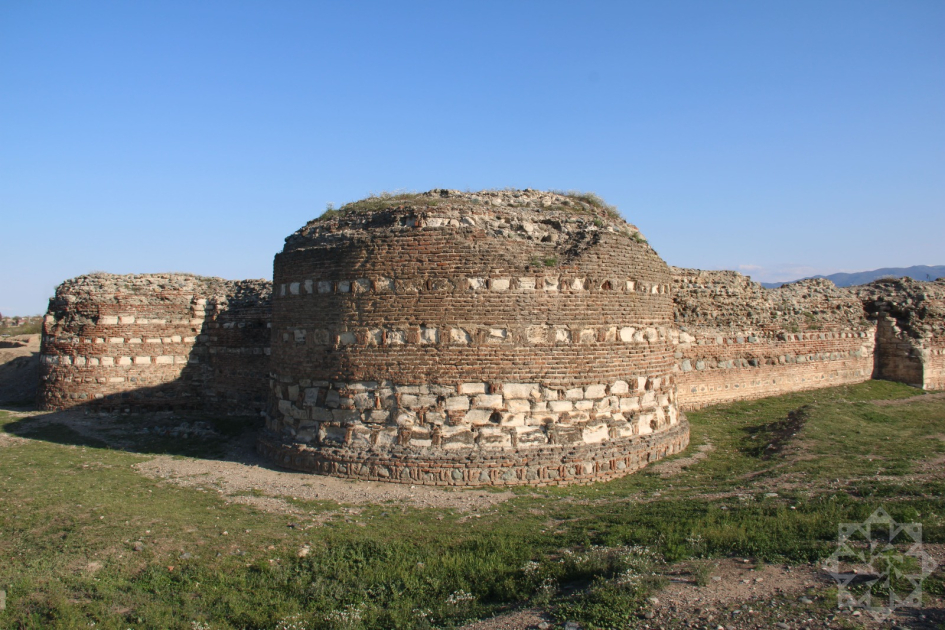
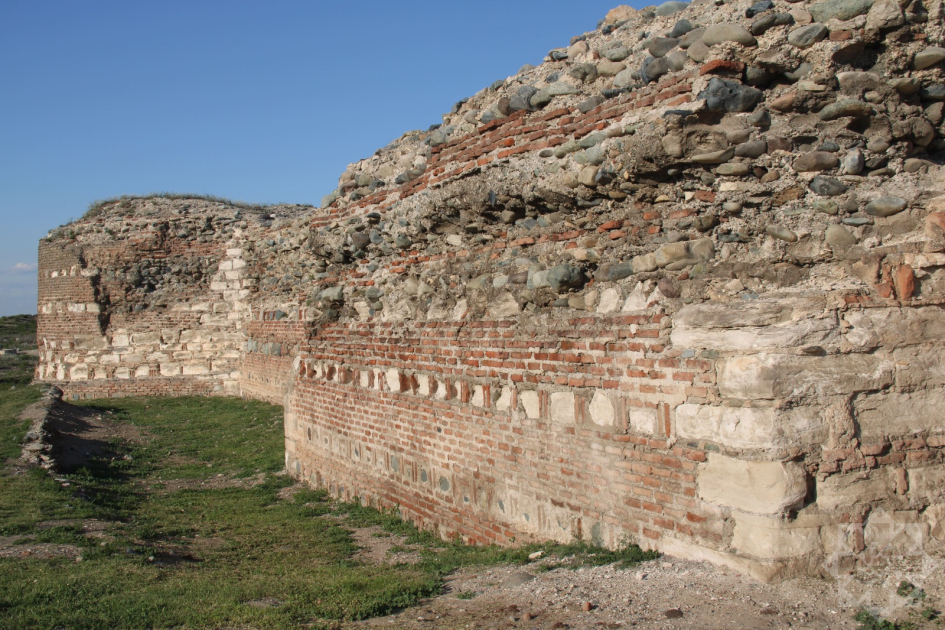
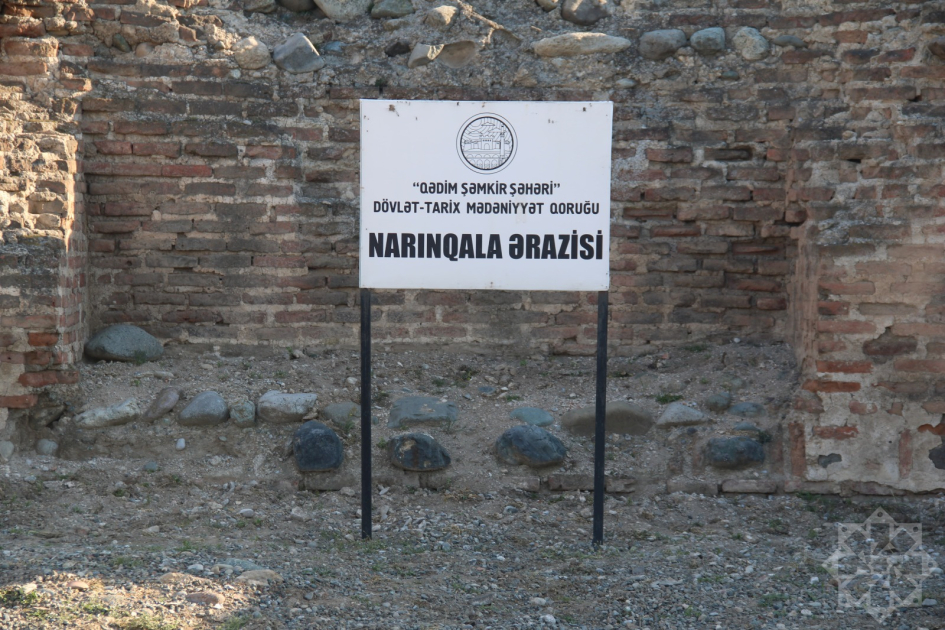
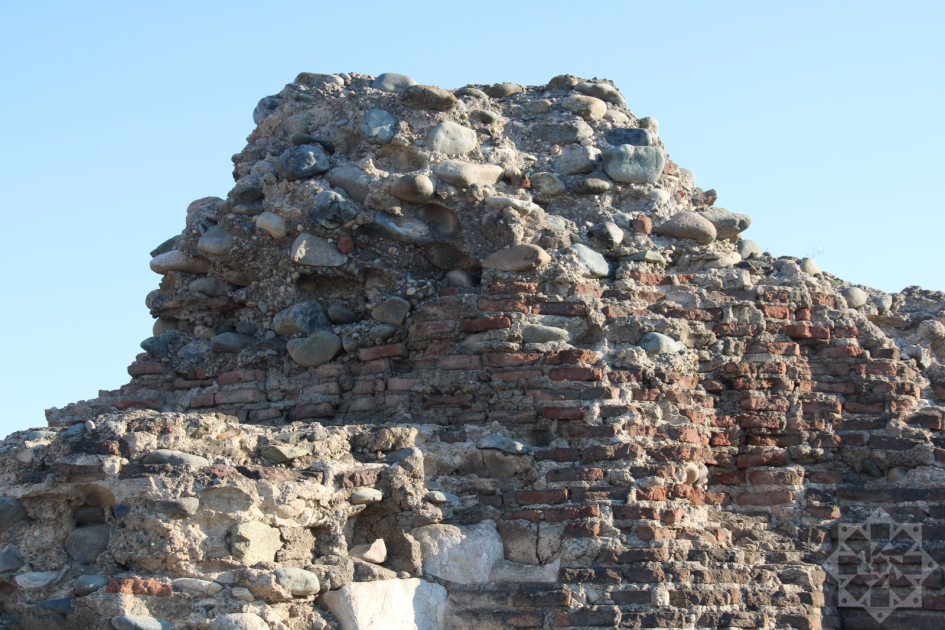
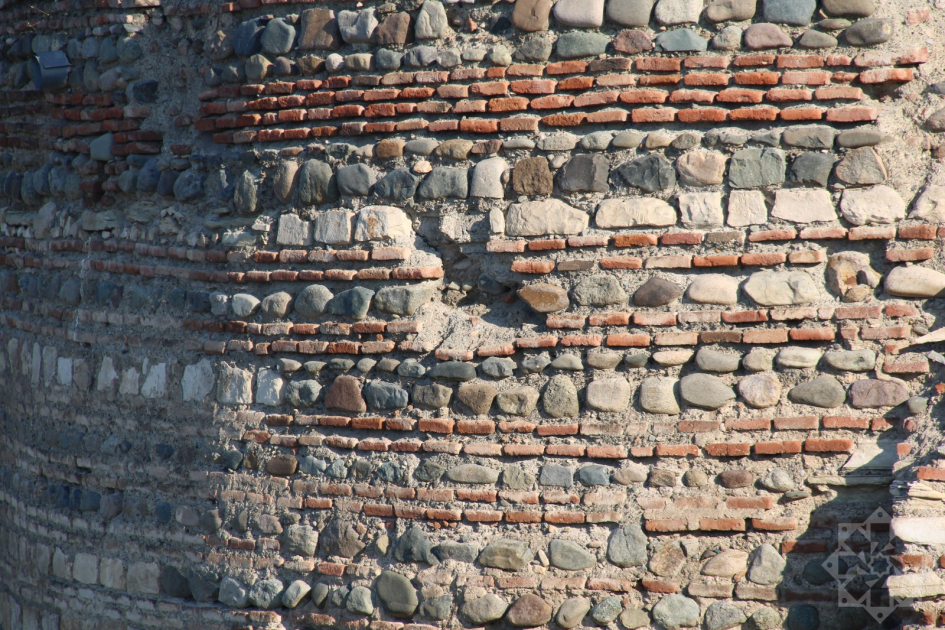
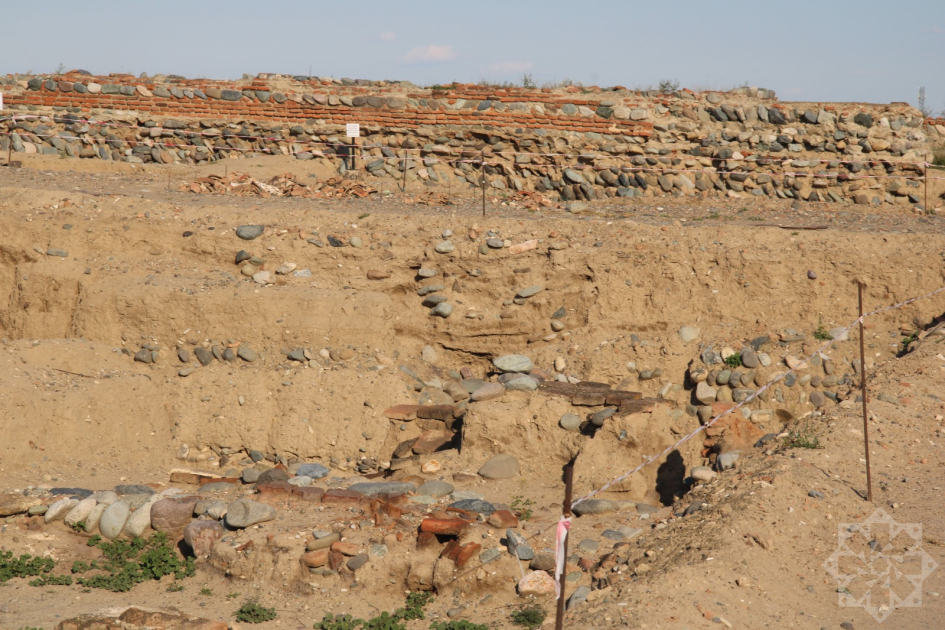
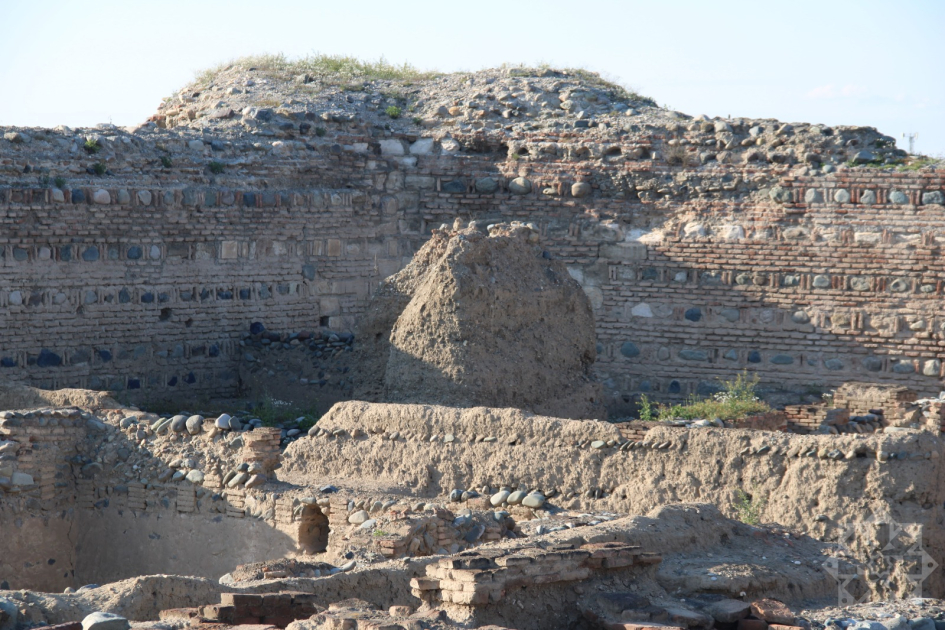
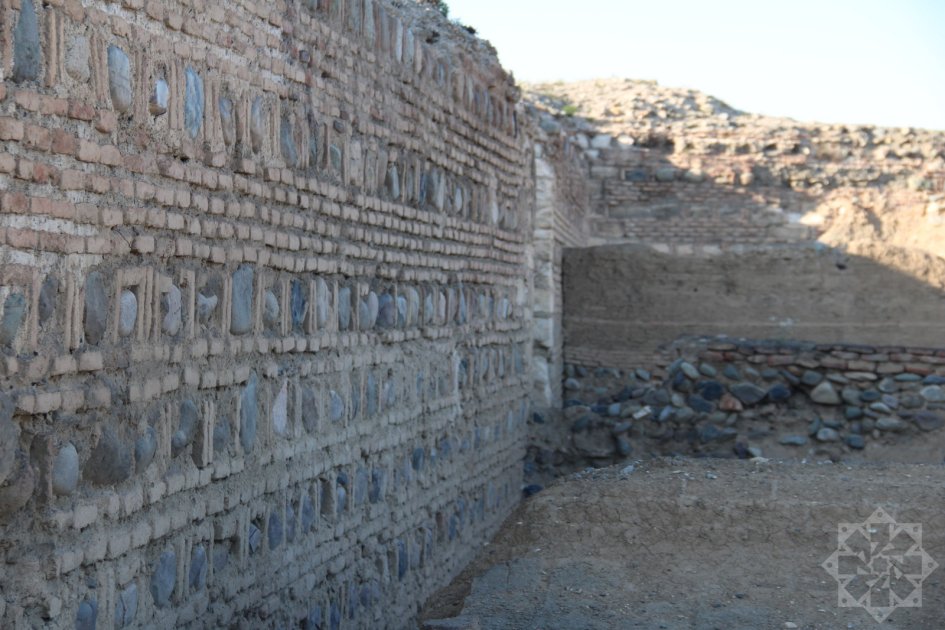
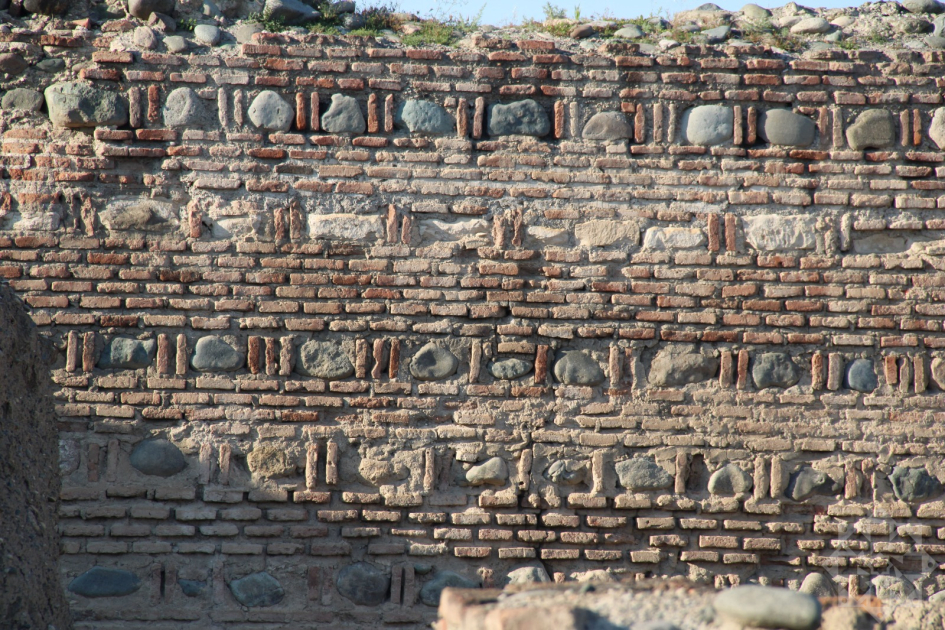
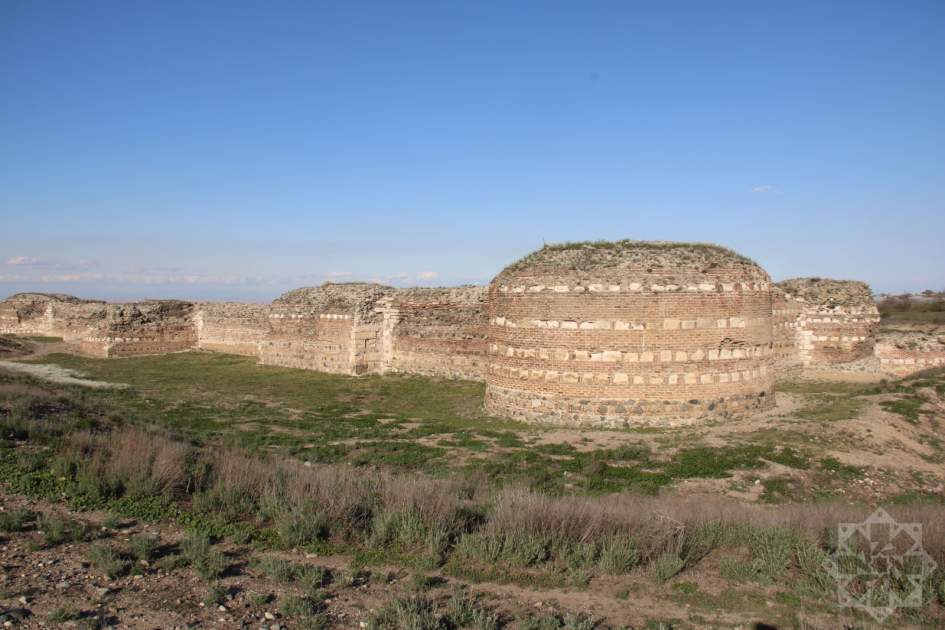
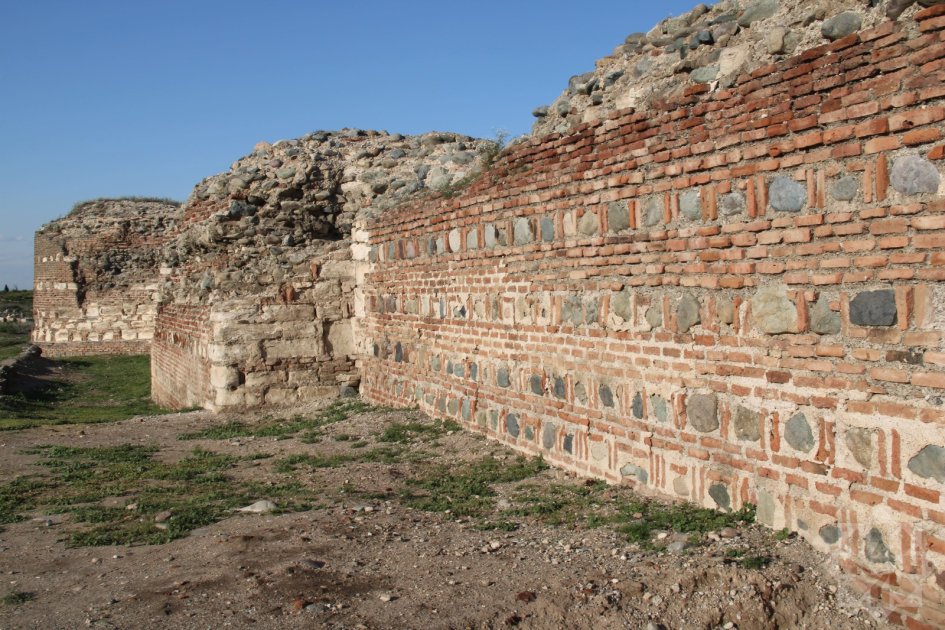
Located on the left bank of the Shamkir River, at an elevation of 8.5 meters above the surrounding terrain, Naringala served as the strategic core of ancient Shamkir and its principal administrative and defensive center. Encompassing approximately 1 hectare, this monumental fortress, with its massive walls, towers, and robust defensive system, continues to reflect the strength and grandeur of the ancient city. In some parts, the walls rise as high as 7.5 meters and are nearly 4 meters thick, adding to the fortress’s imposing appearance.
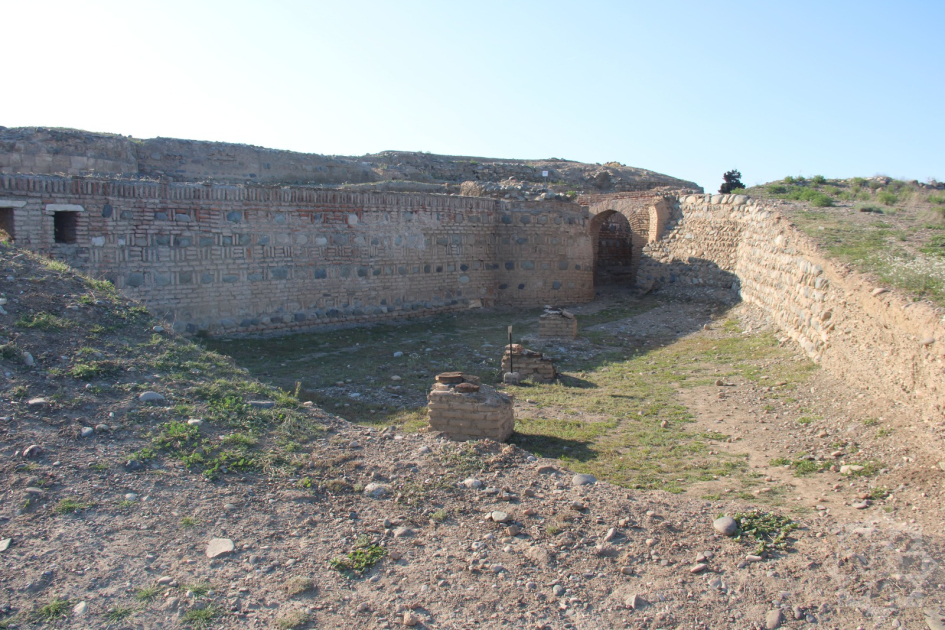
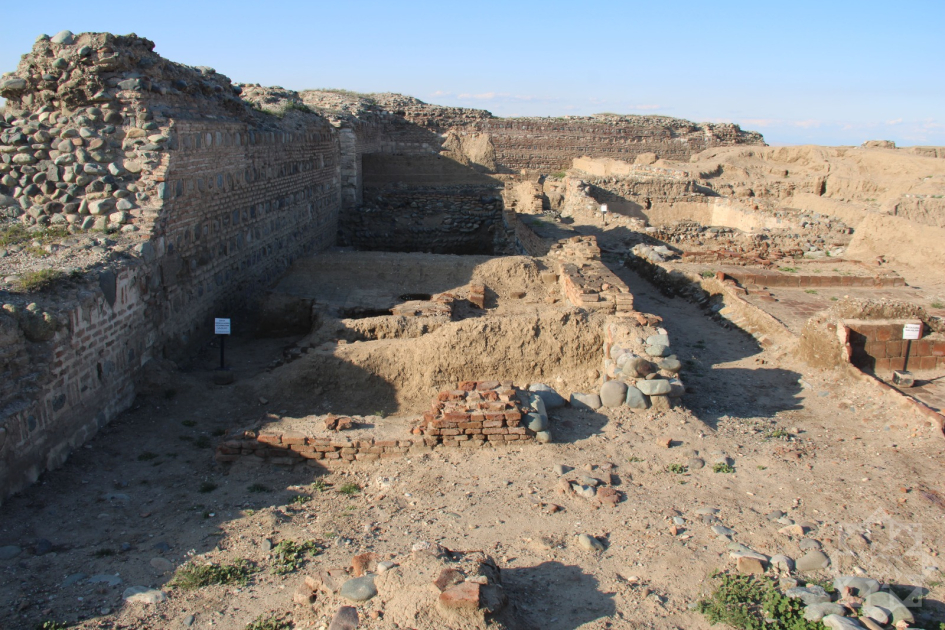
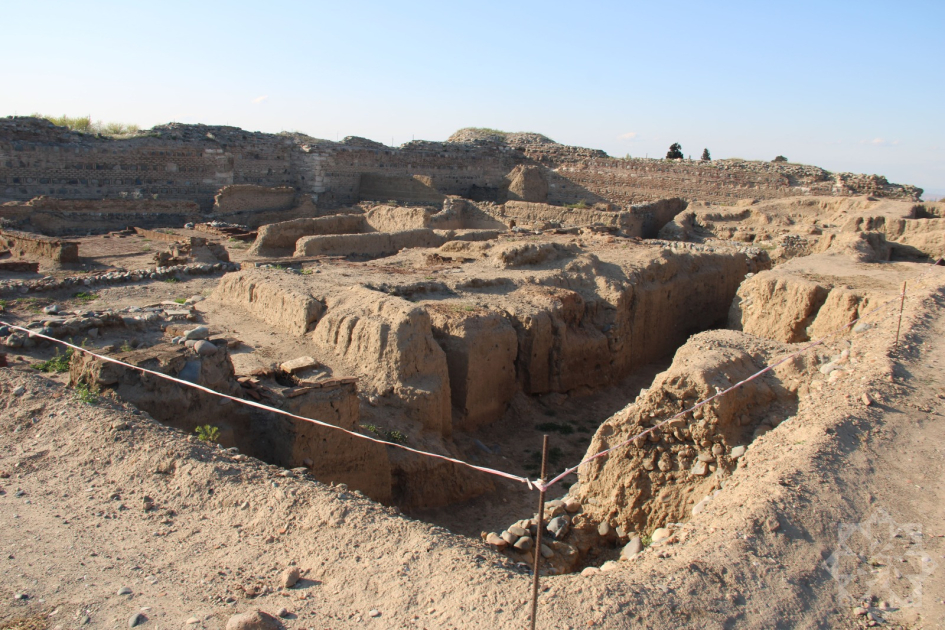
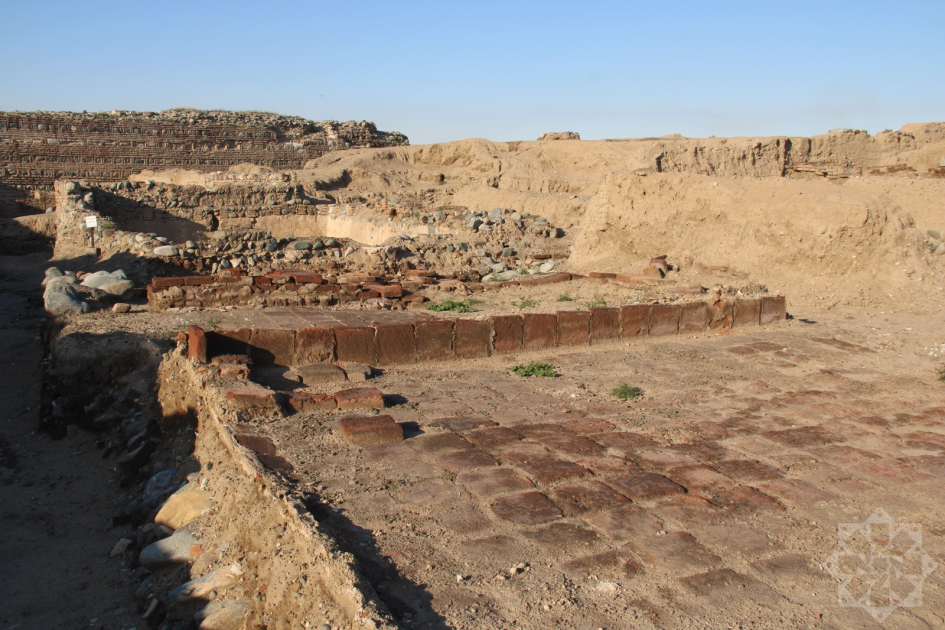
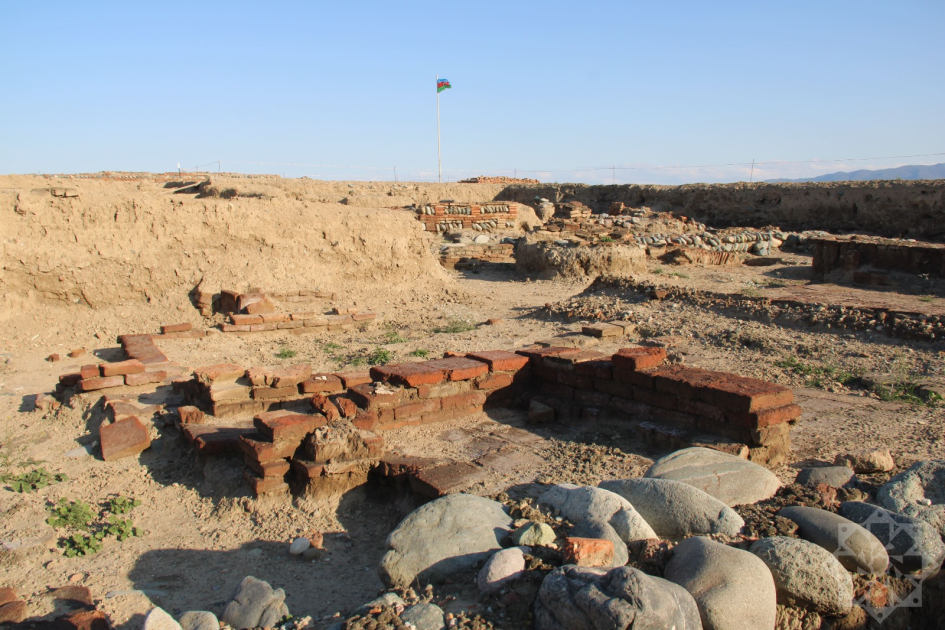
Excavations at Naringala have brought to light traces of a vibrant past life that once flourished here. Monumental 9th–10th century structures, columned courtyards, numerous rooms, traditional bread ovens, and household areas reveal the richness of urban life in the ancient city. Spanning 2,000 square meters, the complex feels like a living model of a medieval city. Walking through it, visitors are easily transported centuries back in time.
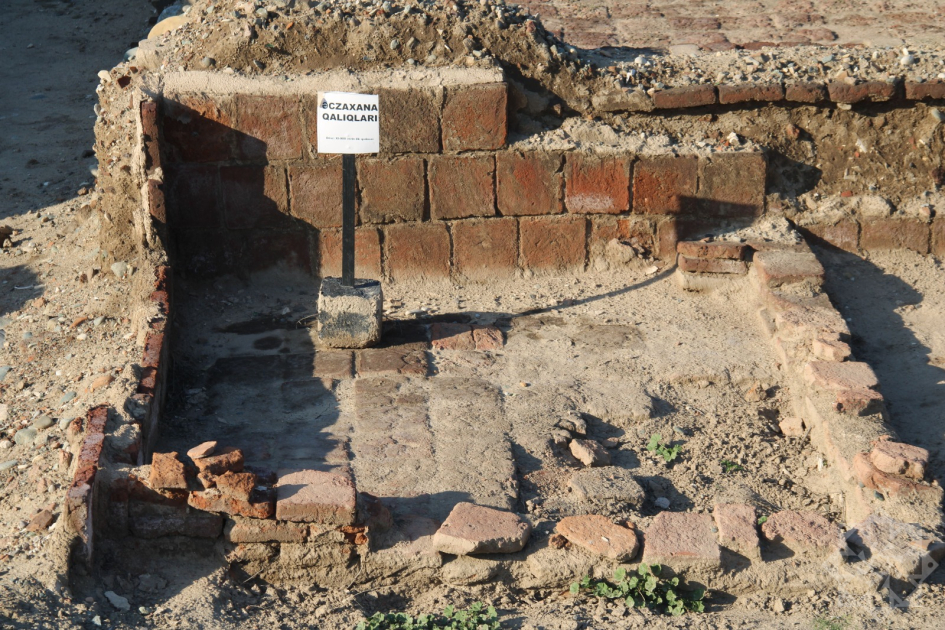
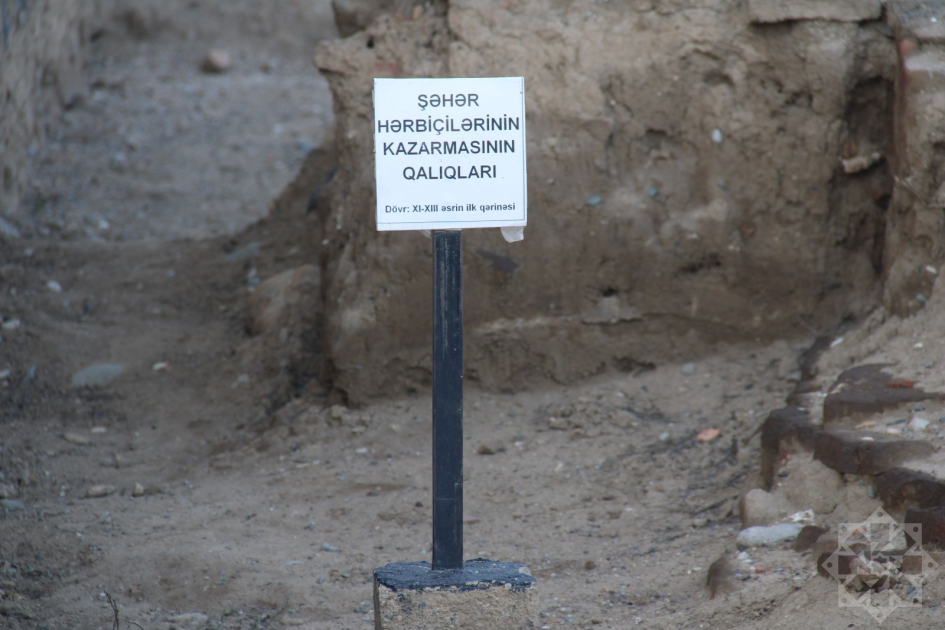
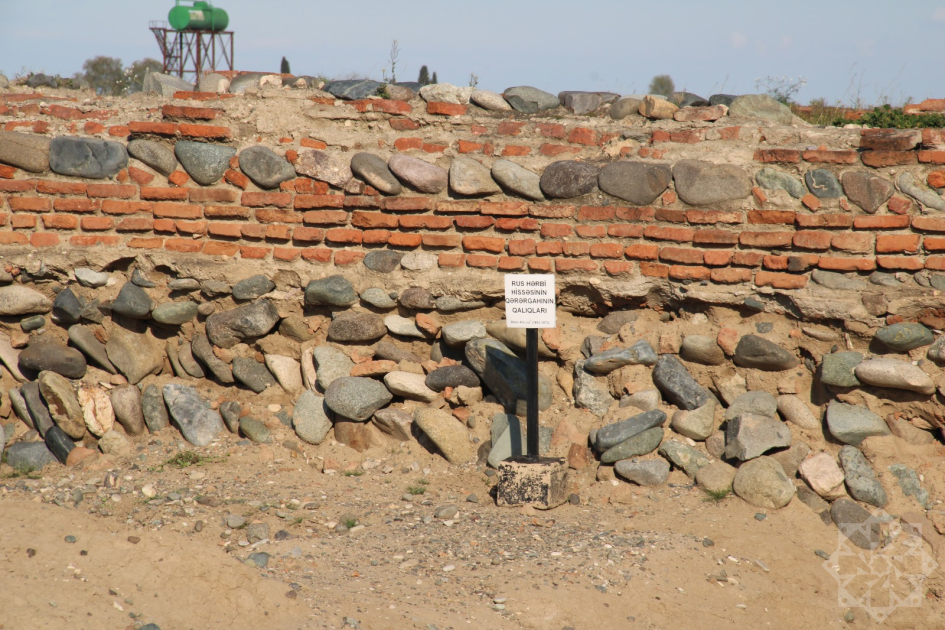
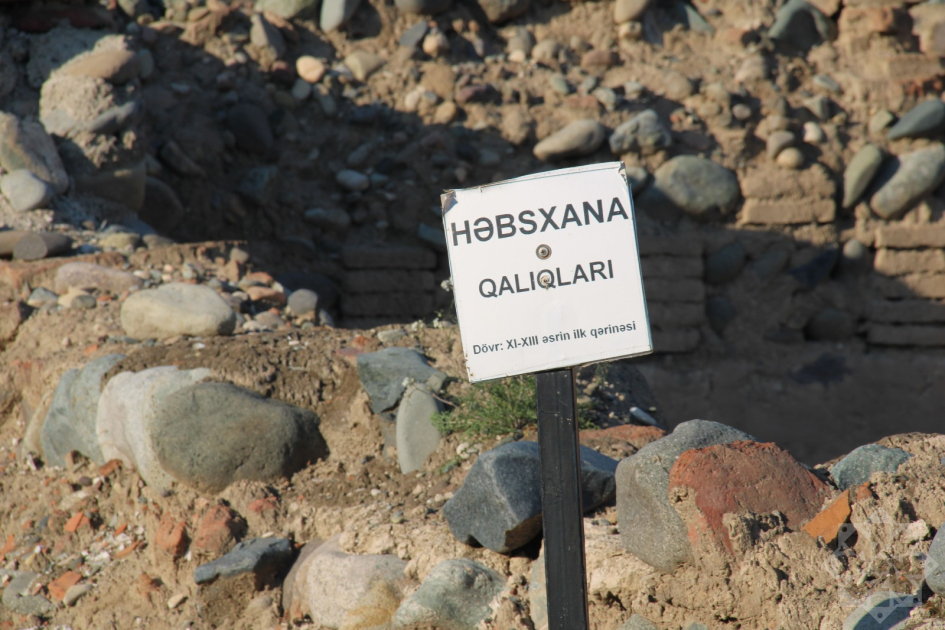
In the northwestern part of the fortress, buildings lining two parallel streets, along with the remains of an apothecary, soldiers’ quarters, and prison cells, reveal that this area served not only as a defensive stronghold but also as an important administrative and social center. The uncovered bread ovens, hearths, and kitchen remains offer a vivid glimpse into the daily lives of the ancient city’s inhabitants.
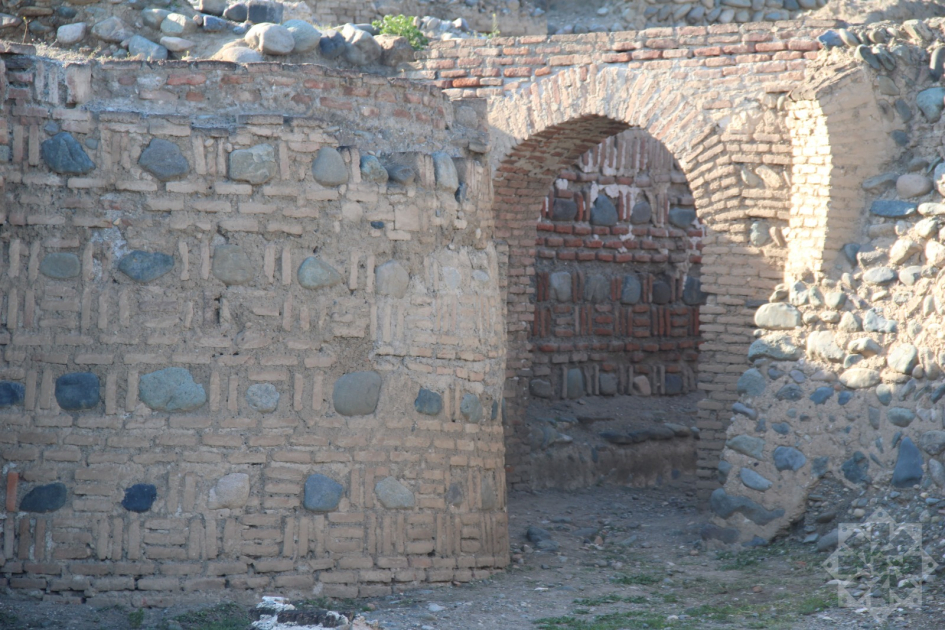
Among the most fascinating features of Naringala are its ancient engineering systems. A narrow corridor within the fortress walls, a sophisticated drainage network, and a Seljuk-era ovdan-type hydraulic structure all point to a highly developed urban infrastructure. Stair-stepped water installations, ventilation systems, and ingenious water supply solutions reveal that ancient Shamkir was one of the most advanced cities of its time.
Archaeological findings, including pottery, household artifacts, coins, and structural remains, confirm that the area once served as a significant trade and cultural center. Today, it has become one of the most frequently visited sites for history enthusiasts, photographers, and travelers.

Other news in this section


