Baku should further develop its local architectural tradition – French urbanist VIDEO
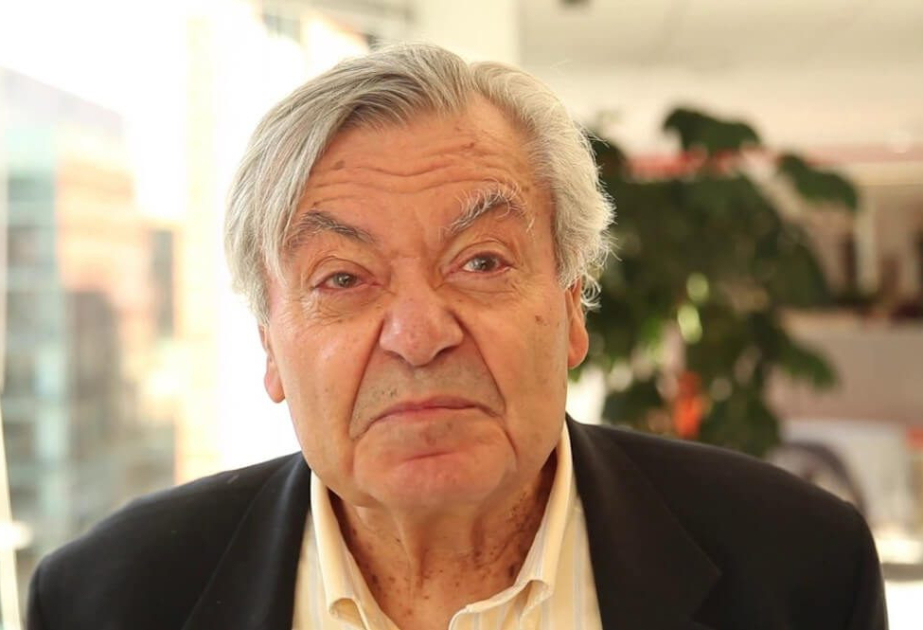
Baku, May 12, AZERTAC
Modern-day Baku is increasingly strengthening its position as a dynamically developing urban center of the region, where large-scale infrastructure transformation, urban innovation, and a commitment to sustainable development converge. Against the backdrop of these processes, the city is becoming an important platform for international professional dialogue on the future of cities, territorial reconstruction, and the shaping of new standards for urban environments.
In this context, issues related to the reconstruction of post-conflict regions, the development of “smart” and sustainable communities, as well as the role of architecture and urban planning in ecological and social transformation, are becoming especially relevant. Baku is increasingly viewed as an example of a city striving not only for physical renewal, but also for strengthening its international role through participation in global forums and the exchange of expertise in the field of urbanism.
Answering questions from AZERTAC is French urbanist, economist, and researcher of urban development Alain Bertaud, widely known for his views on how cities truly function. Alain Bertaud spent around 20 years at the World Bank as Chief Urban Planner. He currently collaborates with New York University and research centers in the United States.
— In the coming days, Azerbaijan will host an important international event — the World Urban Forum 13 (WUF13). In your opinion, what could hosting this forum in Baku mean for the country’s international image, professional exchange, and the future of urban development?
— I believe it is always beneficial to meet people from different countries and exchange ideas. It can be inspiring. At the same time, we should not forget that such forums bring together many people with very different perspectives, and one must be able to distinguish genuinely valuable ideas. There will inevitably be supporters of both certain approaches and their opposites. But overall, for the future development of a city, having such a forum is undoubtedly very useful.
— Speaking about the future of cities in the South Caucasus, what role, in your view, could Azerbaijan play in shaping new regional standards of sustainable urban development?
— Azerbaijan is a country with significant resources, which gives it opportunities to influence development processes. Azerbaijan’s role will only continue to grow.
— Azerbaijan is paying great attention to sustainable development and the green transition. To what extent is the architectural sector today truly capable of influencing national environmental agendas?
— In my book, I write that cities are primarily labor markets. This means that people must be able to move quickly and efficiently from one part of a city to another. Part of this efficiency, from a sustainability perspective, lies in minimizing carbon emissions. Therefore, when developing cities, it is essential to ensure efficient public transportation. Whether this involves smaller electric vehicles or larger systems depends on the city’s form and scale. In general, transportation is the key element.
— How do you assess the role of architecture and urban planning in shaping a country’s international image, considering that Azerbaijan in recent years has been actively positioning itself as a platform for global events and urban initiatives?
— I have spent only one day of my life in Baku, so my experience is limited. But what stayed with me was the use of stone. It is a very beautiful building material, and you have highly skilled stone masons.
I think you should continue developing this local architectural tradition. It will give Baku a unique appeal in the future. Urban design is also extremely important. For example, the way metro stations connect with squares and streets matters greatly. The same applies to street design — for pedestrians, commerce, and urban life. You have your own architectural style, a distinctly Azerbaijani one. And as I mentioned, it should continue to evolve rather than succumb to the temptation of conforming to an international universal style. The development of a unique architectural identity is extremely important.
Author – Tamilla Mammadova

Other news in this section


