Kronborg Castle – a unique Renaissance building, UNESCO World Heritage Site in Denmark
Baku, November 15, AZERTAC
Located north of Elsinore on a strategically important site commanding the Sound (Øresund), a narrow stretch of water between Denmark and Sweden, the Kronborg Castle played a key role in the history of Northern Europe from the 16th to the 18th centuries.
Thanks to Kronborg Castle, positioned at the narrowest part of the Sound - the gateway to the Baltic Sea, which is only four kilometres wide, this passage was controlled by Denmark from 1429 to 1857.
Around 1.8 million ships passed through the Sound during this period and all of them had to pay a toll at Kronborg Castle. For this reason, Kronborg Castle and its fortress became a symbol of Denmark’s power.
In the 1420s, Eric of Pomerania built the first castle, the “Krogen”, on this unique site. Remnants of the old walls can still be seen at the castle today.
In 1574, King Frederik II began the construction of the outstanding Renaissance castle and the surrounding fortifications, which would eventually be known as Kronborg Castle.
Following the disastrous fire of 1629 the castle was reconstructed almost exactly as it was before. The Chapel, which was the only building not to have been ravaged by the fire, has preserved its original altar, gallery, and pews, with fine carvings and painted panels.
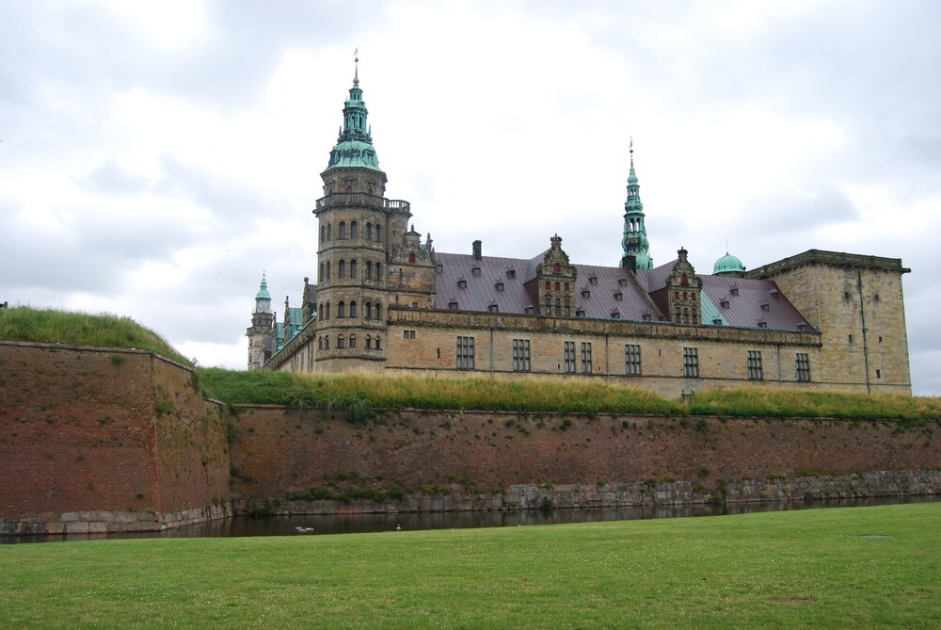
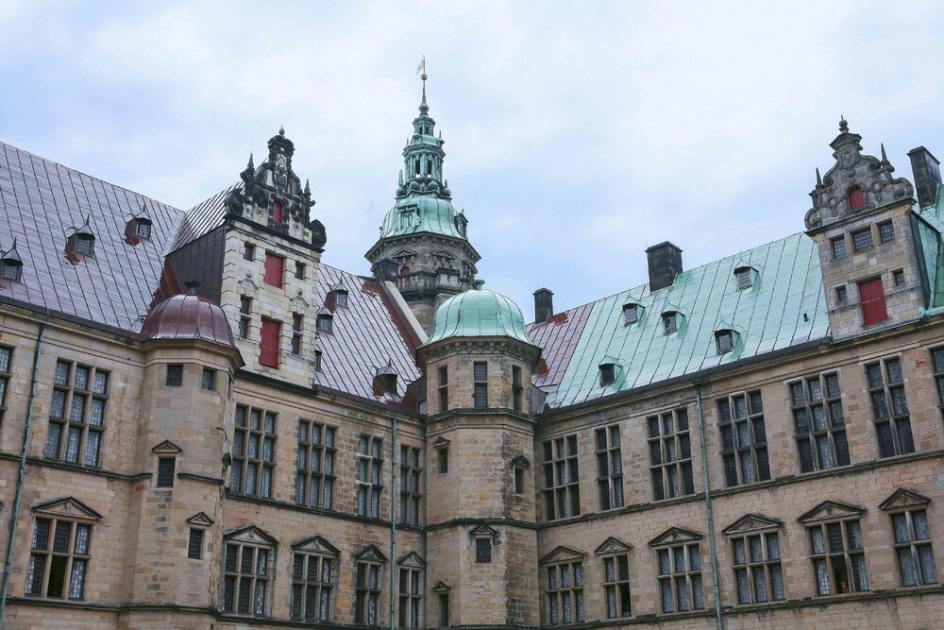
The castle itself is a Renaissance building with four wings surrounding a spacious courtyard. The bright sandstone facades are characterized by horizontal bands and the front walls are balanced by towers and spires.
The castle is extensively and richly decorated with sandstone ornaments in unique and imaginative designs. The Great Hall (the banqueting hall) is one of the most exquisite rooms from this time - and the largest of its kind in Northern Europe.
Kronborg Castle is also world famous as the setting of Shakespeare’s Hamlet.
Inscribed on UNESCO World Heritage Site in 2000, Kronborg Castle was admired for its beauty as a castle and feared for its strength as a fortress.
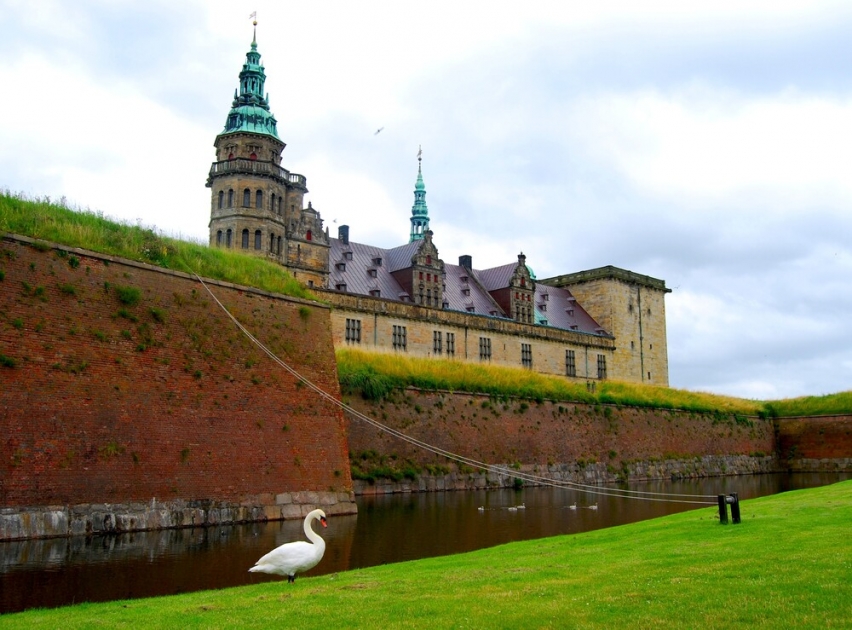
The castle was protected by tall ramparts and strong angular bastions. The overall impression of Kronborg Castle is closely associated with its architecture and location, which stress the castle's symbolic, commercial, and strategic importance.
Other news in this section


