Aghbil Mausoleums: Preserving a legacy from the period of the Safavids VIDEO
Guba, October 1, AZERTAC
The latest feature in AZERTAC’s “If I Were a Tourist” column spotlights the Aghbil Mausoleums.
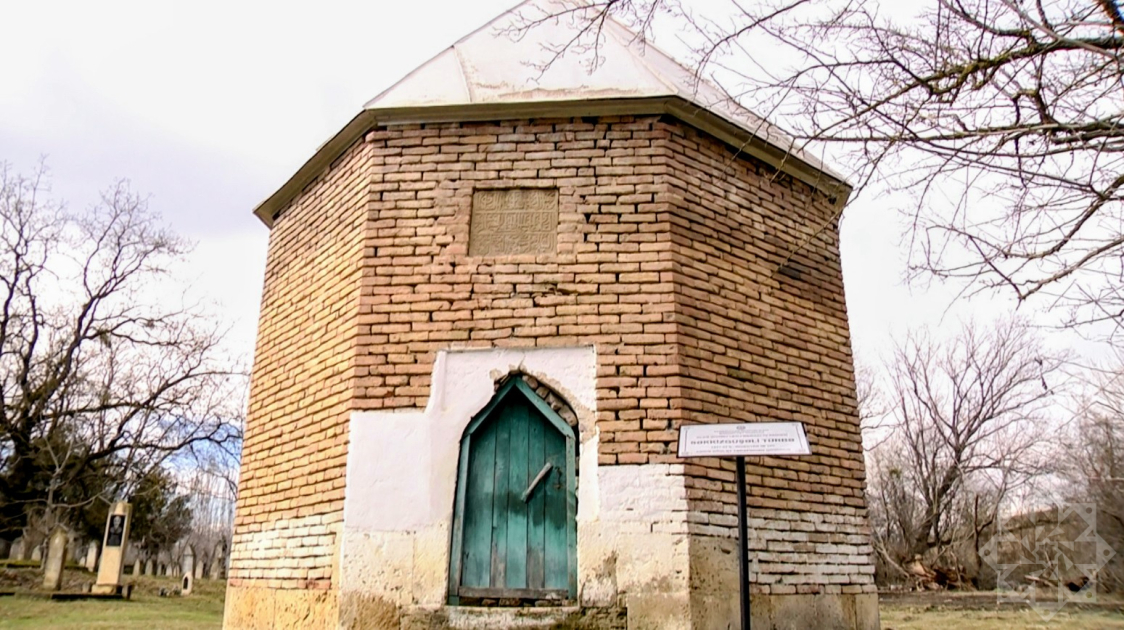
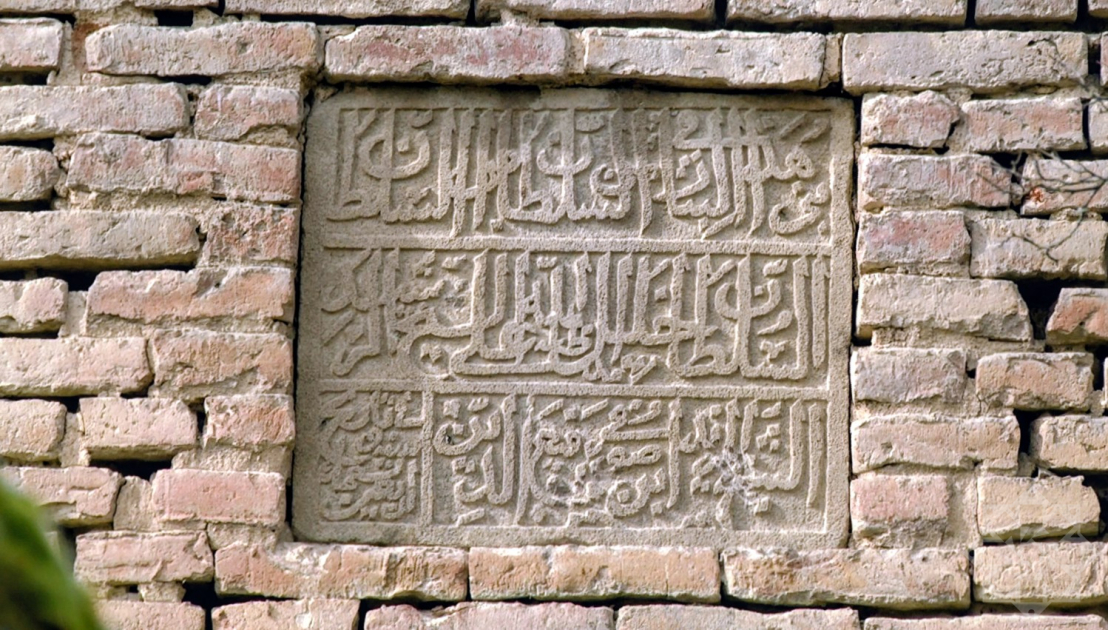
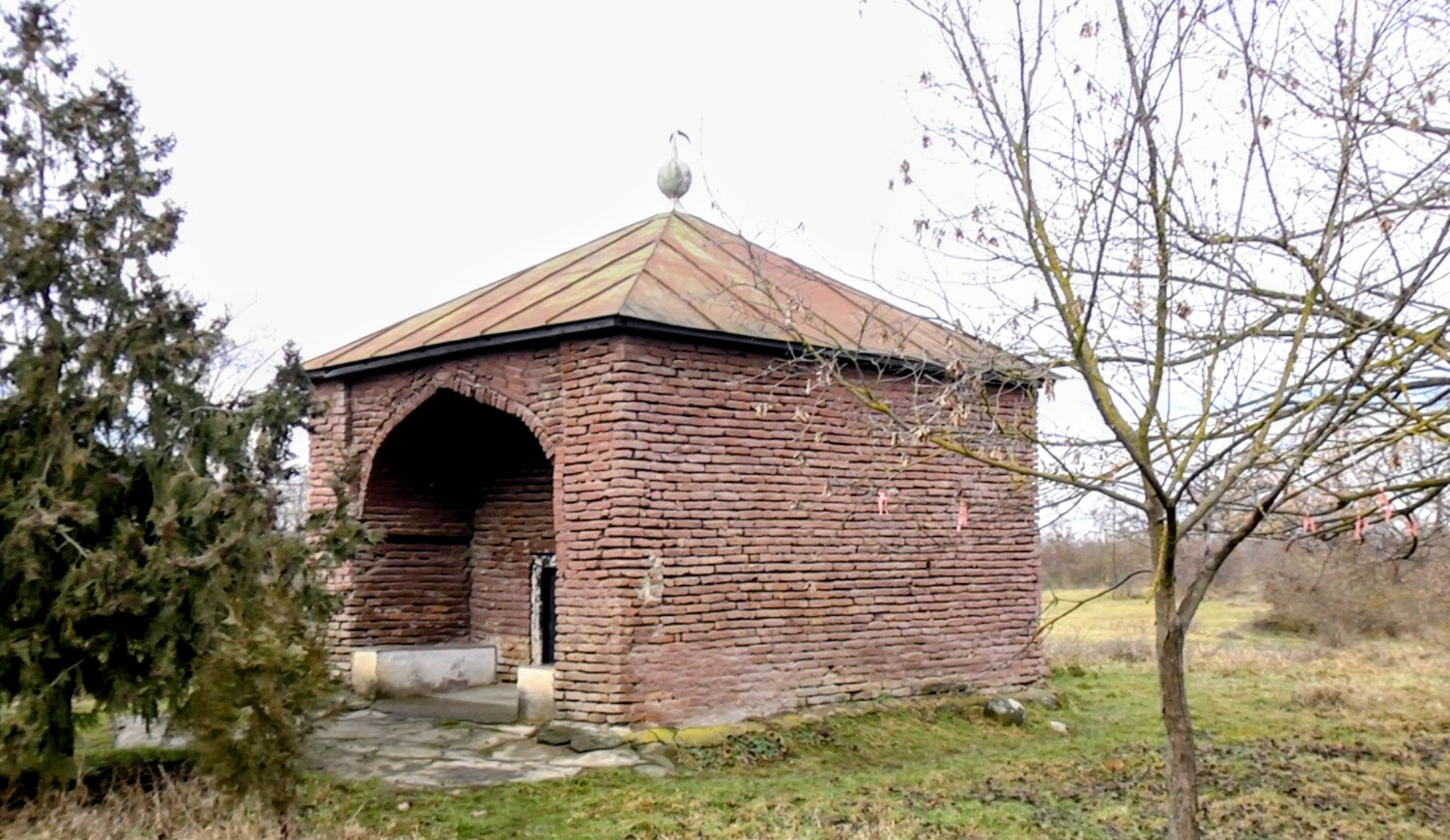
A visit to Aghbil, one of Guba’s ancient settlements, offers a glimpse into remarkable architectural heritage dating back to the Safavid period. Standing in the village’s old cemetery, the Aghbil Mausoleums have survived to the present day as valuable reminders of the region’s rich history and culture.
Burial mounds and various gravestones from earlier periods can also be found in the area where the mausoleums are located. Their presence suggests that the site has a history extending far beyond the Safavid period.
The name Aghbil itself is believed to be connected with the area’s historic monuments. Some sources note that the village was founded in the 19th century by people who migrated from Zeyid village and was initially known as “Aghbil Zeyid.” One interpretation suggests that “Aghbil” combines “agh,” meaning “small,” with “bil,” an ancient Bulgarian word for a mausoleum or gravestone, and can therefore be understood as “small mausoleum” or “gravestone.”
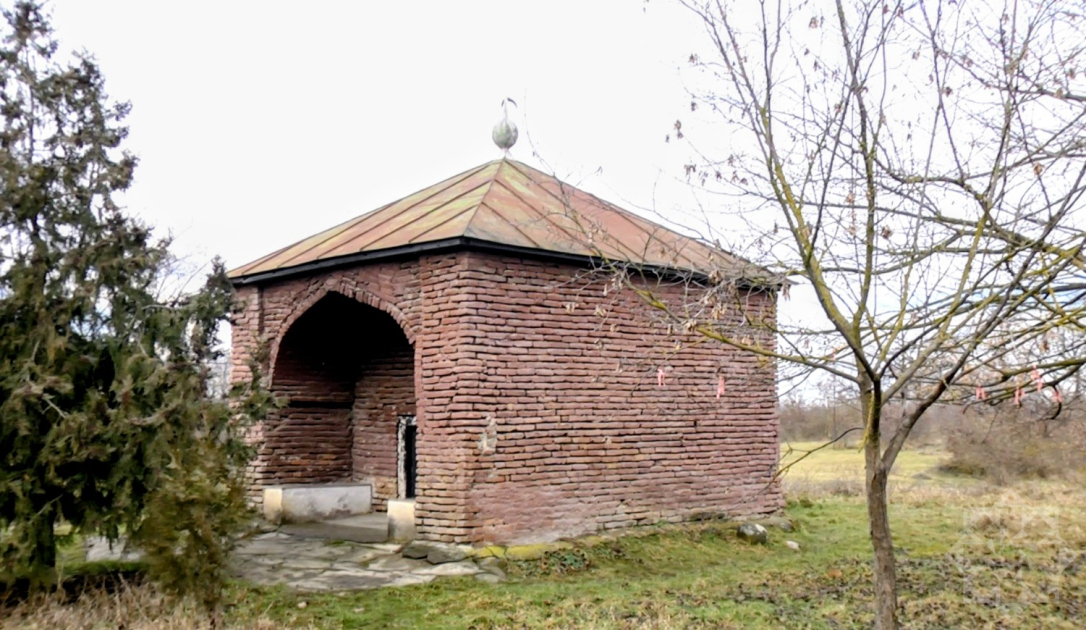
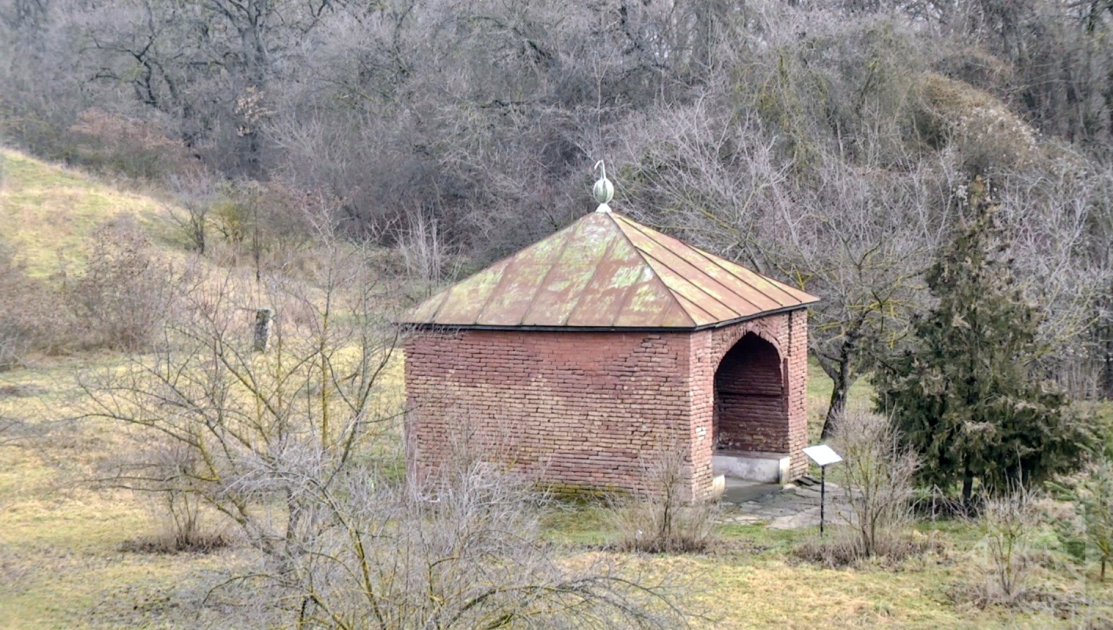
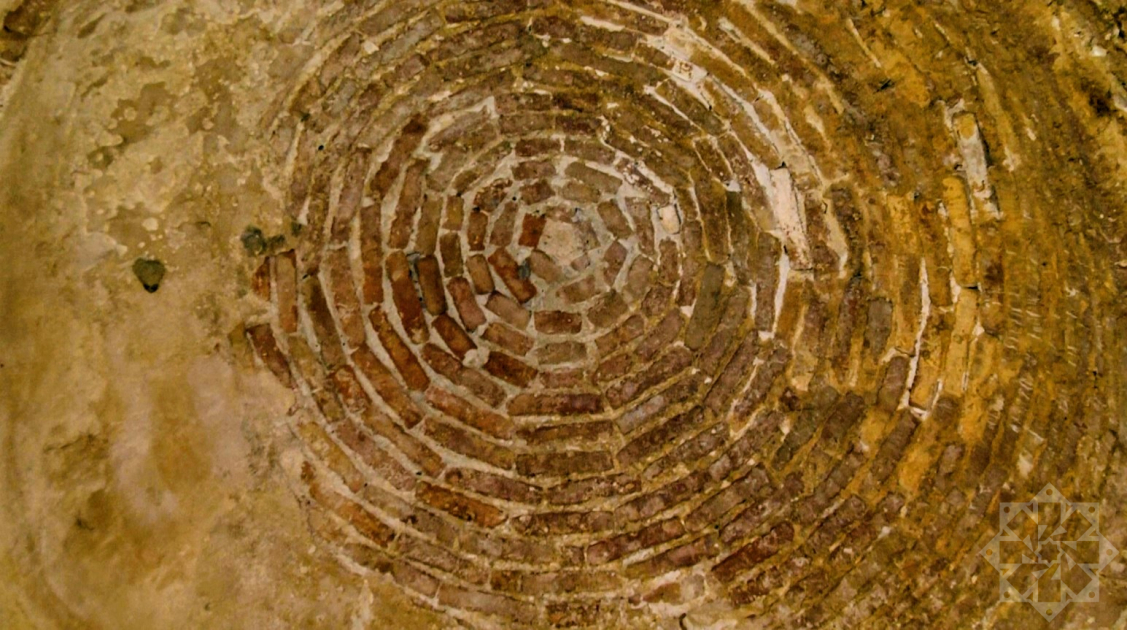
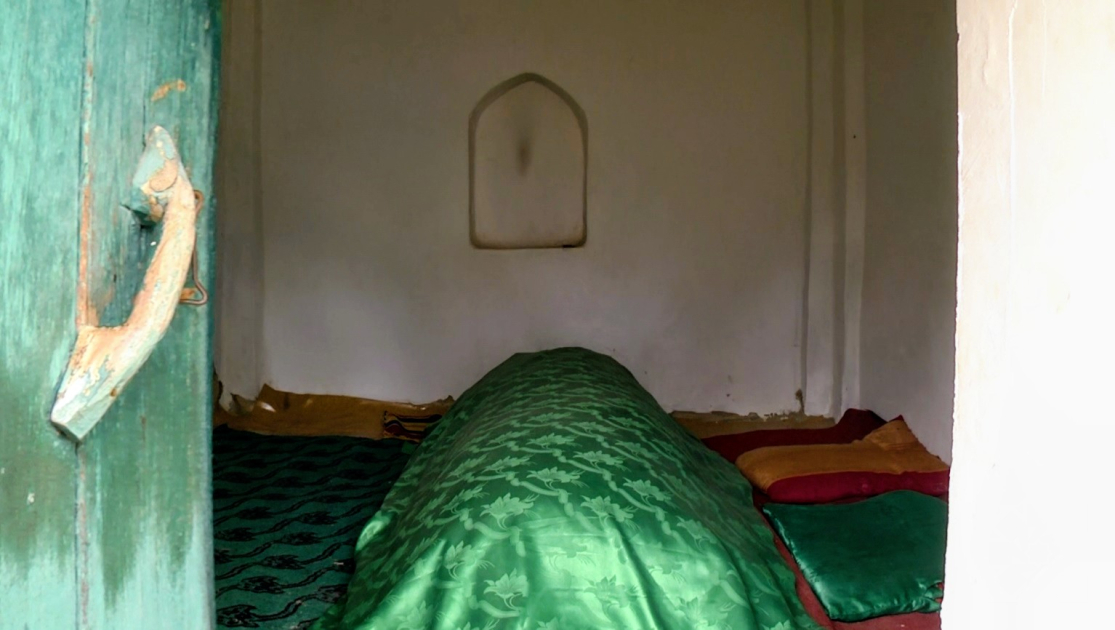
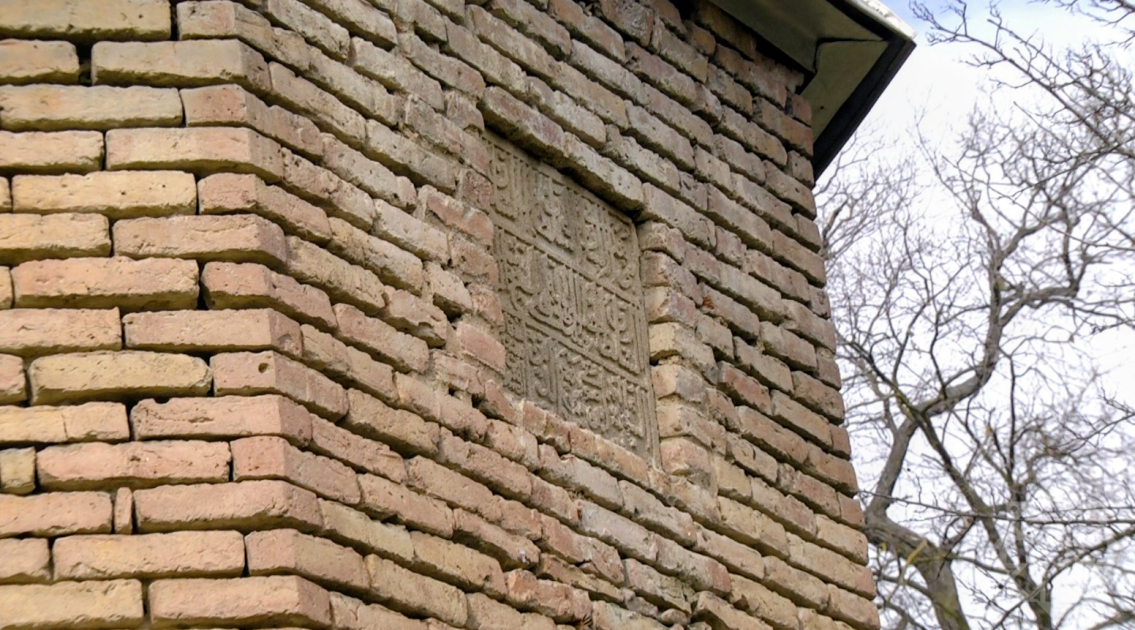
Two mausoleums have survived in the village to this day. One of them is the Sheikh Mazyad Mausoleum, notable for its octagonal design, while the other is known as the Rectangular Mausoleum. With its exterior appearance, the latter resembles a small residential building. The fact that both monuments belong to the same period raises the possibility that they were the work of the same architect. Their architectural features further point to a number of similarities between the two monuments.
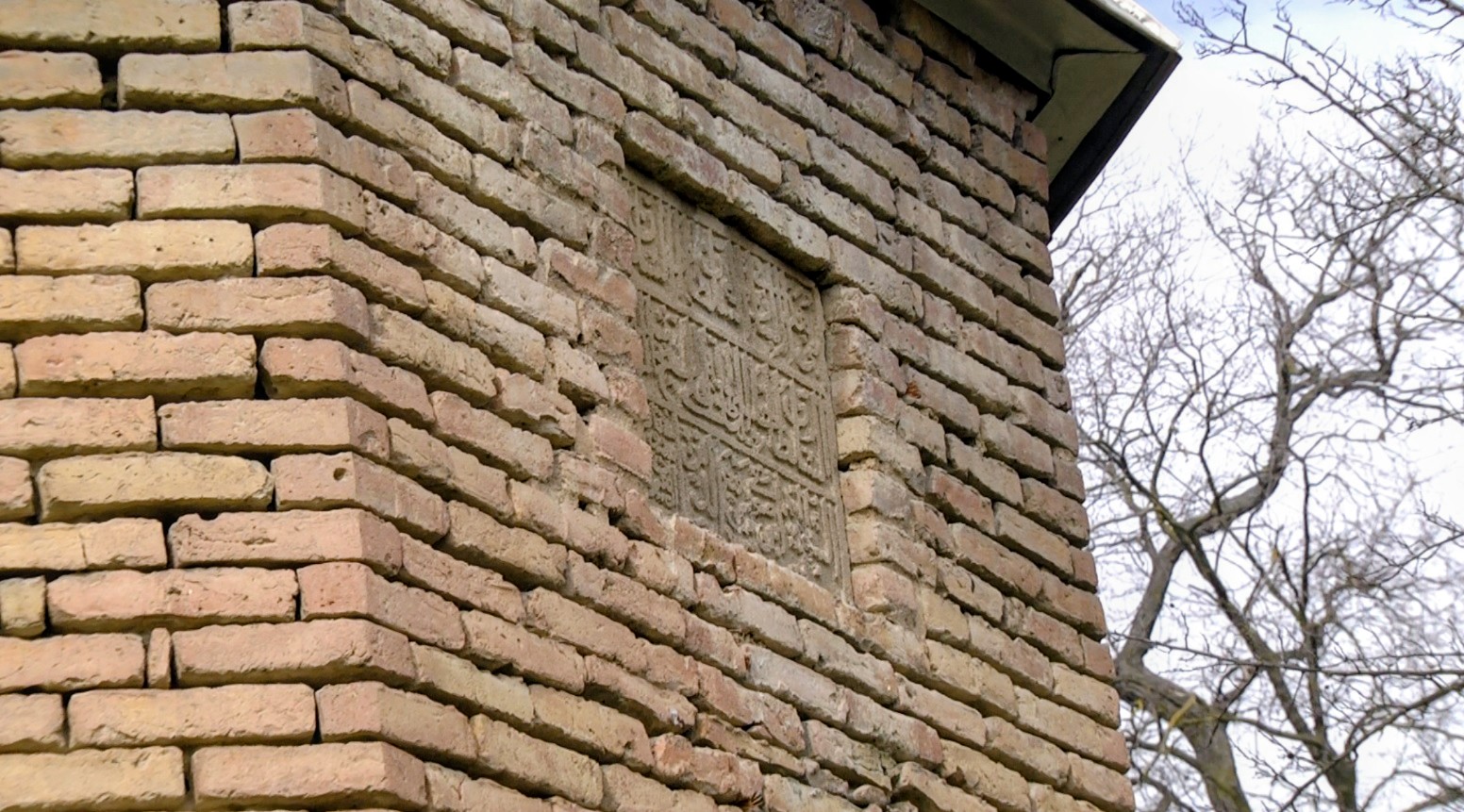
Interestingly, the area is known among locals as “Dord Aghbil,” or “Four Aghbils,” indicating that four mausoleums may once have stood here. Two were subsequently destroyed or dismantled. The records of B.A. Dorn, an academician of the St. Petersburg Academy of Sciences, are among the principal written sources confirming their existence.
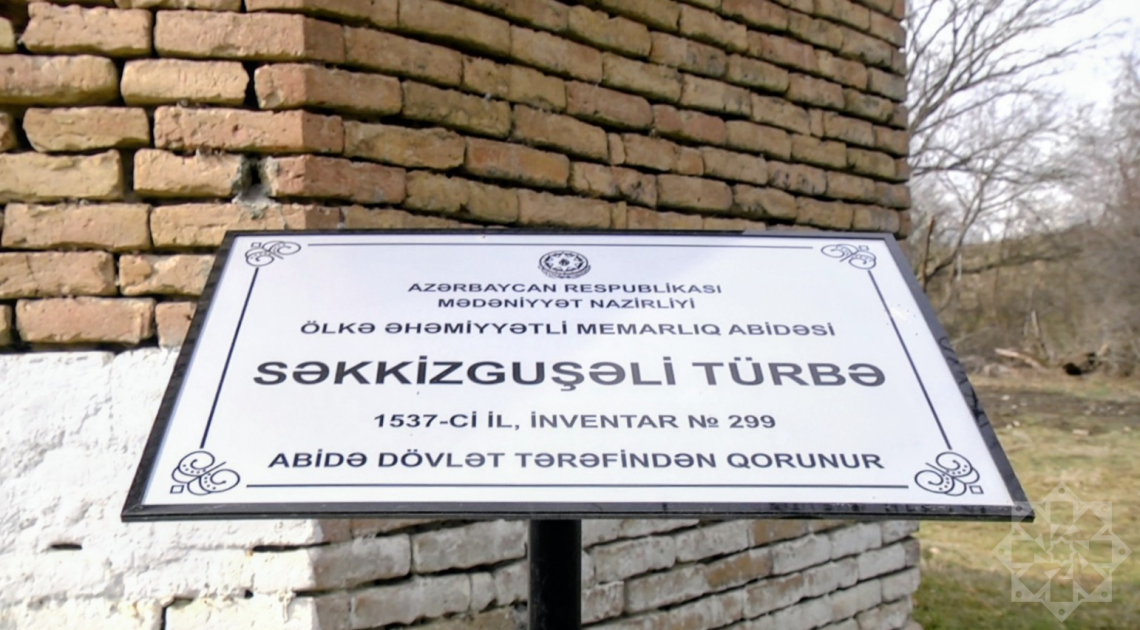
The Aghbil Mausoleums still stand today as silent witnesses to the past, preserving the historical legacy of Guba. Both are protected by the state as architectural monuments of national significance.

Other news in this section


