Azerbaijan introduces ASAN Khidmet model to Caribbean countries



Baku, October 1, AZERTAC
Azerbaijan introduced its ASAN Khidmet model at the international forum titled “Governance Innovation Forum: People-Powered and Inclusive Public Administration for a Resilient and Future-Ready Caribbean” in Santo Domingo, the capital of the Dominican Republic.
The event was organized by the United Nations Department of Economic and Social Affairs (UN DESA) in collaboration with the State Agency for Public Service and Social Innovations under the President of the Republic of Azerbaijan, the Economic Commission for Latin America and the Caribbean (ECLAC), the Caribbean Centre for Development Administration (CARICAD), and the Latin American Center for Development Administration (CLAD).
Held as part of the implementation of the Contribution Agreement signed between Azerbaijan and the United Nations on November 11, 2024, the forum gathered nearly 100 participants, including ministers responsible for public administration and public service delivery in Caribbean countries, heads and senior representatives of government bodies, as well as officials from the United Nations and other international organizations.
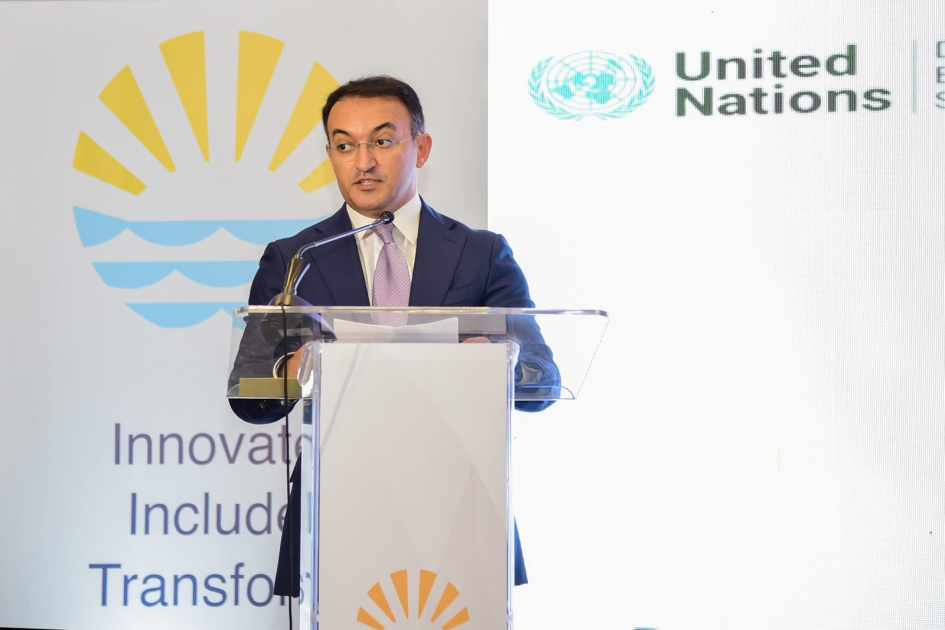
In his remarks, Ulvi Mehdiyev, Chairman of the State Agency for Public Service and Social Innovations, noted that innovation is not limited to new technologies and digital platforms, but also requires stronger institutions, agile governance, and people-oriented public services.
He also stressed the importance of developing multi-channel service delivery, expressing Azerbaijan’s readiness to share its ASAN Khidmet model with Caribbean countries.
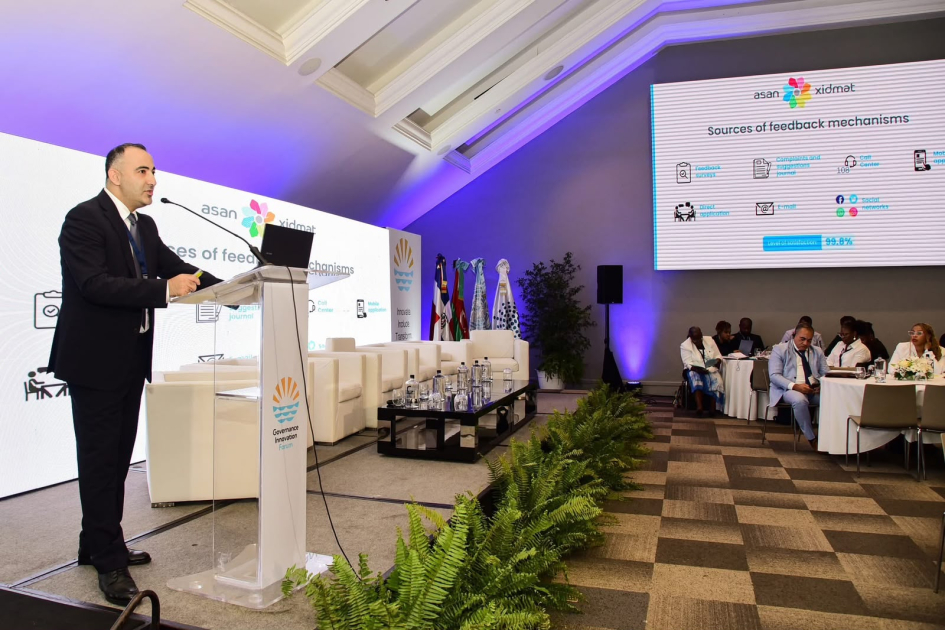
Subsequently, Mahammadali Khudaverdiyev, Director for International Affairs of the State Agency, delivered a presentation on the ASAN Khidmet model, innovative approaches to public service delivery, and international cooperation.
The Azerbaijani delegation also met with the Minister of Public Service and Talent Development of Barbados and the State Minister in the Ministry of Finance and the Public Service of Jamaica, exploring ways to implement the ASAN Khidmet model in the two countries.
Other news in this section


