Baku Engineering University launches international research project with its Chinese partner
Baku, August 31, AZERTAC
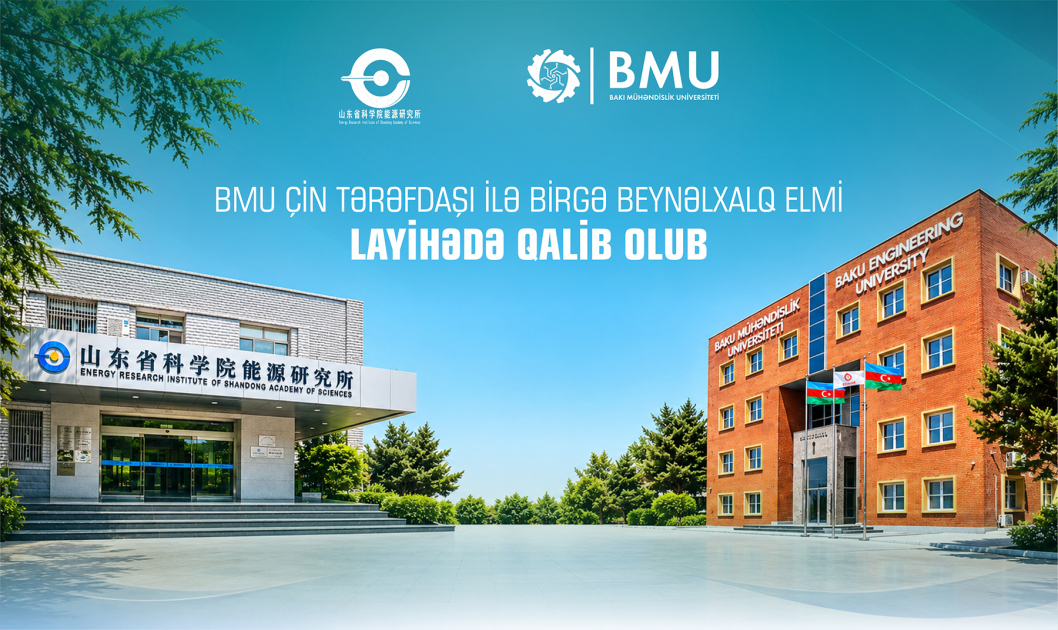
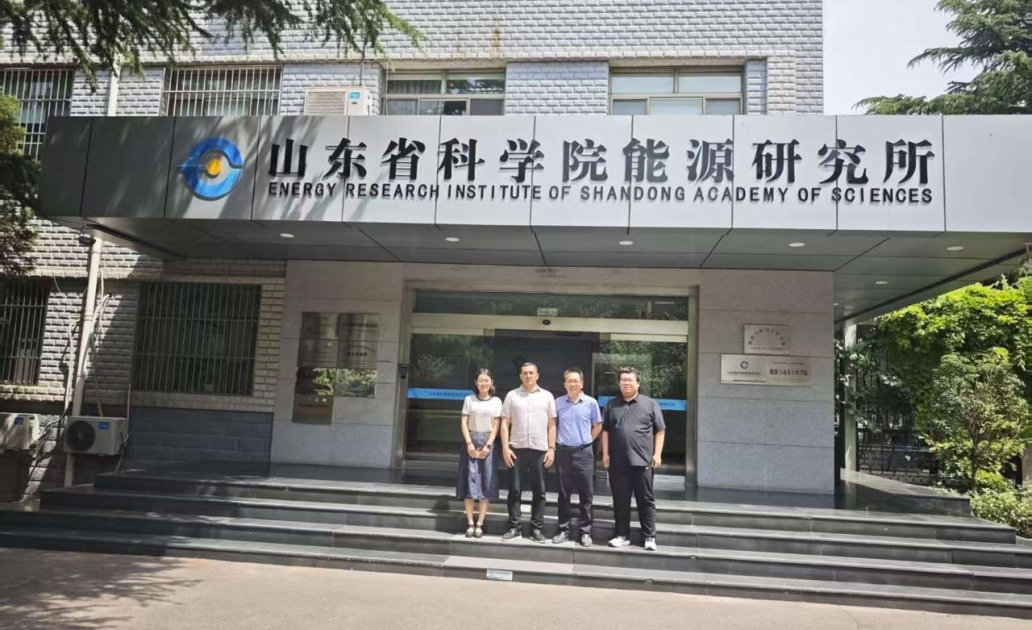
A new direction of scientific research cooperation has been established between Baku Engineering University (BEU) and the Energy Research Institute of the Shandong Academy of Sciences (SDERI) of the People's Republic of China.
According to the University, the project jointly prepared by the partner institutions won the competition of Shandong Province's Key Research and Development Program (International Scientific and Technological Cooperation direction).
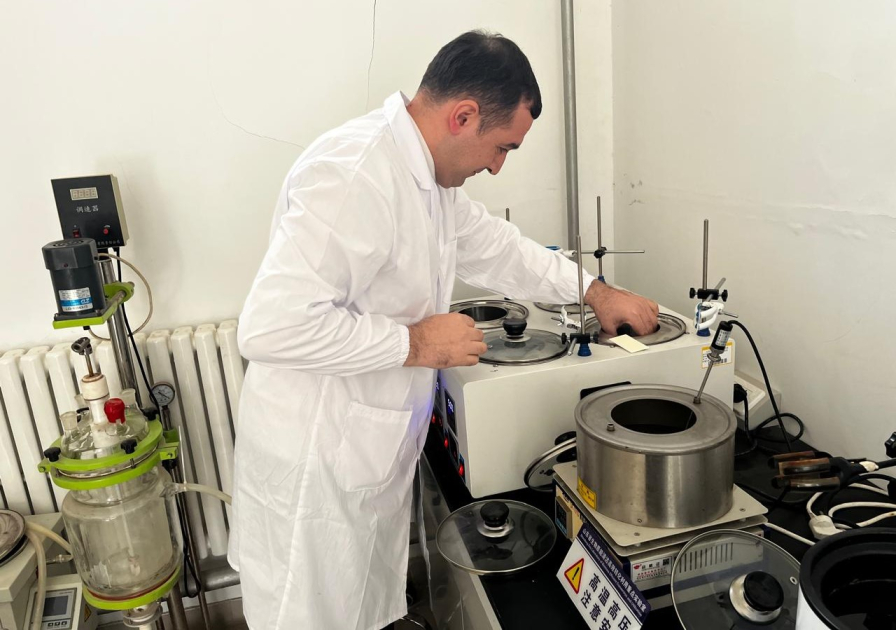
The project, titled "Green Preparation of Hard Carbon Anode Material for Sodium-Ion Batteries," envisages conducting research on the development of modern energy storage technologies, the efficient use of alternative energy sources, and the development of environmentally sustainable materials. The main goal of the project, to be implemented over 36 months, is to develop technology for the environmentally friendly and efficient preparation of hard carbon-based anode materials used in sodium-ion batteries. Within the framework of the research, it is envisaged to study the properties of raw materials, optimize preliminary processing and pyrolysis-carbonization technologies, improve a 50-kilogram pilot unit, and modify hard carbon materials. In the next stage, it is planned to test the technology on a pilot scale, verify the products under real working conditions, prepare a patent application, and develop technical specifications.
On behalf of BEU, the project is led by Elmir Babayev, Associate Professor at the Department of Chemical Engineering and PhD in Chemistry. On the Chinese side, the project is being carried out by the Energy Research Institute of the Shandong Academy of Sciences.
The joint initiative shows that the scientific component of the recently developing ties between BEU and its Chinese partners is strengthening. In 2026, a Memorandum of Understanding was signed between BEU and the Energy Research Institute of the Shandong Academy of Sciences (Qilu University of Technology, Jinan, People's Republic of China). The document created an institutional basis for conducting joint research in energy, green technologies, new materials, and other priority fields, developing projects, exchanging scholars and researchers, as well as expanding opportunities for mutual use of scientific infrastructure. The support given to the current project within the framework of Shandong Province's Key Research and Development Program shows that these agreements have translated into practical results.
The project also envisages scientific exchange between Azerbaijani and Chinese scholars. During the project period, mutual visits are planned, including the organization of short-term research trips by BEU researchers to China, the use of laboratory facilities, and conducting joint research with partners.
The new project shows that BEU's partnership with China is developing not only in the field of education, but also in research and innovation. The university's ties with China cover dual-degree programs, student and faculty exchange, joint scientific events, and research projects. Within this framework, a bachelor's-level dual-degree program is carried out between BEU and Beijing University of Chemical Technology (BUCT), and the BUCT-BEU Faculty of Engineering operates. The cooperation covers the fields of chemistry, biotechnology, computer engineering, and mechanical engineering. In addition, a master's-level dual-degree program is carried out between BEU and Beijing University of Civil Engineering and Architecture (BUCEA).
The project's victory within the framework of Shandong Province's Key Research and Development Program demonstrates that a new stage combining education, science, and innovation is forming in BEU's cooperation with China. Among the main directions of this cooperation, joint scientific research, green technologies, energy storage systems, and the development of innovative materials hold a special place.
Other news in this section


