Land of fire – Azerbaijan: one history, one destiny…
Baku, November 1, AZERTAC
“Without breaking away from its Eastern roots, the people of Azerbaijan created a unique culture based on the synthesis of Western civilization…” — when Heydar Aliyev said this about his homeland, he was speaking an unquestionable truth. It is no coincidence that this land — a cradle of civilizations — has always captivated Uzbek people. What connects Azerbaijani and Uzbek people is not only geographic proximity on the map, but bonds of blood, language, and heart. Yes, it is fair to say: our history is a shared history — the history of two great peoples, two noble states, and at the same time, one destiny forged together through the great trials of the 20th century. It is precisely these thoughts that deepen our reverence for this sacred land — the land of fire and winds.
When we gaze upon this miraculous land at the crossroads of world civilizations, it feels as if we have stepped into a library of history, where the echoes of the glorious past gently stir the heart. The mighty mountains, reflected in the gentle breeze of the Caspian, watch from afar like wise witnesses of a great past. This land, from whose depths fire emerges and which has always given warmth to the hearts of its people, gifted the world the mugham art. It cradled and raised masters of the word such as Nizami Ganjavi, unmatched poets like Fuzuli, and many devoted scholars including Bekir Chobanzade.
If we turn to recent times, the last seven years have been a new Renaissance in relations between our brotherly peoples. Thanks to the firm political will of President Shavkat Mirziyoyev and President Ilham Aliyev, relations between our two states have risen to the level of strategic partnership. This confident strategic cooperation — strengthened over many years — has brought our two nations even closer. First, the volume of trade and economic ties began to expand, and today Uzbekistan and Azerbaijan, making joint use of corridors such as the Baku–Tbilisi–Kars railway, are decisively moving toward becoming key logistics hubs of the Eurasian space. Our cultural dialogue is also continuing in a sincere and meaningful way. The Heydar Aliyev Cultural Center in Tashkent and the monument to Alisher Navoi in Baku are symbols of our spiritual bonds. In particular, within the framework of the Organization of Turkic States, Uzbekistan, standing shoulder to shoulder with the Azerbaijani people in ensuring regional peace, security, and stability, is clearly demonstrating the strength of our unity.
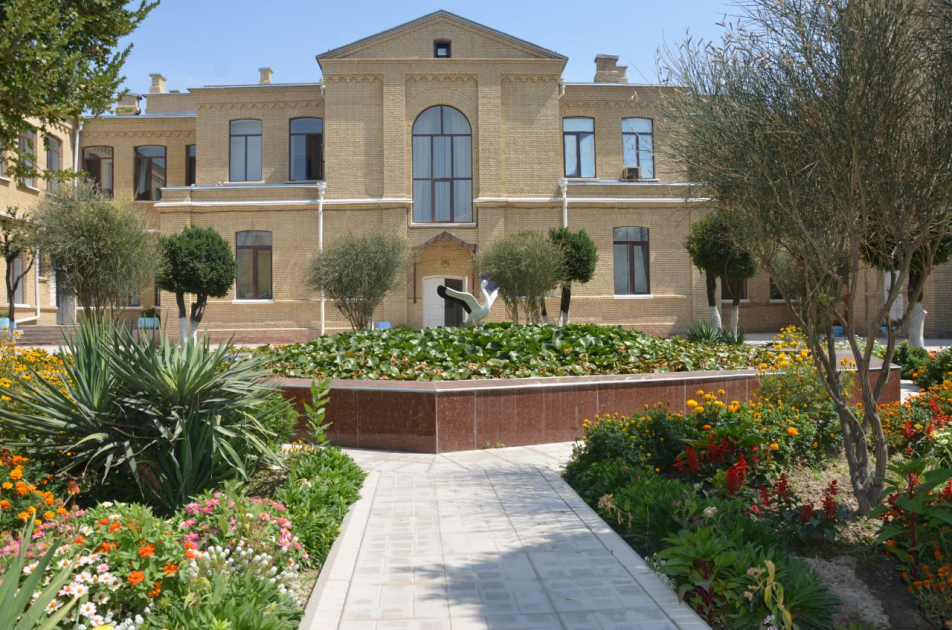
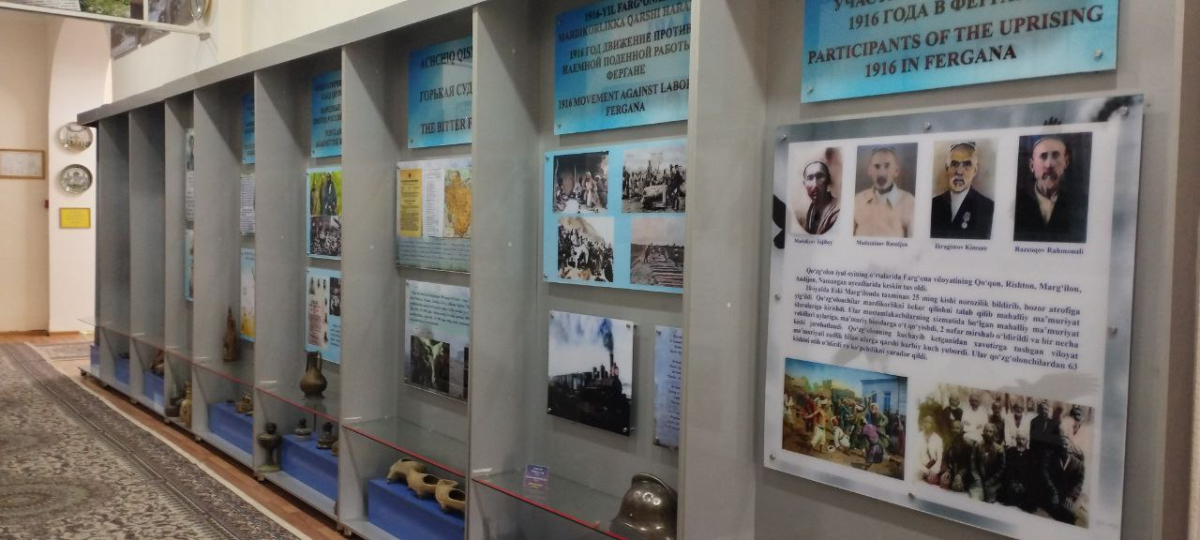
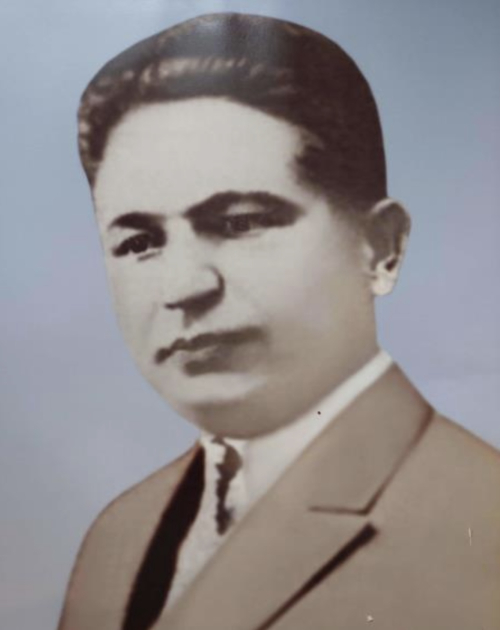
Thus, the time has come to strengthen the era of peace, prosperity, and progress — the very era our great ancestors dreamed of — through unity and solidarity. And when we speak of the dreams of our ancestors, we come to understand that studying the common destinies and experiences of Uzbek and Azerbaijani intellectuals, enlighteners, and public figures during the period of repression in the early 20th century — exploring those tragic pages, grasping the historical truth in depth — is both our duty to our ancestors and an answer to the pain that still trembles in our hearts. In this regard, the life and work of the progressive scholar Bekir Chobanzade — who left a profound mark on the history of Fergana State University between 1930 and 1935 and laid the foundation for the Department of Uzbek Language and Literature — became one of the elements that made our research even more meaningful.
On the question of transitioning to a Latin-based alphabet, Bekir Chobanzade was invited to Uzbekistan in 1926 and 1928. He visited the cities of Tashkent, Samarkand, Fergana, Andijan, and Namangan. He delivered lectures and held discussions at the Central Asian State University in Tashkent, the Higher Pedagogical Institute (Pedagogical Academy, 1928) in Samarkand, and the Pedagogical Technical School in the city of Fergana.
From 1930 to 1935, he chaired the Department of Uzbek Language and Literature at the Fergana State University, then known as the Fergana State Pedagogical Institute. The scholar authored nearly 150 scientific works, published in dozens of languages. Among these works, special attention should be given to studies such as “Turkic Language” (1928), “Turkic Grammar,” “Turkic Literature and Its Specific Features” (1929), “Methodology of the Turkic Language” (1934), and “The Turkic Language and Literature” (1936). At the beginning of the 20th century, Bekir Chobanzade as a renowned Turkologist, scholar, and poet was one of the prominent representatives of the Jadid enlightenment movement that had spread widely across Central Asia. His name stands dear to Uzbek people alongside figures such as Abdulla Avloniy and Abdurauf Fitrat. In particular, the scholarly direction he laid down in the early years of the Fergana State Pedagogical Institute — the historical study of Turkic languages and the poetics of classical Uzbek literature — was continued by academicians like V. Abdullaev, G. Abdurahmonov, A. Ibrohimov and A. Matgoziev.
This scholar — who devoted himself selflessly to the causes of national freedom, the liberty of his people, and the spread of knowledge and enlightenment — was, in essence, a jadid. Chobanzade’s work in Tashkent was closely aligned with the ideas of Uzbek Jadids on education, language, and literary reform, and he himself defended the principles of Jadidism in Crimea. Academician Ziya Bunyadov, recalling those years, wrote that “the goal of the leadership in the 1930s was the complete destruction of the national cadres — above all, to eliminate the world-renowned scholars, thinkers, and intellectuals who had become aware of their identity and embraced new ideas.” In saying this, he had in mind figures such as Bekir Chobanzade. The reason is clear: Bekir Chobanzade was among the most accomplished Turkologists of the early 20th century. He also stood at the center of Azerbaijan’s scholarly life while at the same time working in close cooperation with the Uzbek intelligentsia. His persecution became part of the Stalinist repressions of the 1930s, a wave that specifically targeted the intellectuals of the Turkic peoples. This tragedy was a shared grief of our two brotherly nations.
Chobanzade’s connection to Fergana was rooted in his mission to transmit his knowledge of Turkology and linguistics to the intellectuals and youth of the Fergana Valley, thereby contributing to the national-enlightenment movement in the region and to the emerging modern education system. This fact makes him a powerful symbol of the intellectual dialogue and cooperation between the enlighteners of the entire Turkic world — and, in particular, between Uzbekistan and Azerbaijan.
Sumbula Makhmudova,
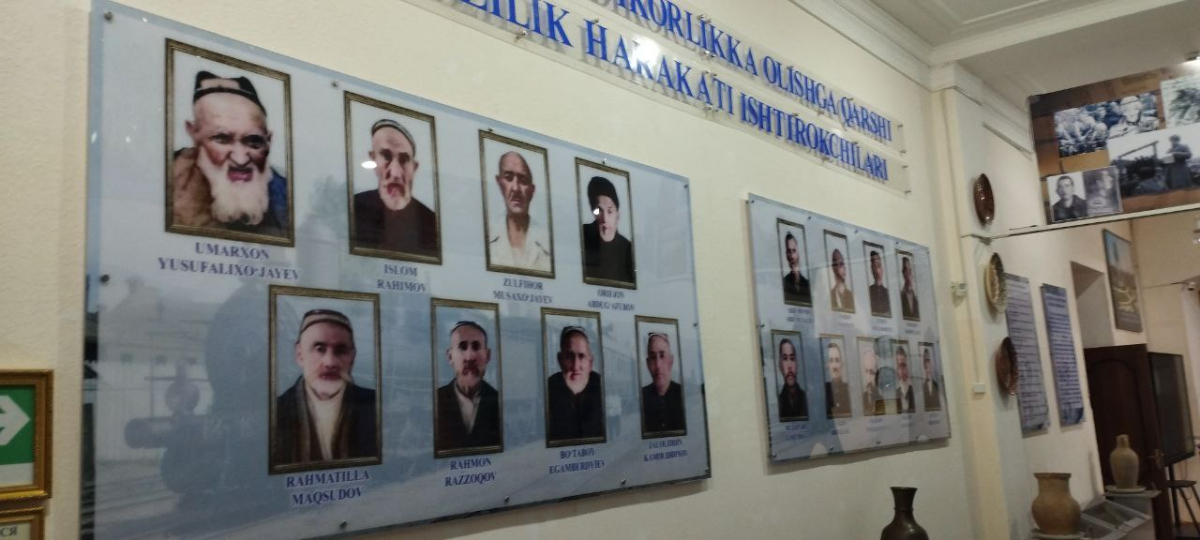
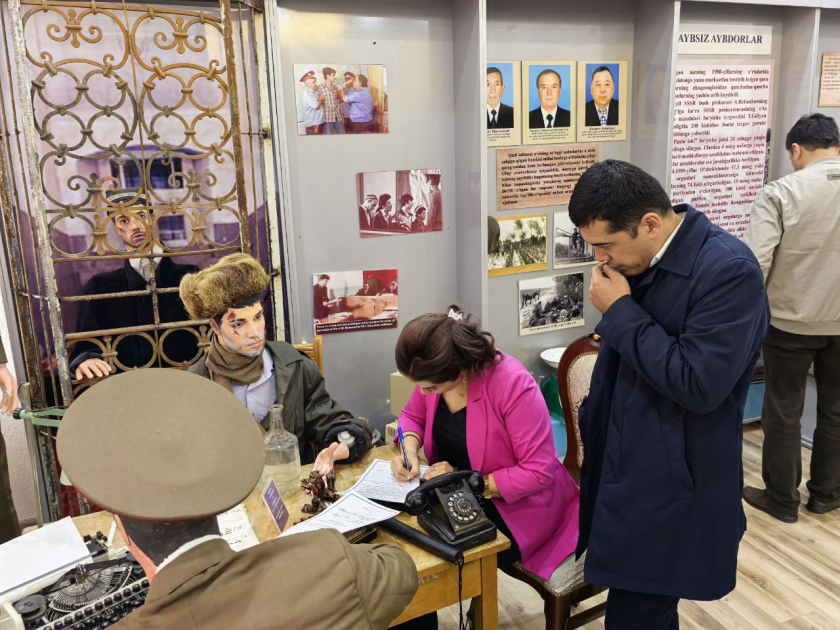
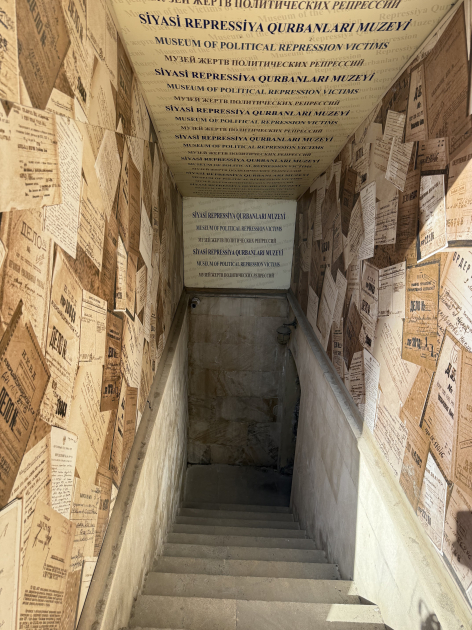
Associate Professor, Senior Research Fellow at the “Memory of Victims of Repression” Museum,
Fergana State University
Other news in this section


