“Impact Pioneers 26 EUROPE” programme’s Swedish week concludes in Stockholm
Stockholm, October 5, AZERTAC
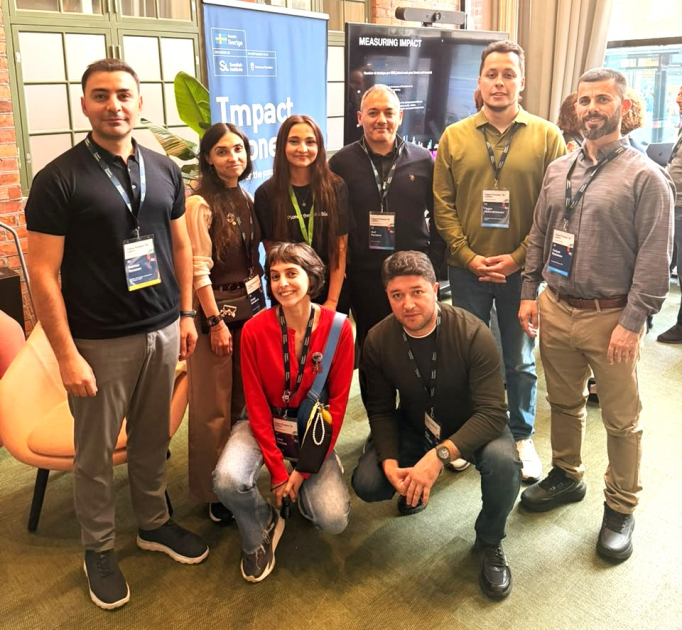
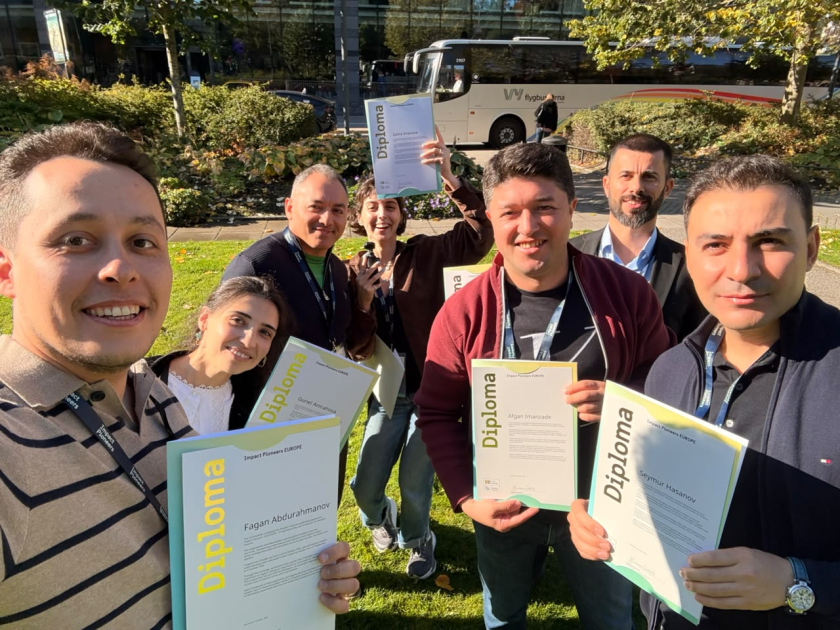
The Swedish week of the “Impact Pioneers 26 EUROPE” programme, organized by the Swedish Institute, was held in Stockholm from September 27 to October 3.
The programme, entitled “Entrepreneurship and Innovation for Resilient Futures,” brought together nearly 50 ecosystem leaders, experts from the public and private sectors, as well as representatives of innovation and civil society organizations from 10 countries across Eastern Europe, the Baltic region, and Sweden.
The programme aims to strengthen cooperation among entrepreneurship and innovation ecosystems, support the development of initiatives that accelerate the green transition, and create new opportunities for knowledge exchange between countries. Training sessions and discussions covered such key areas as renewable energy, buildings and urban infrastructure, waste management, and the circular economy.
Azerbaijan was represented in the programme by seven delegates representing Baku Metro CJSC, Azerbaijan Railways CJSC, Azerbaijan Renewable Energy Agency, Tamiz Shahar OJSC, SABAH.HUB, the Modern Information Society and Innovations Public Union, and the Caucasian Research Organization.
During the Swedish Week, participants exchanged experiences on financing green innovations, testing new solutions in real-world environments, public-private partnerships, innovative procurement, measuring social impact, and scaling successful initiatives. Participants from different countries presented their initiatives and discussed common challenges and potential areas for collaboration.
The delegates participated in meetings at Norrsken House, KTH, and KTH Innovation – key hubs within Stockholm’s innovation ecosystem. The “Ecosystem Exchange” event, held at Epicenter Stockholm, brought together participants from the “Impact Pioneers” programmes across Europe and the MENA region with representatives from Swedish government institutions, innovation organizations, universities, and the private sector.
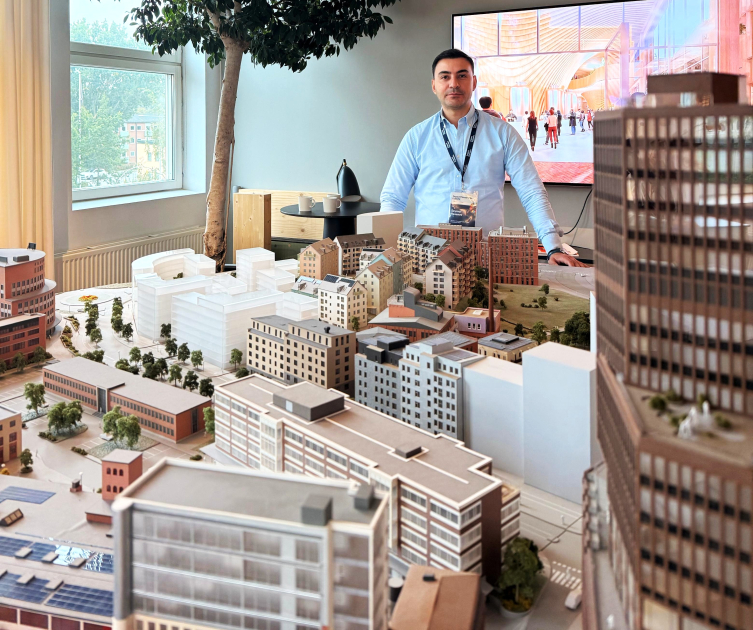
Stockholm’s experience in sustainable urban development was also highlighted during the programme. Participants visited the Norra Djurgårdsstaden urban development project, the integrated energy, water, and waste management system implemented in the Hammarby Sjöstad district, and the Sickla Wood City project, based on a low-carbon timber construction concept.
At the “Re Cities – International Forum,” held at Stockholm’s City Culture Centre (Kulturhuset), participants discussed the development of sustainable and inclusive cities, public transport, digital and innovative solutions, the role of cities as testing grounds for new technologies, and opportunities for international partnerships. The forum facilitated the establishment of new connections between Swedish organizations and representatives from Eastern Europe and the Baltic region.
The Azerbaijani delegation also met with Elnur Sultanov, Ambassador of Azerbaijan to Sweden. The meeting focused on Azerbaijan’s green transition and innovation initiatives, opportunities to leverage Swedish expertise, and prospects for expanding cooperation between relevant institutions of the two countries.
The Swedish Week enabled participants to compare experiences from various countries, establish contacts with new partners, and refine their local initiatives based on international best practices. The knowledge and connections developed within the programme are expected to pave the way for joint projects, pilot initiatives, and interregional cooperation in the future.
Nargiz Jafarli
Special Correspondent
Other news in this section


